Capital One Q1 2026 Earnings Call Insights
Written by Emily J. Thompson, Senior Investment Analyst
Updated: 1 hour ago
0mins
Should l Buy COF?
Source: seekingalpha
- Financial Performance Overview: In Q1 2026, Capital One reported a net income of $2.2 billion, translating to $3.34 per diluted share, despite a 2% sequential revenue decline and a 9% reduction in noninterest expenses, indicating effective cost management efforts.
- Credit Loss Provision: The provision for credit losses remained flat at $4.1 billion, including $3.8 billion in net charge-offs and a $230 million allowance build, reflecting a cautious approach to potential future losses while maintaining a robust allowance balance of $23.6 billion.
- Brex Acquisition Progress: Capital One completed its acquisition of Brex shortly after the quarter, with a consideration of approximately $4.5 billion, expected to impact the CET1 ratio by over 40 basis points in Q2, highlighting the company's strategic expansion efforts.
- Marketing Expenditure: Total marketing expenses for the quarter were about $1.5 billion, driven by year-over-year increases from Discover and higher direct marketing and media costs, with plans to shift some spending into later quarters to support future growth.
Trade with 70% Backtested Accuracy
Stop guessing "Should I Buy COF?" and start using high-conviction signals backed by rigorous historical data.
Sign up today to access powerful investing tools and make smarter, data-driven decisions.
Analyst Views on COF
Wall Street analysts forecast COF stock price to rise
19 Analyst Rating
16 Buy
3 Hold
0 Sell
Strong Buy
Current: 205.710

Low
256.00
Averages
280.42
High
310.00
Current: 205.710
Low
256.00
Averages
280.42
High
310.00
About COF
Capital One Financial Corporation is a diversified financial services holding company with banking and non-banking subsidiaries. The Company offers a broad spectrum of financial products and services to consumers, small businesses and commercial clients through a variety of channels. It operates through three segments: Credit Card, Consumer Banking and Commercial Banking. The Credit Card segment consists of its domestic consumer and small business card lending, and international card businesses in the United Kingdom and Canada. The Consumer Banking segment consists of its deposit gathering and lending activities for consumers and small businesses, and national auto lending. The Commercial Banking segment consists of its lending, deposit gathering, capital markets and treasury management services to commercial real estate and commercial and industrial customers. Its principal operating subsidiary is Capital One, National Association, which offers banking products and financial services.
About the author

Emily J. Thompson
Emily J. Thompson, a Chartered Financial Analyst (CFA) with 12 years in investment research, graduated with honors from the Wharton School. Specializing in industrial and technology stocks, she provides in-depth analysis for Intellectia’s earnings and market brief reports.

Capital One Q1 2026 Earnings Call Insights

- Financial Performance Overview: In Q1 2026, Capital One reported a net income of $2.2 billion, translating to $3.34 per diluted share, despite a 2% sequential revenue decline and a 9% reduction in noninterest expenses, indicating effective cost management efforts.
- Credit Loss Provision: The provision for credit losses remained flat at $4.1 billion, including $3.8 billion in net charge-offs and a $230 million allowance build, reflecting a cautious approach to potential future losses while maintaining a robust allowance balance of $23.6 billion.
- Brex Acquisition Progress: Capital One completed its acquisition of Brex shortly after the quarter, with a consideration of approximately $4.5 billion, expected to impact the CET1 ratio by over 40 basis points in Q2, highlighting the company's strategic expansion efforts.
- Marketing Expenditure: Total marketing expenses for the quarter were about $1.5 billion, driven by year-over-year increases from Discover and higher direct marketing and media costs, with plans to shift some spending into later quarters to support future growth.
See More

Capital One (COF) Q1 2026 Earnings Transcript
See More
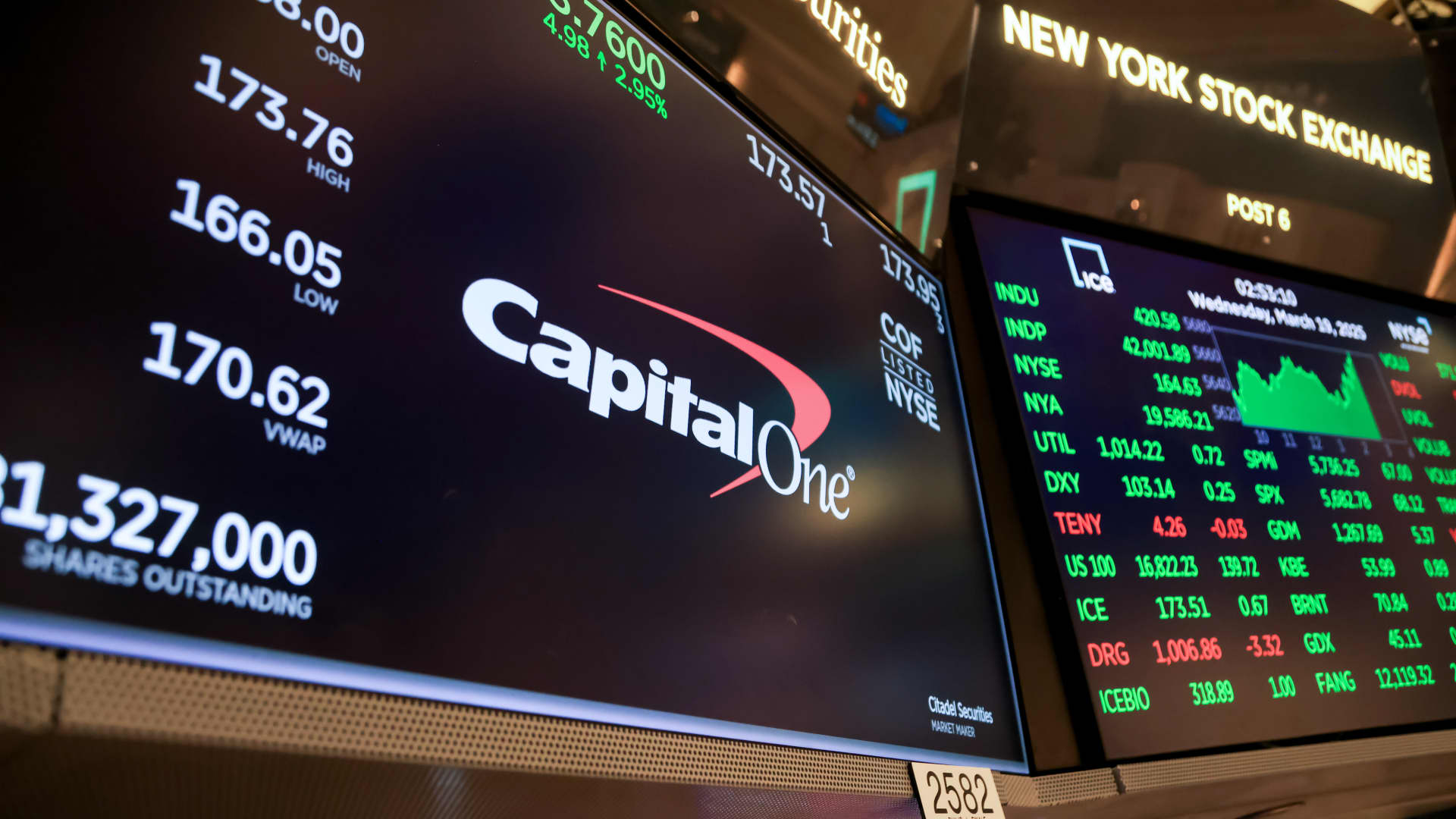
Capital One Reports Noisy Q1 Earnings Miss

- Weak Revenue Growth: Capital One's Q1 revenue increased 52% year-over-year to $15.23 billion, missing the $15.36 billion analyst consensus, indicating challenges in revenue growth that could impact future investor confidence.
- Adjusted EPS Decline: Adjusted earnings per share rose 15% year-over-year to $4.42, falling short of the $4.55 estimate, marking the second consecutive quarter of earnings misses and reflecting pressure on the company's profitability.
- Expense Management Issues: Non-interest expenses totaled $8.46 billion, exceeding the $8.3 billion analyst expectation, including approximately $893 million in one-time acquisition-related costs, although adjusted expenses were $7.58 billion, highlighting cost challenges during the integration process.
- Increased Credit Loss Reserves: Provisions for credit losses amounted to about $4.1 billion, slightly above expectations, primarily driven by the auto lending business, although management noted that consumer credit quality remains strong, with potential future impacts from rising energy prices.
See More

Capital One Misses Q1 Profit Expectations Amid Increased Loan Provisions
- Increased Loan Provisions: Capital One set aside $4.07 billion for potential bad loans in Q1, exceeding the $3.77 billion expected by analysts, indicating a cautious outlook on future credit risks that could impact profitability.
- Profit Decline: The company's profit for the three months ending March 31 was $4.42 per share, falling short of Wall Street's expectation of $4.55 per share, reflecting pressure on earnings due to higher loan provisions, which may dampen investor confidence.
- Net Interest Income Growth: Despite challenges, Capital One's net interest income rose to $12.15 billion from $8 billion a year earlier, suggesting that its lending operations remain profitable; however, prolonged high oil prices could pose risks to the broader economy.
- Stock Price Volatility: Following the disappointing earnings report, Capital One's shares fell 2.5% in after-hours trading, contributing to a 16.5% decline in stock price year-to-date, which may affect its market position and future financing capabilities.
See More
Mixed Earnings Reports from Multiple Companies


- United Airlines Guidance Cut: Despite beating first-quarter expectations, United Airlines expects adjusted earnings for 2026 to be between $7 and $11 per share, down from prior guidance of $12 to $14, indicating pressure from rising fuel prices on its outlook.
- Capital One Earnings Miss: Capital One Financial Group reported first-quarter earnings of $4.42 per share, falling short of the $4.55 estimate, with revenue of $15.23 billion also below the $15.36 billion forecast, leading to a nearly 4% drop in stock price.
- Interactive Brokers Revenue Shortfall: Interactive Brokers Group's first-quarter revenue of $1.68 billion missed the $1.71 billion expectation, although adjusted earnings of 60 cents per share met forecasts, resulting in a nearly 2% decline in shares.
- Adobe Stock Buyback Plan: Adobe's board approved a $25 billion stock repurchase program through April 2030, which comes as its stock has fallen over 29% year-to-date, yet shares rose more than 2% following the announcement.
See More
Capital One Q1 Earnings Miss Estimates, Stock Drops
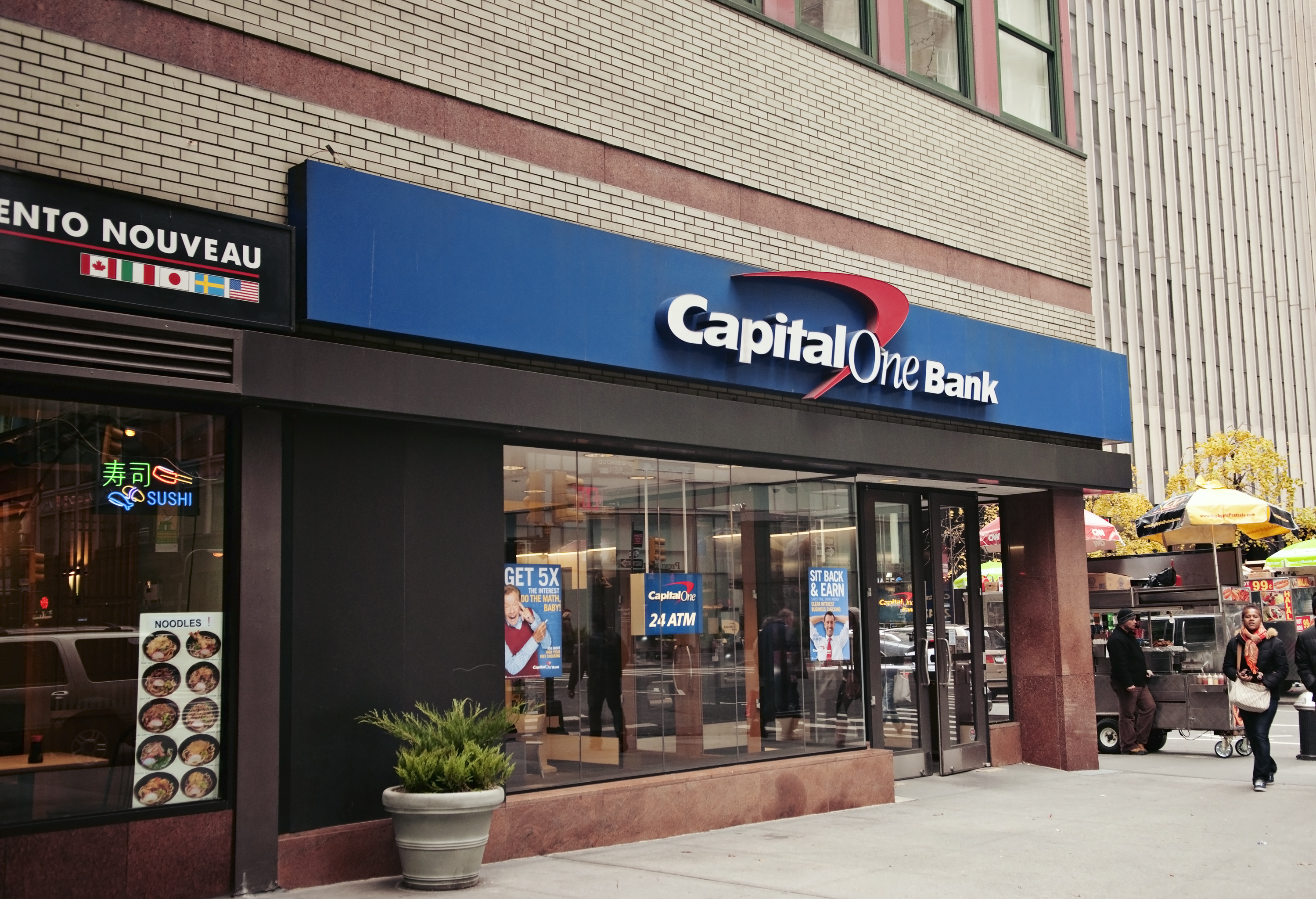
- Earnings Shortfall: Capital One's Q1 adjusted EPS of $4.42 fell short of the $4.57 analyst estimate, although it rose from $3.86 in Q4 2025, indicating ongoing challenges in profitability despite some growth.
- Revenue Miss: The total revenue for Q1 was $15.2 billion, missing the $15.4 billion consensus, and decreased from $15.6 billion in the previous quarter, yet showed significant growth from $10.0 billion a year ago, reflecting volatility in revenue generation.
- Increased Credit Loss Provisions: The provision for credit losses stood at $4.07 billion, exceeding the $3.70 billion consensus, although it decreased from $4.14 billion in the prior quarter, highlighting the company's continued focus on credit risk management.
- Deposit and Loan Adjustments: As of March 31, 2025, Capital One reported total deposits of $489.1 billion, up from $475.8 billion at December 31, 2025, while loans held for investment decreased from $453.6 billion to $447.8 billion, indicating adjustments in asset-liability management.
See More
Capital One Q1 2026 Earnings Call Insights
- Financial Performance Overview: In Q1 2026, Capital One reported a net income of $2.2 billion, translating to $3.34 per diluted share, despite a 2% sequential revenue decline and a 9% reduction in noninterest expenses, indicating effective cost management efforts.
- Credit Loss Provision: The provision for credit losses remained flat at $4.1 billion, including $3.8 billion in net charge-offs and a $230 million allowance build, reflecting a cautious approach to potential future losses while maintaining a robust allowance balance of $23.6 billion.
- Brex Acquisition Progress: Capital One completed its acquisition of Brex shortly after the quarter, with a consideration of approximately $4.5 billion, expected to impact the CET1 ratio by over 40 basis points in Q2, highlighting the company's strategic expansion efforts.
- Marketing Expenditure: Total marketing expenses for the quarter were about $1.5 billion, driven by year-over-year increases from Discover and higher direct marketing and media costs, with plans to shift some spending into later quarters to support future growth.
See More
Capital One (COF) Q1 2026 Earnings Transcript
See More
Capital One Reports Noisy Q1 Earnings Miss
- Weak Revenue Growth: Capital One's Q1 revenue increased 52% year-over-year to $15.23 billion, missing the $15.36 billion analyst consensus, indicating challenges in revenue growth that could impact future investor confidence.
- Adjusted EPS Decline: Adjusted earnings per share rose 15% year-over-year to $4.42, falling short of the $4.55 estimate, marking the second consecutive quarter of earnings misses and reflecting pressure on the company's profitability.
- Expense Management Issues: Non-interest expenses totaled $8.46 billion, exceeding the $8.3 billion analyst expectation, including approximately $893 million in one-time acquisition-related costs, although adjusted expenses were $7.58 billion, highlighting cost challenges during the integration process.
- Increased Credit Loss Reserves: Provisions for credit losses amounted to about $4.1 billion, slightly above expectations, primarily driven by the auto lending business, although management noted that consumer credit quality remains strong, with potential future impacts from rising energy prices.
See More
Capital One Misses Q1 Profit Expectations Amid Increased Loan Provisions
- Increased Loan Provisions: Capital One set aside $4.07 billion for potential bad loans in Q1, exceeding the $3.77 billion expected by analysts, indicating a cautious outlook on future credit risks that could impact profitability.
- Profit Decline: The company's profit for the three months ending March 31 was $4.42 per share, falling short of Wall Street's expectation of $4.55 per share, reflecting pressure on earnings due to higher loan provisions, which may dampen investor confidence.
- Net Interest Income Growth: Despite challenges, Capital One's net interest income rose to $12.15 billion from $8 billion a year earlier, suggesting that its lending operations remain profitable; however, prolonged high oil prices could pose risks to the broader economy.
- Stock Price Volatility: Following the disappointing earnings report, Capital One's shares fell 2.5% in after-hours trading, contributing to a 16.5% decline in stock price year-to-date, which may affect its market position and future financing capabilities.
See More
Mixed Earnings Reports from Multiple Companies
- United Airlines Guidance Cut: Despite beating first-quarter expectations, United Airlines expects adjusted earnings for 2026 to be between $7 and $11 per share, down from prior guidance of $12 to $14, indicating pressure from rising fuel prices on its outlook.
- Capital One Earnings Miss: Capital One Financial Group reported first-quarter earnings of $4.42 per share, falling short of the $4.55 estimate, with revenue of $15.23 billion also below the $15.36 billion forecast, leading to a nearly 4% drop in stock price.
- Interactive Brokers Revenue Shortfall: Interactive Brokers Group's first-quarter revenue of $1.68 billion missed the $1.71 billion expectation, although adjusted earnings of 60 cents per share met forecasts, resulting in a nearly 2% decline in shares.
- Adobe Stock Buyback Plan: Adobe's board approved a $25 billion stock repurchase program through April 2030, which comes as its stock has fallen over 29% year-to-date, yet shares rose more than 2% following the announcement.
See More
Capital One Q1 Earnings Miss Estimates, Stock Drops
- Earnings Shortfall: Capital One's Q1 adjusted EPS of $4.42 fell short of the $4.57 analyst estimate, although it rose from $3.86 in Q4 2025, indicating ongoing challenges in profitability despite some growth.
- Revenue Miss: The total revenue for Q1 was $15.2 billion, missing the $15.4 billion consensus, and decreased from $15.6 billion in the previous quarter, yet showed significant growth from $10.0 billion a year ago, reflecting volatility in revenue generation.
- Increased Credit Loss Provisions: The provision for credit losses stood at $4.07 billion, exceeding the $3.70 billion consensus, although it decreased from $4.14 billion in the prior quarter, highlighting the company's continued focus on credit risk management.
- Deposit and Loan Adjustments: As of March 31, 2025, Capital One reported total deposits of $489.1 billion, up from $475.8 billion at December 31, 2025, while loans held for investment decreased from $453.6 billion to $447.8 billion, indicating adjustments in asset-liability management.
See More