ABBOTT SUBMITS MIXED SHELF REGISTRATION; SIZE UNREVEALED - SEC FILING
Written by Emily J. Thompson, Senior Investment Analyst
Updated: Feb 23 2026
0mins
Should l Buy ABT?
Source: moomoo
Mixed Shelves Filing: The article discusses the concept of mixed shelves filing, which involves organizing items in a way that combines different categories or types on the same shelf for efficiency.
Size Disclosure: It highlights that the size of items in mixed shelves filing is not disclosed, which may impact how items are categorized and accessed.
Filing System Benefits: The mixed shelves filing system is presented as a beneficial approach for managing diverse items, potentially improving retrieval times and organization.
Implications for Organization: The lack of size disclosure raises questions about the effectiveness and practicality of the mixed shelves filing system in various settings.
Trade with 70% Backtested Accuracy
Stop guessing "Should I Buy ABT?" and start using high-conviction signals backed by rigorous historical data.
Sign up today to access powerful investing tools and make smarter, data-driven decisions.
Analyst Views on ABT
Wall Street analysts forecast ABT stock price to rise
19 Analyst Rating
17 Buy
2 Hold
0 Sell
Strong Buy
Current: 92.480

Low
136.00
Averages
148.11
High
169.00
Current: 92.480
Low
136.00
Averages
148.11
High
169.00
About ABT
Abbott Laboratories is a global healthcare company. The Company’s principal business is the discovery, development, manufacture, and sale of a broad and diversified line of healthcare products. Its segments include Established Pharmaceutical Products, Diagnostic Products, Nutritional Products, and Medical Devices. Established Pharmaceutical Products segment is engaged in the international sales of a broad line of branded generic pharmaceutical products. Diagnostic Products segment is involved in the worldwide sales of diagnostic systems and tests for blood banks, hospitals, commercial laboratories and alternate-care testing sites. Nutritional Products segment is engaged in the worldwide sales of a broad line of adult and pediatric nutritional products. Medical Devices segment is involved in the worldwide sales of rhythm management, electrophysiology, heart failure, vascular, structural heart, neuromodulation and diabetes care products. It serves people in more than 160 countries.
About the author

Emily J. Thompson
Emily J. Thompson, a Chartered Financial Analyst (CFA) with 12 years in investment research, graduated with honors from the Wharton School. Specializing in industrial and technology stocks, she provides in-depth analysis for Intellectia’s earnings and market brief reports.

Market Capital Flow Issues Impact Healthcare Stocks


- Healthcare Stocks Hit Hard: Despite strong quarterly results from companies like Thermo Fisher and Danaher, the lack of investor confidence in the healthcare sector has led to significant stock declines, indicating a panic among investors regarding healthcare equities.
- Capital Flow Concentration: Market funds are primarily directed towards stocks tied to data center construction, resulting in persistent selling pressure on healthcare stocks such as Abbott Labs and Cardinal Health, reflecting a risk-averse sentiment among investors towards the healthcare industry.
- IPO Market Impact: Upcoming IPOs like SpaceX are likely to attract substantial capital, further weakening healthcare stock performance, reminiscent of the capital concentration seen during the internet bubble in 1999, which could lead to further declines in healthcare stock P/E ratios.
- Key Earnings Reports from Tech Giants: The upcoming earnings reports from Alphabet, Amazon, Meta, and Microsoft will be crucial; if two of these companies perform well, it may boost market sentiment, whereas poor results could exacerbate downward pressure on healthcare stocks.
See More

Abbott Unveils New Data on Heart Rhythm Disorder Treatments

- Clinical Trial Results: Abbott's FlexPulse IDE study revealed six-month data for the TactiFlex Duo Ablation Catheter, showing positive outcomes in 188 patients with complex atrial fibrillation, indicating strong safety and efficacy that supports its potential for FDA approval in the U.S.
- Innovative Treatment Modes: The TactiFlex Duo offers both radiofrequency and pulsed field ablation energy modes, allowing physicians to tailor treatment based on individual patient conditions, thereby enhancing personalization and effectiveness in cardiac care and advancing treatment methodologies.
- New Implantable Devices: The ASCEND CSP IDE trial demonstrated high implantation success rates for the UltiSynq CSP ICD lead in the left bundle branch area, with three-month data meeting primary safety and effectiveness endpoints, suggesting a shift in traditional pacemaker applications towards more physiologic pacing.
- Posterior Wall Ablation Data: Six-month data from the Volt PFA System indicate effective reduction in atrial fibrillation recurrence rates when treating the heart's posterior wall, further solidifying Abbott's innovative position in the cardiovascular field and driving the development of its comprehensive cardiovascular product portfolio.
See More

Abbott Reports Strong Clinical Outcomes in Heart Rhythm Treatments
- TactiFlex™ Duo Catheter Performance: Six-month data from the FlexPulse IDE study show that 87% of patients were free from arrhythmias, with a 98.3% safety profile indicating the catheter's efficacy in treating complex AFib, likely accelerating FDA approval.
- Volt™ PFA System Data: Six-month results from the Volt CE Mark Extension Cohort trial reveal that physicians required an average of only 4.1 therapy applications per vein, with no reported patient or procedure-related complications, further solidifying the system's market position.
- UltiSynq™ CSP ICD Lead Initial Results: The ASCEND CSP IDE trial's three-month data indicate a 97.5% safety profile and a 99% success rate for left bundle branch pacing, suggesting the lead's potential to transform treatment for cardiac patients.
- AVEIR™ CSP Leadless Pacemaker: One-month data from the first-in-human study show a 100% implantation success rate among 19 patients, demonstrating the system's reliability in cardiac electrical activity, potentially paving the way for advancements in leadless pacing technology.
See More

Alpha Compute Rebrands Amid Stock Market Turmoil

- Alpha Compute Rebranding: After rebranding from AlphaTON Capital, Alpha Compute appointed Tom Richer to its Advisory Board to focus on GPU-as-a-Service strategy, yet the stock fell over 11% on Tuesday, indicating investor skepticism regarding its AI infrastructure pivot.
- Abbott Stock Downgrade: Daiwa downgraded Abbott Laboratories from ‘Outperform’ to ‘Neutral’ and cut its price target from $113 to $92, reflecting market concerns over the financial burden from its Exact Sciences acquisition, leading to a 52-week low of $92.65.
- HUB Cyber Security Liquidity Issues: Following a 1-for-50 reverse stock split aimed at maintaining its Nasdaq listing, HUB Cyber Security faced liquidity concerns as its stock plummeted over 54% on Tuesday, raising doubts about its long-term viability.
- Overall Market Decline: As of Tuesday, Alpha Compute, Abbott, and HUB Cyber Security stocks hit 52-week lows, declining by 53%, 26%, and over 99% respectively, reflecting widespread investor unease across AI infrastructure, healthcare, and micro-cap cybersecurity sectors.
See More
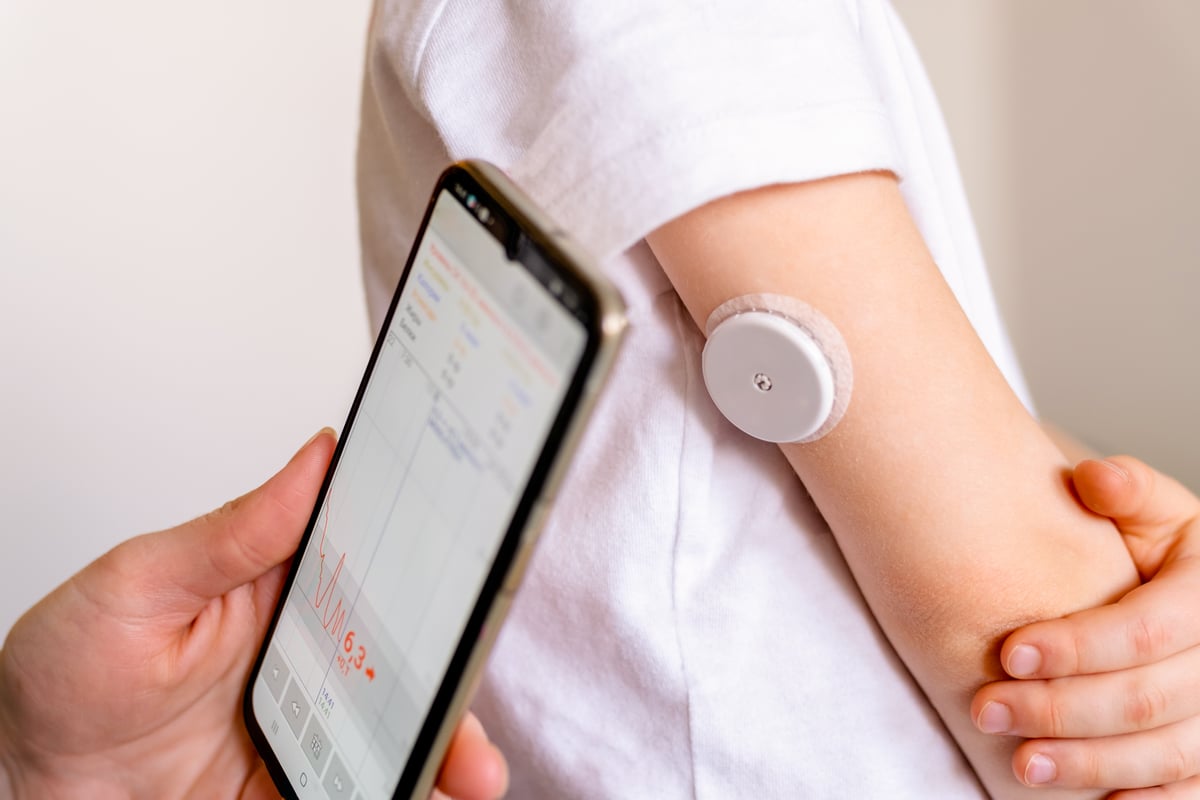
Abbott vs. Dexcom: The CGM Market Showdown

- Market Leadership: Abbott's FreeStyle Libre has surpassed five million patients in the past three years, becoming the best-selling medical device of all time in dollar sales, showcasing its strong leadership in the CGM market, while Dexcom has yet to reach this milestone.
- Diversification Advantage: Abbott's business spans medical devices, diagnostics, nutrition, and pharmaceuticals, allowing it to achieve stable revenue and earnings growth with market-leading devices like MitraClip, while its acquisition in the cancer diagnostics market provides new growth opportunities.
- Competitive Dynamics: Although Dexcom has shown faster revenue growth in the CGM market, its lack of diversification poses higher risks, especially if the CGM market is impacted by GLP-1 medications, whereas Abbott's diversified business model enables quicker recovery.
- Investment Choice: For risk-averse investors, Abbott is a better choice due to its stable dividends and market leadership, while Dexcom appeals more to risk-tolerant investors seeking high growth.
See More

Abbott vs. Dexcom: Competition in CGM Market
- Market Leadership: Abbott leads the continuous glucose monitoring (CGM) market with its FreeStyle Libre product line, which surpassed five million patient installations three years ago, demonstrating strong market penetration, while Dexcom, despite outperforming over the past decade, has yet to reach this milestone.
- Diversification Advantage: Abbott's business spans medical devices, diagnostics, nutrition, and pharmaceuticals, allowing it to maintain stable revenue and earnings growth, while also providing the financial resources for continued investment in the CGM market, enhancing its competitive position.
- Acquisition for Market Expansion: Abbott's $21 billion acquisition of Exact Sciences allows entry into the cancer diagnostics market, with Cologuard serving as a non-invasive colorectal cancer screening tool targeting millions of eligible individuals yet to be tested, showcasing its potential for expansion in healthcare.
- Risk vs. Reward: While Dexcom shows stronger revenue growth, its lack of diversification poses higher risks, especially if the CGM market is impacted by GLP-1 medications, whereas Abbott's diversified business model enables quicker recovery, making it more suitable for risk-averse investors.
See More
Market Capital Flow Issues Impact Healthcare Stocks
- Healthcare Stocks Hit Hard: Despite strong quarterly results from companies like Thermo Fisher and Danaher, the lack of investor confidence in the healthcare sector has led to significant stock declines, indicating a panic among investors regarding healthcare equities.
- Capital Flow Concentration: Market funds are primarily directed towards stocks tied to data center construction, resulting in persistent selling pressure on healthcare stocks such as Abbott Labs and Cardinal Health, reflecting a risk-averse sentiment among investors towards the healthcare industry.
- IPO Market Impact: Upcoming IPOs like SpaceX are likely to attract substantial capital, further weakening healthcare stock performance, reminiscent of the capital concentration seen during the internet bubble in 1999, which could lead to further declines in healthcare stock P/E ratios.
- Key Earnings Reports from Tech Giants: The upcoming earnings reports from Alphabet, Amazon, Meta, and Microsoft will be crucial; if two of these companies perform well, it may boost market sentiment, whereas poor results could exacerbate downward pressure on healthcare stocks.
See More
Abbott Unveils New Data on Heart Rhythm Disorder Treatments
- Clinical Trial Results: Abbott's FlexPulse IDE study revealed six-month data for the TactiFlex Duo Ablation Catheter, showing positive outcomes in 188 patients with complex atrial fibrillation, indicating strong safety and efficacy that supports its potential for FDA approval in the U.S.
- Innovative Treatment Modes: The TactiFlex Duo offers both radiofrequency and pulsed field ablation energy modes, allowing physicians to tailor treatment based on individual patient conditions, thereby enhancing personalization and effectiveness in cardiac care and advancing treatment methodologies.
- New Implantable Devices: The ASCEND CSP IDE trial demonstrated high implantation success rates for the UltiSynq CSP ICD lead in the left bundle branch area, with three-month data meeting primary safety and effectiveness endpoints, suggesting a shift in traditional pacemaker applications towards more physiologic pacing.
- Posterior Wall Ablation Data: Six-month data from the Volt PFA System indicate effective reduction in atrial fibrillation recurrence rates when treating the heart's posterior wall, further solidifying Abbott's innovative position in the cardiovascular field and driving the development of its comprehensive cardiovascular product portfolio.
See More
Abbott Reports Strong Clinical Outcomes in Heart Rhythm Treatments
- TactiFlex™ Duo Catheter Performance: Six-month data from the FlexPulse IDE study show that 87% of patients were free from arrhythmias, with a 98.3% safety profile indicating the catheter's efficacy in treating complex AFib, likely accelerating FDA approval.
- Volt™ PFA System Data: Six-month results from the Volt CE Mark Extension Cohort trial reveal that physicians required an average of only 4.1 therapy applications per vein, with no reported patient or procedure-related complications, further solidifying the system's market position.
- UltiSynq™ CSP ICD Lead Initial Results: The ASCEND CSP IDE trial's three-month data indicate a 97.5% safety profile and a 99% success rate for left bundle branch pacing, suggesting the lead's potential to transform treatment for cardiac patients.
- AVEIR™ CSP Leadless Pacemaker: One-month data from the first-in-human study show a 100% implantation success rate among 19 patients, demonstrating the system's reliability in cardiac electrical activity, potentially paving the way for advancements in leadless pacing technology.
See More
Alpha Compute Rebrands Amid Stock Market Turmoil
- Alpha Compute Rebranding: After rebranding from AlphaTON Capital, Alpha Compute appointed Tom Richer to its Advisory Board to focus on GPU-as-a-Service strategy, yet the stock fell over 11% on Tuesday, indicating investor skepticism regarding its AI infrastructure pivot.
- Abbott Stock Downgrade: Daiwa downgraded Abbott Laboratories from ‘Outperform’ to ‘Neutral’ and cut its price target from $113 to $92, reflecting market concerns over the financial burden from its Exact Sciences acquisition, leading to a 52-week low of $92.65.
- HUB Cyber Security Liquidity Issues: Following a 1-for-50 reverse stock split aimed at maintaining its Nasdaq listing, HUB Cyber Security faced liquidity concerns as its stock plummeted over 54% on Tuesday, raising doubts about its long-term viability.
- Overall Market Decline: As of Tuesday, Alpha Compute, Abbott, and HUB Cyber Security stocks hit 52-week lows, declining by 53%, 26%, and over 99% respectively, reflecting widespread investor unease across AI infrastructure, healthcare, and micro-cap cybersecurity sectors.
See More
Abbott vs. Dexcom: The CGM Market Showdown
- Market Leadership: Abbott's FreeStyle Libre has surpassed five million patients in the past three years, becoming the best-selling medical device of all time in dollar sales, showcasing its strong leadership in the CGM market, while Dexcom has yet to reach this milestone.
- Diversification Advantage: Abbott's business spans medical devices, diagnostics, nutrition, and pharmaceuticals, allowing it to achieve stable revenue and earnings growth with market-leading devices like MitraClip, while its acquisition in the cancer diagnostics market provides new growth opportunities.
- Competitive Dynamics: Although Dexcom has shown faster revenue growth in the CGM market, its lack of diversification poses higher risks, especially if the CGM market is impacted by GLP-1 medications, whereas Abbott's diversified business model enables quicker recovery.
- Investment Choice: For risk-averse investors, Abbott is a better choice due to its stable dividends and market leadership, while Dexcom appeals more to risk-tolerant investors seeking high growth.
See More
Abbott vs. Dexcom: Competition in CGM Market
- Market Leadership: Abbott leads the continuous glucose monitoring (CGM) market with its FreeStyle Libre product line, which surpassed five million patient installations three years ago, demonstrating strong market penetration, while Dexcom, despite outperforming over the past decade, has yet to reach this milestone.
- Diversification Advantage: Abbott's business spans medical devices, diagnostics, nutrition, and pharmaceuticals, allowing it to maintain stable revenue and earnings growth, while also providing the financial resources for continued investment in the CGM market, enhancing its competitive position.
- Acquisition for Market Expansion: Abbott's $21 billion acquisition of Exact Sciences allows entry into the cancer diagnostics market, with Cologuard serving as a non-invasive colorectal cancer screening tool targeting millions of eligible individuals yet to be tested, showcasing its potential for expansion in healthcare.
- Risk vs. Reward: While Dexcom shows stronger revenue growth, its lack of diversification poses higher risks, especially if the CGM market is impacted by GLP-1 medications, whereas Abbott's diversified business model enables quicker recovery, making it more suitable for risk-averse investors.
See More