Buffett's Investment Strategy and Brand Value
Written by Emily J. Thompson, Senior Investment Analyst
Updated: 2 days ago
0mins


Source: Fool
- Portfolio Concentration: Berkshire Hathaway's portfolio shows a heavy reliance on Apple and American Express, which account for 21.4% and 14.5% respectively, totaling nearly 36%, potentially influencing investor decisions regarding diversification.
- Apple's Brand Strength: In the latest quarter, Apple generated $111.2 billion in revenue, a 17% year-over-year increase, with over 51% coming from iPhone sales, highlighting its strong customer loyalty and high margins, which further solidify its market position.
- American Express's Unique Model: American Express operates a closed-loop network, allowing it to profit from every transaction despite taking on more debt; its affluent customer base is willing to pay high annual fees for premium perks, enhancing the company's profitability.
- Long-Term Investment Value: Both companies are viewed as solid long-term investments, with their brand value and market strategies keeping them competitive and attracting high-income customers, ensuring stable future revenues.
Trade with 70% Backtested Accuracy
Stop guessing "Should I Buy AAPL?" and start using high-conviction signals backed by rigorous historical data.
Sign up today to access powerful investing tools and make smarter, data-driven decisions.
Analyst Views on AAPL
Wall Street analysts forecast AAPL stock price to fall
27 Analyst Rating
17 Buy
9 Hold
1 Sell
Moderate Buy
Current: 311.230

Low
239.00
Averages
306.89
High
350.00
Current: 311.230
Low
239.00
Averages
306.89
High
350.00
About AAPL
Apple Inc. designs, manufactures and markets smartphones, personal computers, tablets, wearables and accessories, and sells a variety of related services. Its product categories include iPhone, Mac, iPad, Wearables, Home and Accessories. Its services include advertising, AppleCare, cloud services, digital content, and payment services. The Company operates various platforms, including the App Store, that allow customers to discover and download applications and digital content, such as books, music, video, games and podcasts. It also offers digital content through subscription-based services, including Apple Arcade, Apple Fitness+, Apple Music, Apple News+, and Apple TV+. Its wearables include smartwatches, wireless headphones, and spatial computers. Its products include iPhone 16 Pro, iPhone 16, iPhone 15, iPhone 14, iPhone SE, MacBook Air, MacBook Pro, iMac, Mac mini, Mac Studio, Mac Pro, iPad Pro, iPad Air, AirPods, AirPods Pro, AirPods Max, Apple TV, Apple Vision Pro and others.
About the author

Emily J. Thompson
Emily J. Thompson, a Chartered Financial Analyst (CFA) with 12 years in investment research, graduated with honors from the Wharton School. Specializing in industrial and technology stocks, she provides in-depth analysis for Intellectia’s earnings and market brief reports.
WWDC 2026: Tim Cook's Final Major Event

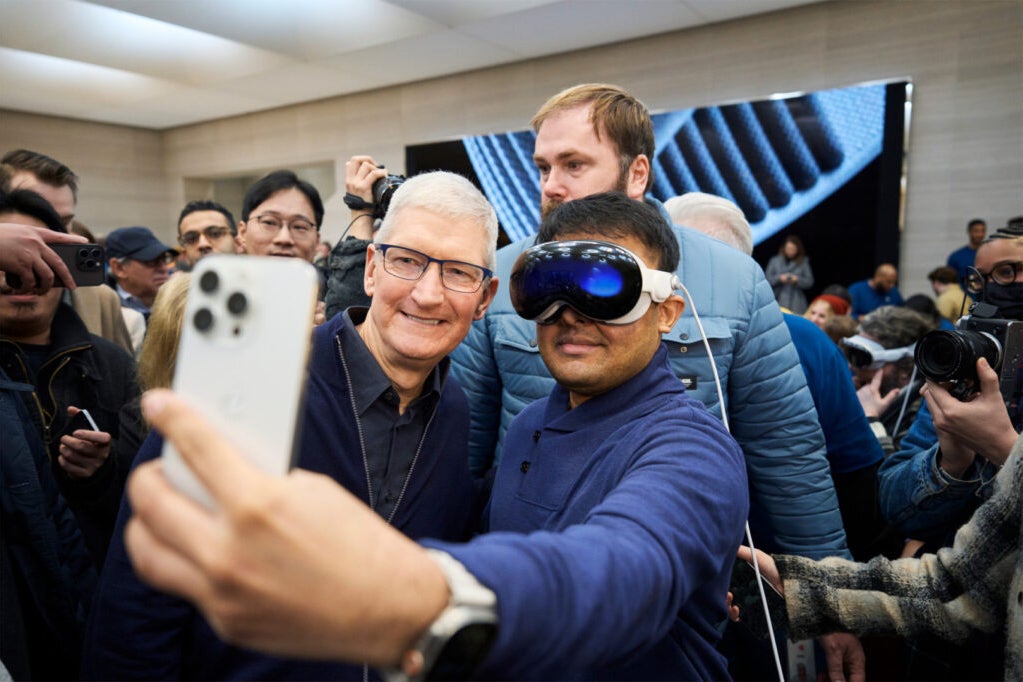
- Cook's Farewell Speech: WWDC 2026 is scheduled for June 8-12, marking Tim Cook's final major appearance as CEO, with successor John Ternus taking over, indicating significant leadership changes within the company.
- New Phase in AI Strategy: Analyst Dan Ives highlights that Apple will unveil iOS 27 and AI integrations with Gemini and Anthropic at WWDC, demonstrating the company's commitment and execution capabilities in the artificial intelligence sector.
- Ecosystem Advantage: Ives emphasizes Apple's massive installed base of 2.5 billion iOS devices and 1.5 billion iPhones, providing a unique competitive edge in the consumer AI market, with expectations of acting as a “toll collector.”
- Service Expansion and Revenue Model: Apple is shifting towards services, with an estimated 20% of global consumers expected to access AI through Apple devices, showcasing the company's potential role in mainstream AI adoption and driving revenue growth.
See More
XLK Outperforms SPY with 34% Year-to-Date Return

- Significant Investment Returns: As of June 4, 2026, a $10,000 investment in the Technology Select Sector SPDR Fund (XLK) has grown to $13,434, achieving a year-to-date return of 34%, which significantly outpaces the S&P 500's 11% return, highlighting the robust performance of tech stocks.
- Key Growth Drivers: NVIDIA and Apple reported revenue increases of 85% and 16.6%, respectively, with NVIDIA's quarterly revenue reaching $81.6 billion and Apple's hitting a record $111.2 billion, showcasing how these two companies are driving XLK's outperformance.
- Concentration Risk: XLK has 40% of its assets concentrated in NVIDIA, Apple, and Microsoft, with NVIDIA and Apple accounting for 14.93% and 13.23%, respectively, indicating a heightened investment risk due to this concentration, especially during market volatility.
- Future Outlook: To maintain the 3:1 return spread over the S&P 500, it is crucial to ensure continued growth in hyperscaler capital expenditures, reduced reliance on the Chinese market, and stable revenue growth from Apple, as these factors will directly influence XLK's future performance.
See More

Nvidia's Market Value Surpasses $5 Trillion

- Significant Revenue Growth: Nvidia's latest quarter saw an 85% year-over-year revenue increase, highlighting strong demand in the AI chip market and further solidifying its position as the world's most valuable company.
- Competitors Closing In: Alphabet's market capitalization stands at approximately $4.45 trillion, trailing Nvidia but showing potential threats as its cloud service revenue grew 63% year-over-year, indicating strong growth momentum.
- Apple's Strong Performance: Apple reported a 17% year-over-year revenue increase to $111.2 billion in its latest fiscal quarter, with iPhone sales up 22%, suggesting sustained strength in the smartphone market that could drive future market value growth.
- Microsoft's Cloud Growth: Microsoft achieved an 18% revenue increase to $82.9 billion in its third fiscal quarter, with Azure and other cloud services growing 40%, and its AI business reaching a $37 billion annual revenue run rate, showcasing its potential in the AI sector despite a market cap of around $3.1 trillion.
See More
Apple Partners with Google to Revamp Siri
- Siri Revamp Initiative: Apple has decided to shift complex requests for Siri to Google's Gemini cloud model, with an expected annual payment of around $1 billion, marking a significant shift in Apple's approach to AI, despite contradicting its previous self-sufficiency philosophy.
- Technical Collaboration Details: The new Siri will utilize Google's Nvidia Blackwell B200 chips for cloud queries, ensuring user data encryption, which indicates an increasing reliance on external technology that could impact Apple's competitive edge in the market.
- Financial Impact Analysis: Analyst Dan Ives has raised Apple's price target to $400, believing the company has the potential to become a major gateway in the AI consumer market, although reliance on external technology introduces potential risks.
- Future Outlook: The new Siri is expected to launch in September 2026 alongside iOS 27 and the next iPhone, with Apple's developer conference scheduled for June 8, where an early version of the new Siri will be showcased, determining whether it can fulfill two years of promises.
See More
Nvidia's $5 Trillion Market Value and Its Potential Challengers
- Market Leadership: Nvidia has become the first company to reach a market value of $5 trillion, and despite a recent pullback, it remains the most valuable company globally at $4.6 trillion, showcasing its strong competitive position in the AI chip market.
- Alphabet's Growth Potential: Alphabet's market capitalization is approximately $4.45 trillion, and despite a recent decline, its Google Cloud revenue grew 63% year-over-year to $20 billion, indicating strong momentum in AI that could help close the gap with Nvidia.
- Microsoft's Challenge: Microsoft has a market value of around $3.1 trillion, and while its AI business has reached an annual revenue run rate of $37 billion with a 123% year-over-year increase, it still needs sustained cloud growth and higher investor valuations to surpass Nvidia.
- Apple's Strategic Positioning: Apple, valued at over $4.5 trillion, has seen strong iPhone sales and rising service revenue, but its lag in AI could impact future growth, especially with a new CEO taking over, increasing market focus on its strategic transformation.
See More

Nvidia Slips Below $5 Trillion; Competitors Eye Market Value

- Nvidia's Market Dynamics: Nvidia became the first company to reach a $5 trillion market cap by late 2025, but after a recent pullback, it now sits just below that level, maintaining its position as the most valuable company globally, reflecting its strong leadership in the AI sector.
- Alphabet's Growth Momentum: Alphabet's market cap recently fell to $4.45 trillion after a stock market pullback, yet its first-quarter cloud revenue surged 63% year-over-year to $20 billion, indicating robust growth potential in the AI market.
- Microsoft's Challenge: With a market cap of around $3.1 trillion, Microsoft reported an 18% revenue increase to $82.9 billion in its third quarter, and its AI business reached a $37 billion annual revenue run rate, but catching Nvidia will require higher investor valuations and sustained cloud growth.
- Apple's Competitive Edge: Apple, valued at over $4.5 trillion, benefits from a vast installed base of over 2.5 billion active devices and strong iPhone demand, particularly with the upcoming new iPhone model and the overhaul of its AI assistant Siri, suggesting significant future growth potential.
See More
WWDC 2026: Tim Cook's Final Major Event
- Cook's Farewell Speech: WWDC 2026 is scheduled for June 8-12, marking Tim Cook's final major appearance as CEO, with successor John Ternus taking over, indicating significant leadership changes within the company.
- New Phase in AI Strategy: Analyst Dan Ives highlights that Apple will unveil iOS 27 and AI integrations with Gemini and Anthropic at WWDC, demonstrating the company's commitment and execution capabilities in the artificial intelligence sector.
- Ecosystem Advantage: Ives emphasizes Apple's massive installed base of 2.5 billion iOS devices and 1.5 billion iPhones, providing a unique competitive edge in the consumer AI market, with expectations of acting as a “toll collector.”
- Service Expansion and Revenue Model: Apple is shifting towards services, with an estimated 20% of global consumers expected to access AI through Apple devices, showcasing the company's potential role in mainstream AI adoption and driving revenue growth.
See More
XLK Outperforms SPY with 34% Year-to-Date Return
- Significant Investment Returns: As of June 4, 2026, a $10,000 investment in the Technology Select Sector SPDR Fund (XLK) has grown to $13,434, achieving a year-to-date return of 34%, which significantly outpaces the S&P 500's 11% return, highlighting the robust performance of tech stocks.
- Key Growth Drivers: NVIDIA and Apple reported revenue increases of 85% and 16.6%, respectively, with NVIDIA's quarterly revenue reaching $81.6 billion and Apple's hitting a record $111.2 billion, showcasing how these two companies are driving XLK's outperformance.
- Concentration Risk: XLK has 40% of its assets concentrated in NVIDIA, Apple, and Microsoft, with NVIDIA and Apple accounting for 14.93% and 13.23%, respectively, indicating a heightened investment risk due to this concentration, especially during market volatility.
- Future Outlook: To maintain the 3:1 return spread over the S&P 500, it is crucial to ensure continued growth in hyperscaler capital expenditures, reduced reliance on the Chinese market, and stable revenue growth from Apple, as these factors will directly influence XLK's future performance.
See More
Nvidia's Market Value Surpasses $5 Trillion
- Significant Revenue Growth: Nvidia's latest quarter saw an 85% year-over-year revenue increase, highlighting strong demand in the AI chip market and further solidifying its position as the world's most valuable company.
- Competitors Closing In: Alphabet's market capitalization stands at approximately $4.45 trillion, trailing Nvidia but showing potential threats as its cloud service revenue grew 63% year-over-year, indicating strong growth momentum.
- Apple's Strong Performance: Apple reported a 17% year-over-year revenue increase to $111.2 billion in its latest fiscal quarter, with iPhone sales up 22%, suggesting sustained strength in the smartphone market that could drive future market value growth.
- Microsoft's Cloud Growth: Microsoft achieved an 18% revenue increase to $82.9 billion in its third fiscal quarter, with Azure and other cloud services growing 40%, and its AI business reaching a $37 billion annual revenue run rate, showcasing its potential in the AI sector despite a market cap of around $3.1 trillion.
See More
Apple Partners with Google to Revamp Siri
- Siri Revamp Initiative: Apple has decided to shift complex requests for Siri to Google's Gemini cloud model, with an expected annual payment of around $1 billion, marking a significant shift in Apple's approach to AI, despite contradicting its previous self-sufficiency philosophy.
- Technical Collaboration Details: The new Siri will utilize Google's Nvidia Blackwell B200 chips for cloud queries, ensuring user data encryption, which indicates an increasing reliance on external technology that could impact Apple's competitive edge in the market.
- Financial Impact Analysis: Analyst Dan Ives has raised Apple's price target to $400, believing the company has the potential to become a major gateway in the AI consumer market, although reliance on external technology introduces potential risks.
- Future Outlook: The new Siri is expected to launch in September 2026 alongside iOS 27 and the next iPhone, with Apple's developer conference scheduled for June 8, where an early version of the new Siri will be showcased, determining whether it can fulfill two years of promises.
See More
Nvidia's $5 Trillion Market Value and Its Potential Challengers
- Market Leadership: Nvidia has become the first company to reach a market value of $5 trillion, and despite a recent pullback, it remains the most valuable company globally at $4.6 trillion, showcasing its strong competitive position in the AI chip market.
- Alphabet's Growth Potential: Alphabet's market capitalization is approximately $4.45 trillion, and despite a recent decline, its Google Cloud revenue grew 63% year-over-year to $20 billion, indicating strong momentum in AI that could help close the gap with Nvidia.
- Microsoft's Challenge: Microsoft has a market value of around $3.1 trillion, and while its AI business has reached an annual revenue run rate of $37 billion with a 123% year-over-year increase, it still needs sustained cloud growth and higher investor valuations to surpass Nvidia.
- Apple's Strategic Positioning: Apple, valued at over $4.5 trillion, has seen strong iPhone sales and rising service revenue, but its lag in AI could impact future growth, especially with a new CEO taking over, increasing market focus on its strategic transformation.
See More
Nvidia Slips Below $5 Trillion; Competitors Eye Market Value
- Nvidia's Market Dynamics: Nvidia became the first company to reach a $5 trillion market cap by late 2025, but after a recent pullback, it now sits just below that level, maintaining its position as the most valuable company globally, reflecting its strong leadership in the AI sector.
- Alphabet's Growth Momentum: Alphabet's market cap recently fell to $4.45 trillion after a stock market pullback, yet its first-quarter cloud revenue surged 63% year-over-year to $20 billion, indicating robust growth potential in the AI market.
- Microsoft's Challenge: With a market cap of around $3.1 trillion, Microsoft reported an 18% revenue increase to $82.9 billion in its third quarter, and its AI business reached a $37 billion annual revenue run rate, but catching Nvidia will require higher investor valuations and sustained cloud growth.
- Apple's Competitive Edge: Apple, valued at over $4.5 trillion, benefits from a vast installed base of over 2.5 billion active devices and strong iPhone demand, particularly with the upcoming new iPhone model and the overhaul of its AI assistant Siri, suggesting significant future growth potential.
See More