Broadcom and TSMC's AI Chip Market Outlook
Written by Emily J. Thompson, Senior Investment Analyst
Updated: Mar 21 2026
0mins

Source: NASDAQ.COM
- Broadcom AI Growth: In Q1 2026, Broadcom's AI chip revenue surged 106% year-over-year, with expectations for a 140% acceleration in Q2, indicating robust market demand and the company's competitive edge in data center products.
- TSMC Market Leadership: As of Q3 2025, TSMC holds a 72% share in the chip foundry market, with a 36% revenue increase to $122 billion in 2025, and a projected 30% growth in 2026, underscoring its significance in the global chip supply chain.
- AI Investment Opportunities: With the rapid adoption of AI technology, TSMC's AI chip revenue is expected to grow at an annualized rate of 50% through 2030, further solidifying its market position and providing long-term return potential for investors.
- Competition and Risk Management: While Broadcom faces competition from AI companies building their own chips, its design and supply chain capabilities are hard to replicate, maintaining strong product demand; concurrently, TSMC is mitigating risks of potential conflicts with China by expanding its manufacturing base in the U.S., ensuring continued business growth.
Trade with 70% Backtested Accuracy
Stop guessing "Should I Buy TSM?" and start using high-conviction signals backed by rigorous historical data.
Sign up today to access powerful investing tools and make smarter, data-driven decisions.
Analyst Views on TSM
Wall Street analysts forecast TSM stock price to fall
8 Analyst Rating
7 Buy
1 Hold
0 Sell
Strong Buy
Current: 444.920

Low
63.24
Averages
313.46
High
390.00
Current: 444.920
Low
63.24
Averages
313.46
High
390.00
About TSM
Taiwan Semiconductor Manufacturing Co Ltd is a Taiwan-based integrated circuit foundry service provider. The Company is primarily engaged in integrated circuit manufacturing services. It offers advanced process technologies, specialised process solutions, advanced photomask and silicon stacking, and packaging-related technologies, while supporting a comprehensive design ecosystem. The Company's products serve diverse electronic sectors including artificial intelligence, high-performance computing, wired and wireless communications, automotive and industrial equipment, personal computing, information applications, consumer electronics, smart internet of things, and wearable devices.
About the author

Emily J. Thompson
Emily J. Thompson, a Chartered Financial Analyst (CFA) with 12 years in investment research, graduated with honors from the Wharton School. Specializing in industrial and technology stocks, she provides in-depth analysis for Intellectia’s earnings and market brief reports.

TSMC CEO: AI Chip Demand to Outpace Supply for Years

- AI Chip Demand Forecast: TSMC CEO C.C. Wei indicated that demand for AI chips will likely exceed global supply for years, creating favorable conditions for continued revenue growth, even with new manufacturing capacity in the U.S. unable to meet American customer needs.
- Sales Growth Outlook: Wei reiterated TSMC's forecast for over 30% sales growth this year, highlighting the company's critical role in the global AI industry by supplying cutting-edge semiconductors to clients like Nvidia and AMD.
- Employee Bonus Increase: In response to demands for profit sharing from the AI boom, TSMC announced an average bonus increase of over 30% for employees, which not only boosts morale but may also enhance the company's competitive position in the industry.
- Stock Price Volatility Impact: Despite the optimistic outlook, TSMC's shares fell 1% after customer Broadcom provided a disappointing forecast, indicating market sensitivity to short-term fluctuations that could affect investor confidence.
See More
TSMC CEO: AI Chip Demand Will Outpace Supply for Years
- Capacity Bottleneck: TSMC CEO C.C. Wei stated at the shareholder meeting that despite AI chip demand outpacing supply, the company will still be unable to meet American customer demands even after its U.S. manufacturing facilities become operational, indicating that production capacity constraints will impact market supply.
- Land Acquisition Strategy: The two plots of land acquired in Arizona are expected to satisfy TSMC's needs for the next decade, reflecting the company's strategic positioning to expand manufacturing capabilities to meet multi-year customer demand.
- Price Stability Strategy: Despite the supply-demand gap, Wei emphasized that TSMC will refrain from sudden price increases to maintain business stability, a strategy that may affect the company's pricing power in a highly competitive market.
- Investment Expansion: Under the U.S.-Taiwan trade pact, TSMC envisions building at least four more chipmaking plants on top of the six already planned, with total investments expected to reach $165 billion, demonstrating the company's strong confidence in future market demand.
See More
Taiwan Semiconductor Stock Rises 45% Year-to-Date on Record Revenue

- Significant Earnings Growth: TSMC's first-quarter revenue surged over 35% year-over-year to $35.9 billion, with gross margins expanding to 66.2%, indicating strong pricing power that further solidifies its leadership in the semiconductor industry.
- Stable Market Share: Controlling over 70% of the global semiconductor foundry market, TSMC's core market position is expected to remain unaffected despite geopolitical risks, with anticipated full-year revenue growth exceeding 30%.
- Strong Stock Performance: As of June 4, TSMC's market cap surpassed $2 trillion, and although its forward P/E ratio is around 27 and price-to-sales ratio slightly above 17, analysts believe the stock is not overvalued, making it a potential buy for investors.
- Attractive Dividend Growth: The 28% increase in the 2026 dividend enhances investment appeal, and while TSMC was not recommended as a top investment by The Motley Fool, its long-term outlook remains positive, making it suitable for patient investors.
See More
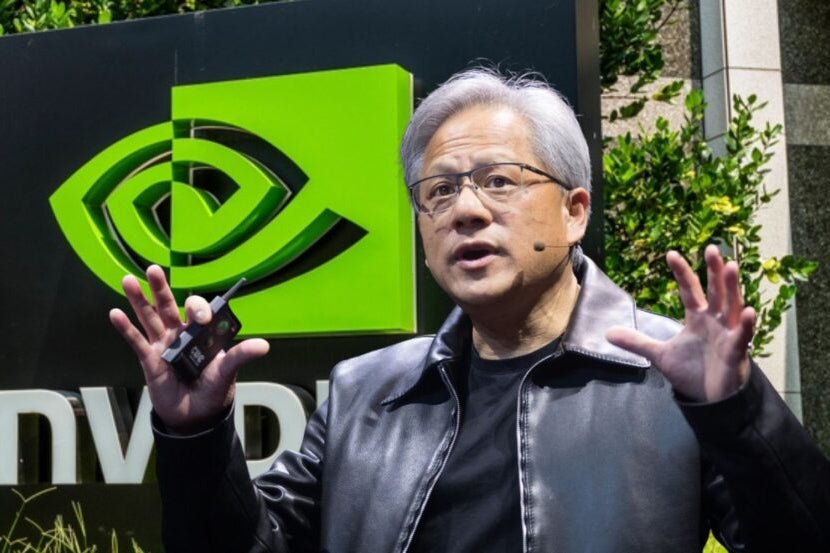
Taiwan Semiconductor Manufacturing Q2 2026 Earnings Preview
- Significant Earnings Growth: TSMC's Q1 2026 revenue surged over 35% year-over-year to $35.9 billion, with gross margin expanding to 66.2%, indicating strong pricing power and a competitive edge in the semiconductor industry.
- Optimistic Market Outlook: The company anticipates over 30% revenue growth for the full year 2026, with a market cap surpassing $2 trillion as of June 4; despite a forward P/E ratio around 27 and a price-to-sales ratio slightly above 17, the stock appears undervalued and suitable for long-term holding.
- Revenue Volatility Risks: Although TSMC achieved record revenue in March, April saw a slowdown, and potential declines in May sales could drive stock prices down, presenting a buying opportunity for long-term investors, reflecting market confidence in the company's future.
- Geopolitical Risks: TSMC faces risks from rising U.S.-China tensions and a concentrated customer base, with Nvidia and Apple accounting for approximately 40% of its revenue, which could impact the macroeconomic landscape; however, the long-term outlook remains positive, bolstered by a 28% increase in the 2026 dividend.
See More

Jim Cramer Increases Intel Holdings Amid Market Pressure


- Increased Holdings: Jim Cramer's Charitable Trust purchased 100 shares of Intel at approximately $103 each, raising its total holdings to 500 shares and increasing the portfolio weighting from 1.06% to 1.3%, reflecting confidence in Intel's future potential.
- Market Pressure: Amid a sharp selloff in tech stocks, Intel's stock fell 8% as the Nasdaq dropped over 2.5%, indicating heightened concerns in the semiconductor sector that could affect investor sentiment.
- Technological Advancements: Under CEO Lip-Bu Tan's leadership, Intel has made significant technological and execution improvements in its CPU business, particularly as data center architectures evolve towards a 1-to-1 CPU-to-GPU ratio, enhancing its competitive position in the market.
- Manufacturing Potential: While Taiwan Semiconductor remains the gold standard in chipmaking, Intel has the opportunity to attract new foundry customers due to TSMC operating near full capacity, allowing Intel to expand its chip manufacturing business to meet the growing demand for advanced chips.
See More

Midterm Elections May Impact AI Stock Performance
- Election Outlook Impact: As the U.S. midterm elections approach, investor enthusiasm for AI-related stocks may wane, particularly with Democrats expected to regain at least the House of Representatives, potentially hindering policy advancement and affecting market confidence.
- Increased Market Volatility: Historical data indicates that the S&P 500 typically sees an average decline of 3.87% in the second and third quarters of midterm election years, while the Russell 2000 averages a 9.12% drop, suggesting heightened volatility risks during election periods.
- Sector Impact Analysis: A Democratic sweep could negatively affect sectors like data centers, finance, and defense, with data center REITs benefiting from pricing power under a divided government, while a Republican win may facilitate easier permitting and energy access.
- Defense Budget Concerns: A Democratic Congress may be skeptical about significantly increasing the defense budget, which poses a key concern for investors, as defense spending is more likely to rise under Republican control, impacting related stock performance.
See More
TSMC CEO: AI Chip Demand to Outpace Supply for Years
- AI Chip Demand Forecast: TSMC CEO C.C. Wei indicated that demand for AI chips will likely exceed global supply for years, creating favorable conditions for continued revenue growth, even with new manufacturing capacity in the U.S. unable to meet American customer needs.
- Sales Growth Outlook: Wei reiterated TSMC's forecast for over 30% sales growth this year, highlighting the company's critical role in the global AI industry by supplying cutting-edge semiconductors to clients like Nvidia and AMD.
- Employee Bonus Increase: In response to demands for profit sharing from the AI boom, TSMC announced an average bonus increase of over 30% for employees, which not only boosts morale but may also enhance the company's competitive position in the industry.
- Stock Price Volatility Impact: Despite the optimistic outlook, TSMC's shares fell 1% after customer Broadcom provided a disappointing forecast, indicating market sensitivity to short-term fluctuations that could affect investor confidence.
See More
TSMC CEO: AI Chip Demand Will Outpace Supply for Years
- Capacity Bottleneck: TSMC CEO C.C. Wei stated at the shareholder meeting that despite AI chip demand outpacing supply, the company will still be unable to meet American customer demands even after its U.S. manufacturing facilities become operational, indicating that production capacity constraints will impact market supply.
- Land Acquisition Strategy: The two plots of land acquired in Arizona are expected to satisfy TSMC's needs for the next decade, reflecting the company's strategic positioning to expand manufacturing capabilities to meet multi-year customer demand.
- Price Stability Strategy: Despite the supply-demand gap, Wei emphasized that TSMC will refrain from sudden price increases to maintain business stability, a strategy that may affect the company's pricing power in a highly competitive market.
- Investment Expansion: Under the U.S.-Taiwan trade pact, TSMC envisions building at least four more chipmaking plants on top of the six already planned, with total investments expected to reach $165 billion, demonstrating the company's strong confidence in future market demand.
See More
Taiwan Semiconductor Stock Rises 45% Year-to-Date on Record Revenue
- Significant Earnings Growth: TSMC's first-quarter revenue surged over 35% year-over-year to $35.9 billion, with gross margins expanding to 66.2%, indicating strong pricing power that further solidifies its leadership in the semiconductor industry.
- Stable Market Share: Controlling over 70% of the global semiconductor foundry market, TSMC's core market position is expected to remain unaffected despite geopolitical risks, with anticipated full-year revenue growth exceeding 30%.
- Strong Stock Performance: As of June 4, TSMC's market cap surpassed $2 trillion, and although its forward P/E ratio is around 27 and price-to-sales ratio slightly above 17, analysts believe the stock is not overvalued, making it a potential buy for investors.
- Attractive Dividend Growth: The 28% increase in the 2026 dividend enhances investment appeal, and while TSMC was not recommended as a top investment by The Motley Fool, its long-term outlook remains positive, making it suitable for patient investors.
See More
Taiwan Semiconductor Manufacturing Q2 2026 Earnings Preview
- Significant Earnings Growth: TSMC's Q1 2026 revenue surged over 35% year-over-year to $35.9 billion, with gross margin expanding to 66.2%, indicating strong pricing power and a competitive edge in the semiconductor industry.
- Optimistic Market Outlook: The company anticipates over 30% revenue growth for the full year 2026, with a market cap surpassing $2 trillion as of June 4; despite a forward P/E ratio around 27 and a price-to-sales ratio slightly above 17, the stock appears undervalued and suitable for long-term holding.
- Revenue Volatility Risks: Although TSMC achieved record revenue in March, April saw a slowdown, and potential declines in May sales could drive stock prices down, presenting a buying opportunity for long-term investors, reflecting market confidence in the company's future.
- Geopolitical Risks: TSMC faces risks from rising U.S.-China tensions and a concentrated customer base, with Nvidia and Apple accounting for approximately 40% of its revenue, which could impact the macroeconomic landscape; however, the long-term outlook remains positive, bolstered by a 28% increase in the 2026 dividend.
See More
Jim Cramer Increases Intel Holdings Amid Market Pressure
- Increased Holdings: Jim Cramer's Charitable Trust purchased 100 shares of Intel at approximately $103 each, raising its total holdings to 500 shares and increasing the portfolio weighting from 1.06% to 1.3%, reflecting confidence in Intel's future potential.
- Market Pressure: Amid a sharp selloff in tech stocks, Intel's stock fell 8% as the Nasdaq dropped over 2.5%, indicating heightened concerns in the semiconductor sector that could affect investor sentiment.
- Technological Advancements: Under CEO Lip-Bu Tan's leadership, Intel has made significant technological and execution improvements in its CPU business, particularly as data center architectures evolve towards a 1-to-1 CPU-to-GPU ratio, enhancing its competitive position in the market.
- Manufacturing Potential: While Taiwan Semiconductor remains the gold standard in chipmaking, Intel has the opportunity to attract new foundry customers due to TSMC operating near full capacity, allowing Intel to expand its chip manufacturing business to meet the growing demand for advanced chips.
See More
Midterm Elections May Impact AI Stock Performance
- Election Outlook Impact: As the U.S. midterm elections approach, investor enthusiasm for AI-related stocks may wane, particularly with Democrats expected to regain at least the House of Representatives, potentially hindering policy advancement and affecting market confidence.
- Increased Market Volatility: Historical data indicates that the S&P 500 typically sees an average decline of 3.87% in the second and third quarters of midterm election years, while the Russell 2000 averages a 9.12% drop, suggesting heightened volatility risks during election periods.
- Sector Impact Analysis: A Democratic sweep could negatively affect sectors like data centers, finance, and defense, with data center REITs benefiting from pricing power under a divided government, while a Republican win may facilitate easier permitting and energy access.
- Defense Budget Concerns: A Democratic Congress may be skeptical about significantly increasing the defense budget, which poses a key concern for investors, as defense spending is more likely to rise under Republican control, impacting related stock performance.
See More