Boston Dynamics' Atlas Robot Prepares for Practical Applications
Written by Emily J. Thompson, Senior Investment Analyst
Updated: Jan 06 2026
0mins
Should l Buy GOOG?
Source: Barron's
- Company Background: Boston Dynamics has been a leader in robotics since its founding in 1992.
- Monetization Strategy: The company has announced its most ambitious plan to monetize its extensive research and development in robotics.
Trade with 70% Backtested Accuracy
Stop guessing "Should I Buy GOOG?" and start using high-conviction signals backed by rigorous historical data.
Sign up today to access powerful investing tools and make smarter, data-driven decisions.
Analyst Views on GOOG
Wall Street analysts forecast GOOG stock price to rise
15 Analyst Rating
14 Buy
1 Hold
0 Sell
Strong Buy
Current: 313.030

Low
255.00
Averages
336.08
High
400.00
Current: 313.030
Low
255.00
Averages
336.08
High
400.00
About GOOG
Alphabet Inc. is a holding company. The Company's segments include Google Services, Google Cloud, and Other Bets. The Google Services segment includes products and services such as ads, Android, Chrome, devices, Google Maps, Google Play, Search, and YouTube. The Google Cloud segment includes infrastructure and platform services, collaboration tools, and other services for enterprise customers. Its Other Bets segment is engaged in the sale of healthcare-related services and Internet services. Its Google Cloud provides enterprise-ready cloud services, including Google Cloud Platform and Google Workspace. Google Cloud Platform provides access to solutions such as artificial intelligence (AI) offerings, including its AI infrastructure, Vertex AI platform, and Gemini for Google Cloud; cybersecurity, and data and analytics. Google Workspace includes cloud-based communication and collaboration tools for enterprises, such as Calendar, Gmail, Docs, Drive, and Meet.
About the author

Emily J. Thompson
Emily J. Thompson, a Chartered Financial Analyst (CFA) with 12 years in investment research, graduated with honors from the Wharton School. Specializing in industrial and technology stocks, she provides in-depth analysis for Intellectia’s earnings and market brief reports.

Anthropic Rejects New Defense Department Contract Terms


- Contract Clash: Anthropic CEO Dario Amodei stated that the company cannot in good conscience accept the new Defense Department contract terms that allow unrestricted military use of its AI system, Claude, particularly concerning potential mass surveillance of Americans and fully autonomous weapons.
- Defense Department Threats: The Pentagon has threatened to cut off Anthropic's government contract if the company does not comply by the deadline to open its AI models for unrestricted use, labeling it a 'supply chain risk' which could severely impact its future business prospects.
- Public Denial: A Pentagon spokesman asserted that the military has 'no interest in using AI for mass surveillance of Americans' and emphasized the desire to use Anthropic's model for 'all lawful purposes', highlighting the fundamental disagreement between the two parties on contract terms.
- High-Level Confrontation: Under Secretary of War Emil Michael publicly accused Amodei of lying on social media, reiterating that the Defense Department will always adhere to the law and will not bend to the demands of any profit-driven tech company, further escalating tensions between the two sides.
See More
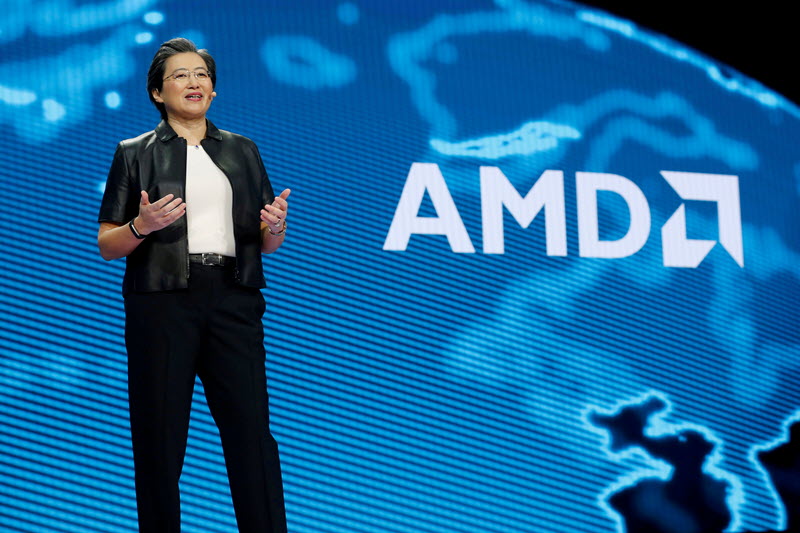
Meta Strikes Multi-Billion Dollar AI Chip Rental Deal with Google


- AI Chip Rental Agreement: Meta has entered a multi-year rental agreement with Google to lease Tensor Processing Units (TPUs) for developing advanced AI models, significantly enhancing Meta's competitive edge in the AI sector.
- Accelerated AI Investment: Recently, Meta has ramped up its AI spending and established a long-term partnership with Nvidia to expand its data centers for AI training and inference, indicating the company's strong commitment to AI infrastructure.
- Google TPU Technology Promotion: Google is positioning its TPUs as an alternative to Nvidia's market-leading GPUs, with TPU sales becoming a crucial part of Google's cloud revenue, showcasing the potential returns on Google's AI investments.
- Stock Price Fluctuations: Meta's shares rose 0.51% during Thursday's regular session but fell 0.70% in after-hours trading, while Alphabet's Class A and C shares also experienced declines, reflecting market caution regarding AI investments.
See More

Musk Envisions a Bright Future for Tesla Amidst Stock Concerns

- Future Development Plans: Musk emphasized in a recent interview that Tesla will launch several new initiatives over the next five to ten years, including the Optimus humanoid robot, CyberCab production, and battery manufacturing, showcasing the company's ambitions in autonomous driving and robotics.
- Lagging Stock Performance: Future Fund's Gary Black noted that Tesla's stock has only risen 81% over the past five years, significantly trailing the Nasdaq's 94% increase, reflecting a cautious market sentiment regarding its future growth potential.
- Slow Progress in Autonomy: Despite Musk's confidence in Tesla's autonomous driving prospects, observations from Jefferies indicate that Tesla's robotaxi fleet still requires safety monitoring, suggesting that its fully autonomous business model is not yet fully developed.
- Cybertruck Demand Challenges: The recently introduced lower-priced $59,990 Cybertruck variant faces uneven demand, with only 50,850 units sold in 2025, indicating that market acceptance of this model is below expectations, which could impact future production plans.
See More

Cramer: Nvidia's Stock Slide Creates Buying Opportunities

- Earnings Reaction: Despite Nvidia's fourth-quarter revenue beating expectations and providing an optimistic outlook, its stock fell 5.46% on Thursday, reflecting market concerns over customer cash flows and a lack of revenue from China.
- Institutional Selling Impact: Cramer pointed out that Nvidia's stock decline was driven by institutional selling, which actually created opportunities for investors to buy quality stocks at discounted prices, highlighting irrational market fluctuations.
- Market Rotation Phenomenon: Cramer noted that despite Nvidia's stellar performance, there was a rotation of funds from winners to losers, indicating that large investors were reconfiguring their portfolios, which affected overall market sentiment.
- Investor Sentiment Analysis: Cramer emphasized that investors should not view a single day's market performance as a comprehensive judgment on a company's fundamentals, but rather focus on short-term fluctuations and the trends of large capital flows.
See More
Google's New Image Generation Tool Threatens Adobe


- Increased Market Competition: Google's introduction of Nano Banana 2 in its Gemini app offers 'Pro'-grade image quality, potentially directly impacting Adobe's Creative Cloud, particularly in the image generation sector.
- Pressure from Free Alternatives: Google's free high-quality image generation tool could weaken demand for Adobe Firefly, leading to a slowdown in growth for its Digital Media segment and possibly necessitating increased investment in AI to maintain competitiveness.
- Impact on Figma's Business: Figma's browser-based design suite may face challenges as users can generate images and layouts for free in Gemini, potentially leading to a loss of paid users for Figma and forcing it to lower prices or increase spending on proprietary models.
- Market Reaction: Adobe's stock rose 0.48% to $259.04 on Thursday, while Figma's stock fell 3.27% to $30.22, reflecting differing market perceptions of the two companies' futures.
See More
Tesla's Robotaxi Performance Falls Short Despite Discounts
- Tesla vs. Uber Comparison: In tests conducted in Austin, Tesla's robotaxis, despite offering a substantial 60% discount, failed to outperform Uber, highlighting its competitive disadvantages in the market.
- Ride Experience Issues: Tesla's autonomous vehicles faced significantly longer wait times and took suboptimal routes during pickups and drop-offs, resulting in extended average trip times that negatively impacted user experience and satisfaction.
- Safety Monitoring Status: Although Tesla has introduced full self-driving technology in its robotaxis, the majority still require a safety monitor in the front seat, raising concerns about its valuation, particularly given that its autonomous capabilities are not yet fully realized.
- Market Outlook Analysis: Analysts noted that current autonomous vehicle strategies rely on novelty and lower pricing to attract users, which are unsustainable factors that may lead to greater market challenges ahead, suggesting a hybrid model that combines both AVs and human drivers to enhance user experience.
See More
Anthropic Rejects New Defense Department Contract Terms
- Contract Clash: Anthropic CEO Dario Amodei stated that the company cannot in good conscience accept the new Defense Department contract terms that allow unrestricted military use of its AI system, Claude, particularly concerning potential mass surveillance of Americans and fully autonomous weapons.
- Defense Department Threats: The Pentagon has threatened to cut off Anthropic's government contract if the company does not comply by the deadline to open its AI models for unrestricted use, labeling it a 'supply chain risk' which could severely impact its future business prospects.
- Public Denial: A Pentagon spokesman asserted that the military has 'no interest in using AI for mass surveillance of Americans' and emphasized the desire to use Anthropic's model for 'all lawful purposes', highlighting the fundamental disagreement between the two parties on contract terms.
- High-Level Confrontation: Under Secretary of War Emil Michael publicly accused Amodei of lying on social media, reiterating that the Defense Department will always adhere to the law and will not bend to the demands of any profit-driven tech company, further escalating tensions between the two sides.
See More
Meta Strikes Multi-Billion Dollar AI Chip Rental Deal with Google
- AI Chip Rental Agreement: Meta has entered a multi-year rental agreement with Google to lease Tensor Processing Units (TPUs) for developing advanced AI models, significantly enhancing Meta's competitive edge in the AI sector.
- Accelerated AI Investment: Recently, Meta has ramped up its AI spending and established a long-term partnership with Nvidia to expand its data centers for AI training and inference, indicating the company's strong commitment to AI infrastructure.
- Google TPU Technology Promotion: Google is positioning its TPUs as an alternative to Nvidia's market-leading GPUs, with TPU sales becoming a crucial part of Google's cloud revenue, showcasing the potential returns on Google's AI investments.
- Stock Price Fluctuations: Meta's shares rose 0.51% during Thursday's regular session but fell 0.70% in after-hours trading, while Alphabet's Class A and C shares also experienced declines, reflecting market caution regarding AI investments.
See More
Musk Envisions a Bright Future for Tesla Amidst Stock Concerns
- Future Development Plans: Musk emphasized in a recent interview that Tesla will launch several new initiatives over the next five to ten years, including the Optimus humanoid robot, CyberCab production, and battery manufacturing, showcasing the company's ambitions in autonomous driving and robotics.
- Lagging Stock Performance: Future Fund's Gary Black noted that Tesla's stock has only risen 81% over the past five years, significantly trailing the Nasdaq's 94% increase, reflecting a cautious market sentiment regarding its future growth potential.
- Slow Progress in Autonomy: Despite Musk's confidence in Tesla's autonomous driving prospects, observations from Jefferies indicate that Tesla's robotaxi fleet still requires safety monitoring, suggesting that its fully autonomous business model is not yet fully developed.
- Cybertruck Demand Challenges: The recently introduced lower-priced $59,990 Cybertruck variant faces uneven demand, with only 50,850 units sold in 2025, indicating that market acceptance of this model is below expectations, which could impact future production plans.
See More
Cramer: Nvidia's Stock Slide Creates Buying Opportunities
- Earnings Reaction: Despite Nvidia's fourth-quarter revenue beating expectations and providing an optimistic outlook, its stock fell 5.46% on Thursday, reflecting market concerns over customer cash flows and a lack of revenue from China.
- Institutional Selling Impact: Cramer pointed out that Nvidia's stock decline was driven by institutional selling, which actually created opportunities for investors to buy quality stocks at discounted prices, highlighting irrational market fluctuations.
- Market Rotation Phenomenon: Cramer noted that despite Nvidia's stellar performance, there was a rotation of funds from winners to losers, indicating that large investors were reconfiguring their portfolios, which affected overall market sentiment.
- Investor Sentiment Analysis: Cramer emphasized that investors should not view a single day's market performance as a comprehensive judgment on a company's fundamentals, but rather focus on short-term fluctuations and the trends of large capital flows.
See More
Google's New Image Generation Tool Threatens Adobe
- Increased Market Competition: Google's introduction of Nano Banana 2 in its Gemini app offers 'Pro'-grade image quality, potentially directly impacting Adobe's Creative Cloud, particularly in the image generation sector.
- Pressure from Free Alternatives: Google's free high-quality image generation tool could weaken demand for Adobe Firefly, leading to a slowdown in growth for its Digital Media segment and possibly necessitating increased investment in AI to maintain competitiveness.
- Impact on Figma's Business: Figma's browser-based design suite may face challenges as users can generate images and layouts for free in Gemini, potentially leading to a loss of paid users for Figma and forcing it to lower prices or increase spending on proprietary models.
- Market Reaction: Adobe's stock rose 0.48% to $259.04 on Thursday, while Figma's stock fell 3.27% to $30.22, reflecting differing market perceptions of the two companies' futures.
See More
Tesla's Robotaxi Performance Falls Short Despite Discounts
- Tesla vs. Uber Comparison: In tests conducted in Austin, Tesla's robotaxis, despite offering a substantial 60% discount, failed to outperform Uber, highlighting its competitive disadvantages in the market.
- Ride Experience Issues: Tesla's autonomous vehicles faced significantly longer wait times and took suboptimal routes during pickups and drop-offs, resulting in extended average trip times that negatively impacted user experience and satisfaction.
- Safety Monitoring Status: Although Tesla has introduced full self-driving technology in its robotaxis, the majority still require a safety monitor in the front seat, raising concerns about its valuation, particularly given that its autonomous capabilities are not yet fully realized.
- Market Outlook Analysis: Analysts noted that current autonomous vehicle strategies rely on novelty and lower pricing to attract users, which are unsustainable factors that may lead to greater market challenges ahead, suggesting a hybrid model that combines both AVs and human drivers to enhance user experience.
See More