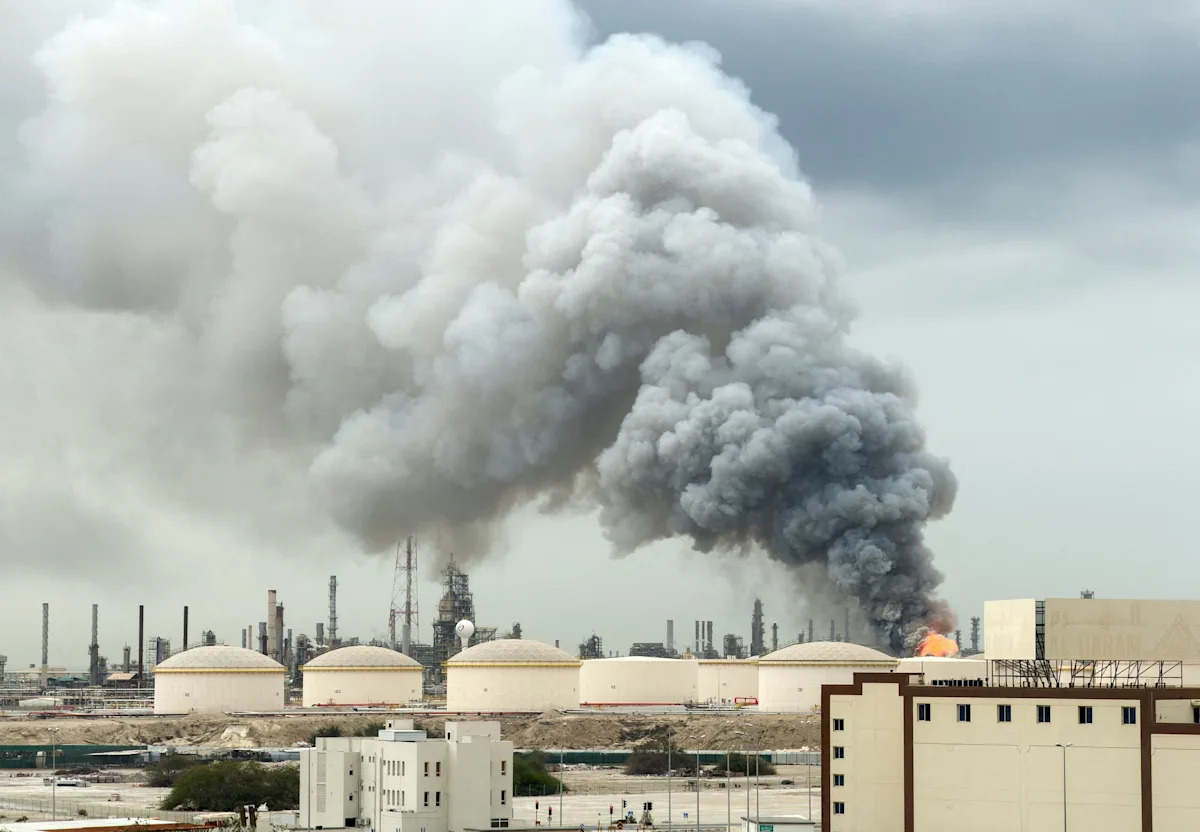
Boeing's 737 MAX Financial Performance Falls Short
Written by Emily J. Thompson, Senior Investment Analyst
Updated: 2 days ago
0mins
Should l Buy BA?
Source: Fool
- Poor Financial Performance: Since its delivery in 2017, Boeing's 737 MAX has failed to meet the financial expectations set by management, with safety and quality issues, along with poor defense execution, contributing to significant strategic risks for the company.
- Need for New Aircraft Development: CEO Kelly Ortberg clearly stated during his first earnings call in October 2024 that there is a need to develop a new aircraft to replace the 737 MAX, although this process will require substantial preliminary work.
- High Development Costs: The former CEO indicated that developing a new aircraft could cost as much as $50 billion, and the insufficient cash flow from the 737 MAX raises concerns among investors regarding Boeing's ability to finance this investment.
- Heavy Debt Burden: Boeing is projected to carry $5.9 billion in net debt by 2028, and while free cash flow generation is expected to resume between 2026 and 2028, it will not be enough to fully pay down the debt accumulated during the grounding of the 737 MAX and the COVID-19 lockdowns.
Trade with 70% Backtested Accuracy
Stop guessing "Should I Buy BA?" and start using high-conviction signals backed by rigorous historical data.
Sign up today to access powerful investing tools and make smarter, data-driven decisions.
Analyst Views on BA
Wall Street analysts forecast BA stock price to rise
16 Analyst Rating
14 Buy
1 Hold
1 Sell
Strong Buy
Current: 210.000

Low
150.00
Averages
269.14
High
298.00
Current: 210.000
Low
150.00
Averages
269.14
High
298.00
About BA
The Boeing Company is an aerospace company. Its segments include Commercial Airplanes (BCA), Defense, Space & Security (BDS), and Global Services (BGS). Its BCA segment develops, produces and markets commercial jet aircraft principally for the commercial airline industry worldwide. Its family of commercial jet aircraft in production includes the 737 narrow-body model and the 767, 777 and 787 wide-body models. Its BDS segment is engaged in the research, development, production and modification of manned and unmanned military aircraft and weapons systems for strike, surveillance and mobility. Its BGS segment provides services to its commercial and defense customers worldwide. It sustains aerospace platforms and systems with a range of products and services, including supply chain and logistics management, engineering, maintenance and modifications, upgrades and conversions, spare parts, pilot and maintenance training systems and services, technical and maintenance documents, and others.
About the author

Emily J. Thompson
Emily J. Thompson, a Chartered Financial Analyst (CFA) with 12 years in investment research, graduated with honors from the Wharton School. Specializing in industrial and technology stocks, she provides in-depth analysis for Intellectia’s earnings and market brief reports.

Boeing Faces Execution Challenges Despite Significant Potential

- Backlog Supports Growth: Boeing currently has a $682 billion backlog, with over $560 billion from Boeing Commercial Airplanes, which provides strong support for future growth, although delivery improvements will take time to realize.
- Cash Flow Outlook: CFO Jesus Malave expects Boeing to generate $1 billion to $3 billion in free cash flow by 2026, and while this target is deemed 'very obtainable', investors need to see sustained good execution to rebuild confidence.
- Underperformance in Market: Since the earnings report on January 27, Boeing's stock has notably underperformed the S&P 500 index, reflecting market concerns about its execution capabilities, especially at a critical juncture for 737 MAX deliveries.
- Internal Execution Issues: Boeing faces free cash flow constraints due to internal execution factors, particularly in its Defense, Space & Security division, and investors are looking for blemish-free quarterly reports without major losses or delivery delays to restore trust in the company.
See More

Boeing Delivers ViaSat-3 Satellite, Expanding Asia-Pacific Communications Coverage
- Program Milestone: Boeing successfully delivered the ViaSat-3 Flight 3 satellite on Tuesday, marking a key step in its plan to expand high-capacity communications coverage in the Asia-Pacific region, which is expected to significantly enhance connectivity in the area.
- Satellite Design: The ViaSat-3 F3 satellite is designed to support commercial mobility, government, and defense users in high-density markets across Asia-Pacific, utilizing Boeing's 702MP+ platform that allows for larger payloads and higher power output to meet market demands.
- Launch Preparations: The satellite will undergo pre-launch processing at Cape Canaveral Space Force Station in Florida, with a launch planned aboard a SpaceX Falcon Heavy rocket, as Boeing and Viasat continue to collaborate to ensure successful orbital deployment.
- Market Demand: Once operational, the ViaSat-3 F3 satellite will complete the constellation's geographic reach, addressing the growing demand for satellite-based connectivity in the Asia-Pacific region, thereby strengthening Boeing's position in the global communications market.
See More

Trump Reaffirms Tough Stance on Iran Amid Fragile Ceasefire


- Military Deployment Continues: Trump stated that U.S. military forces will remain deployed in and around Iran until Tehran fully complies with what he calls the 'real agreement', indicating a sustained U.S. military presence in the Middle East that may escalate regional tensions.
- Escalating Threats to Iran: Trump warned that any breach of the agreement would trigger a military response larger than ever seen before, which could raise market concerns about potential disruptions in energy supplies, thereby affecting oil price volatility.
- Strained NATO Relations: Trump criticized NATO for not supporting the U.S. when needed, highlighting a deterioration in relations with traditional allies that could impact future international cooperation and security policies.
- Iran Accuses U.S. of Violating Agreement: Iran's parliamentary speaker accused the U.S. of violating the two-week ceasefire agreement, citing actions such as Israeli attacks on Lebanon, which could further deteriorate U.S.-Iran relations and affect global market stability.
See More
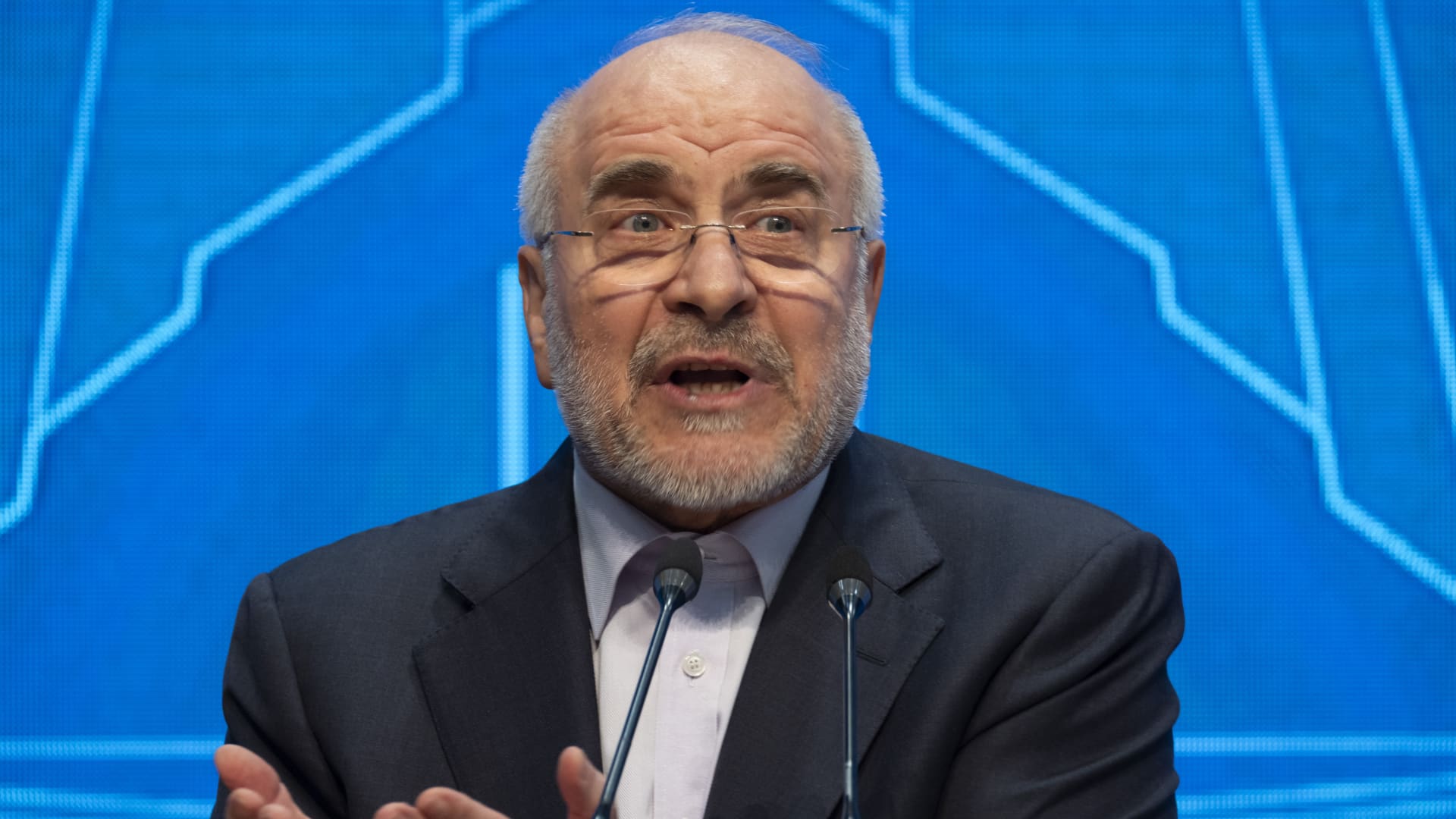
Fragile Ceasefire Agreement Between U.S. and Iran Raises Market Concerns
- Fragile Ceasefire: Just a day after the U.S.-Iran ceasefire was announced, Iranian parliamentary speaker Mohammad Bagher Ghalibaf accused the U.S. of violating three key terms, leading to a loss of market confidence and potential disruptions in global energy supply chains.
- Market Reaction: The ceasefire initially triggered a relief rally across global markets; however, following Iran's accusations, Brent crude and U.S. West Texas Intermediate futures rose in Asian trading, indicating market uncertainty about future developments.
- Strait of Hormuz Traffic: Although the ceasefire agreement mandates the reopening of the Strait of Hormuz to normal shipping traffic, actual vessel traffic remains low, raising concerns about energy supply and further contributing to oil price volatility.
- Fed Policy Signals: Minutes from the Federal Reserve's latest meeting indicate that officials still expect to lower interest rates this year, providing additional support for risk assets, but escalating geopolitical risks could undermine this outlook.
See More

Boeing's Significant Growth Potential Backed by $682 Billion Backlog
- Strong Backlog: Boeing currently boasts a $682 billion backlog, with over $560 billion attributed to its Commercial Airplanes division, which provides robust support for future growth and indicates the company's competitive strength in the aviation market.
- 737 MAX Delivery Acceleration: Boeing plans to ramp up deliveries of the 737 MAX in 2026, which not only aids in improving cash flow but could also drive stock price increases, despite the challenges faced in past performance.
- Cash Flow Outlook: CFO Jesus Malave expects Boeing to generate between $1 billion and $3 billion in free cash flow by 2026; while current cash flow is impacted by temporary factors, the company has the potential to achieve higher cash flow targets in the future.
- Internal Execution Challenges: Key issues facing Boeing include certification delays for the 777X and customer compensation for prior delays on the 737 MAX and 787 programs, which may affect cash flow performance, necessitating cautious evaluation from investors regarding future performance.
See More

U.S.-Iran Ceasefire Agreement Sparks Positive Market Reaction

- Ceasefire Agreement Reached: President Trump announced a two-week ceasefire with Iran, leading to a positive market reaction as equity markets surged, particularly with Dow futures gaining over 1,000 points, indicating strong investor optimism.
- Oil Prices Plummet: Following the ceasefire announcement, both Brent and WTI crude oil prices fell below $100 per barrel, reflecting market expectations for reduced geopolitical tensions and potentially stabilizing the global energy market.
- Middle Eastern Alerts Triggered: Despite the ceasefire taking effect, several Middle Eastern countries reported missile and drone launches from Iran, prompting air defense systems to activate across the Gulf, highlighting the ongoing complexities and uncertainties in the region.
- Israel's Firm Stance: Israeli Prime Minister Netanyahu stated that the ceasefire would not apply to Lebanon, emphasizing Israel's security interests in the region, which could influence future diplomatic negotiations and regional stability.
See More
Boeing Faces Execution Challenges Despite Significant Potential
- Backlog Supports Growth: Boeing currently has a $682 billion backlog, with over $560 billion from Boeing Commercial Airplanes, which provides strong support for future growth, although delivery improvements will take time to realize.
- Cash Flow Outlook: CFO Jesus Malave expects Boeing to generate $1 billion to $3 billion in free cash flow by 2026, and while this target is deemed 'very obtainable', investors need to see sustained good execution to rebuild confidence.
- Underperformance in Market: Since the earnings report on January 27, Boeing's stock has notably underperformed the S&P 500 index, reflecting market concerns about its execution capabilities, especially at a critical juncture for 737 MAX deliveries.
- Internal Execution Issues: Boeing faces free cash flow constraints due to internal execution factors, particularly in its Defense, Space & Security division, and investors are looking for blemish-free quarterly reports without major losses or delivery delays to restore trust in the company.
See More
Boeing Delivers ViaSat-3 Satellite, Expanding Asia-Pacific Communications Coverage
- Program Milestone: Boeing successfully delivered the ViaSat-3 Flight 3 satellite on Tuesday, marking a key step in its plan to expand high-capacity communications coverage in the Asia-Pacific region, which is expected to significantly enhance connectivity in the area.
- Satellite Design: The ViaSat-3 F3 satellite is designed to support commercial mobility, government, and defense users in high-density markets across Asia-Pacific, utilizing Boeing's 702MP+ platform that allows for larger payloads and higher power output to meet market demands.
- Launch Preparations: The satellite will undergo pre-launch processing at Cape Canaveral Space Force Station in Florida, with a launch planned aboard a SpaceX Falcon Heavy rocket, as Boeing and Viasat continue to collaborate to ensure successful orbital deployment.
- Market Demand: Once operational, the ViaSat-3 F3 satellite will complete the constellation's geographic reach, addressing the growing demand for satellite-based connectivity in the Asia-Pacific region, thereby strengthening Boeing's position in the global communications market.
See More
Trump Reaffirms Tough Stance on Iran Amid Fragile Ceasefire
- Military Deployment Continues: Trump stated that U.S. military forces will remain deployed in and around Iran until Tehran fully complies with what he calls the 'real agreement', indicating a sustained U.S. military presence in the Middle East that may escalate regional tensions.
- Escalating Threats to Iran: Trump warned that any breach of the agreement would trigger a military response larger than ever seen before, which could raise market concerns about potential disruptions in energy supplies, thereby affecting oil price volatility.
- Strained NATO Relations: Trump criticized NATO for not supporting the U.S. when needed, highlighting a deterioration in relations with traditional allies that could impact future international cooperation and security policies.
- Iran Accuses U.S. of Violating Agreement: Iran's parliamentary speaker accused the U.S. of violating the two-week ceasefire agreement, citing actions such as Israeli attacks on Lebanon, which could further deteriorate U.S.-Iran relations and affect global market stability.
See More
Fragile Ceasefire Agreement Between U.S. and Iran Raises Market Concerns
- Fragile Ceasefire: Just a day after the U.S.-Iran ceasefire was announced, Iranian parliamentary speaker Mohammad Bagher Ghalibaf accused the U.S. of violating three key terms, leading to a loss of market confidence and potential disruptions in global energy supply chains.
- Market Reaction: The ceasefire initially triggered a relief rally across global markets; however, following Iran's accusations, Brent crude and U.S. West Texas Intermediate futures rose in Asian trading, indicating market uncertainty about future developments.
- Strait of Hormuz Traffic: Although the ceasefire agreement mandates the reopening of the Strait of Hormuz to normal shipping traffic, actual vessel traffic remains low, raising concerns about energy supply and further contributing to oil price volatility.
- Fed Policy Signals: Minutes from the Federal Reserve's latest meeting indicate that officials still expect to lower interest rates this year, providing additional support for risk assets, but escalating geopolitical risks could undermine this outlook.
See More
Boeing's Significant Growth Potential Backed by $682 Billion Backlog
- Strong Backlog: Boeing currently boasts a $682 billion backlog, with over $560 billion attributed to its Commercial Airplanes division, which provides robust support for future growth and indicates the company's competitive strength in the aviation market.
- 737 MAX Delivery Acceleration: Boeing plans to ramp up deliveries of the 737 MAX in 2026, which not only aids in improving cash flow but could also drive stock price increases, despite the challenges faced in past performance.
- Cash Flow Outlook: CFO Jesus Malave expects Boeing to generate between $1 billion and $3 billion in free cash flow by 2026; while current cash flow is impacted by temporary factors, the company has the potential to achieve higher cash flow targets in the future.
- Internal Execution Challenges: Key issues facing Boeing include certification delays for the 777X and customer compensation for prior delays on the 737 MAX and 787 programs, which may affect cash flow performance, necessitating cautious evaluation from investors regarding future performance.
See More
U.S.-Iran Ceasefire Agreement Sparks Positive Market Reaction
- Ceasefire Agreement Reached: President Trump announced a two-week ceasefire with Iran, leading to a positive market reaction as equity markets surged, particularly with Dow futures gaining over 1,000 points, indicating strong investor optimism.
- Oil Prices Plummet: Following the ceasefire announcement, both Brent and WTI crude oil prices fell below $100 per barrel, reflecting market expectations for reduced geopolitical tensions and potentially stabilizing the global energy market.
- Middle Eastern Alerts Triggered: Despite the ceasefire taking effect, several Middle Eastern countries reported missile and drone launches from Iran, prompting air defense systems to activate across the Gulf, highlighting the ongoing complexities and uncertainties in the region.
- Israel's Firm Stance: Israeli Prime Minister Netanyahu stated that the ceasefire would not apply to Lebanon, emphasizing Israel's security interests in the region, which could influence future diplomatic negotiations and regional stability.
See More