"Boeing Stock (NYSE:BA) Declines as New Aircraft Set to Replace 737 MAX"
Written by Emily J. Thompson, Senior Investment Analyst
Updated: Sep 30 2025
0mins
Should l Buy BA?
Source: TipRanks
Boeing's Recent Developments: Boeing has begun work on a new single-aisle aircraft to succeed the 737 MAX, but investor response has been lukewarm despite positive news from the FAA and the resolution of legal challenges.
Union Negotiations: Ongoing contract negotiations with a union in St. Louis have stalled, with both sides expressing disappointment over the lack of progress and differing views on the company's offers.
Trade with 70% Backtested Accuracy
Stop guessing "Should I Buy BA?" and start using high-conviction signals backed by rigorous historical data.
Sign up today to access powerful investing tools and make smarter, data-driven decisions.
Analyst Views on BA
Wall Street analysts forecast BA stock price to rise
16 Analyst Rating
14 Buy
1 Hold
1 Sell
Strong Buy
Current: 224.110

Low
150.00
Averages
269.14
High
298.00
Current: 224.110
Low
150.00
Averages
269.14
High
298.00
About BA
The Boeing Company is an aerospace company. Its segments include Commercial Airplanes (BCA), Defense, Space & Security (BDS), and Global Services (BGS). Its BCA segment develops, produces and markets commercial jet aircraft principally for the commercial airline industry worldwide. Its family of commercial jet aircraft in production includes the 737 narrow-body model and the 767, 777 and 787 wide-body models. Its BDS segment is engaged in the research, development, production and modification of manned and unmanned military aircraft and weapons systems for strike, surveillance and mobility. Its BGS segment provides services to its commercial and defense customers worldwide. It sustains aerospace platforms and systems with a range of products and services, including supply chain and logistics management, engineering, maintenance and modifications, upgrades and conversions, spare parts, pilot and maintenance training systems and services, technical and maintenance documents, and others.
About the author

Emily J. Thompson
Emily J. Thompson, a Chartered Financial Analyst (CFA) with 12 years in investment research, graduated with honors from the Wharton School. Specializing in industrial and technology stocks, she provides in-depth analysis for Intellectia’s earnings and market brief reports.
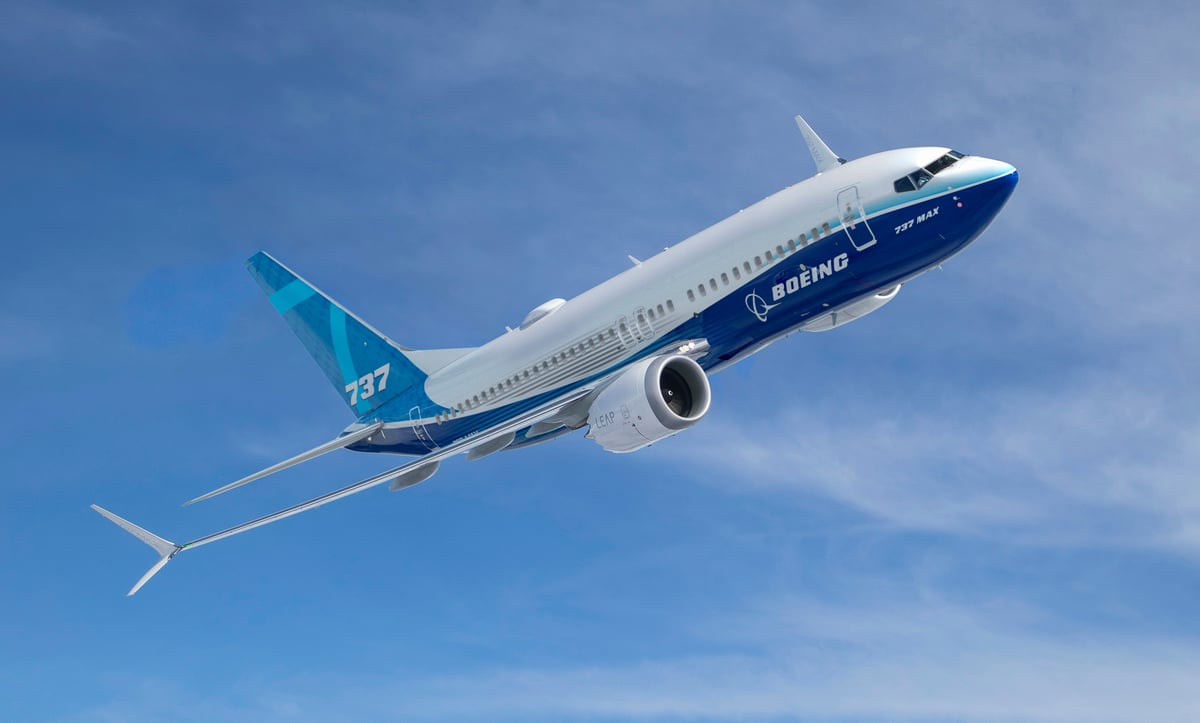
Investment Outlook for Boeing Amid Safety Concerns

- Safety and Quality Challenges: Boeing has faced multiple reports of safety and quality issues in the past six months, including flaws linked to a UPS plane crash, which may undermine investor confidence despite the company's commitment to safety.
- Financial Recovery Signs: After years of losses, Boeing recently reported a 14% year-over-year increase in first-quarter revenue, with its defense, space, and security division seeing a 21% revenue growth, indicating efforts to improve its financial health.
- Backlog and Market Position: Boeing currently boasts a record backlog of $695 billion in orders, maintaining a strong market position as a duopoly player in the aerospace industry, particularly with growing orders from emerging markets like Vietnam and Cambodia, which could drive future revenue.
- High Debt Risk: While Boeing is paying down its $47 billion debt, the high debt level remains a potential risk, especially as navigating quality issues in the complex aircraft manufacturing process could impact the company's long-term profitability.
See More
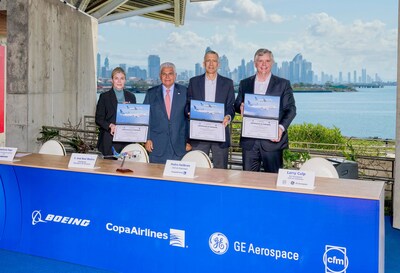
Copa Airlines Expands 737 Fleet with Major Order
- Fleet Expansion Plan: Copa Airlines has signed an agreement with Boeing to order 40 737 MAX airplanes, with options for 20 more, aiming to expand its fleet to over 100 aircraft in the next eight years, significantly enhancing its route network across the Americas and the Caribbean.
- Economic Development Boost: CEO Pedro Heilbron stated that the addition of new aircraft will support economic development in Panama and the surrounding region, creating new jobs and boosting tourism growth, thereby reinforcing its position as a hub in the Americas.
- Operational Efficiency Improvement: The introduction of the new aircraft will enable Copa Airlines to leverage the efficiency, range, and capacity of the 737 MAX, optimizing operations for both short and long-haul flights and enhancing its competitive edge in the market.
- Long-term Partnership: This order continues the 40-year partnership between Copa and Boeing, with Boeing CEO Stephanie Pope emphasizing that the additional 737 MAX aircraft will help Copa maintain one of the world's youngest and most capable fleets, further solidifying Panama's status as a key destination for business and tourism.
See More

Bangladesh to Sign Aircraft Deal with Boeing
- Deal Signing: Bangladesh is set to sign a deal on Thursday to purchase 14 aircraft from Boeing, marking a strategic shift towards Boeing amid trade pressures, aimed at modernizing Biman Bangladesh Airlines' fleet to meet rising demand.
- Fleet Expansion Context: The agreement will provide a mix of narrow-body and wide-body aircraft for Biman, although the deal's value remains undisclosed; this move reflects Bangladesh's intent to enhance its competitive position in South Asia's aviation market.
- Trade Considerations: This decision not only addresses fleet requirements but also aims to alleviate a $6 billion trade imbalance with the U.S., avoiding potential tariff increases that could adversely affect its export-driven economy, particularly the garment sector.
- Infrastructure Upgrades: The fleet expansion coincides with broader upgrades to Bangladesh's aviation infrastructure, including a new terminal at Dhaka airport, designed to accommodate increasing passenger traffic driven by a growing middle class and a substantial overseas workforce.
See More
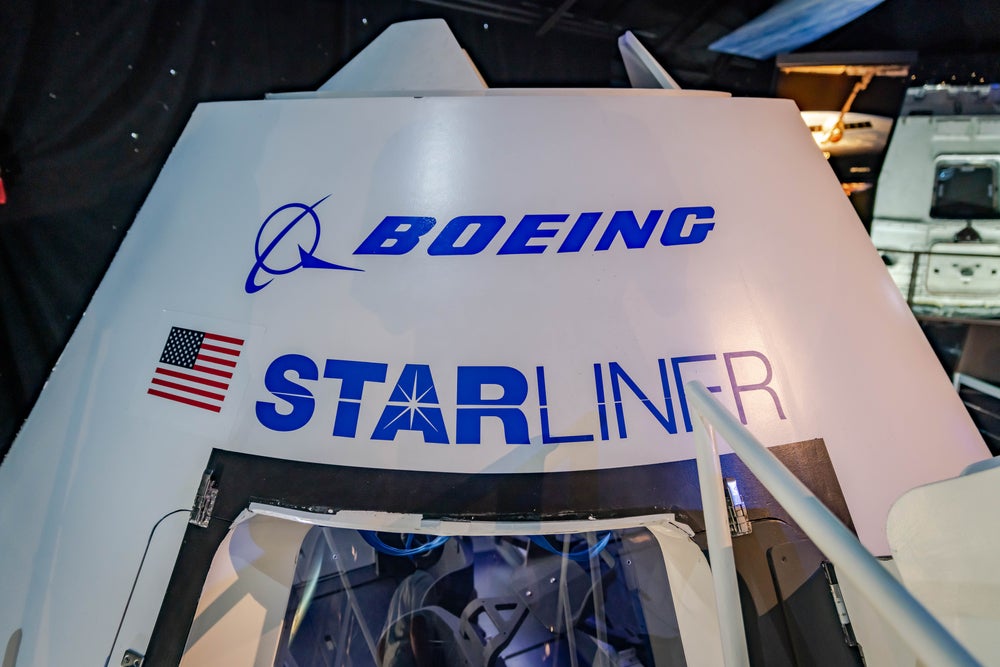
Strategic Shift in Rare Earth Alloy Market

- Supply Chain Restructuring: REalloys (ALOY) focuses on bringing the rare earth alloy supply chain back to the U.S., aiming to meet the Pentagon's ban on Chinese-origin materials by 2027, thereby ensuring the security and independence of the defense supply chain.
- Market Price Fluctuations: Rare earth metal prices rebounded to $130-150/kg by mid-2024, reflecting strong demand for rare earth materials, particularly in the production of high-performance permanent magnets, which directly impacts the production capabilities of defense and EV industries.
- Heavy Rare Earth Production Capacity: REalloys partners with the Saskatchewan Research Council to achieve an initial production of 525 tonnes of NdPr metal by early 2027, scaling up to 3,500 tonnes, positioning itself as one of North America's largest heavy rare earth producers and significantly enhancing U.S. competitiveness in the global rare earth market.
- High Demand Drives Profit Growth: With rare earth metals priced at $1,200-1,500/kg in the U.S. market, REalloys' business model shifts from mere production to delivering high-value non-China materials, expected to substantially increase the company's profitability and market share.
See More
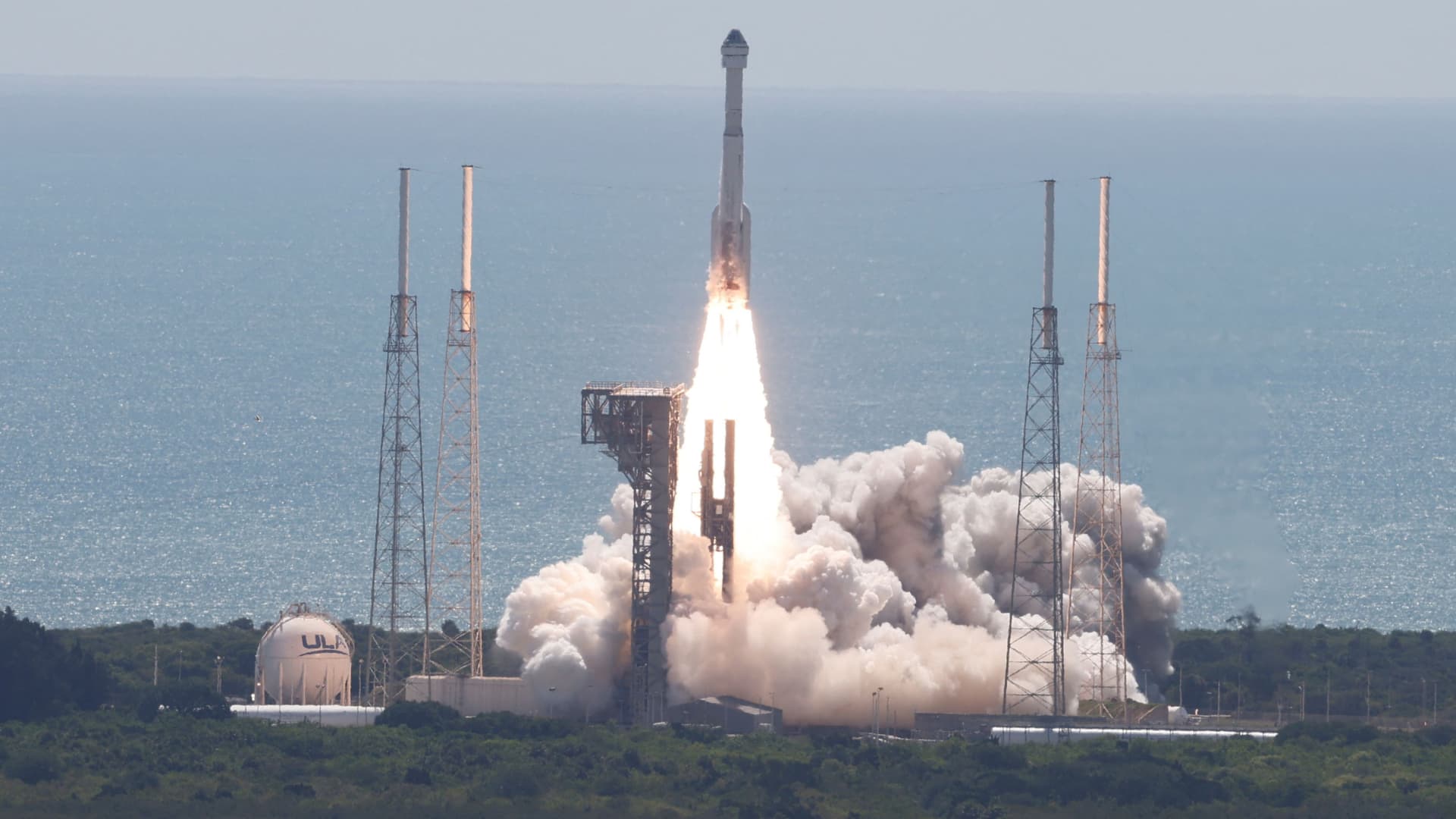
Urgency and Opportunities in the Rare Earth Alloy Market


- Dependence on Rare Earth Alloys: The U.S. defense systems' reliance on rare earth alloys is critical; if Chinese materials were to vanish, Lockheed Martin's F-35 production line would come to a complete halt, highlighting the vulnerability in key material sourcing.
- Strategic Positioning of REalloys: REalloys is focused on bringing the rare earth alloy supply chain back to the U.S., aiming for domestic production by 2027 to meet the Pentagon's demand for non-China materials, which is expected to significantly enhance its market position.
- Price Fluctuations and Market Opportunities: Rare earth metal prices fell to $60–70/kg by mid-2024 but have since rebounded to $130–150/kg as demand returns, indicating market tightness and the profit potential for REalloys.
- Government Support and Collaboration: REalloys has partnered with the Saskatchewan Research Council, securing over CAD 216 million in funding, with plans to initiate Phase 1 production in early 2027, positioning itself as one of North America's largest heavy rare earth metal suppliers.
See More

GE Vernova Surpasses GE Aerospace for First Time

- Market Capitalization Milestone: GE Vernova has surpassed GE Aerospace in market capitalization for the first time, reaching approximately $290 billion, indicating strong growth in its power and electrification sectors and showcasing its successful transformation in renewable energy.
- Significant Order Growth: The HA turbine orders for GE Vernova in 2025 are over four times those in 2018, reflecting a surge in demand for power from AI data centers, which further solidifies its market leadership.
- Exceptional Management Performance: Scott Strazik's successful turnaround of GE Power services and positioning of GE Vernova highlights his outstanding management capabilities, combined with GE Aerospace's technological advantages, benefiting both companies during the industry recovery.
- Optimistic Outlook: While the conflict in Iran hampers GE Aerospace's growth prospects, GE Vernova has raised its full-year revenue and cash flow guidance due to surging orders, with expectations of continued strong performance as AI spending ramps up.
See More
Investment Outlook for Boeing Amid Safety Concerns
- Safety and Quality Challenges: Boeing has faced multiple reports of safety and quality issues in the past six months, including flaws linked to a UPS plane crash, which may undermine investor confidence despite the company's commitment to safety.
- Financial Recovery Signs: After years of losses, Boeing recently reported a 14% year-over-year increase in first-quarter revenue, with its defense, space, and security division seeing a 21% revenue growth, indicating efforts to improve its financial health.
- Backlog and Market Position: Boeing currently boasts a record backlog of $695 billion in orders, maintaining a strong market position as a duopoly player in the aerospace industry, particularly with growing orders from emerging markets like Vietnam and Cambodia, which could drive future revenue.
- High Debt Risk: While Boeing is paying down its $47 billion debt, the high debt level remains a potential risk, especially as navigating quality issues in the complex aircraft manufacturing process could impact the company's long-term profitability.
See More
Copa Airlines Expands 737 Fleet with Major Order
- Fleet Expansion Plan: Copa Airlines has signed an agreement with Boeing to order 40 737 MAX airplanes, with options for 20 more, aiming to expand its fleet to over 100 aircraft in the next eight years, significantly enhancing its route network across the Americas and the Caribbean.
- Economic Development Boost: CEO Pedro Heilbron stated that the addition of new aircraft will support economic development in Panama and the surrounding region, creating new jobs and boosting tourism growth, thereby reinforcing its position as a hub in the Americas.
- Operational Efficiency Improvement: The introduction of the new aircraft will enable Copa Airlines to leverage the efficiency, range, and capacity of the 737 MAX, optimizing operations for both short and long-haul flights and enhancing its competitive edge in the market.
- Long-term Partnership: This order continues the 40-year partnership between Copa and Boeing, with Boeing CEO Stephanie Pope emphasizing that the additional 737 MAX aircraft will help Copa maintain one of the world's youngest and most capable fleets, further solidifying Panama's status as a key destination for business and tourism.
See More
Bangladesh to Sign Aircraft Deal with Boeing
- Deal Signing: Bangladesh is set to sign a deal on Thursday to purchase 14 aircraft from Boeing, marking a strategic shift towards Boeing amid trade pressures, aimed at modernizing Biman Bangladesh Airlines' fleet to meet rising demand.
- Fleet Expansion Context: The agreement will provide a mix of narrow-body and wide-body aircraft for Biman, although the deal's value remains undisclosed; this move reflects Bangladesh's intent to enhance its competitive position in South Asia's aviation market.
- Trade Considerations: This decision not only addresses fleet requirements but also aims to alleviate a $6 billion trade imbalance with the U.S., avoiding potential tariff increases that could adversely affect its export-driven economy, particularly the garment sector.
- Infrastructure Upgrades: The fleet expansion coincides with broader upgrades to Bangladesh's aviation infrastructure, including a new terminal at Dhaka airport, designed to accommodate increasing passenger traffic driven by a growing middle class and a substantial overseas workforce.
See More
Strategic Shift in Rare Earth Alloy Market
- Supply Chain Restructuring: REalloys (ALOY) focuses on bringing the rare earth alloy supply chain back to the U.S., aiming to meet the Pentagon's ban on Chinese-origin materials by 2027, thereby ensuring the security and independence of the defense supply chain.
- Market Price Fluctuations: Rare earth metal prices rebounded to $130-150/kg by mid-2024, reflecting strong demand for rare earth materials, particularly in the production of high-performance permanent magnets, which directly impacts the production capabilities of defense and EV industries.
- Heavy Rare Earth Production Capacity: REalloys partners with the Saskatchewan Research Council to achieve an initial production of 525 tonnes of NdPr metal by early 2027, scaling up to 3,500 tonnes, positioning itself as one of North America's largest heavy rare earth producers and significantly enhancing U.S. competitiveness in the global rare earth market.
- High Demand Drives Profit Growth: With rare earth metals priced at $1,200-1,500/kg in the U.S. market, REalloys' business model shifts from mere production to delivering high-value non-China materials, expected to substantially increase the company's profitability and market share.
See More
Urgency and Opportunities in the Rare Earth Alloy Market
- Dependence on Rare Earth Alloys: The U.S. defense systems' reliance on rare earth alloys is critical; if Chinese materials were to vanish, Lockheed Martin's F-35 production line would come to a complete halt, highlighting the vulnerability in key material sourcing.
- Strategic Positioning of REalloys: REalloys is focused on bringing the rare earth alloy supply chain back to the U.S., aiming for domestic production by 2027 to meet the Pentagon's demand for non-China materials, which is expected to significantly enhance its market position.
- Price Fluctuations and Market Opportunities: Rare earth metal prices fell to $60–70/kg by mid-2024 but have since rebounded to $130–150/kg as demand returns, indicating market tightness and the profit potential for REalloys.
- Government Support and Collaboration: REalloys has partnered with the Saskatchewan Research Council, securing over CAD 216 million in funding, with plans to initiate Phase 1 production in early 2027, positioning itself as one of North America's largest heavy rare earth metal suppliers.
See More
GE Vernova Surpasses GE Aerospace for First Time
- Market Capitalization Milestone: GE Vernova has surpassed GE Aerospace in market capitalization for the first time, reaching approximately $290 billion, indicating strong growth in its power and electrification sectors and showcasing its successful transformation in renewable energy.
- Significant Order Growth: The HA turbine orders for GE Vernova in 2025 are over four times those in 2018, reflecting a surge in demand for power from AI data centers, which further solidifies its market leadership.
- Exceptional Management Performance: Scott Strazik's successful turnaround of GE Power services and positioning of GE Vernova highlights his outstanding management capabilities, combined with GE Aerospace's technological advantages, benefiting both companies during the industry recovery.
- Optimistic Outlook: While the conflict in Iran hampers GE Aerospace's growth prospects, GE Vernova has raised its full-year revenue and cash flow guidance due to surging orders, with expectations of continued strong performance as AI spending ramps up.
See More