Boeing Secures $101.29M Delivery Order for KC-46 Parts
Written by Emily J. Thompson, Senior Investment Analyst
Updated: 1 hour ago
0mins
Should l Buy BA?
Source: seekingalpha
- Order Value: Boeing has secured a $101.29 million delivery order specifically for KC-46 aircraft repair parts and support, indicating sustained demand for the company in the defense sector.
- Contract Duration: This one-year contract, with no extensions, is funded by FY2026–FY2027 working capital, highlighting the U.S. Air Force's long-term reliance on Boeing products.
- Completion Timeline: All work is expected to be completed by April 6, 2027, ensuring timely delivery and further solidifying Boeing's position in the military aviation market.
- Management Agency: The contract will be managed by the Defense Logistics Agency Aviation, reflecting the government's trust in Boeing and indicating a potential rise in defense spending over the next decade.
Trade with 70% Backtested Accuracy
Stop guessing "Should I Buy BA?" and start using high-conviction signals backed by rigorous historical data.
Sign up today to access powerful investing tools and make smarter, data-driven decisions.
Analyst Views on BA
Wall Street analysts forecast BA stock price to rise
16 Analyst Rating
14 Buy
1 Hold
1 Sell
Strong Buy
Current: 212.300

Low
150.00
Averages
269.14
High
298.00
Current: 212.300
Low
150.00
Averages
269.14
High
298.00
About BA
The Boeing Company is an aerospace company. Its segments include Commercial Airplanes (BCA), Defense, Space & Security (BDS), and Global Services (BGS). Its BCA segment develops, produces and markets commercial jet aircraft principally for the commercial airline industry worldwide. Its family of commercial jet aircraft in production includes the 737 narrow-body model and the 767, 777 and 787 wide-body models. Its BDS segment is engaged in the research, development, production and modification of manned and unmanned military aircraft and weapons systems for strike, surveillance and mobility. Its BGS segment provides services to its commercial and defense customers worldwide. It sustains aerospace platforms and systems with a range of products and services, including supply chain and logistics management, engineering, maintenance and modifications, upgrades and conversions, spare parts, pilot and maintenance training systems and services, technical and maintenance documents, and others.
About the author

Emily J. Thompson
Emily J. Thompson, a Chartered Financial Analyst (CFA) with 12 years in investment research, graduated with honors from the Wharton School. Specializing in industrial and technology stocks, she provides in-depth analysis for Intellectia’s earnings and market brief reports.

Boeing Sees Surge in Orders Amid Ongoing Quality Issues

- Order Surge: Boeing has seen a significant uptick in orders in Southeast Asia, with Sun Phu Quoc Airways ordering up to 40 Boeing 787 Dreamliners and Vietnam Airlines finalizing an order for 50 737 MAX jets, contributing to a backlog of $682 billion as global airlines seek to refresh aging fleets.
- Return to Profitability: In 2025, Boeing reported revenue of $89.5 billion, a 34% increase, and earnings per share (EPS) of $2.48, marking its first profitable year since 2018, despite facing a substantial debt of $54.1 billion.
- Quality Control Challenges: Despite improving financials, Boeing continues to grapple with quality control issues, as highlighted by a recent machining error on 737 MAX jets, which serves as a reminder of ongoing concerns that could hinder stock recovery.
- Legal Hurdle Removal: Boeing received positive news on the legal front as a U.S. Appeals Court upheld the dismissal of a major criminal case related to the 737 MAX crashes, providing management with a clearer path forward and potentially boosting market confidence.
See More

Artemis II Successfully Completes Lunar Flyby

- Historic Flight: Artemis II successfully breaks Apollo 13's 56-year record for the farthest distance traveled by humans from Earth, showcasing NASA's advancements in deep space exploration and commitment to pushing boundaries.
- Stunning Imagery: The crew captured breathtaking photos of the moon eclipsing the sun, described by NASA as 'absolutely stunning,' which not only highlight a unique human perspective in space but also inspire public interest and support for space exploration.
- Future Plans: NASA aims to launch Artemis III in 2027 for lunar lander docking practice and plans to land two astronauts at the moon's South Pole by 2028, marking significant progress in humanity's return to the lunar surface.
- Lunar Base Development: NASA anticipates starting monthly uncrewed robotic missions by 2027 to build a lunar base, which will not only advance scientific research but also lay the groundwork for future deep space missions.
See More
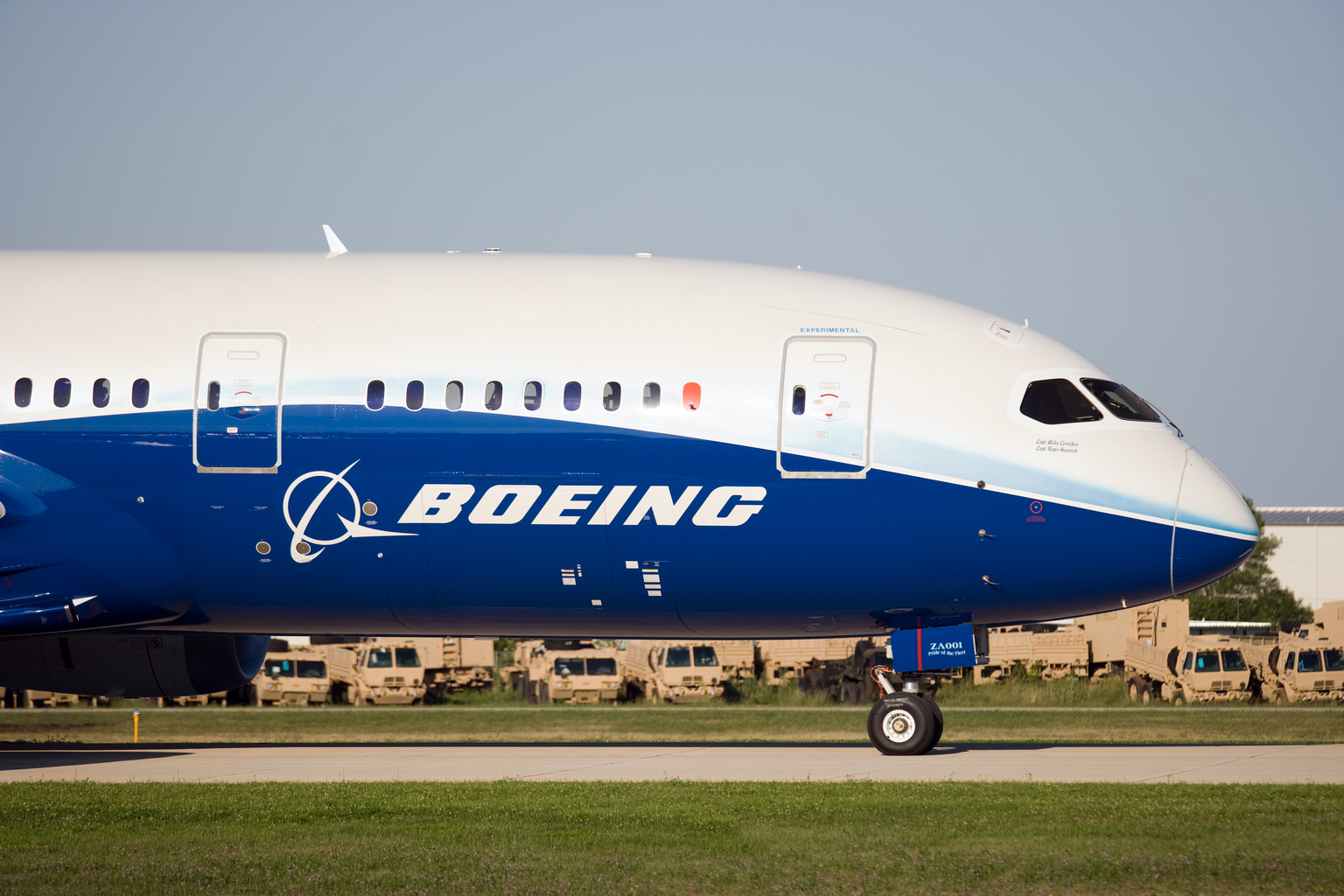
Boeing Secures $101.29M Delivery Order for KC-46 Parts
- Order Value: Boeing has secured a $101.29 million delivery order specifically for KC-46 aircraft repair parts and support, indicating sustained demand for the company in the defense sector.
- Contract Duration: This one-year contract, with no extensions, is funded by FY2026–FY2027 working capital, highlighting the U.S. Air Force's long-term reliance on Boeing products.
- Completion Timeline: All work is expected to be completed by April 6, 2027, ensuring timely delivery and further solidifying Boeing's position in the military aviation market.
- Management Agency: The contract will be managed by the Defense Logistics Agency Aviation, reflecting the government's trust in Boeing and indicating a potential rise in defense spending over the next decade.
See More
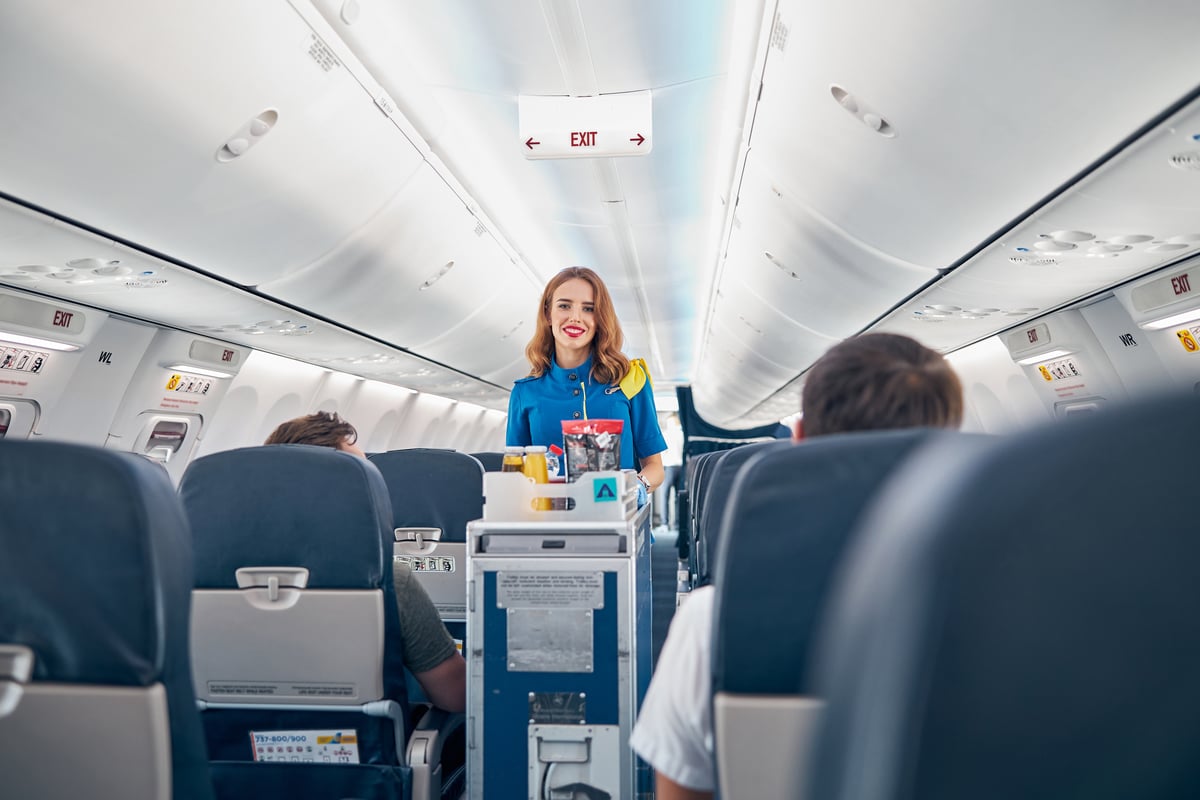
Boeing's 737 MAX Financial Performance Falls Short
- Poor Financial Performance: Since its delivery in 2017, Boeing's 737 MAX has failed to meet the financial expectations set by management, with safety and quality issues, along with poor defense execution, contributing to significant strategic risks for the company.
- Need for New Aircraft Development: CEO Kelly Ortberg clearly stated during his first earnings call in October 2024 that there is a need to develop a new aircraft to replace the 737 MAX, although this process will require substantial preliminary work.
- High Development Costs: The former CEO indicated that developing a new aircraft could cost as much as $50 billion, and the insufficient cash flow from the 737 MAX raises concerns among investors regarding Boeing's ability to finance this investment.
- Heavy Debt Burden: Boeing is projected to carry $5.9 billion in net debt by 2028, and while free cash flow generation is expected to resume between 2026 and 2028, it will not be enough to fully pay down the debt accumulated during the grounding of the 737 MAX and the COVID-19 lockdowns.
See More

Boeing 737 MAX Fails to Meet Financial Expectations
- 737 MAX Financial Struggles: Since its delivery in 2017, Boeing's 737 MAX has failed to generate the expected profits and cash flow, putting the company's strategic mission at risk, particularly due to self-inflicted safety and quality issues.
- Future Financing Challenges: Boeing's plan to develop a new generation of narrow-body aircraft is estimated to require $50 billion, but the insufficient cash flow from the 737 MAX may necessitate raising debt or diluting existing shareholders to finance this initiative.
- Increased Debt Burden: By 2028, Boeing is projected to carry $5.9 billion in net debt, and even with a return to free cash flow generation from 2026 to 2028, it may struggle to fully pay down the debt accumulated during the 737 MAX grounding and COVID-19 lockdowns.
- Shareholder Dilution Risks: In 2024, Boeing raised $24.3 billion through stock sales, and while the company has a backlog of $682 billion, existing shareholders may face dilution of their claims to future earnings and cash flows due to necessary financing.
See More
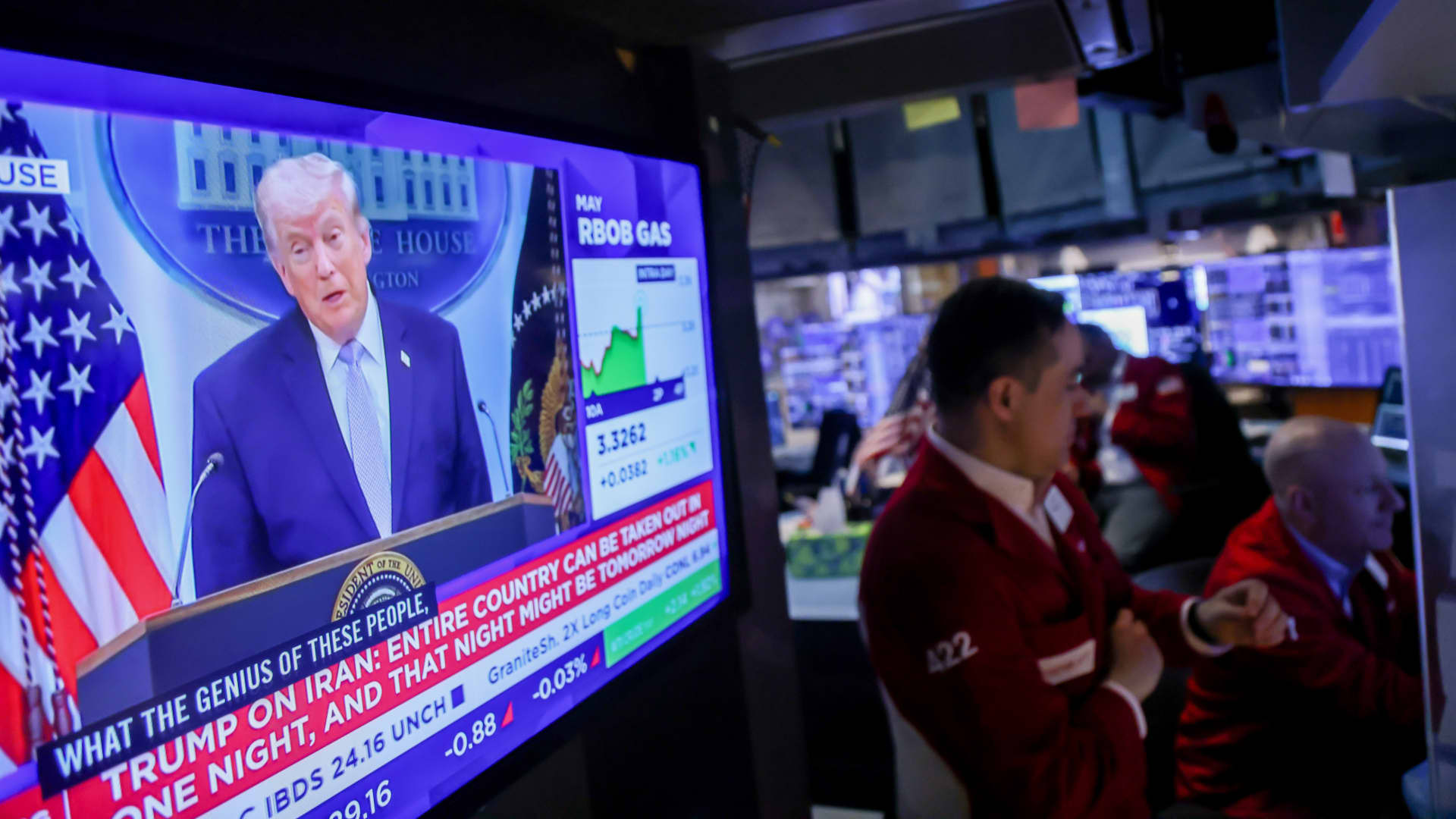
Trump Escalates Threats Against Iran Amid Negotiations


- Trump's Tough Stance: President Trump stated in a press conference that he might attack Iran's energy and transportation infrastructure if the Strait of Hormuz is not reopened by Tuesday night, intensifying market uncertainty surrounding geopolitical tensions.
- Iran's Ceasefire Proposal: Although the U.S. has received Iran's latest ceasefire proposal, Trump described it as 'not good enough,' indicating significant divisions remain in negotiations that could impact future diplomatic efforts.
- Oil Price Surge: Oil prices continued to rise amid these developments, with shipping through the Strait of Hormuz gradually resuming as eight tankers transited on Monday, up from an average of fewer than two per day in March, yet still a fraction of the 20 million barrels per day seen in 2025.
- Market Volatility: Asia-Pacific markets experienced volatile trading on Tuesday, with major indexes flipping to losses in the morning session, reflecting investor concerns over geopolitical developments, while U.S. futures indicated a mixed opening ahead.
See More
Boeing Sees Surge in Orders Amid Ongoing Quality Issues
- Order Surge: Boeing has seen a significant uptick in orders in Southeast Asia, with Sun Phu Quoc Airways ordering up to 40 Boeing 787 Dreamliners and Vietnam Airlines finalizing an order for 50 737 MAX jets, contributing to a backlog of $682 billion as global airlines seek to refresh aging fleets.
- Return to Profitability: In 2025, Boeing reported revenue of $89.5 billion, a 34% increase, and earnings per share (EPS) of $2.48, marking its first profitable year since 2018, despite facing a substantial debt of $54.1 billion.
- Quality Control Challenges: Despite improving financials, Boeing continues to grapple with quality control issues, as highlighted by a recent machining error on 737 MAX jets, which serves as a reminder of ongoing concerns that could hinder stock recovery.
- Legal Hurdle Removal: Boeing received positive news on the legal front as a U.S. Appeals Court upheld the dismissal of a major criminal case related to the 737 MAX crashes, providing management with a clearer path forward and potentially boosting market confidence.
See More
Artemis II Successfully Completes Lunar Flyby
- Historic Flight: Artemis II successfully breaks Apollo 13's 56-year record for the farthest distance traveled by humans from Earth, showcasing NASA's advancements in deep space exploration and commitment to pushing boundaries.
- Stunning Imagery: The crew captured breathtaking photos of the moon eclipsing the sun, described by NASA as 'absolutely stunning,' which not only highlight a unique human perspective in space but also inspire public interest and support for space exploration.
- Future Plans: NASA aims to launch Artemis III in 2027 for lunar lander docking practice and plans to land two astronauts at the moon's South Pole by 2028, marking significant progress in humanity's return to the lunar surface.
- Lunar Base Development: NASA anticipates starting monthly uncrewed robotic missions by 2027 to build a lunar base, which will not only advance scientific research but also lay the groundwork for future deep space missions.
See More
Boeing Secures $101.29M Delivery Order for KC-46 Parts
- Order Value: Boeing has secured a $101.29 million delivery order specifically for KC-46 aircraft repair parts and support, indicating sustained demand for the company in the defense sector.
- Contract Duration: This one-year contract, with no extensions, is funded by FY2026–FY2027 working capital, highlighting the U.S. Air Force's long-term reliance on Boeing products.
- Completion Timeline: All work is expected to be completed by April 6, 2027, ensuring timely delivery and further solidifying Boeing's position in the military aviation market.
- Management Agency: The contract will be managed by the Defense Logistics Agency Aviation, reflecting the government's trust in Boeing and indicating a potential rise in defense spending over the next decade.
See More
Boeing's 737 MAX Financial Performance Falls Short
- Poor Financial Performance: Since its delivery in 2017, Boeing's 737 MAX has failed to meet the financial expectations set by management, with safety and quality issues, along with poor defense execution, contributing to significant strategic risks for the company.
- Need for New Aircraft Development: CEO Kelly Ortberg clearly stated during his first earnings call in October 2024 that there is a need to develop a new aircraft to replace the 737 MAX, although this process will require substantial preliminary work.
- High Development Costs: The former CEO indicated that developing a new aircraft could cost as much as $50 billion, and the insufficient cash flow from the 737 MAX raises concerns among investors regarding Boeing's ability to finance this investment.
- Heavy Debt Burden: Boeing is projected to carry $5.9 billion in net debt by 2028, and while free cash flow generation is expected to resume between 2026 and 2028, it will not be enough to fully pay down the debt accumulated during the grounding of the 737 MAX and the COVID-19 lockdowns.
See More
Boeing 737 MAX Fails to Meet Financial Expectations
- 737 MAX Financial Struggles: Since its delivery in 2017, Boeing's 737 MAX has failed to generate the expected profits and cash flow, putting the company's strategic mission at risk, particularly due to self-inflicted safety and quality issues.
- Future Financing Challenges: Boeing's plan to develop a new generation of narrow-body aircraft is estimated to require $50 billion, but the insufficient cash flow from the 737 MAX may necessitate raising debt or diluting existing shareholders to finance this initiative.
- Increased Debt Burden: By 2028, Boeing is projected to carry $5.9 billion in net debt, and even with a return to free cash flow generation from 2026 to 2028, it may struggle to fully pay down the debt accumulated during the 737 MAX grounding and COVID-19 lockdowns.
- Shareholder Dilution Risks: In 2024, Boeing raised $24.3 billion through stock sales, and while the company has a backlog of $682 billion, existing shareholders may face dilution of their claims to future earnings and cash flows due to necessary financing.
See More
Trump Escalates Threats Against Iran Amid Negotiations
- Trump's Tough Stance: President Trump stated in a press conference that he might attack Iran's energy and transportation infrastructure if the Strait of Hormuz is not reopened by Tuesday night, intensifying market uncertainty surrounding geopolitical tensions.
- Iran's Ceasefire Proposal: Although the U.S. has received Iran's latest ceasefire proposal, Trump described it as 'not good enough,' indicating significant divisions remain in negotiations that could impact future diplomatic efforts.
- Oil Price Surge: Oil prices continued to rise amid these developments, with shipping through the Strait of Hormuz gradually resuming as eight tankers transited on Monday, up from an average of fewer than two per day in March, yet still a fraction of the 20 million barrels per day seen in 2025.
- Market Volatility: Asia-Pacific markets experienced volatile trading on Tuesday, with major indexes flipping to losses in the morning session, reflecting investor concerns over geopolitical developments, while U.S. futures indicated a mixed opening ahead.
See More