Blue Owl Stock Plummets 70%, Raising Liquidity Concerns
Written by Emily J. Thompson, Senior Investment Analyst
Updated: Mar 12 2026
0mins
Source: Benzinga
- Stock Plunge: Blue Owl's stock has dropped approximately 70% from last year's peak, indicating growing investor concerns about liquidity issues in private credit funds, which could undermine future fundraising efforts.
- Liquidity Crisis: Private credit funds typically invest in loans and private deals that are hard to trade in open markets, providing attractive yields during periods of ample liquidity, but creating a 'Hotel California' problem where exiting becomes difficult when markets tighten.
- Market Reaction: Jeffrey Gundlach, CEO of DoubleLine Capital, acknowledged the strong performance of private equity but noted the inability to meet redemption requests, highlighting the increasing tension around liquidity in the market.
- Liquidity Stress Test: The private credit market has ballooned into a multi-trillion-dollar sector post-financial crisis, but as investors seek liquidity amid growing volatility, the structural challenges of these funds may face unprecedented tests, particularly for publicly traded managers like Blue Owl and KKR, with the market potentially pricing in these risks.
Trade with 70% Backtested Accuracy
Stop guessing "Should I Buy KKR?" and start using high-conviction signals backed by rigorous historical data.
Sign up today to access powerful investing tools and make smarter, data-driven decisions.
Analyst Views on KKR
Wall Street analysts forecast KKR stock price to rise
9 Analyst Rating
9 Buy
0 Hold
0 Sell
Strong Buy
Current: 91.360

Low
145.00
Averages
159.67
High
176.00
Current: 91.360
Low
145.00
Averages
159.67
High
176.00
About KKR
KKR & Co. Inc. is a global investment firm that offers alternative asset management as well as capital markets and insurance solutions. The Company’s segments include Asset Management, Insurance and Strategic Holdings. Asset Management segment offers a range of investment management services to investment funds, vehicles and accounts and provides capital markets services to portfolio companies and third parties. Asset Management segment includes five business lines: Private Equity, Real Assets, Credit and Liquid Strategies, Capital Markets and Principal Activities. Insurance segment is operated by Global Atlantic, which is a United States retirement and life insurance company that provides a suite of protection, legacy and savings products and reinsurance solutions to clients across individual and institutional markets. Global Atlantic offers individuals fixed-rate annuities and others. Strategic Holdings segment represents its participation in its core private equity strategy.
About the author

Emily J. Thompson
Emily J. Thompson, a Chartered Financial Analyst (CFA) with 12 years in investment research, graduated with honors from the Wharton School. Specializing in industrial and technology stocks, she provides in-depth analysis for Intellectia’s earnings and market brief reports.
KKR Closes $23 Billion North America Fund XIV, Largest in History
- Record Fund Size: KKR announced the final closing of KKR North America Fund XIV at approximately $23 billion, making it the largest private equity fund focused solely on North America, reflecting strong investor trust and support for its investment strategy.
- Strong Investment Returns: Over the past decade, KKR's three predecessor funds achieved a gross IRR of 23% and a gross multiple of invested capital of 2.1x, showcasing its successful investment capabilities and consistent performance in the North American market.
- Commitment to Employee Ownership: The new fund intends to continue supporting majority-owned companies in implementing employee ownership programs, having awarded billions in equity to over 200,000 non-senior management employees globally since 2011, aiming to enhance operational efficiency through employee engagement.
- Diverse Investor Backing: NAX4 received robust support from a diverse group of investors, including public and private pension plans and sovereign wealth funds, indicating broad market recognition and confidence in KKR's investment approach.
See More

Blue Owl Capital Shares Drop Amid Redemption Limits Announcement

- Redemption Limit Announcement: Blue Owl Credit Income Corp. informed shareholders that redemptions in its private credit and technology-focused funds will be capped at 5%, following withdrawal requests totaling 21.9% and 40.7%, respectively.
- Stock Price Reaction: Shares of Blue Owl Capital fell 7%, or 59 cents, to $8.13 in morning trading, indicating a negative market response and concerns over liquidity risks associated with the redemption limits.
- Industry Impact: Other alternative asset management stocks, including Ares Management, KKR, Apollo Global, and Blackstone, also experienced declines, reflecting a broader loss of confidence in the sector following Blue Owl's announcement.
- Market Sentiment: This situation has raised investor concerns regarding the liquidity status of Blue Owl Capital and its funds, potentially leading to a decrease in investor trust and adversely affecting its market performance.
See More

Blue Owl Capital Limits Fund Withdrawals Amid Market Concerns
- Redemption Restrictions: Blue Owl Capital has announced a 5% cap on redemptions for two of its funds due to a surge in withdrawal requests, reflecting growing market concerns about private credit risks that could further erode investor confidence.
- Surge in Trading Volume: The company's stock trading volume reached 62.4 million shares, exceeding the three-month average by 116%, indicating heightened market attention on Blue Owl's current situation, which may impact its future liquidity and market performance.
- Stock Price Decline: Blue Owl's stock closed at $8.57, down 1.61% from the previous day, marking a 20% decline since its IPO in 2020, suggesting a lack of market confidence in its long-term prospects, which could affect its ability to raise capital.
- Industry Impact: The redemption restrictions by Blue Owl align with similar moves from private credit firms like Apollo Global Management and Ares Management, highlighting the pressure faced by the entire sector, prompting investors to monitor for potential further restrictions and their broader implications for the financial markets.
See More

Blue Owl Capital Limits Fund Withdrawals Amid Market Concerns
- Withdrawal Restrictions: Blue Owl Capital has announced a 5% cap on redemptions for two of its funds due to a surge in withdrawal requests, reflecting market concerns about private credit risks that could undermine investor confidence.
- Stock Price Decline: The stock closed at $8.57 on Thursday, down 1.61%, marking a 20% decline since its IPO in 2020, indicating a cautious market outlook on its future performance.
- Surge in Trading Volume: Trading volume reached 62.4 million shares, which is 116% above the three-month average of 28.9 million shares, suggesting heightened market interest in Blue Owl Capital, likely linked to the news of withdrawal restrictions.
- Industry Impact: Blue Owl's actions align with similar moves from private credit peers like Apollo Global Management and Ares Management, highlighting the pressures faced by the entire sector, prompting investors to watch for potential further restrictions.
See More

Comparison of Stock Performance: GE vs KKR
- Stock Performance Comparison: GE is currently trading down approximately 2.7%, indicating cautious market sentiment regarding its future performance, which may affect investor confidence and lead to capital outflows.
- KKR Stock Movement: In contrast, KKR's stock is up about 0.7%, suggesting a more optimistic market outlook on its business prospects, potentially attracting more investor interest.
- Market Sentiment Analysis: The decline in GE's stock may reflect investor concerns about its financial health, while KKR's rise could be linked to its recent investment strategies or market performance.
- Impact on Investor Decisions: This divergence in stock performance may prompt investors to reassess their portfolios, particularly in light of risk and return considerations.
See More
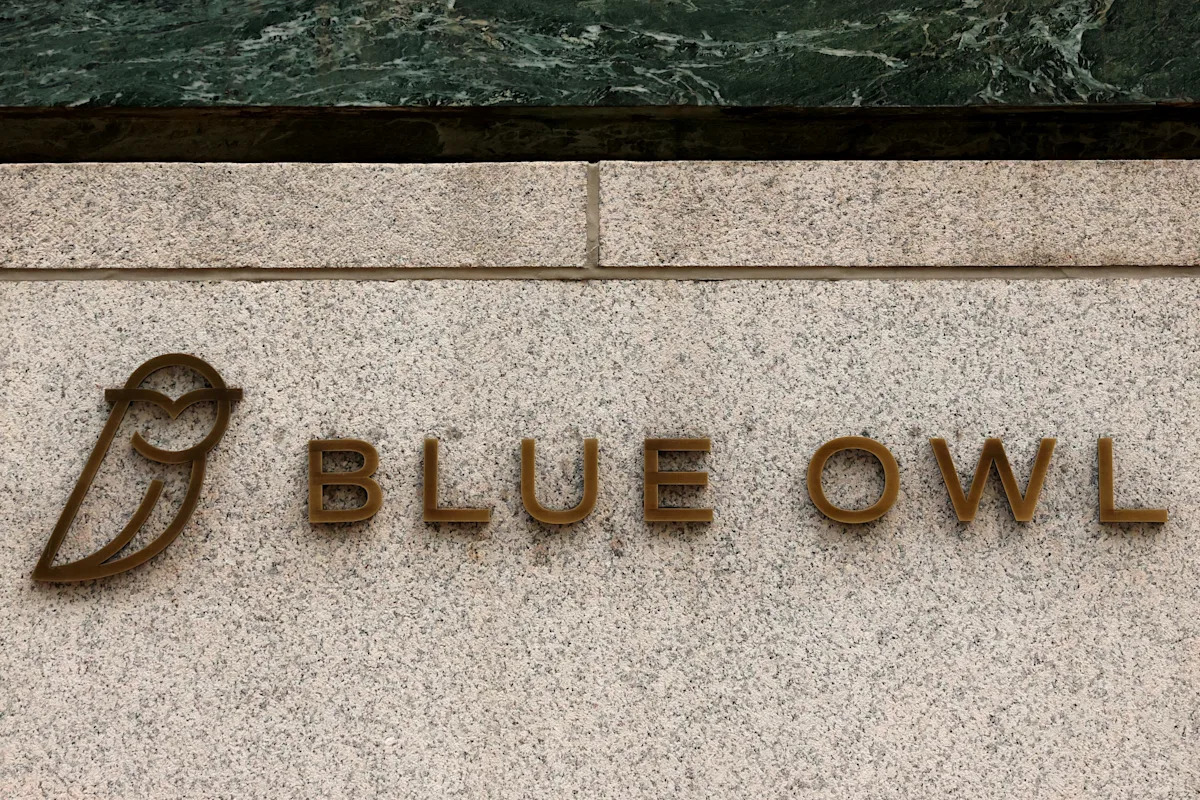
Blue Owl Faces $5.4 Billion Redemption Requests Amid Market Anxiety

- Surge in Redemption Requests: Blue Owl reported a staggering $5.4 billion in redemption requests from its two non-traded funds, with OTIC and OCIC facing withdrawals of 40.7% and 21.9% of their assets, respectively, indicating heightened investor anxiety about private debt.
- Asset Value Impact: OTIC had an asset value of $3 billion at the start of the quarter, while OCIC was valued at $36 billion, and the increase in redemption requests could significantly affect the liquidity and investment strategies of both funds.
- Market Reaction: Amid rising concerns about private debt, Blue Owl's stock fell as much as 8% in early trading on Thursday, reflecting a 46% decline since the beginning of the year, which indicates a waning investor confidence in the company's future performance.
- Industry Trend: Blue Owl's decision to limit redemptions aligns with actions taken by other private fund giants like Apollo and BlackRock, highlighting a growing industry focus on balancing the interests of redeeming and remaining shareholders, even as market scrutiny over credit risks in the software sector intensifies.
See More
KKR Closes $23 Billion North America Fund XIV, Largest in History
- Record Fund Size: KKR announced the final closing of KKR North America Fund XIV at approximately $23 billion, making it the largest private equity fund focused solely on North America, reflecting strong investor trust and support for its investment strategy.
- Strong Investment Returns: Over the past decade, KKR's three predecessor funds achieved a gross IRR of 23% and a gross multiple of invested capital of 2.1x, showcasing its successful investment capabilities and consistent performance in the North American market.
- Commitment to Employee Ownership: The new fund intends to continue supporting majority-owned companies in implementing employee ownership programs, having awarded billions in equity to over 200,000 non-senior management employees globally since 2011, aiming to enhance operational efficiency through employee engagement.
- Diverse Investor Backing: NAX4 received robust support from a diverse group of investors, including public and private pension plans and sovereign wealth funds, indicating broad market recognition and confidence in KKR's investment approach.
See More
Blue Owl Capital Shares Drop Amid Redemption Limits Announcement
- Redemption Limit Announcement: Blue Owl Credit Income Corp. informed shareholders that redemptions in its private credit and technology-focused funds will be capped at 5%, following withdrawal requests totaling 21.9% and 40.7%, respectively.
- Stock Price Reaction: Shares of Blue Owl Capital fell 7%, or 59 cents, to $8.13 in morning trading, indicating a negative market response and concerns over liquidity risks associated with the redemption limits.
- Industry Impact: Other alternative asset management stocks, including Ares Management, KKR, Apollo Global, and Blackstone, also experienced declines, reflecting a broader loss of confidence in the sector following Blue Owl's announcement.
- Market Sentiment: This situation has raised investor concerns regarding the liquidity status of Blue Owl Capital and its funds, potentially leading to a decrease in investor trust and adversely affecting its market performance.
See More
Blue Owl Capital Limits Fund Withdrawals Amid Market Concerns
- Redemption Restrictions: Blue Owl Capital has announced a 5% cap on redemptions for two of its funds due to a surge in withdrawal requests, reflecting growing market concerns about private credit risks that could further erode investor confidence.
- Surge in Trading Volume: The company's stock trading volume reached 62.4 million shares, exceeding the three-month average by 116%, indicating heightened market attention on Blue Owl's current situation, which may impact its future liquidity and market performance.
- Stock Price Decline: Blue Owl's stock closed at $8.57, down 1.61% from the previous day, marking a 20% decline since its IPO in 2020, suggesting a lack of market confidence in its long-term prospects, which could affect its ability to raise capital.
- Industry Impact: The redemption restrictions by Blue Owl align with similar moves from private credit firms like Apollo Global Management and Ares Management, highlighting the pressure faced by the entire sector, prompting investors to monitor for potential further restrictions and their broader implications for the financial markets.
See More
Blue Owl Capital Limits Fund Withdrawals Amid Market Concerns
- Withdrawal Restrictions: Blue Owl Capital has announced a 5% cap on redemptions for two of its funds due to a surge in withdrawal requests, reflecting market concerns about private credit risks that could undermine investor confidence.
- Stock Price Decline: The stock closed at $8.57 on Thursday, down 1.61%, marking a 20% decline since its IPO in 2020, indicating a cautious market outlook on its future performance.
- Surge in Trading Volume: Trading volume reached 62.4 million shares, which is 116% above the three-month average of 28.9 million shares, suggesting heightened market interest in Blue Owl Capital, likely linked to the news of withdrawal restrictions.
- Industry Impact: Blue Owl's actions align with similar moves from private credit peers like Apollo Global Management and Ares Management, highlighting the pressures faced by the entire sector, prompting investors to watch for potential further restrictions.
See More
Comparison of Stock Performance: GE vs KKR
- Stock Performance Comparison: GE is currently trading down approximately 2.7%, indicating cautious market sentiment regarding its future performance, which may affect investor confidence and lead to capital outflows.
- KKR Stock Movement: In contrast, KKR's stock is up about 0.7%, suggesting a more optimistic market outlook on its business prospects, potentially attracting more investor interest.
- Market Sentiment Analysis: The decline in GE's stock may reflect investor concerns about its financial health, while KKR's rise could be linked to its recent investment strategies or market performance.
- Impact on Investor Decisions: This divergence in stock performance may prompt investors to reassess their portfolios, particularly in light of risk and return considerations.
See More
Blue Owl Faces $5.4 Billion Redemption Requests Amid Market Anxiety
- Surge in Redemption Requests: Blue Owl reported a staggering $5.4 billion in redemption requests from its two non-traded funds, with OTIC and OCIC facing withdrawals of 40.7% and 21.9% of their assets, respectively, indicating heightened investor anxiety about private debt.
- Asset Value Impact: OTIC had an asset value of $3 billion at the start of the quarter, while OCIC was valued at $36 billion, and the increase in redemption requests could significantly affect the liquidity and investment strategies of both funds.
- Market Reaction: Amid rising concerns about private debt, Blue Owl's stock fell as much as 8% in early trading on Thursday, reflecting a 46% decline since the beginning of the year, which indicates a waning investor confidence in the company's future performance.
- Industry Trend: Blue Owl's decision to limit redemptions aligns with actions taken by other private fund giants like Apollo and BlackRock, highlighting a growing industry focus on balancing the interests of redeeming and remaining shareholders, even as market scrutiny over credit risks in the software sector intensifies.
See More