Blue Origin Pauses New Shepard Flights to Focus on Lunar Development

Jeff Bezos' Blue Origin announced it will pause its New Shepard flights and shift resources to further accelerate development of the company's human lunar capabilities. "The decision reflects Blue Origin's commitment to the nation's goal of returning to the Moon and establishing a permanent, sustained lunar presence. New Shepard is the first reusable spaceflight system to vertically land and has flown 38 times and carried 98 humans above the Karman line to date. New Shepard has launched more than 200 scientific and research payloads from students, academia, research organizations, and NASA. This consistent and reliable performance, combined with an exceptional customer experience, has resulted in a multi-year customer backlog," the company stated. Publicly traded companies in the space launch and services area include Rocket Lab (RKLB), ViaSat (VSAT), EchoStar (SATS), AST Space Mobile (ASTS), Voyager Technologies (VOYG), Intuitive Machines (LUNR), FireFly Aerospace (FLY) and Virgin Galactic (SPCE).
Trade with 70% Backtested Accuracy
Analyst Views on RKLB

About RKLB
About the author


Nvidia Launches Space Computing Platforms

- Launch of Space Computing Platforms: Nvidia unveiled computing platforms for orbital data centers at GTC 2026, with CEO Jensen Huang stating that the era of space computing has arrived, projecting over $1 trillion in orders by 2027.
- Modular Design Benefits: The Vera Rubin Space-1 module integrates IGX Thor and Jetson Orin chips, engineered for efficient operation in size-, weight-, and power-constrained environments, enhancing the intelligence of space missions.
- Engineering Challenges and Partnerships: While Nvidia collaborates with companies like Axiom Space, Starcloud, and Planet to develop orbital data centers, overcoming cooling system challenges in space remains a significant engineering hurdle, highlighting the complexity of technology implementation.
- Market Potential and Competition: As AI demand surges, orbital data centers are seen as a solution to soaring electricity costs, although high launch costs and low availability pose major barriers, prompting AI companies to race for utilizing solar power in space.

Comparison of VBK and IJT Small-Cap ETFs


- Cost Ratio Advantage: VBK offers a lower expense ratio compared to IJT, appealing to cost-conscious investors, while IJT's higher dividend yield may attract income-focused investors.
- Sector Allocation Differences: VBK leans more heavily into industrials (23%) and technology (21%), whereas IJT maintains a more balanced exposure across multiple sectors, reflecting different investment strategies and risk preferences.
- Historical Performance Comparison: IJT exhibited shallower drawdowns during the 2022 bear market, outperforming VBK, which may attract risk-averse investors, especially in times of increased market volatility.
- Small-Cap Market Outlook: Small-cap stocks have underperformed in recent years, but with the Russell 2000 index surging, the market may be shifting towards small caps, making both VBK and IJT low-cost investment options for those optimistic about small-cap performance.

Comparison of Small-Cap ETFs: VBK vs IJT
- Cost Comparison: The Vanguard Small-Cap Growth ETF (VBK) charges a lower expense ratio of 0.05% compared to iShares S&P Small-Cap 600 Growth ETF (IJT) at 0.18%, making it more appealing for cost-conscious investors and enhancing its competitive edge in the market.
- Yield and Risk: While IJT offers a higher dividend yield of 0.88% compared to VBK's 0.53%, IJT's maximum drawdown over the past five years is 29.2%, significantly lower than VBK's 38.4%, positioning IJT as a better option for risk-averse investors.
- Asset Allocation: IJT holds 356 small-cap stocks with significant allocations in industrials (21%), technology (18%), and healthcare (15%), whereas VBK has 551 stocks with a heavier tilt towards industrials (23%) and technology (21%), highlighting their differences in sector exposure.
- Market Performance: Small-cap stocks have underperformed in recent years, but with the Russell 2000 index rebounding, both VBK and IJT could benefit from renewed investor interest in small caps, particularly as VBK's low-cost structure may attract more inflows.

Opportunities in Industrial Stocks for the Next Decade

- TSMC's Market Leadership: Taiwan Semiconductor Manufacturing (TSM) serves as the backbone of the global advanced chip market, with a remarkable 377% revenue growth over the past decade and plans to invest over $100 billion in the U.S. to meet surging AI chip demand, thereby solidifying its market dominance.
- Rocket Lab's Growth Potential: Rocket Lab (RKLB) has seen its revenue soar nearly 1,000% in the past five years, with its Electron rocket completing 21 launches in 2025; despite delays in the Neutron rocket's development pushed to 2026, the company is poised to capture significant market share in the rapidly expanding space economy.
- Lockheed Martin's Steady Revenue: Lockheed Martin (LMT) reported a record backlog of $194 billion, benefiting from long-term defense contracts; while its revenue growth may be modest, its reliable earnings and shareholder return strategies make it a solid long-term investment choice.
- Investment Outlook for Industrial Stocks: With rising geopolitical tensions and increasing demand for advanced technologies, investor interest in industrial stocks is growing, particularly in the AI and space economy sectors, presenting abundant opportunities for investors over the next decade.

Investment Opportunities Amid Market Volatility
- Rocket Lab's Growth Potential: Rocket Lab's stock has dropped 30%, yet its vertically integrated model and comprehensive space solutions provide immense growth potential across industries like defense, telecommunications, and space tourism, despite its next-gen rocket launch being delayed again until Q4 this year, which may impact operational performance.
- Revenue and Backlog Growth: In 2025, Rocket Lab's revenue and backlog grew by 38% and 73%, respectively, while its gross margin improved by over 7 percentage points; however, with a current market cap of $40 billion, investors should be cautious of the risks associated with its 62 times sales valuation.
- Badger Meter's Steady Performance: Badger Meter's stock has fallen 43%, but with 85% of its sales driven by replacement demand and net income and free cash flow growing by 18% and 30% annually over the past decade, it demonstrates strong growth potential in the water management solutions sector.
- Rapid Growth of Software Business: Although Badger Meter's price-to-free cash flow ratio has risen from the low 20s in 2019 to above 50 in 2024, its emerging software business has seen annual growth of 28% over the past five years, presenting investors with an opportunity at a more reasonable 26 times free cash flow valuation.
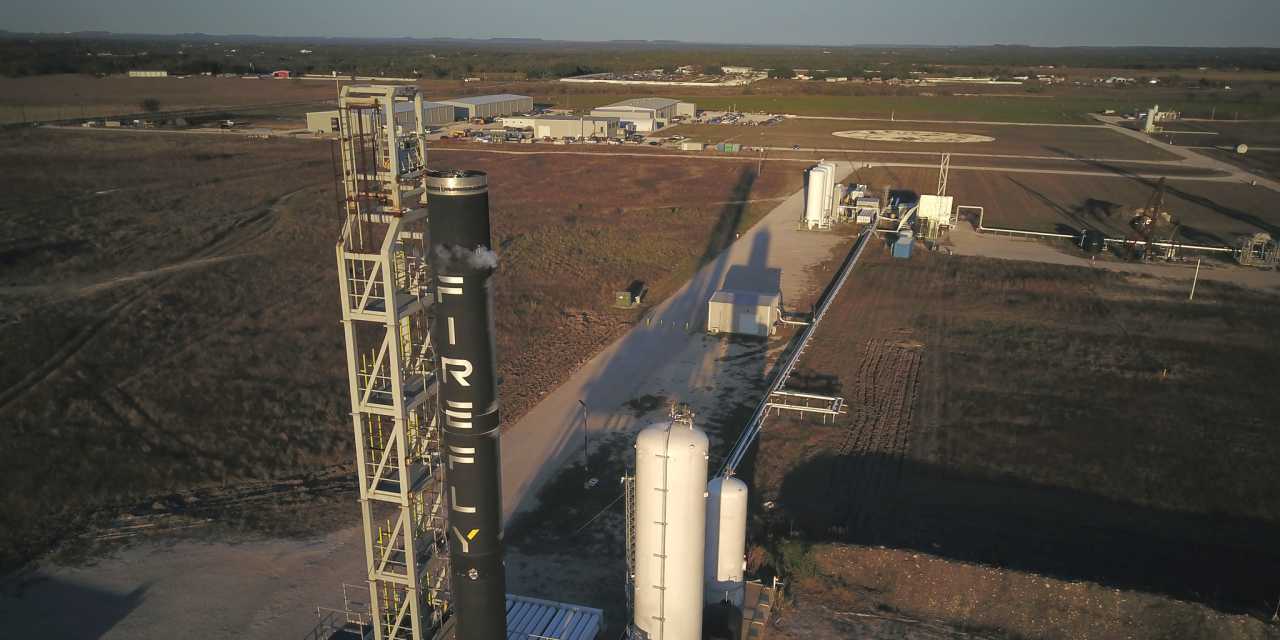
Firefly's Launch of Lockheed Martin into Space: Comparing Stock Performance with SpaceX and Rocket Lab.

- Successful Launch: Firefly Aerospace's Alpha Flight 7 was successfully launched into space, marking a significant achievement for the company.
- Stock Surge: Following the successful launch, Firefly Aerospace's stock experienced a notable increase early Thursday.
Nvidia Launches Space Computing Platforms
- Launch of Space Computing Platforms: Nvidia unveiled computing platforms for orbital data centers at GTC 2026, with CEO Jensen Huang stating that the era of space computing has arrived, projecting over $1 trillion in orders by 2027.
- Modular Design Benefits: The Vera Rubin Space-1 module integrates IGX Thor and Jetson Orin chips, engineered for efficient operation in size-, weight-, and power-constrained environments, enhancing the intelligence of space missions.
- Engineering Challenges and Partnerships: While Nvidia collaborates with companies like Axiom Space, Starcloud, and Planet to develop orbital data centers, overcoming cooling system challenges in space remains a significant engineering hurdle, highlighting the complexity of technology implementation.
- Market Potential and Competition: As AI demand surges, orbital data centers are seen as a solution to soaring electricity costs, although high launch costs and low availability pose major barriers, prompting AI companies to race for utilizing solar power in space.
Comparison of VBK and IJT Small-Cap ETFs
- Cost Ratio Advantage: VBK offers a lower expense ratio compared to IJT, appealing to cost-conscious investors, while IJT's higher dividend yield may attract income-focused investors.
- Sector Allocation Differences: VBK leans more heavily into industrials (23%) and technology (21%), whereas IJT maintains a more balanced exposure across multiple sectors, reflecting different investment strategies and risk preferences.
- Historical Performance Comparison: IJT exhibited shallower drawdowns during the 2022 bear market, outperforming VBK, which may attract risk-averse investors, especially in times of increased market volatility.
- Small-Cap Market Outlook: Small-cap stocks have underperformed in recent years, but with the Russell 2000 index surging, the market may be shifting towards small caps, making both VBK and IJT low-cost investment options for those optimistic about small-cap performance.
Comparison of Small-Cap ETFs: VBK vs IJT
- Cost Comparison: The Vanguard Small-Cap Growth ETF (VBK) charges a lower expense ratio of 0.05% compared to iShares S&P Small-Cap 600 Growth ETF (IJT) at 0.18%, making it more appealing for cost-conscious investors and enhancing its competitive edge in the market.
- Yield and Risk: While IJT offers a higher dividend yield of 0.88% compared to VBK's 0.53%, IJT's maximum drawdown over the past five years is 29.2%, significantly lower than VBK's 38.4%, positioning IJT as a better option for risk-averse investors.
- Asset Allocation: IJT holds 356 small-cap stocks with significant allocations in industrials (21%), technology (18%), and healthcare (15%), whereas VBK has 551 stocks with a heavier tilt towards industrials (23%) and technology (21%), highlighting their differences in sector exposure.
- Market Performance: Small-cap stocks have underperformed in recent years, but with the Russell 2000 index rebounding, both VBK and IJT could benefit from renewed investor interest in small caps, particularly as VBK's low-cost structure may attract more inflows.
Opportunities in Industrial Stocks for the Next Decade
- TSMC's Market Leadership: Taiwan Semiconductor Manufacturing (TSM) serves as the backbone of the global advanced chip market, with a remarkable 377% revenue growth over the past decade and plans to invest over $100 billion in the U.S. to meet surging AI chip demand, thereby solidifying its market dominance.
- Rocket Lab's Growth Potential: Rocket Lab (RKLB) has seen its revenue soar nearly 1,000% in the past five years, with its Electron rocket completing 21 launches in 2025; despite delays in the Neutron rocket's development pushed to 2026, the company is poised to capture significant market share in the rapidly expanding space economy.
- Lockheed Martin's Steady Revenue: Lockheed Martin (LMT) reported a record backlog of $194 billion, benefiting from long-term defense contracts; while its revenue growth may be modest, its reliable earnings and shareholder return strategies make it a solid long-term investment choice.
- Investment Outlook for Industrial Stocks: With rising geopolitical tensions and increasing demand for advanced technologies, investor interest in industrial stocks is growing, particularly in the AI and space economy sectors, presenting abundant opportunities for investors over the next decade.
Investment Opportunities Amid Market Volatility
- Rocket Lab's Growth Potential: Rocket Lab's stock has dropped 30%, yet its vertically integrated model and comprehensive space solutions provide immense growth potential across industries like defense, telecommunications, and space tourism, despite its next-gen rocket launch being delayed again until Q4 this year, which may impact operational performance.
- Revenue and Backlog Growth: In 2025, Rocket Lab's revenue and backlog grew by 38% and 73%, respectively, while its gross margin improved by over 7 percentage points; however, with a current market cap of $40 billion, investors should be cautious of the risks associated with its 62 times sales valuation.
- Badger Meter's Steady Performance: Badger Meter's stock has fallen 43%, but with 85% of its sales driven by replacement demand and net income and free cash flow growing by 18% and 30% annually over the past decade, it demonstrates strong growth potential in the water management solutions sector.
- Rapid Growth of Software Business: Although Badger Meter's price-to-free cash flow ratio has risen from the low 20s in 2019 to above 50 in 2024, its emerging software business has seen annual growth of 28% over the past five years, presenting investors with an opportunity at a more reasonable 26 times free cash flow valuation.
Firefly's Launch of Lockheed Martin into Space: Comparing Stock Performance with SpaceX and Rocket Lab.
- Successful Launch: Firefly Aerospace's Alpha Flight 7 was successfully launched into space, marking a significant achievement for the company.
- Stock Surge: Following the successful launch, Firefly Aerospace's stock experienced a notable increase early Thursday.