Bloom Energy Expands Partnership with Oracle Amidst Record Growth
Written by Emily J. Thompson, Senior Investment Analyst
Updated: May 08 2026
0mins

Source: NASDAQ.COM
- Strong Financial Performance: Bloom Energy reported $751.1 million in revenue for Q1, marking a 130.4% year-over-year increase, with product revenue soaring by 208.4% to $653.3 million, highlighting robust demand and growth potential in the hydrogen market.
- Strategic Partnership Expansion: The partnership with Oracle deepens as Oracle plans to acquire up to 2.8 gigawatts of fuel cell systems to support rapid AI and cloud infrastructure development, indicating the reliability and quick deployment capabilities of Bloom's systems in high-load environments.
- Optimistic Market Outlook: Bloom Energy raised its full-year revenue guidance to between $3.4 billion and $3.8 billion, an 80% year-over-year increase, reflecting significant market opportunities with over 100 gigawatts of data center developments expected in the U.S. by 2035.
- Surging Stock Price: Bloom Energy's stock has skyrocketed over 1,600% in the past year, and while its market cap has reached $80 billion with a P/E ratio exceeding 20, investors may want to wait for a pullback before buying, demonstrating high market expectations for future growth.
Trade with 70% Backtested Accuracy
Stop guessing "Should I Buy BE?" and start using high-conviction signals backed by rigorous historical data.
Sign up today to access powerful investing tools and make smarter, data-driven decisions.
Analyst Views on BE
Wall Street analysts forecast BE stock price to fall
19 Analyst Rating
8 Buy
9 Hold
2 Sell
Moderate Buy
Current: 291.370

Low
71.00
Averages
142.89
High
184.00
Current: 291.370
Low
71.00
Averages
142.89
High
184.00
About BE
Bloom Energy Corporation is engaged in stationary fuel cell power generation by market share. The Company provides distributed energy technology solutions to customers. The Company manufactures advanced and versatile fuel cell energy platforms, supporting the commercial availability of two products: the Bloom Energy Server for generating electricity and the Bloom Electrolyzer for producing hydrogen. With approximately 1.4 gigawatts (GW) of Energy Server systems deployed in more than 1,000 locations and nine countries. Its solid oxide fuel cell technology platform is the foundation for its Energy Server system and Bloom Electrolyzer. The Bloom Energy Server system is designed to deliver reliable, resilient, clean and affordable energy for utilities and organizations alike. Its Energy Server system is designed to deliver reliable electricity. The Bloom Electrolyzer is designed to provide hydrogen solutions based on the same solid oxide platform as its Energy Server systems.
About the author

Emily J. Thompson
Emily J. Thompson, a Chartered Financial Analyst (CFA) with 12 years in investment research, graduated with honors from the Wharton School. Specializing in industrial and technology stocks, she provides in-depth analysis for Intellectia’s earnings and market brief reports.
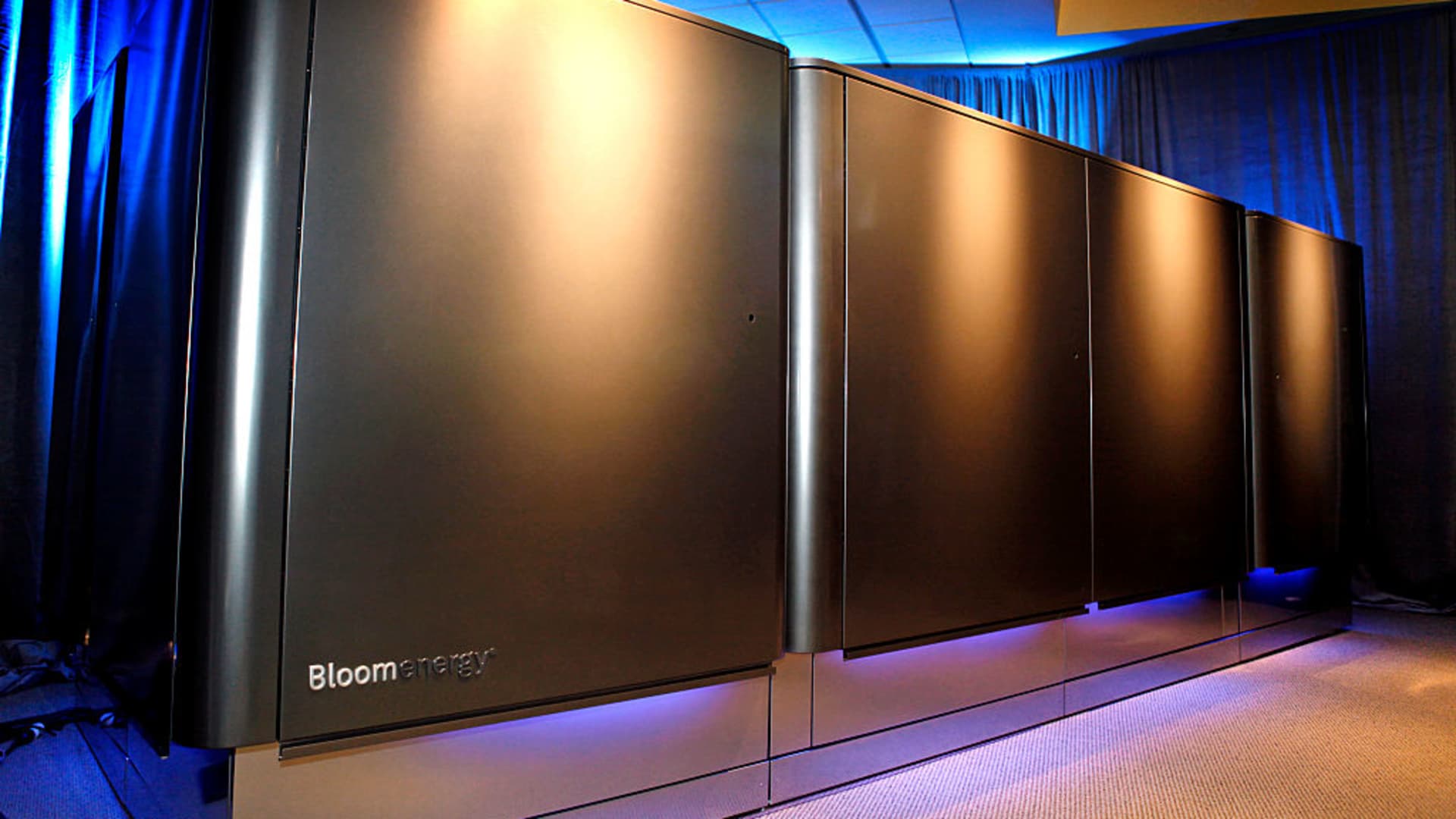
Bloom Energy: Key Enabler of AI Infrastructure Growth


- Significant Revenue Growth: Bloom Energy's advanced fuel cells have become the preferred choice for data center developers, driving an 80% revenue increase this year, surpassing the initial expectation of 60%, indicating strong demand in the rapidly growing AI infrastructure market.
- Market Partnership Expansion: Cloud giant Oracle has expanded its partnership with Bloom Energy to deploy up to 2.8 GW of fuel cell capacity, aimed at accelerating its AI infrastructure build-out, highlighting Bloom Energy's critical role in meeting data center power demands.
- Valuation Risks: With a market cap of $75 billion, Bloom Energy trades at 22 times sales and a staggering 135 times forward earnings, suggesting that while the company's outlook is positive, the high valuation may pose risks for investors in the short term.
- Options Strategy Income: To buy Bloom Energy shares at a lower price during a pullback, investors are writing put options to earn income, anticipating the ability to purchase shares at nearly 50% below the current price, thus achieving higher investment returns.
See More

Bloom Energy Emerges as Leader in AI Data Center Power Solutions
- Surging Market Demand: Bloom Energy's advanced fuel cells have become the power solution of choice for data center developers, driving an 80% revenue growth that exceeds the initial expectation of 60%, highlighting its critical role in the rapidly expanding AI infrastructure market.
- Strategic Partnership Expansion: Cloud computing giant Oracle has expanded its partnership with Bloom Energy to deploy up to 2.8 GW of fuel cell capacity to accelerate its AI infrastructure build-out, indicating strong trust and reliance from large-scale data center developers.
- Stock Price Surge: Bloom Energy's stock has skyrocketed by 1,470% over the past year, with a current P/E ratio of 135, reflecting strong market confidence in its future growth potential despite the high valuation.
- Investment Strategy Adjustment: Due to Bloom Energy's high volatility, investors are writing put options to potentially buy shares at a lower price while earning options premiums, demonstrating a cautiously optimistic outlook on the company's future performance.
See More

Industrial Stocks Under Pressure, Lagging Broader Market Performance

- Weak Sector Returns: The industrial sector posted a mere 0.65% monthly return, significantly trailing the S&P 500's 4.49% gain, indicating a lack of investor confidence and potential long-term implications for capital allocation in the sector.
- Electrical Components Decline: The Electrical Components and Equipment industry saw major players like Eos Energy Enterprises drop approximately 12.9% to $8.20, reflecting heightened risk aversion among investors and a potential reevaluation of sector fundamentals.
- Peer Performance Issues: Fluence Energy and American Superconductor experienced declines of around 11% and 9%, respectively, while Bloom Energy and FuelCell Energy also faced significant drops, suggesting a synchronized downturn that may prompt investors to reassess their holdings in the sector.
- Cautious Market Sentiment: The Dow Jones Industrial Average fell 1.21% and the S&P 500 dropped 0.74%, marking the first red close in ten trading sessions, indicating a shift towards risk-off sentiment that could affect future investment strategies.
See More
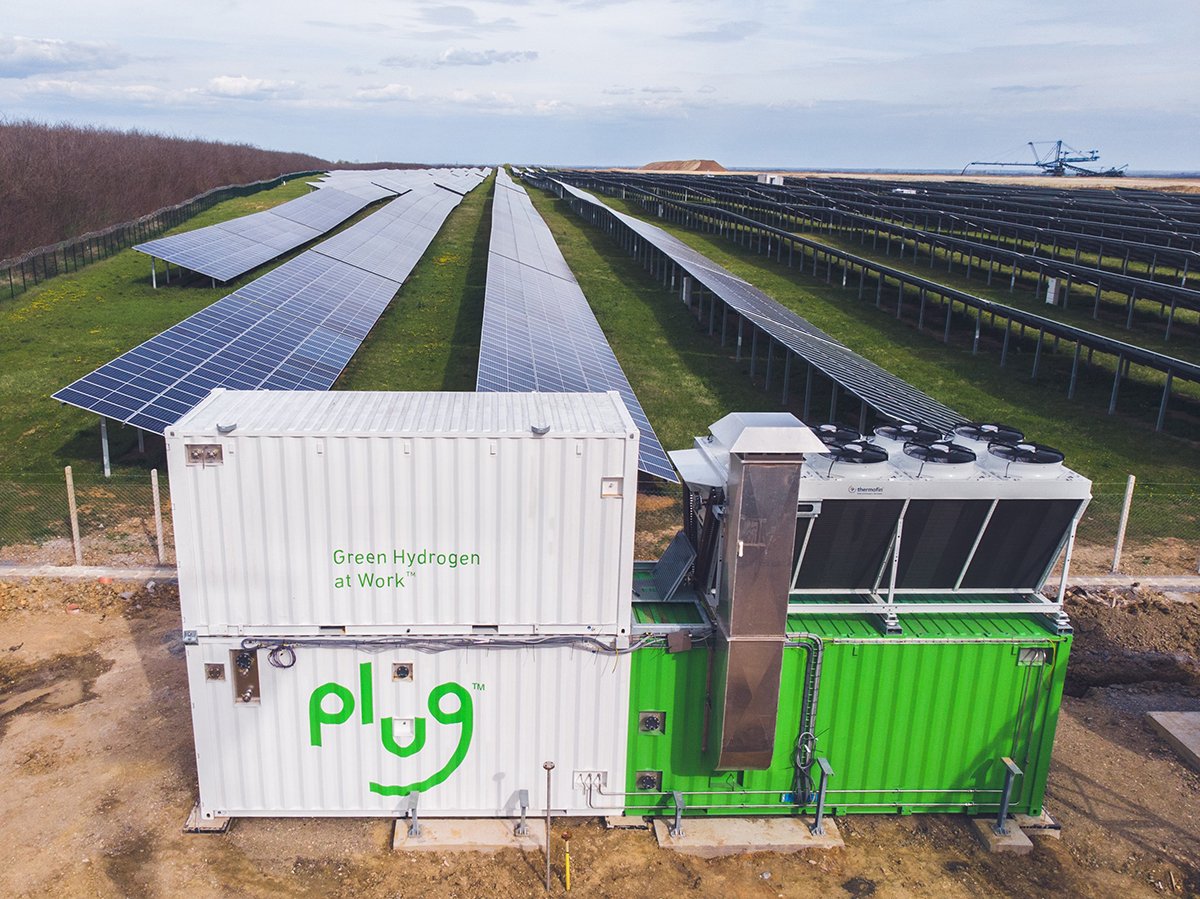
Hyperscalers Drive Surge in Energy Demand for Data Centers

- Capital Expenditure Supercycle: The construction of hyperscale data centers has triggered an unprecedented capital expenditure supercycle, creating wealth for companies that can meet the diverse needs of these facilities.
- Bloom Energy's Technological Edge: Bloom Energy's solid-oxide fuel cell technology stands out in hyperscale data centers, capable of delivering reliable on-site baseload power within months, addressing urgent energy demands from clients.
- Market Opportunity for Plug Power: Plug Power focuses on a hydrogen ecosystem, offering zero-emission backup power; however, it faces challenges due to the underdeveloped hydrogen supply chain, yet its products could meet energy needs for data centers.
- Customer Acquisition Challenges: While Bloom Energy has secured significant contracts with hyperscalers like Oracle, Plug Power must establish binding agreements with hyperscale clients before the hydrogen supply chain is fully developed to achieve profitability.
See More
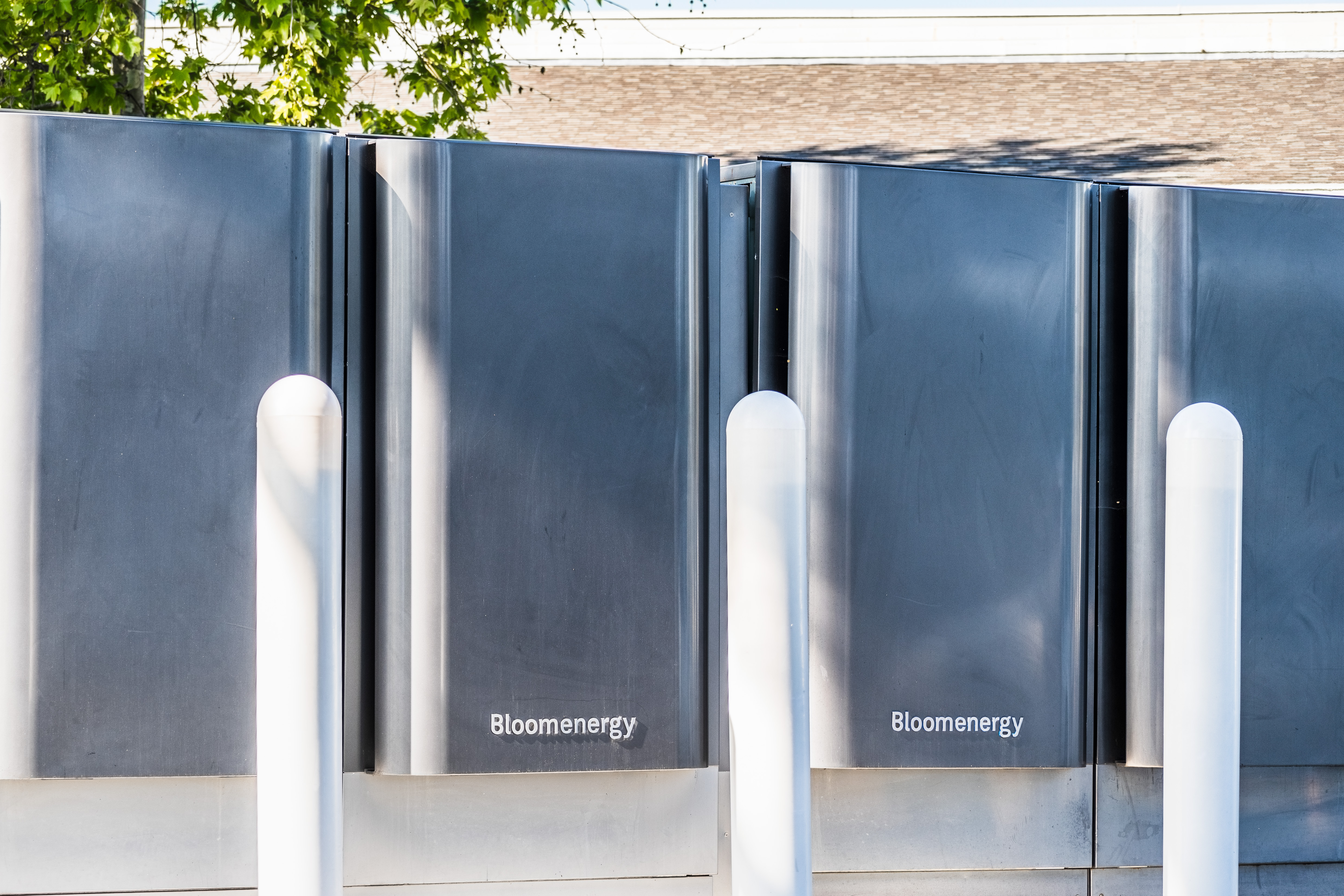
Bloom Energy Seizes Opportunity Amid Local Opposition to Data Centers
- Environmental Technology Advantage: Bloom Energy CEO KR Sridhar emphasized that the company's fuel cells are cleaner and quieter than conventional power systems, presenting a community-friendly business opportunity amid rising local opposition to data centers.
- Major Project Partnerships: Bloom Energy secured a deal in New Mexico to supply 2.5 GW of power for an Oracle data center, while Dutch AI cloud provider Nebius opted for Bloom's technology over traditional gas turbines, highlighting its environmental benefits.
- Self-Sufficient Capital Needs: Sridhar stated that Bloom Energy does not need to sell shares to raise capital, as the company can recover the cost of building a new factory through sales within six months, showcasing strong financial self-sufficiency.
- Market Recognition Growth: Bloom Energy's stock surged 14-fold over the past year, allowing it to qualify for the Russell Top 200 index, marking a rapid ascent from the small-cap Russell 2000 index and boosting market confidence in its future growth.
See More
Bloom Energy's Strong Growth and AI Partnerships
- Quick ROI: Bloom Energy claims it can recover the cost of building a new factory within six months through sales, demonstrating strong market demand and profitability, which further solidifies its position in the rapidly growing AI data center market.
- Expanded AI Partnerships: The partnership with Oracle was expanded in April, expected to support up to 2.8 GW of power capacity, with 1.2 GW already deployed in U.S. projects, indicating strong demand and market leadership in AI infrastructure.
- Strong Financial Performance: Bloom Energy reported a 130.4% year-over-year revenue increase in Q1 2026, reaching $751.1 million, with operating income of $72.2 million, showcasing significant financial improvement driven by AI market demand.
- Competitive Market Advantage: Bloom Energy's stock surged over 1,396% in the past 12 months, significantly outperforming competitors, reflecting strong investor confidence in its potential and future growth in low-carbon energy solutions.
See More
Bloom Energy: Key Enabler of AI Infrastructure Growth
- Significant Revenue Growth: Bloom Energy's advanced fuel cells have become the preferred choice for data center developers, driving an 80% revenue increase this year, surpassing the initial expectation of 60%, indicating strong demand in the rapidly growing AI infrastructure market.
- Market Partnership Expansion: Cloud giant Oracle has expanded its partnership with Bloom Energy to deploy up to 2.8 GW of fuel cell capacity, aimed at accelerating its AI infrastructure build-out, highlighting Bloom Energy's critical role in meeting data center power demands.
- Valuation Risks: With a market cap of $75 billion, Bloom Energy trades at 22 times sales and a staggering 135 times forward earnings, suggesting that while the company's outlook is positive, the high valuation may pose risks for investors in the short term.
- Options Strategy Income: To buy Bloom Energy shares at a lower price during a pullback, investors are writing put options to earn income, anticipating the ability to purchase shares at nearly 50% below the current price, thus achieving higher investment returns.
See More
Bloom Energy Emerges as Leader in AI Data Center Power Solutions
- Surging Market Demand: Bloom Energy's advanced fuel cells have become the power solution of choice for data center developers, driving an 80% revenue growth that exceeds the initial expectation of 60%, highlighting its critical role in the rapidly expanding AI infrastructure market.
- Strategic Partnership Expansion: Cloud computing giant Oracle has expanded its partnership with Bloom Energy to deploy up to 2.8 GW of fuel cell capacity to accelerate its AI infrastructure build-out, indicating strong trust and reliance from large-scale data center developers.
- Stock Price Surge: Bloom Energy's stock has skyrocketed by 1,470% over the past year, with a current P/E ratio of 135, reflecting strong market confidence in its future growth potential despite the high valuation.
- Investment Strategy Adjustment: Due to Bloom Energy's high volatility, investors are writing put options to potentially buy shares at a lower price while earning options premiums, demonstrating a cautiously optimistic outlook on the company's future performance.
See More
Industrial Stocks Under Pressure, Lagging Broader Market Performance
- Weak Sector Returns: The industrial sector posted a mere 0.65% monthly return, significantly trailing the S&P 500's 4.49% gain, indicating a lack of investor confidence and potential long-term implications for capital allocation in the sector.
- Electrical Components Decline: The Electrical Components and Equipment industry saw major players like Eos Energy Enterprises drop approximately 12.9% to $8.20, reflecting heightened risk aversion among investors and a potential reevaluation of sector fundamentals.
- Peer Performance Issues: Fluence Energy and American Superconductor experienced declines of around 11% and 9%, respectively, while Bloom Energy and FuelCell Energy also faced significant drops, suggesting a synchronized downturn that may prompt investors to reassess their holdings in the sector.
- Cautious Market Sentiment: The Dow Jones Industrial Average fell 1.21% and the S&P 500 dropped 0.74%, marking the first red close in ten trading sessions, indicating a shift towards risk-off sentiment that could affect future investment strategies.
See More
Hyperscalers Drive Surge in Energy Demand for Data Centers
- Capital Expenditure Supercycle: The construction of hyperscale data centers has triggered an unprecedented capital expenditure supercycle, creating wealth for companies that can meet the diverse needs of these facilities.
- Bloom Energy's Technological Edge: Bloom Energy's solid-oxide fuel cell technology stands out in hyperscale data centers, capable of delivering reliable on-site baseload power within months, addressing urgent energy demands from clients.
- Market Opportunity for Plug Power: Plug Power focuses on a hydrogen ecosystem, offering zero-emission backup power; however, it faces challenges due to the underdeveloped hydrogen supply chain, yet its products could meet energy needs for data centers.
- Customer Acquisition Challenges: While Bloom Energy has secured significant contracts with hyperscalers like Oracle, Plug Power must establish binding agreements with hyperscale clients before the hydrogen supply chain is fully developed to achieve profitability.
See More
Bloom Energy Seizes Opportunity Amid Local Opposition to Data Centers
- Environmental Technology Advantage: Bloom Energy CEO KR Sridhar emphasized that the company's fuel cells are cleaner and quieter than conventional power systems, presenting a community-friendly business opportunity amid rising local opposition to data centers.
- Major Project Partnerships: Bloom Energy secured a deal in New Mexico to supply 2.5 GW of power for an Oracle data center, while Dutch AI cloud provider Nebius opted for Bloom's technology over traditional gas turbines, highlighting its environmental benefits.
- Self-Sufficient Capital Needs: Sridhar stated that Bloom Energy does not need to sell shares to raise capital, as the company can recover the cost of building a new factory through sales within six months, showcasing strong financial self-sufficiency.
- Market Recognition Growth: Bloom Energy's stock surged 14-fold over the past year, allowing it to qualify for the Russell Top 200 index, marking a rapid ascent from the small-cap Russell 2000 index and boosting market confidence in its future growth.
See More
Bloom Energy's Strong Growth and AI Partnerships
- Quick ROI: Bloom Energy claims it can recover the cost of building a new factory within six months through sales, demonstrating strong market demand and profitability, which further solidifies its position in the rapidly growing AI data center market.
- Expanded AI Partnerships: The partnership with Oracle was expanded in April, expected to support up to 2.8 GW of power capacity, with 1.2 GW already deployed in U.S. projects, indicating strong demand and market leadership in AI infrastructure.
- Strong Financial Performance: Bloom Energy reported a 130.4% year-over-year revenue increase in Q1 2026, reaching $751.1 million, with operating income of $72.2 million, showcasing significant financial improvement driven by AI market demand.
- Competitive Market Advantage: Bloom Energy's stock surged over 1,396% in the past 12 months, significantly outperforming competitors, reflecting strong investor confidence in its potential and future growth in low-carbon energy solutions.
See More