BlackRock Adjusts Closed-End Fund Distribution Schedule to Enhance Transparency
Written by Emily J. Thompson, Senior Investment Analyst
Updated: Jan 02 2026
0mins

Source: Businesswire
- Distribution Schedule Change: BlackRock has announced a shift in its closed-end funds' distribution frequency from monthly to quarterly, enhancing visibility on future distributions, which is expected to boost investor confidence and optimize liquidity.
- Stable Distribution Amounts: For instance, the BlackRock Municipal 2030 Target Term Trust (BTT) maintains a monthly distribution of $0.046400, ensuring a consistent cash flow for investors and reflecting the company's ongoing commitment to shareholder returns.
- Compliance Notification: To comply with Section 19 of the Investment Company Act of 1940, all funds have sent notices to shareholders, ensuring transparency and meeting regulatory requirements, thereby enhancing the company's credibility among investors.
- Future Outlook: BlackRock's managed distribution plan aims to ensure stable monthly distributions, which is expected to attract more investor interest and potentially enhance the funds' market performance and net asset value.
Trade with 70% Backtested Accuracy
Stop guessing "Should I Buy BLK?" and start using high-conviction signals backed by rigorous historical data.
Sign up today to access powerful investing tools and make smarter, data-driven decisions.
Analyst Views on BLK
Wall Street analysts forecast BLK stock price to rise
10 Analyst Rating
8 Buy
2 Hold
0 Sell
Strong Buy
Current: 1048.600

Low
1209
Averages
1354
High
1550
Current: 1048.600
Low
1209
Averages
1354
High
1550
About BLK
BlackRock, Inc. is an investment management company. The Company provides a range of investment management and technology and subscription services to institutional and retail clients. Its diverse platforms of alpha-seeking active, private markets, index and cash management investment strategies across asset classes enable it to tailor investment outcomes and asset allocation solutions for clients. Its product offerings include single- and multi-asset portfolios investing in equities, fixed income, alternatives, and money market instruments. Its products are offered directly and through intermediaries in a range of vehicles, including open-end and closed-end mutual funds, iShares exchange-traded funds, separate accounts, collective investment funds and other pooled investment vehicles. It also offers technology services, including the investment and risk management technology platform, Aladdin, Aladdin Wealth, eFront, and Cachematrix, as well as advisory services and solutions.
About the author

Emily J. Thompson
Emily J. Thompson, a Chartered Financial Analyst (CFA) with 12 years in investment research, graduated with honors from the Wharton School. Specializing in industrial and technology stocks, she provides in-depth analysis for Intellectia’s earnings and market brief reports.

BlackRock Reshapes Institutional Bitcoin Demand

- Massive Inflows: BlackRock pulled in a staggering $505.7 million into its iShares Bitcoin Trust ETF within just 48 hours, with $213.8 million on April 14 and $291.9 million on April 15, showcasing robust institutional demand and solidifying its top position in ETF inflows.
- Surge in Bitcoin Holdings: The firm's total Bitcoin holdings have reached $59.31 billion, with an average client entry price near $89,000, reflecting a significant increase of over $11 billion since February 25, indicating strong recovery demand from large investors.
- Overall Market Trends: On April 15, U.S. spot Bitcoin ETFs saw total inflows of $186 million, with BlackRock's ETF capturing the largest share, highlighting the resurgence of the Bitcoin market and the broad interest from institutional investors.
- Positive CEO Outlook: BlackRock CEO Larry Fink stated in a CNBC interview that the growth of the global capital market is just beginning, emphasizing that historically, “buying the dips” has consistently rewarded investors, further boosting market confidence in the firm's cryptocurrency investments.
See More
Apollo CEO Defends Private Credit Amid Market Scrutiny

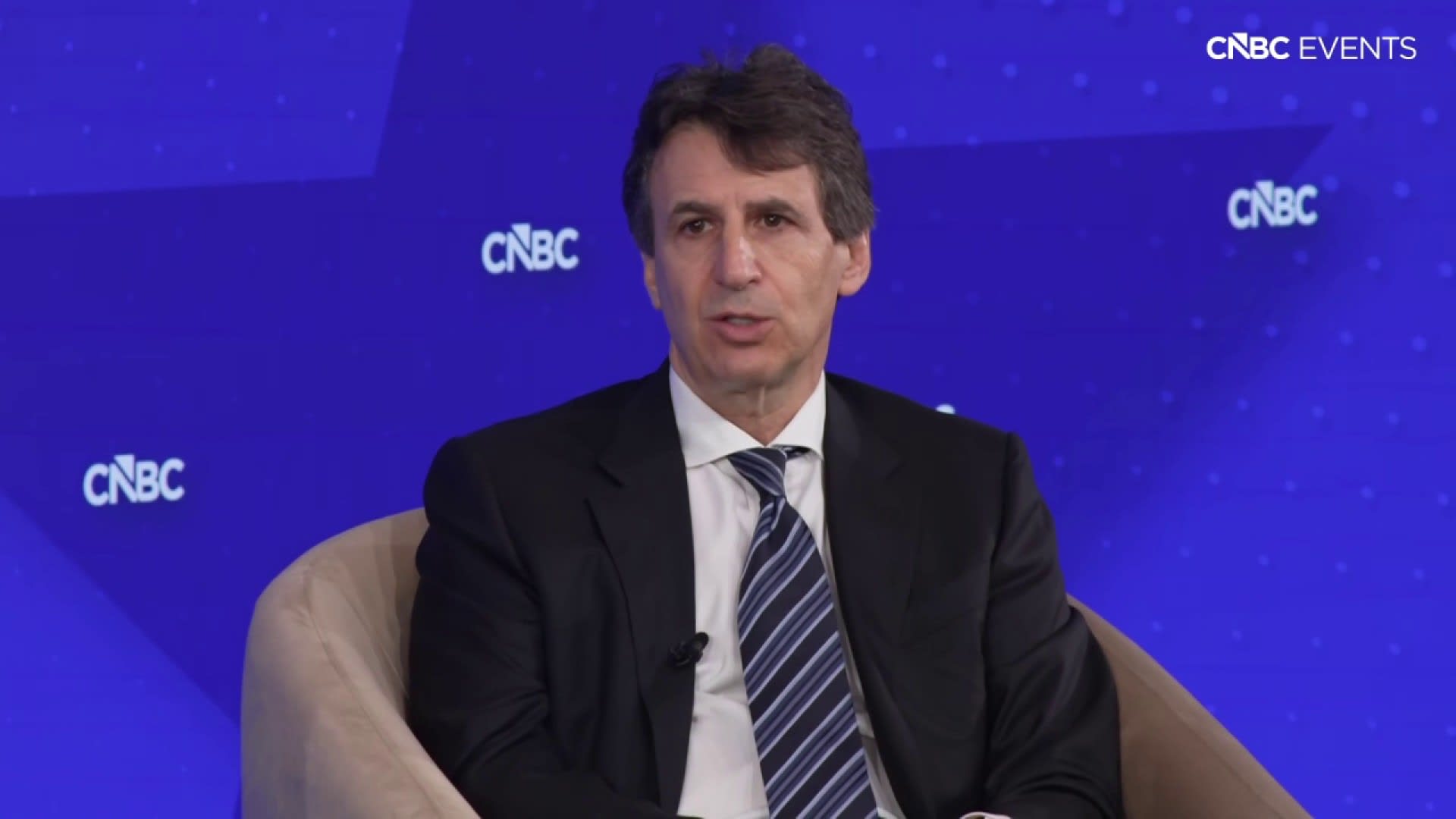
- Redemption Policy: Apollo Global Management has set a 5% quarterly redemption limit in its private credit fund, despite other firms relaxing their limits, aiming to maintain liquidity and bolster investor confidence, even as it faces redemption requests representing 11% of its assets.
- Market Risk Assessment: CEO Marc Rowan stated that software sector valuations are generally overstated, particularly in the context of rapid AI advancements, emphasizing the need for investors to have a clear understanding of their holdings to avoid potential risks and losses.
- Investment Scale and Returns: Last year, Apollo originated $310 billion in new investments, with 80% being investment-grade financing, serving major clients like Intel, BP, and Shell, indicating a robust investment strategy in a high-risk market.
- Role of Tech Companies in Debt Market: Rowan noted that the influence of technology companies in the debt market will continue to grow, predicting that in the next five years, major issuers of investment-grade debt will be dominated by large tech firms and banks, reflecting significant structural changes in the market.
See More

Global Equities Reach Record Highs Amid Truce Talks


- Market Surge: Global equities have surged, with the S&P 500 rising 0.80% and the Nasdaq Composite gaining 1.59%, both reaching record highs amid optimism surrounding the first direct talks between Israel and Lebanon in over 30 years, indicating strong investor confidence in market prospects.
- Japan's Performance: The Nikkei 225 index hit a new high, driven by a broader rally in Asian markets, particularly in technology and consumer cyclical stocks, reflecting investor confidence in the region's economic recovery.
- China's Economic Growth: China's GDP grew by 5% in the first quarter, exceeding economists' forecast of 4.8%, as reported by the National Bureau of Statistics, showcasing the resilience of the Chinese economy despite potential global demand shocks from the Iran conflict.
- World Bank Caution: The World Bank president cautioned in an interview that economic disruptions related to conflicts could last for months, even if the current fragile ceasefire holds, posing a potential threat to global economic recovery.
See More

India's E-commerce Market Experiences Rapid Growth


- Investment Commitment: Amazon's pledge of $35 billion in India last year aims to digitize 12 million small businesses and enhance logistics infrastructure, demonstrating confidence in future market potential despite online shopping accounting for only 1.6% of GDP.
- User Growth Trend: According to Deloitte, India's e-commerce market experienced a compound annual growth of 23% from 2020 to 2025, with projections indicating it will reach $250 billion by 2030, highlighting both user growth and increased spending per shopper.
- Rise of Small City Consumers: Deloitte reports that over 60% of online shoppers come from smaller cities, marking a decisive shift in consumer dynamics and driving e-commerce order growth, indicating a rapid increase in purchasing power among these consumers.
- Quick Commerce Model: Amazon's quick commerce service, Amazon Now, sees a 25% month-over-month order growth, with Prime members tripling their shopping frequency, underscoring the significance of rapid delivery in meeting the demands of consumers in smaller cities.
See More
BlackRock Forecasts 80% Surge in Semiconductor Earnings by 2026


- Earnings Surge Expectation: BlackRock anticipates an 80% increase in semiconductor earnings by 2026, indicating strong market demand that could drive investments and expansions within the sector.
- Geopolitical Risks: However, the shutdown of the Strait of Hormuz poses a threat to this optimistic forecast, potentially leading to supply chain disruptions that could affect the stability of semiconductor production and delivery.
- Market Reaction Potential: Should semiconductor earnings grow as expected, it may attract increased investor interest in the sector, further driving stock prices up and enhancing market confidence.
- Strategic Adjustment Necessity: In light of potential geopolitical risks, semiconductor companies may need to reassess their supply chain strategies to maintain competitiveness and profitability in an uncertain environment.
See More

Inflation and Private Credit Risks Intensify


- Strong Market Performance: Despite recession fears and consumer pessimism, the S&P 500 has risen nearly 30% over the past year, demonstrating market resilience and investor confidence; however, this optimism may be threatened by emerging risks.
- Rising Private Credit Risks: With increasing default rates in private credit, firms like Morgan Stanley and Blackstone have restricted investor withdrawals from their private credit funds, which could lead to liquidity crises and impact shareholder interests, highlighting vulnerabilities in the financial markets.
- Escalating Inflation Pressure: U.S. inflation surged from 2.4% to 3.3%, driven by rising oil and gas prices, which may not have been factored into private lending models, increasing the risk of borrower defaults and destabilizing related industries.
- Caution for Investors: Given the potential spread of inflation and private credit issues into the financial sector, investors should exercise caution when purchasing financial stocks or stocks of businesses vulnerable to inflation to avoid potential investment losses.
See More
BlackRock Reshapes Institutional Bitcoin Demand
- Massive Inflows: BlackRock pulled in a staggering $505.7 million into its iShares Bitcoin Trust ETF within just 48 hours, with $213.8 million on April 14 and $291.9 million on April 15, showcasing robust institutional demand and solidifying its top position in ETF inflows.
- Surge in Bitcoin Holdings: The firm's total Bitcoin holdings have reached $59.31 billion, with an average client entry price near $89,000, reflecting a significant increase of over $11 billion since February 25, indicating strong recovery demand from large investors.
- Overall Market Trends: On April 15, U.S. spot Bitcoin ETFs saw total inflows of $186 million, with BlackRock's ETF capturing the largest share, highlighting the resurgence of the Bitcoin market and the broad interest from institutional investors.
- Positive CEO Outlook: BlackRock CEO Larry Fink stated in a CNBC interview that the growth of the global capital market is just beginning, emphasizing that historically, “buying the dips” has consistently rewarded investors, further boosting market confidence in the firm's cryptocurrency investments.
See More
Apollo CEO Defends Private Credit Amid Market Scrutiny
- Redemption Policy: Apollo Global Management has set a 5% quarterly redemption limit in its private credit fund, despite other firms relaxing their limits, aiming to maintain liquidity and bolster investor confidence, even as it faces redemption requests representing 11% of its assets.
- Market Risk Assessment: CEO Marc Rowan stated that software sector valuations are generally overstated, particularly in the context of rapid AI advancements, emphasizing the need for investors to have a clear understanding of their holdings to avoid potential risks and losses.
- Investment Scale and Returns: Last year, Apollo originated $310 billion in new investments, with 80% being investment-grade financing, serving major clients like Intel, BP, and Shell, indicating a robust investment strategy in a high-risk market.
- Role of Tech Companies in Debt Market: Rowan noted that the influence of technology companies in the debt market will continue to grow, predicting that in the next five years, major issuers of investment-grade debt will be dominated by large tech firms and banks, reflecting significant structural changes in the market.
See More
Global Equities Reach Record Highs Amid Truce Talks
- Market Surge: Global equities have surged, with the S&P 500 rising 0.80% and the Nasdaq Composite gaining 1.59%, both reaching record highs amid optimism surrounding the first direct talks between Israel and Lebanon in over 30 years, indicating strong investor confidence in market prospects.
- Japan's Performance: The Nikkei 225 index hit a new high, driven by a broader rally in Asian markets, particularly in technology and consumer cyclical stocks, reflecting investor confidence in the region's economic recovery.
- China's Economic Growth: China's GDP grew by 5% in the first quarter, exceeding economists' forecast of 4.8%, as reported by the National Bureau of Statistics, showcasing the resilience of the Chinese economy despite potential global demand shocks from the Iran conflict.
- World Bank Caution: The World Bank president cautioned in an interview that economic disruptions related to conflicts could last for months, even if the current fragile ceasefire holds, posing a potential threat to global economic recovery.
See More
India's E-commerce Market Experiences Rapid Growth
- Investment Commitment: Amazon's pledge of $35 billion in India last year aims to digitize 12 million small businesses and enhance logistics infrastructure, demonstrating confidence in future market potential despite online shopping accounting for only 1.6% of GDP.
- User Growth Trend: According to Deloitte, India's e-commerce market experienced a compound annual growth of 23% from 2020 to 2025, with projections indicating it will reach $250 billion by 2030, highlighting both user growth and increased spending per shopper.
- Rise of Small City Consumers: Deloitte reports that over 60% of online shoppers come from smaller cities, marking a decisive shift in consumer dynamics and driving e-commerce order growth, indicating a rapid increase in purchasing power among these consumers.
- Quick Commerce Model: Amazon's quick commerce service, Amazon Now, sees a 25% month-over-month order growth, with Prime members tripling their shopping frequency, underscoring the significance of rapid delivery in meeting the demands of consumers in smaller cities.
See More
BlackRock Forecasts 80% Surge in Semiconductor Earnings by 2026
- Earnings Surge Expectation: BlackRock anticipates an 80% increase in semiconductor earnings by 2026, indicating strong market demand that could drive investments and expansions within the sector.
- Geopolitical Risks: However, the shutdown of the Strait of Hormuz poses a threat to this optimistic forecast, potentially leading to supply chain disruptions that could affect the stability of semiconductor production and delivery.
- Market Reaction Potential: Should semiconductor earnings grow as expected, it may attract increased investor interest in the sector, further driving stock prices up and enhancing market confidence.
- Strategic Adjustment Necessity: In light of potential geopolitical risks, semiconductor companies may need to reassess their supply chain strategies to maintain competitiveness and profitability in an uncertain environment.
See More
Inflation and Private Credit Risks Intensify
- Strong Market Performance: Despite recession fears and consumer pessimism, the S&P 500 has risen nearly 30% over the past year, demonstrating market resilience and investor confidence; however, this optimism may be threatened by emerging risks.
- Rising Private Credit Risks: With increasing default rates in private credit, firms like Morgan Stanley and Blackstone have restricted investor withdrawals from their private credit funds, which could lead to liquidity crises and impact shareholder interests, highlighting vulnerabilities in the financial markets.
- Escalating Inflation Pressure: U.S. inflation surged from 2.4% to 3.3%, driven by rising oil and gas prices, which may not have been factored into private lending models, increasing the risk of borrower defaults and destabilizing related industries.
- Caution for Investors: Given the potential spread of inflation and private credit issues into the financial sector, investors should exercise caution when purchasing financial stocks or stocks of businesses vulnerable to inflation to avoid potential investment losses.
See More