Berkshire's New Strategy Post-Buffett Transition
Written by Emily J. Thompson, Senior Investment Analyst
Updated: Mar 01 2026
0mins
Should l Buy KHC?
Source: Benzinga
- New CEO Vision: In his first shareholder letter, new CEO Abel emphasized that Berkshire will continue to manage external capital as a trust, maintaining a decision-making culture anchored in integrity and patience, ensuring the company remains flexible and robust in future competition.
- Kraft Heinz Challenges: Kraft Heinz's fourth-quarter adjusted EPS fell 20.2% to 67 cents, with sales at $6.354 billion, below Wall Street expectations, highlighting significant challenges in the company's efforts to restart growth, which Abel expressed concern over.
- Financial Resilience: Abel pointed out that Berkshire's cash and U.S. Treasury holdings exceed $370 billion, emphasizing the importance of maintaining insurance discipline and prudent debt usage in risk management as a competitive advantage.
- Leadership Changes: Abel announced that CFO Hamburg will retire in June 2027, with his successor taking over in June 2026, while the addition of new General Counsel O'Sullivan marks a further enhancement of the company's governance structure.
Trade with 70% Backtested Accuracy
Stop guessing "Should I Buy KHC?" and start using high-conviction signals backed by rigorous historical data.
Sign up today to access powerful investing tools and make smarter, data-driven decisions.
Analyst Views on KHC
Wall Street analysts forecast KHC stock price to rise
15 Analyst Rating
0 Buy
14 Hold
1 Sell
Hold
Current: 22.270

Low
24.00
Averages
25.86
High
28.00
Current: 22.270
Low
24.00
Averages
25.86
High
28.00
About KHC
The Kraft Heinz Company manufactures and markets food and beverage products around the world through its eight consumer-driven product platforms: Taste Elevation, Easy Ready Meals, Substantial Snacking, Desserts, Hydration, Cheese, Coffee, Meats, and other grocery products. The Company has two reportable segments defined by geographic region: North America and International Developed Markets. Its other segments, consisting of West and East Emerging Markets (WEEM) and Asia Emerging Markets (AEM), are combined and disclosed as Emerging Markets. It manufactures its products from a wide variety of raw materials. Its brands include Kraft, Oscar Mayer, Heinz, Philadelphia, Lunchables, Velveeta, Ore-Ida, Capri Sun, Maxwell Apartment, Kool-Aid, Jell-O, Heinz, Golden Circle, Wattie’s, Plasmon, Heinz, ABC, Master, Quero, Kraft, and Pudliszki, among others. The Company’s products are sold through its own sales organizations and through independent brokers, agents, and distributors.
About the author

Emily J. Thompson
Emily J. Thompson, a Chartered Financial Analyst (CFA) with 12 years in investment research, graduated with honors from the Wharton School. Specializing in industrial and technology stocks, she provides in-depth analysis for Intellectia’s earnings and market brief reports.

Kraft Heinz Downgraded Amid Cost Pressures in Food Sector
- Downgrade Announcement: TD Cowen analyst Robert Moskow has lowered the price target for Kraft Heinz (KHC) from $24 to $20 while maintaining a Hold rating, reflecting the cost pressures and limited pricing power faced by the food sector.
- Earnings Estimate Reduction: The firm has also reduced earnings estimates for several large-cap food companies due to rising input costs linked to the Iran war, indicating that many firms are now prioritizing debt reduction in light of margin pressures expected in 2025.
- Investment Strategy: During the Q4 2025 earnings call, Kraft Heinz management announced a planned $600 million investment aimed at pricing, product development, packaging, and capability building, with half allocated to strengthening brands and consumer-facing initiatives to enhance market positioning by 2026.
- Growth Aspirations: CEO Steven Cahillane indicated that the company is working towards returning to growth by 2027, with expectations for improved trends in the second half of the year, while addressing potential SNAP-related pressures through pricing strategy adjustments and pack size modifications.
See More

Etsy and Nike Face Declining Sales Challenges


- Etsy's Sales Struggles: Etsy's gross merchandise sales dropped by 5.3% year-over-year in 2025, indicating a trend of customer loss and profit decline, although Q4 showed a slight recovery of 2.4% when excluding Reverb sales, the overall outlook remains bleak.
- Depop Sale Loss: Etsy sold Depop for $1.2 billion, significantly lower than the $1.625 billion it paid in 2021, highlighting the company's weakened position in market competition, which may affect future investor confidence.
- Nike's Revenue Stagnation: Nike has experienced a -2.27% CAGR over the past three years, indicating a continuous loss of market share; while wholesale revenue grew by 5% year-over-year, direct sales fell by 4%, reflecting overall growth challenges.
- Tesla's Growth Challenges: Tesla's revenue declined by 3% year-over-year in 2025, with a 10% drop in automobile sales; despite exceeding a $1 trillion market cap, a P/E ratio above 300 indicates immediate valuation risks, as long-term growth potential has yet to materialize meaningfully.
See More

Investment Risk Alert: Etsy, Nike, Tesla
- Etsy Sales Decline: Etsy's gross merchandise sales fell by 5.3% year-over-year, and despite a slight recovery in Q4 excluding Reverb sales, the overall decrease in active buyers and sellers led to a drop in net income, indicating a weakening market appeal that could hinder future revenue growth.
- Nike Revenue Struggles: Nike has experienced a -2.27% CAGR over the past three years, with wholesale revenue up 5% year-over-year but offset by a 4% decline in direct sales, reflecting a loss of market share and casting doubt on future growth prospects.
- Tesla Profitability Risks: Despite Tesla exceeding a $1 trillion market cap, its revenue dipped by 3% year-over-year in 2025, with a 10% decline in automobile sales and a 46% drop in GAAP net income, highlighting significant growth challenges that investors should be wary of.
- Market Sentiment Shift: As these companies face fundamental issues, investors may need to reassess the risks of holding these stocks, especially ahead of their upcoming earnings reports, which could impact stock performance.
See More

Investment Risk Alert: Etsy, Nike, Tesla

- Etsy Sales Decline: Etsy's gross merchandise sales fell by 5.3% year-over-year in 2025, and while there was a slight recovery in Q4 excluding Reverb sales, the overall decrease in active buyers and sellers alongside a drop in net income indicates a weakening market position.
- Nike's Weak Performance: In its Q3 fiscal 2026 report, Nike showed flat year-over-year revenue despite a 5% increase in wholesale revenue, as direct sales declined by 4%, highlighting ongoing market share losses, particularly with a 7% drop in sales in China.
- Tesla's Growth Obstacles: Despite exceeding a $1 trillion market cap, Tesla's revenue dipped by 3% year-over-year in 2025, with a 10% decline in automobile sales and a 46% drop in GAAP net income, indicating significant challenges in sustaining growth in the electric vehicle market.
- Investor Confidence Shaken: With the declining performance of Etsy, Nike, and Tesla, investor confidence in these once high-flying stocks is waning, prompting analysts to suggest considering divestment ahead of upcoming earnings reports to avoid potential larger losses.
See More
Buffett's Retirement Sparks Strategic Shift at Berkshire Hathaway
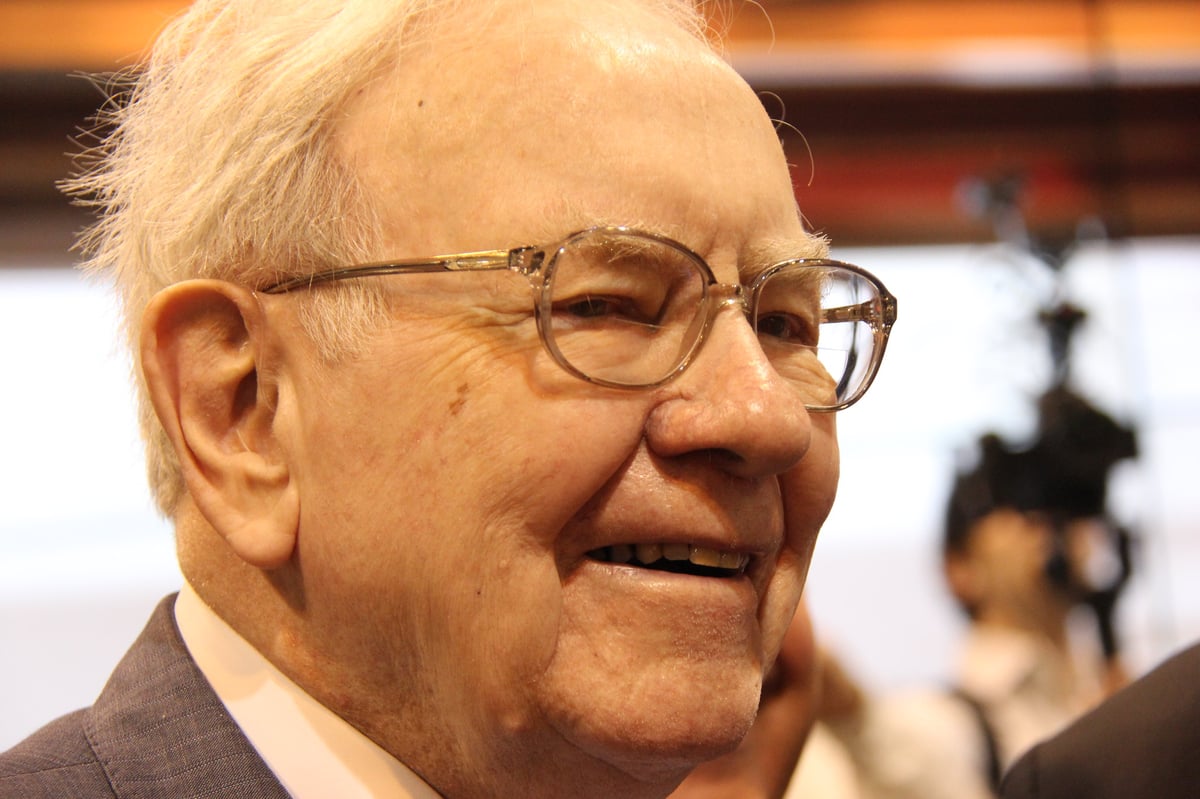
- Buffett's Investment Mistake: Warren Buffett admitted that investing in Kraft Heinz was a mistake, as the company announced significant write-downs, indicating he overpaid for the business; however, he maintained his traditional investment approach without taking more active measures amid ongoing struggles.
- Abel's Active Investment: New CEO Greg Abel made it clear he was displeased with Kraft Heinz and intended to sell the stock, quickly demonstrating a more active investment style than Buffett, indicating a shift towards more hands-on management strategies.
- Kraft Heinz's Strategic Shift: Following Abel's expression of dissatisfaction, Kraft Heinz's new CEO announced a focus on significant improvements within the existing business; while it's unclear if Abel's intentions directly influenced this decision, Berkshire's over 27% stake suggests his impact is significant.
- Berkshire's Holding Strategy: Abel indicated that Berkshire Hathaway would not sell its Kraft Heinz stake, showing a willingness to adjust strategies as market conditions change, reflecting confidence in future investments and providing a positive signal for Berkshire investors.
See More
Kraft Heinz Shares Slip After Six-Day Rally
- Stock Pullback: Shares of The Kraft Heinz Company (KHC) fell 1.02% to $22.26 on Wednesday afternoon, ending a six-session rally, indicating a defensive positioning in the consumer staples sector amid market volatility.
- Market Performance Comparison: Between March 24 and March 31, KHC's stock rose approximately 5.5%, contrasting with a mere 0.43% decline in the S&P 500 during the same period, showcasing the company's relative strength in the consumer goods sector.
- Analyst Ratings: According to Seeking Alpha's QuantRating system, KHC holds a 'Hold' rating with a score of 3.06, receiving an A for valuation but an F for growth, highlighting ongoing weaknesses in its fundamentals.
- Long-Term Outlook: While KHC's low valuation and high dividend yield may attract investors, analysts caution that persistent declines in revenue and margins, along with negative total returns, signal deeper structural issues, suggesting that the market's pessimism may reflect a lack of compelling value.
See More
Kraft Heinz Downgraded Amid Cost Pressures in Food Sector
- Downgrade Announcement: TD Cowen analyst Robert Moskow has lowered the price target for Kraft Heinz (KHC) from $24 to $20 while maintaining a Hold rating, reflecting the cost pressures and limited pricing power faced by the food sector.
- Earnings Estimate Reduction: The firm has also reduced earnings estimates for several large-cap food companies due to rising input costs linked to the Iran war, indicating that many firms are now prioritizing debt reduction in light of margin pressures expected in 2025.
- Investment Strategy: During the Q4 2025 earnings call, Kraft Heinz management announced a planned $600 million investment aimed at pricing, product development, packaging, and capability building, with half allocated to strengthening brands and consumer-facing initiatives to enhance market positioning by 2026.
- Growth Aspirations: CEO Steven Cahillane indicated that the company is working towards returning to growth by 2027, with expectations for improved trends in the second half of the year, while addressing potential SNAP-related pressures through pricing strategy adjustments and pack size modifications.
See More
Etsy and Nike Face Declining Sales Challenges
- Etsy's Sales Struggles: Etsy's gross merchandise sales dropped by 5.3% year-over-year in 2025, indicating a trend of customer loss and profit decline, although Q4 showed a slight recovery of 2.4% when excluding Reverb sales, the overall outlook remains bleak.
- Depop Sale Loss: Etsy sold Depop for $1.2 billion, significantly lower than the $1.625 billion it paid in 2021, highlighting the company's weakened position in market competition, which may affect future investor confidence.
- Nike's Revenue Stagnation: Nike has experienced a -2.27% CAGR over the past three years, indicating a continuous loss of market share; while wholesale revenue grew by 5% year-over-year, direct sales fell by 4%, reflecting overall growth challenges.
- Tesla's Growth Challenges: Tesla's revenue declined by 3% year-over-year in 2025, with a 10% drop in automobile sales; despite exceeding a $1 trillion market cap, a P/E ratio above 300 indicates immediate valuation risks, as long-term growth potential has yet to materialize meaningfully.
See More
Investment Risk Alert: Etsy, Nike, Tesla
- Etsy Sales Decline: Etsy's gross merchandise sales fell by 5.3% year-over-year, and despite a slight recovery in Q4 excluding Reverb sales, the overall decrease in active buyers and sellers led to a drop in net income, indicating a weakening market appeal that could hinder future revenue growth.
- Nike Revenue Struggles: Nike has experienced a -2.27% CAGR over the past three years, with wholesale revenue up 5% year-over-year but offset by a 4% decline in direct sales, reflecting a loss of market share and casting doubt on future growth prospects.
- Tesla Profitability Risks: Despite Tesla exceeding a $1 trillion market cap, its revenue dipped by 3% year-over-year in 2025, with a 10% decline in automobile sales and a 46% drop in GAAP net income, highlighting significant growth challenges that investors should be wary of.
- Market Sentiment Shift: As these companies face fundamental issues, investors may need to reassess the risks of holding these stocks, especially ahead of their upcoming earnings reports, which could impact stock performance.
See More
Investment Risk Alert: Etsy, Nike, Tesla
- Etsy Sales Decline: Etsy's gross merchandise sales fell by 5.3% year-over-year in 2025, and while there was a slight recovery in Q4 excluding Reverb sales, the overall decrease in active buyers and sellers alongside a drop in net income indicates a weakening market position.
- Nike's Weak Performance: In its Q3 fiscal 2026 report, Nike showed flat year-over-year revenue despite a 5% increase in wholesale revenue, as direct sales declined by 4%, highlighting ongoing market share losses, particularly with a 7% drop in sales in China.
- Tesla's Growth Obstacles: Despite exceeding a $1 trillion market cap, Tesla's revenue dipped by 3% year-over-year in 2025, with a 10% decline in automobile sales and a 46% drop in GAAP net income, indicating significant challenges in sustaining growth in the electric vehicle market.
- Investor Confidence Shaken: With the declining performance of Etsy, Nike, and Tesla, investor confidence in these once high-flying stocks is waning, prompting analysts to suggest considering divestment ahead of upcoming earnings reports to avoid potential larger losses.
See More
Buffett's Retirement Sparks Strategic Shift at Berkshire Hathaway
- Buffett's Investment Mistake: Warren Buffett admitted that investing in Kraft Heinz was a mistake, as the company announced significant write-downs, indicating he overpaid for the business; however, he maintained his traditional investment approach without taking more active measures amid ongoing struggles.
- Abel's Active Investment: New CEO Greg Abel made it clear he was displeased with Kraft Heinz and intended to sell the stock, quickly demonstrating a more active investment style than Buffett, indicating a shift towards more hands-on management strategies.
- Kraft Heinz's Strategic Shift: Following Abel's expression of dissatisfaction, Kraft Heinz's new CEO announced a focus on significant improvements within the existing business; while it's unclear if Abel's intentions directly influenced this decision, Berkshire's over 27% stake suggests his impact is significant.
- Berkshire's Holding Strategy: Abel indicated that Berkshire Hathaway would not sell its Kraft Heinz stake, showing a willingness to adjust strategies as market conditions change, reflecting confidence in future investments and providing a positive signal for Berkshire investors.
See More
Kraft Heinz Shares Slip After Six-Day Rally
- Stock Pullback: Shares of The Kraft Heinz Company (KHC) fell 1.02% to $22.26 on Wednesday afternoon, ending a six-session rally, indicating a defensive positioning in the consumer staples sector amid market volatility.
- Market Performance Comparison: Between March 24 and March 31, KHC's stock rose approximately 5.5%, contrasting with a mere 0.43% decline in the S&P 500 during the same period, showcasing the company's relative strength in the consumer goods sector.
- Analyst Ratings: According to Seeking Alpha's QuantRating system, KHC holds a 'Hold' rating with a score of 3.06, receiving an A for valuation but an F for growth, highlighting ongoing weaknesses in its fundamentals.
- Long-Term Outlook: While KHC's low valuation and high dividend yield may attract investors, analysts caution that persistent declines in revenue and margins, along with negative total returns, signal deeper structural issues, suggesting that the market's pessimism may reflect a lack of compelling value.
See More