Belite Bio Reports $77.6M Net Loss for FY 2025
Written by Emily J. Thompson, Senior Investment Analyst
Updated: Mar 31 2026
0mins
Should l Buy BLTE?
Source: seekingalpha
- Financial Performance: Belite Bio reported a net loss of approximately $77.6 million for FY 2025, indicating high expenditures in R&D and marketing that could impact future liquidity and investor confidence.
- Cash Reserves: As of December 31, 2025, the company held about $352.9 million in cash and cash equivalents, maintaining relatively strong liquidity despite significant losses, which supports future R&D and commercialization efforts.
- Commercialization Plans: Belite Bio targets a Q2 2026 NDA submission and plans to spend between $200 million and $250 million on commercialization for its Stargardt therapy, reflecting confidence in the market potential of this treatment.
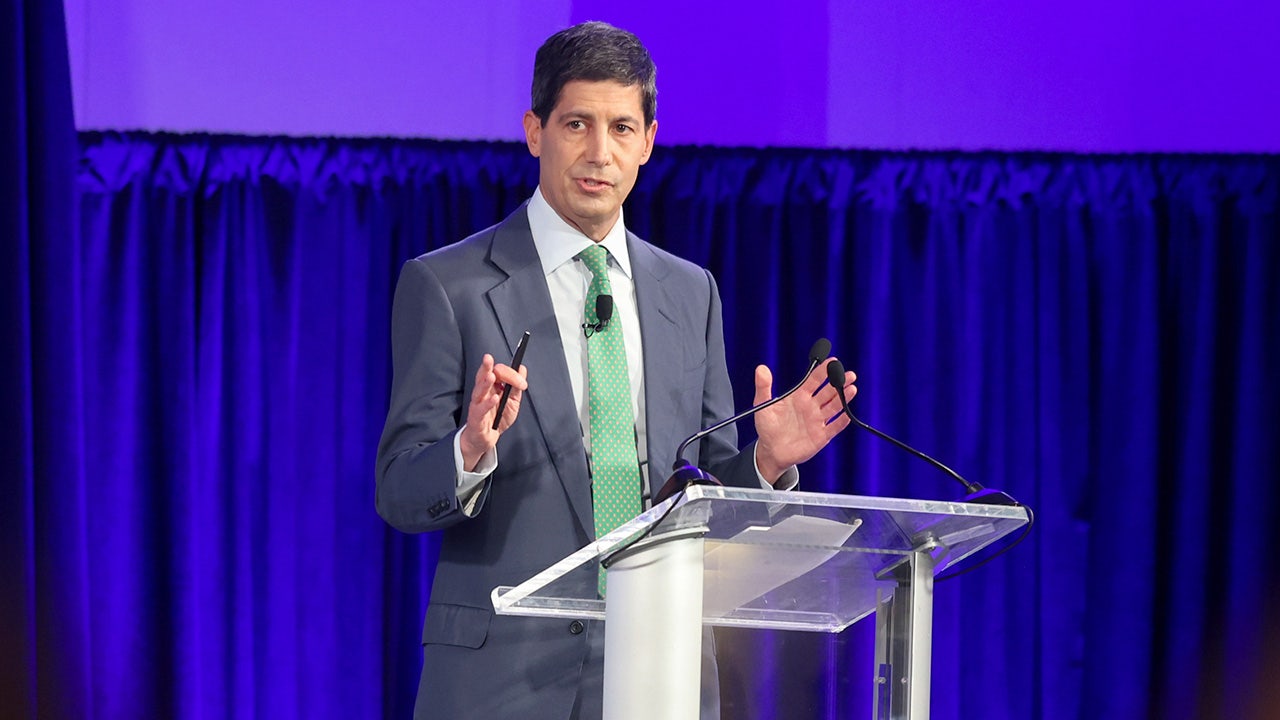
- Market Engagement: The company presented at the 41st Asia-Pacific Academy of Ophthalmology Congress to enhance brand visibility and attract potential investors, actively seeking market opportunities despite its current financial challenges.
Trade with 70% Backtested Accuracy
Stop guessing "Should I Buy BLTE?" and start using high-conviction signals backed by rigorous historical data.
Sign up today to access powerful investing tools and make smarter, data-driven decisions.
Analyst Views on BLTE
Wall Street analysts forecast BLTE stock price to rise
7 Analyst Rating
7 Buy
0 Hold
0 Sell
Strong Buy
Current: 165.450

Low
154.00
Averages
186.57
High
200.00
Current: 165.450
Low
154.00
Averages
186.57
High
200.00
About BLTE
Belite Bio, Inc is a clinical-stage biopharmaceutical drug development company. The Company is focused on advancing novel therapeutics targeting retinal degenerative eye disease, such as Geographic Atrophy (GA), age-related macular degeneration (AMD), and Stargardt disease type 1 (STGD1), both of which progressively lead to permanent blindness, and metabolic diseases such as non-alcoholic fatty liver disease (NAFLD), non-alcoholic steatohepatitis (NASH), type 2 diabetes (T2D), and gout. Its lead product candidate, Tinlarebant, is an oral daily treatment for STGD1 and GA patients. In STGD1, it is developing Tinlarebant as a once-a-day tablet treatment to target Retinol binding protein 4 (RBP4) by disrupting vitamin A (retinol) binding to RBP4, which leads to reduced delivery of retinol to the eye and reduced accumulation of toxic vitamin A by-products. Its product candidate also includes LBS-009, an anti-RBP4 oral therapy targeting liver disease, including NAFLD, NASH, and T2D.
About the author

Emily J. Thompson
Emily J. Thompson, a Chartered Financial Analyst (CFA) with 12 years in investment research, graduated with honors from the Wharton School. Specializing in industrial and technology stocks, she provides in-depth analysis for Intellectia’s earnings and market brief reports.

Insider at Belite Bio (BLTE.US) Plans to Sell $24.31 Million in Common Stock via Form 144

Stock Sale Announcement: Yu-Hsin Lin intends to sell 136,000 shares of its common stock on April 9.
Market Value: The total market value of the shares being sold is approximately $24.31 million.
See More
Insider at Belite Bio (BLTE.US) Plans to Sell $17.87 Million in Common Stock via Form 144
Company Announcement: Haoyuan Chuang intends to sell 100,000 shares of its common stock.
Market Value: The total market value of the shares being sold is approximately $17.8 million.
See More

Belite Bio Reports $77.6M Net Loss for FY 2025
- Financial Performance: Belite Bio reported a net loss of approximately $77.6 million for FY 2025, indicating high expenditures in R&D and marketing that could impact future liquidity and investor confidence.
- Cash Reserves: As of December 31, 2025, the company held about $352.9 million in cash and cash equivalents, maintaining relatively strong liquidity despite significant losses, which supports future R&D and commercialization efforts.
- Commercialization Plans: Belite Bio targets a Q2 2026 NDA submission and plans to spend between $200 million and $250 million on commercialization for its Stargardt therapy, reflecting confidence in the market potential of this treatment.
- Market Engagement: The company presented at the 41st Asia-Pacific Academy of Ophthalmology Congress to enhance brand visibility and attract potential investors, actively seeking market opportunities despite its current financial challenges.
See More

Belite Bio (BLTE) Q4 2025 Earnings Call Transcript
See More
Belite Bio Reports Q4 2025 Earnings Highlights
- Clinical Trial Success: Belite Bio achieved a 36% reduction in upper lesion growth rate in the DRAGON trial, marking a significant advancement in the commercialization pathway for Stargardt disease and enhancing the foundation for regulatory engagement.
- Financing Achievement: The company completed a $402 million public offering in Q4, with net proceeds significantly supporting commercialization preparations and pipeline expansion, demonstrating strategic foresight in capital utilization.
- Future Outlook: The CFO projected that the existing pipeline development and commercialization will cost approximately $350 million over the next three years, indicating a focused resource allocation towards the NDA submission and market launch of Tinlarebant.
- Improved Financial Position: Q4 R&D expenses doubled to $14.6 million year-over-year, with a net loss of $25.3 million; however, cash reserves increased dramatically from $145.2 million to $772.6 million, reflecting a significant improvement in financial health.
See More
Belite Bio Reports Q4 Non-GAAP EPS Beat Expectations
- Earnings Highlights: Belite Bio reported a Q4 non-GAAP EPS of -$0.38, beating expectations by $0.38, although the company still faced a net loss of $25.3 million, indicating ongoing challenges in cost management.
- Clinical Trial Progress: At the 41st Asia-Pacific Academy of Ophthalmology Congress, the company showcased positive topline results from the Phase III DRAGON trial of Tinlarebant for Stargardt disease, highlighting its research potential in the ophthalmology sector and possibly laying the groundwork for future market competition.
- Regulatory Submissions Approaching: Belite Bio is nearing key regulatory submissions, and with positive clinical data feedback, the company is positioned for faster market access in the future, enhancing its standing in the biopharmaceutical industry.
- Market Reaction: Despite the losses, the market has responded positively to the company's encouraging clinical results and regulatory progress, which may boost investor confidence and drive stock price increases in the short term.
See More
Insider at Belite Bio (BLTE.US) Plans to Sell $24.31 Million in Common Stock via Form 144
Stock Sale Announcement: Yu-Hsin Lin intends to sell 136,000 shares of its common stock on April 9.
Market Value: The total market value of the shares being sold is approximately $24.31 million.
See More
Insider at Belite Bio (BLTE.US) Plans to Sell $17.87 Million in Common Stock via Form 144
Company Announcement: Haoyuan Chuang intends to sell 100,000 shares of its common stock.
Market Value: The total market value of the shares being sold is approximately $17.8 million.
See More
Belite Bio Reports $77.6M Net Loss for FY 2025
- Financial Performance: Belite Bio reported a net loss of approximately $77.6 million for FY 2025, indicating high expenditures in R&D and marketing that could impact future liquidity and investor confidence.
- Cash Reserves: As of December 31, 2025, the company held about $352.9 million in cash and cash equivalents, maintaining relatively strong liquidity despite significant losses, which supports future R&D and commercialization efforts.
- Commercialization Plans: Belite Bio targets a Q2 2026 NDA submission and plans to spend between $200 million and $250 million on commercialization for its Stargardt therapy, reflecting confidence in the market potential of this treatment.
- Market Engagement: The company presented at the 41st Asia-Pacific Academy of Ophthalmology Congress to enhance brand visibility and attract potential investors, actively seeking market opportunities despite its current financial challenges.
See More
Belite Bio (BLTE) Q4 2025 Earnings Call Transcript
See More
Belite Bio Reports Q4 2025 Earnings Highlights
- Clinical Trial Success: Belite Bio achieved a 36% reduction in upper lesion growth rate in the DRAGON trial, marking a significant advancement in the commercialization pathway for Stargardt disease and enhancing the foundation for regulatory engagement.
- Financing Achievement: The company completed a $402 million public offering in Q4, with net proceeds significantly supporting commercialization preparations and pipeline expansion, demonstrating strategic foresight in capital utilization.
- Future Outlook: The CFO projected that the existing pipeline development and commercialization will cost approximately $350 million over the next three years, indicating a focused resource allocation towards the NDA submission and market launch of Tinlarebant.
- Improved Financial Position: Q4 R&D expenses doubled to $14.6 million year-over-year, with a net loss of $25.3 million; however, cash reserves increased dramatically from $145.2 million to $772.6 million, reflecting a significant improvement in financial health.
See More
Belite Bio Reports Q4 Non-GAAP EPS Beat Expectations
- Earnings Highlights: Belite Bio reported a Q4 non-GAAP EPS of -$0.38, beating expectations by $0.38, although the company still faced a net loss of $25.3 million, indicating ongoing challenges in cost management.
- Clinical Trial Progress: At the 41st Asia-Pacific Academy of Ophthalmology Congress, the company showcased positive topline results from the Phase III DRAGON trial of Tinlarebant for Stargardt disease, highlighting its research potential in the ophthalmology sector and possibly laying the groundwork for future market competition.
- Regulatory Submissions Approaching: Belite Bio is nearing key regulatory submissions, and with positive clinical data feedback, the company is positioned for faster market access in the future, enhancing its standing in the biopharmaceutical industry.
- Market Reaction: Despite the losses, the market has responded positively to the company's encouraging clinical results and regulatory progress, which may boost investor confidence and drive stock price increases in the short term.
See More