Beam Therapeutics Updates Safety and Efficacy Data for BEAM-302
Beam Therapeutics announced updated safety and efficacy data from the ongoing Phase 1/2 trial of BEAM-302 and the selection of 60 mg as the optimal biological dose to advance into pivotal development to support potential accelerated approval. BEAM-302 is a liver-targeting lipid-nanoparticle formulation designed to directly correct the underlying genetic mutation that causes the severe form of alpha-1 antitrypsin deficiency through base editing. BEAM-302 is being evaluated in a Phase 1/2, open-label, dose exploration and dose expansion clinical trial to investigate its safety, tolerability, pharmacodynamics, pharmacokinetics and efficacy. Part A of the trial is designed to evaluate patients with AATD-associated lung disease, while Part B evaluates patients with mild to severe liver disease, with or without lung disease. As of the February 10data cutoff date, 29 patients have been treated with BEAM-302 in Part A and Part B and followed for up to 18 months. Data from 26 patients treated with single-dose BEAM-302 support a well-tolerated safety profile up to 75 mg that is consistent across Part A and Part B. Adverse events were mild to moderate, with no serious AEs reported and no dose-limiting toxicities as of the data cutoff. Transient Grade 1 and Grade 2 infusion-related reactions and Grade 1 asymptomatic alanine transaminase and aspartate aminotransferase elevations were observed. In the multi-dose cohort, following the second dose of BEAM-302, patients experienced Grade 2 IRRs, one patient had Grade 4 ALT and Grade 3 AST elevations, and one patient had a Grade 2 ALT elevation. All ALT/AST elevations were asymptomatic and did not require treatment. No bilirubin increases were observed in any patient. Treatment with BEAM-302 led to rapid and durable increases of total and functional AAT, decreases in mutant Z-AAT, and new production of corrected M-AAT. Key data from 28 efficacy evaluable patients1 include the following: After treatment with a single dose of BEAM-302 in Part A, the steady-state circulating total AAT mean was 16.1 microM in the 60 mg cohort and 14.4 microM in the 75 mg cohort. In the multi-dose cohort, patients achieved a mean of 16.5 microM total AAT at Day 84, 28 days after the second 60 mg dose. These early data suggest a single dose of 60 mg BEAM-302 has achieved near saturation editing. Across all cohorts, increased total AAT in circulation was functional as demonstrated by a neutrophil elastase inhibition assay. Mutant Z-AAT was durably and significantly reduced after treatment with BEAM-302. The steady-state mean reduction in Z-AAT was 84% in the 60 mg cohort and 79% in the 75 mg cohort. In the multi-dose cohort, the mean reduction in Z-AAT was 80% at Day 84. Evidence of dynamic induction of AAT expression was observed during a respiratory infection around Month 8 in a patient in the 60 mg Part A cohort. During the infection, total AAT levels increased from steady-state levels of 15.9 microM to 29.5 microM while maintaining consistent AAT composition of 95% M-AAT. Following treatment with BEAM-302, newly produced corrected M-AAT comprised the majority of AAT in circulation. The steady-state mean proportion of M-AAT was 94% in the 60 mg cohort and 91% in the 75 mg cohort. In the multi-dose cohort, the mean proportion of M-AAT was 93% at Day 84. In Part B patients with AATD-associated liver disease, single doses of 30 mg and 60 mg BEAM-302 demonstrated consistent efficacy comparable to results observed in Part A patients without liver disease. Based on feedback from the FDA, Beam intends to pursue an accelerated approval pathway for BEAM-302 based on a primary endpoint of AAT biomarkers evaluated over 12 months, with 60 mg as the selected dose. To support a future biologics licensing application submission, the company anticipates enrolling approximately 50 additional patients with AATD-associated lung disease, with or without liver disease, in an expansion of the ongoing open-label Phase 1/2 trial. Beam expects to initiate the pivotal cohort in the second half of 2026, leveraging its existing global clinical trial network.
Trade with 70% Backtested Accuracy
Analyst Views on BEAM

About BEAM
About the author

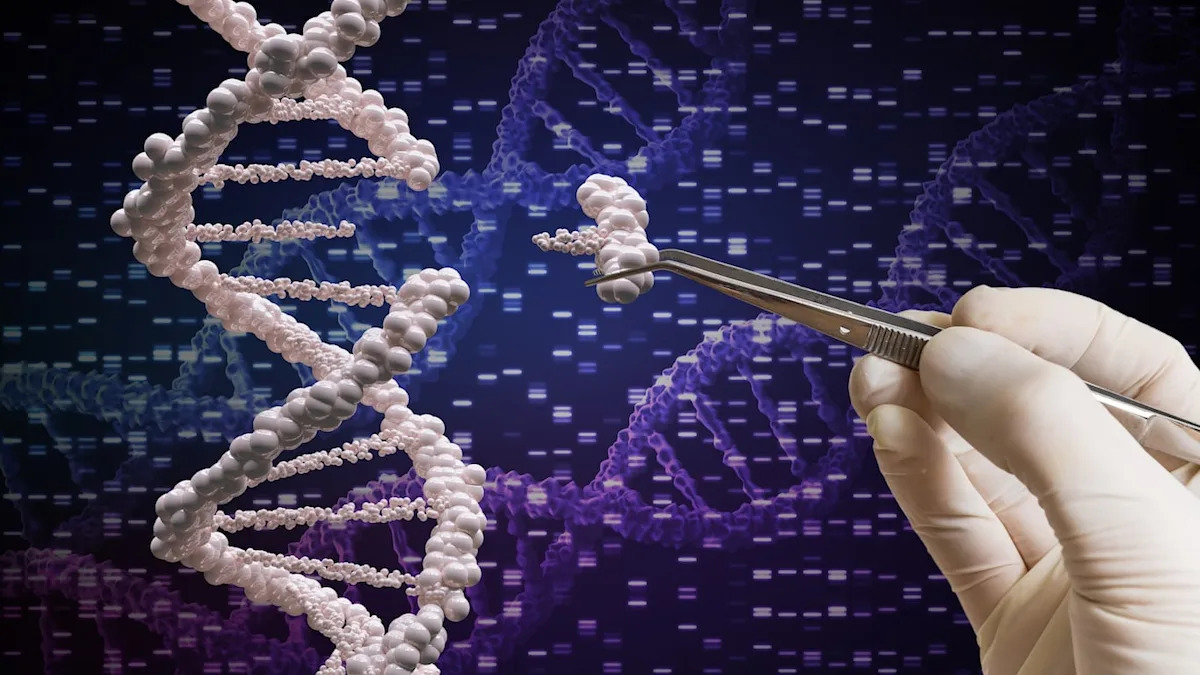
Gene Drive Technology as a Solution to Invasive Species
- Global Economic Impact: According to Ben Lamm, CEO of Colossal Biosciences, invasive species result in a staggering $5.4 trillion in global economic losses, with the U.S. alone suffering over $500 billion annually, highlighting the urgent need for effective control methods.
- Humane Solution: Colossal's gene drive technology proposes using genetically modified invasive animals that produce only male offspring, eliminating the need for mass culling and poison, showcasing a more humane approach that also offers reversibility, a feature lacking in traditional methods.
- Market Potential: Companies like CRISPR Therapeutics, Beam Therapeutics, and Intellia Therapeutics are positioning their genome editing platforms as foundational infrastructure for gene drive applications, which could significantly expand their market potential beyond rare disease therapeutics if regulatory acceptance is achieved.
- Commercial Opportunity: Lamm noted that Texas has declared the screwworm a national emergency, indicating a substantial commercial opportunity in invasive species control that could yield billions for related companies, especially if gene drive technology becomes the standard.

Beam Therapeutics CEO John Evans Sells Shares Amid Positive Clinical Data
- Share Sale Details: CEO John Evans sold 30,078 shares on April 1, 2026, for approximately $739,000, representing 2.5% of his direct holdings, with the sale executed to cover tax withholding obligations related to restricted stock units.
- Financial Performance Analysis: Beam Therapeutics ended 2025 with $139.7 million in revenue, a significant increase from $63.5 million in 2024, although R&D costs rose to $409.6 million, resulting in an operating loss of $383.7 million, which is an improvement from the previous year's loss of $415.6 million, indicating progress in cost management.
- Cash Flow Status: The company reported $1.2 billion in cash and marketable securities at the end of 2025, providing a robust financial cushion to support ongoing treatment development and ensure operational stability.
- Market Reaction and Investment Advice: Despite the stock's surge due to positive clinical data, the Motley Fool Stock Advisor analyst team did not include Beam Therapeutics in their current list of top investment stocks, advising investors to carefully consider market dynamics before making investment decisions.

Beam Therapeutics CEO Sells Shares Amid Positive Clinical Data
- Insider Stock Sale: Beam Therapeutics CEO John M. Evans sold 30,078 shares on April 1, 2026, valued at approximately $739,000, while retaining 1,047,205 shares, maintaining a 1.03% direct ownership stake, indicating ongoing confidence in the company's future.
- Transaction Context: The shares were sold at around $24.58 each, slightly above the closing price of $24.22 on the same day, reflecting a normal sale to cover tax obligations rather than a negative outlook on the company’s prospects.
- Financial Performance Overview: Beam Therapeutics reported $139.74 million in revenue for 2025, a significant increase from $63.5 million in 2024, although R&D expenses rose to $409.6 million, yet the reduction in operating loss signals improved financial management.
- Strong Cash Position: The company ended 2025 with $1.2 billion in cash and marketable securities, ensuring ample funding for ongoing treatment development, which enhances investor confidence in its long-term growth trajectory.
Beam's Therapy Shows Promising Efficacy for Sickle Cell Disease
- Clinical Trial Results: Beam Therapeutics' clinical trial for ristoglogene autogetemcel (risto-cel) demonstrated encouraging efficacy in improving laboratory markers and resolving anemia for patients with severe vaso-occlusive crises of sickle cell disease, enhancing its competitive position in the market.
- FDA Application Plans: The company is looking to apply for U.S. Food and Drug Administration approval for the therapy by the end of 2026, indicating confidence in future market prospects and a commitment to addressing patient needs.
- Market Potential: With approximately 10,000 sickle cell disease patients in the U.S. eligible for gene therapies, risto-cel is well-positioned within this rapidly growing market, expected to meet the increasing demand as treatments become more widely available.
- Stock Market Reaction: Following the announcement of positive clinical data, Beam's shares rallied 3% in after-hours trading, reflecting investor optimism about its future prospects, although retail sentiment around BEAM stock shifted from 'bullish' to 'neutral'.

Risto-cel Clinical Data Significantly Improves Sickle Cell Disease Outcomes
- Clinical Trial Results: In the BEACON trial, 31 sickle cell disease patients treated with risto-cel demonstrated significant improvements in red blood cell function and reduced hospitalization time, indicating the therapy's potential in alleviating severe pain crises.
- Rapid Hematopoietic Reconstitution: Post-treatment, patients achieved mean HbF levels above 60% and HbS levels below 40%, with no severe vaso-occlusive crises reported, showcasing the therapy's efficacy and safety profile.
- Manufacturing Efficiency: The efficient cell collection and manufacturing processes for risto-cel required only one stem cell collection cycle, with a median drug product release time of 2.9 months, significantly enhancing treatment accessibility and resource utilization.
- Strong Market Potential: Beam Therapeutics plans to submit a Biologics License Application by the end of 2026, positioning risto-cel strongly in the gene therapy market, with approximately 10,000 eligible sickle cell disease patients in the U.S.
Beam Therapeutics Advances Gene Therapy Development for AAT Deficiency
- Clinical Trial Progress: Beam Therapeutics announced plans to initiate pivotal development for BEAM-302 to support accelerated approval for alpha-1 antitrypsin deficiency, with pivotal cohort enrollment expected to begin in H2 2026, indicating the company's proactive strategy in gene editing.
- Efficacy Data Update: In the latest open-label Phase 1/2 trial, BEAM-302 achieved average steady-state total AAT levels of 16.1 µM and 14.4 µM at doses of 60 mg and 75 mg respectively, suggesting significant potential in improving AATD-associated lung disease outcomes.
- Safety Assessment: Based on a study involving 26 patients, BEAM-302 demonstrated a well-tolerated safety profile at the 75 mg dose, with no serious adverse events reported throughout the trial, further bolstering investor confidence in the therapy.
- Future Plans: The company aims to enroll approximately 60 more patients with AATD-associated lung disease in the trial, laying the groundwork for a future biologics licensing application, reflecting its strategic decision-making in the accelerated approval pathway.
Gene Drive Technology as a Solution to Invasive Species
- Global Economic Impact: According to Ben Lamm, CEO of Colossal Biosciences, invasive species result in a staggering $5.4 trillion in global economic losses, with the U.S. alone suffering over $500 billion annually, highlighting the urgent need for effective control methods.
- Humane Solution: Colossal's gene drive technology proposes using genetically modified invasive animals that produce only male offspring, eliminating the need for mass culling and poison, showcasing a more humane approach that also offers reversibility, a feature lacking in traditional methods.
- Market Potential: Companies like CRISPR Therapeutics, Beam Therapeutics, and Intellia Therapeutics are positioning their genome editing platforms as foundational infrastructure for gene drive applications, which could significantly expand their market potential beyond rare disease therapeutics if regulatory acceptance is achieved.
- Commercial Opportunity: Lamm noted that Texas has declared the screwworm a national emergency, indicating a substantial commercial opportunity in invasive species control that could yield billions for related companies, especially if gene drive technology becomes the standard.
Beam Therapeutics CEO John Evans Sells Shares Amid Positive Clinical Data
- Share Sale Details: CEO John Evans sold 30,078 shares on April 1, 2026, for approximately $739,000, representing 2.5% of his direct holdings, with the sale executed to cover tax withholding obligations related to restricted stock units.
- Financial Performance Analysis: Beam Therapeutics ended 2025 with $139.7 million in revenue, a significant increase from $63.5 million in 2024, although R&D costs rose to $409.6 million, resulting in an operating loss of $383.7 million, which is an improvement from the previous year's loss of $415.6 million, indicating progress in cost management.
- Cash Flow Status: The company reported $1.2 billion in cash and marketable securities at the end of 2025, providing a robust financial cushion to support ongoing treatment development and ensure operational stability.
- Market Reaction and Investment Advice: Despite the stock's surge due to positive clinical data, the Motley Fool Stock Advisor analyst team did not include Beam Therapeutics in their current list of top investment stocks, advising investors to carefully consider market dynamics before making investment decisions.
Beam Therapeutics CEO Sells Shares Amid Positive Clinical Data
- Insider Stock Sale: Beam Therapeutics CEO John M. Evans sold 30,078 shares on April 1, 2026, valued at approximately $739,000, while retaining 1,047,205 shares, maintaining a 1.03% direct ownership stake, indicating ongoing confidence in the company's future.
- Transaction Context: The shares were sold at around $24.58 each, slightly above the closing price of $24.22 on the same day, reflecting a normal sale to cover tax obligations rather than a negative outlook on the company’s prospects.
- Financial Performance Overview: Beam Therapeutics reported $139.74 million in revenue for 2025, a significant increase from $63.5 million in 2024, although R&D expenses rose to $409.6 million, yet the reduction in operating loss signals improved financial management.
- Strong Cash Position: The company ended 2025 with $1.2 billion in cash and marketable securities, ensuring ample funding for ongoing treatment development, which enhances investor confidence in its long-term growth trajectory.
Beam's Therapy Shows Promising Efficacy for Sickle Cell Disease
- Clinical Trial Results: Beam Therapeutics' clinical trial for ristoglogene autogetemcel (risto-cel) demonstrated encouraging efficacy in improving laboratory markers and resolving anemia for patients with severe vaso-occlusive crises of sickle cell disease, enhancing its competitive position in the market.
- FDA Application Plans: The company is looking to apply for U.S. Food and Drug Administration approval for the therapy by the end of 2026, indicating confidence in future market prospects and a commitment to addressing patient needs.
- Market Potential: With approximately 10,000 sickle cell disease patients in the U.S. eligible for gene therapies, risto-cel is well-positioned within this rapidly growing market, expected to meet the increasing demand as treatments become more widely available.
- Stock Market Reaction: Following the announcement of positive clinical data, Beam's shares rallied 3% in after-hours trading, reflecting investor optimism about its future prospects, although retail sentiment around BEAM stock shifted from 'bullish' to 'neutral'.
Risto-cel Clinical Data Significantly Improves Sickle Cell Disease Outcomes
- Clinical Trial Results: In the BEACON trial, 31 sickle cell disease patients treated with risto-cel demonstrated significant improvements in red blood cell function and reduced hospitalization time, indicating the therapy's potential in alleviating severe pain crises.
- Rapid Hematopoietic Reconstitution: Post-treatment, patients achieved mean HbF levels above 60% and HbS levels below 40%, with no severe vaso-occlusive crises reported, showcasing the therapy's efficacy and safety profile.
- Manufacturing Efficiency: The efficient cell collection and manufacturing processes for risto-cel required only one stem cell collection cycle, with a median drug product release time of 2.9 months, significantly enhancing treatment accessibility and resource utilization.
- Strong Market Potential: Beam Therapeutics plans to submit a Biologics License Application by the end of 2026, positioning risto-cel strongly in the gene therapy market, with approximately 10,000 eligible sickle cell disease patients in the U.S.
Beam Therapeutics Advances Gene Therapy Development for AAT Deficiency
- Clinical Trial Progress: Beam Therapeutics announced plans to initiate pivotal development for BEAM-302 to support accelerated approval for alpha-1 antitrypsin deficiency, with pivotal cohort enrollment expected to begin in H2 2026, indicating the company's proactive strategy in gene editing.
- Efficacy Data Update: In the latest open-label Phase 1/2 trial, BEAM-302 achieved average steady-state total AAT levels of 16.1 µM and 14.4 µM at doses of 60 mg and 75 mg respectively, suggesting significant potential in improving AATD-associated lung disease outcomes.
- Safety Assessment: Based on a study involving 26 patients, BEAM-302 demonstrated a well-tolerated safety profile at the 75 mg dose, with no serious adverse events reported throughout the trial, further bolstering investor confidence in the therapy.
- Future Plans: The company aims to enroll approximately 60 more patients with AATD-associated lung disease in the trial, laying the groundwork for a future biologics licensing application, reflecting its strategic decision-making in the accelerated approval pathway.