AutoZone Shares Fall Following Earnings Report Due to Disappointing Sales Growth
Written by Emily J. Thompson, Senior Investment Analyst
Updated: Mar 03 2026
0mins
Should l Buy AZO?
Source: Barron's
- AutoZone's Stock Performance: Shares of AutoZone experienced a significant decline on Tuesday.
- Quarterly Sales Report: The drop in stock price followed the company's report of weaker-than-expected quarterly sales growth.
Trade with 70% Backtested Accuracy
Stop guessing "Should I Buy AZO?" and start using high-conviction signals backed by rigorous historical data.
Sign up today to access powerful investing tools and make smarter, data-driven decisions.
Analyst Views on AZO
Wall Street analysts forecast AZO stock price to rise
19 Analyst Rating
16 Buy
3 Hold
0 Sell
Strong Buy
Current: 3426.470

Low
3550
Averages
4225
High
4800
Current: 3426.470
Low
3550
Averages
4225
High
4800
About AZO
AutoZone, Inc. is a retailer and distributor of automotive replacement parts and accessories in the Americas. Its Auto Parts Stores segment is a retailer and distributor of automotive parts and accessories through its approximately 7,353 stores in the United States, Mexico and Brazil. Each store carries an extensive product line for cars, sport utility vehicles, vans and light duty trucks, including new and remanufactured automotive hard parts, maintenance items, accessories and non-automotive products. The Company also sells automotive hard parts, maintenance items, accessories and non-automotive products through www.autozone.com, and its commercial customers can make purchases through www.autozonepro.com. In addition, the Company sells the ALLDATA brand of automotive diagnostic, repair, collision and shop management software through www.alldata.com. It also provides product information on its Duralast branded products through www.duralastparts.com.
About the author

Emily J. Thompson
Emily J. Thompson, a Chartered Financial Analyst (CFA) with 12 years in investment research, graduated with honors from the Wharton School. Specializing in industrial and technology stocks, she provides in-depth analysis for Intellectia’s earnings and market brief reports.

Ferrari Maintains Luxury Image and Profit Margins

- Luxury Brand Positioning: Ferrari successfully maintains its luxury brand image by offering high-end cars priced between $250,000 and $500,000, achieving a remarkable net profit margin of 21% despite recent growth slowdown.
- Attractive Stock Valuation: The stock is currently trading around $390, significantly undervalued compared to a five-year average P/E ratio of 41, with a forward-looking P/E ratio of 30 indicating potential investment value.
- Revenue Growth Performance: In the latest fourth quarter, Ferrari reported a 7% year-over-year revenue increase and a 12% rise in operating profit, demonstrating the effectiveness of its business model despite a slowdown in growth.
- Market Competition Analysis: Although Ferrari's stock has declined by 27% over the past year, its unique high-price, low-volume sales strategy allows it to maintain a competitive edge in the fiercely competitive automotive market, making it worthy of investor consideration.
See More

Analyzing the Investment Appeal of Ferrari Stock
- Attractive Valuation: Ferrari's stock is currently priced around $390, significantly undervalued compared to a five-year average P/E ratio of 41, with a current ratio of 30, indicating investment potential, especially after a 27% decline over the past year.
- Strong Profitability: In the fourth quarter, Ferrari reported a 7% year-over-year revenue increase and a 12% rise in operating profit, with a remarkable net profit margin of 21%, showcasing the effectiveness of its high-price, low-volume business model in maintaining a luxury brand image.
- Market Performance: With an average annual growth rate of 23% over the past decade, Ferrari's stock has faced recent declines due to tariff concerns and underwhelming management projections, yet its market capitalization stands at $60 billion, reflecting a strong market position.
- Future Outlook: Despite challenges of slowing growth, the upcoming F80 priced at $4 million is already sold out, indicating sustained demand in the high-end market, suggesting that investors should monitor its long-term growth potential.
See More

Producer Prices Rise 0.7%, Inflation Fears Intensify

- Producer Price Increase: In February 2026, the Producer Price Index (PPI) rose 0.7% month-over-month, significantly exceeding the expected 0.3%, indicating that rising wholesale prices may lead to increased consumer prices and heightened inflation concerns.
- Impact of Rising Oil Prices: Since the onset of the war in Iran, gas prices have surged approximately 27%, directly increasing transportation costs, which in turn affects retail and industrial product pricing, potentially leading to widespread inflation.
- Inflation-Proof Stocks: In light of escalating inflation, AutoZone and Dollar General are highlighted as attractive inflation-resistant stocks, with AutoZone thriving during economic downturns and Dollar General benefiting from consumers shifting to cheaper products.
- Dollar General's Outlook: Dollar General achieved a 3% comparable sales growth in 2025, and despite a 2026 guidance of 2.2%-2.7% growth, the company's plan to open 460 new stores in 2026 indicates a proactive expansion strategy, positioning it well to capitalize on inflationary pressures.
See More
Rising Oil Prices Trigger Inflation Concerns
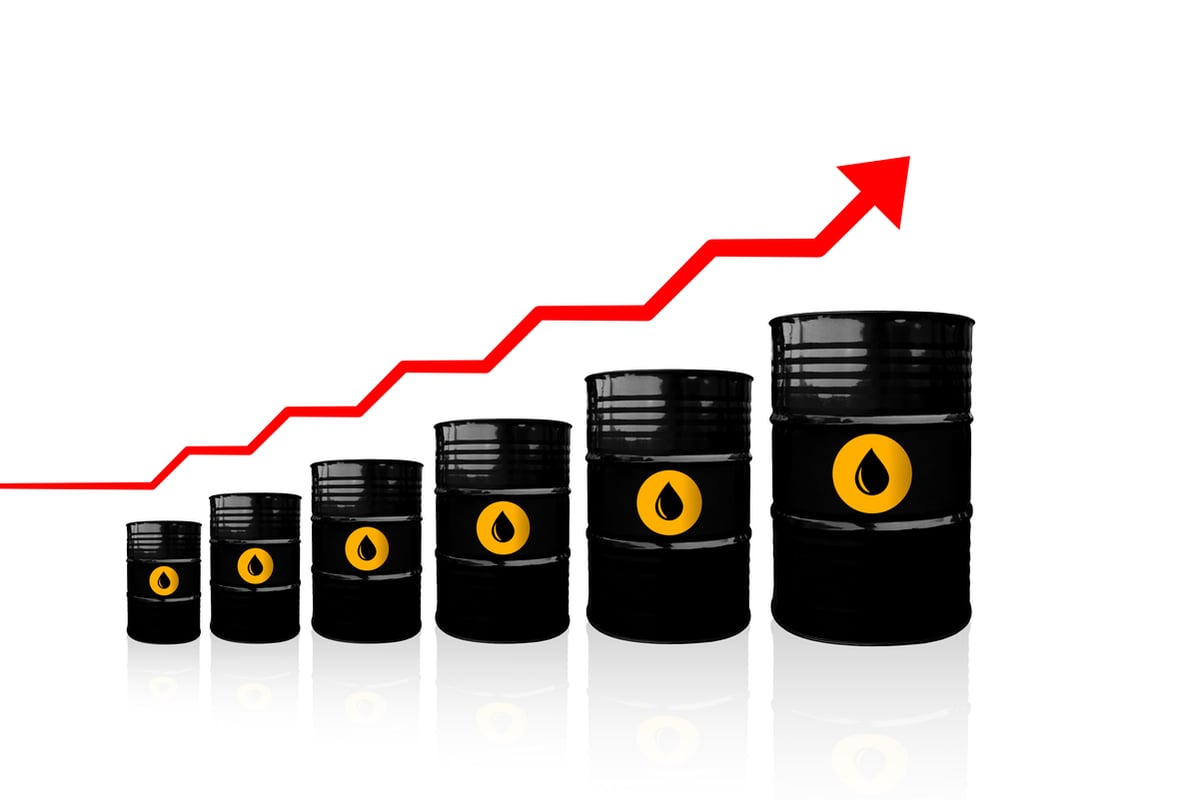
- Surging Oil Prices: Oil prices have jumped approximately 27% since the onset of the war in Iran, leading to increased transportation costs and raising widespread inflation concerns that could affect retail and industrial product pricing.
- Producer Price Index: The Producer Price Index (PPI) rose by 0.7% month-over-month in February, significantly exceeding the expected 0.3%, indicating that rising wholesale prices may foreshadow higher consumer prices, exacerbating inflationary pressures.
- Food Price Increases: The surge in fertilizer prices due to the war is expected to drive food prices higher, increasing living costs for consumers and potentially impacting overall economic spending capacity.
- Investor Strategy Shift: In light of escalating inflation, investors are advised to consider incorporating inflation-proof stocks into their portfolios to navigate potential economic challenges ahead.
See More
Wall Street Analysts Adjust Ratings

- Analyst Rating Changes: Top Wall Street analysts have adjusted their ratings on several companies, indicating a shift in market sentiment that could influence investor decisions and market trends.
- Upgrades and Downgrades: While specific upgrades and downgrades are not detailed, such changes typically have a significant impact on the short-term performance of the affected stocks, prompting investors to pay close attention to these adjustments.
- Market Reaction Expectations: The adjustments in analyst ratings may lead to increased attention on AZO stock, as investors reassess their strategies based on these changes, potentially affecting trading volumes and price fluctuations.
- Source Reliability: The market news and data provided by Benzinga serve as a crucial reference for investors; although it does not offer investment advice, its analyst ratings page provides a comprehensive view of rating changes for informed decision-making.
See More

Iran War Pressures Off-Price Retailers Amid Rising Oil Prices

- Oil Price Surge Impact: Since the onset of the U.S.-Iran conflict earlier this month, crude oil prices have surged to levels not seen since 2022, with WTI and Brent crude nearing $120 per barrel, leading to a 70 basis point decline in consumer spending among lower-income shoppers, exacerbating economic pressures.
- Retailer Pressure: According to Wolfe Research, off-price retailers like Dollar General and Walmart, which primarily serve low-income consumers, are expected to face greater pressure as rising oil prices may force these shoppers to tighten their budgets, impacting sales performance.
- Stock Price Declines: Dollar General's shares have fallen 5% over the past week, while Walmart and Advance Auto Parts have seen declines of nearly 3% and 7%, respectively, indicating a market sensitivity to rising energy prices and their impact on consumer confidence.
- Challenges from Import Dependence: Retailers reliant on Chinese imports, particularly in flooring and decor, may face significant headwinds as the Shanghai Containerized Index rises due to logistical issues in Southeast Asian ports, further complicating product shipments to the Middle East.
See More
Ferrari Maintains Luxury Image and Profit Margins
- Luxury Brand Positioning: Ferrari successfully maintains its luxury brand image by offering high-end cars priced between $250,000 and $500,000, achieving a remarkable net profit margin of 21% despite recent growth slowdown.
- Attractive Stock Valuation: The stock is currently trading around $390, significantly undervalued compared to a five-year average P/E ratio of 41, with a forward-looking P/E ratio of 30 indicating potential investment value.
- Revenue Growth Performance: In the latest fourth quarter, Ferrari reported a 7% year-over-year revenue increase and a 12% rise in operating profit, demonstrating the effectiveness of its business model despite a slowdown in growth.
- Market Competition Analysis: Although Ferrari's stock has declined by 27% over the past year, its unique high-price, low-volume sales strategy allows it to maintain a competitive edge in the fiercely competitive automotive market, making it worthy of investor consideration.
See More
Analyzing the Investment Appeal of Ferrari Stock
- Attractive Valuation: Ferrari's stock is currently priced around $390, significantly undervalued compared to a five-year average P/E ratio of 41, with a current ratio of 30, indicating investment potential, especially after a 27% decline over the past year.
- Strong Profitability: In the fourth quarter, Ferrari reported a 7% year-over-year revenue increase and a 12% rise in operating profit, with a remarkable net profit margin of 21%, showcasing the effectiveness of its high-price, low-volume business model in maintaining a luxury brand image.
- Market Performance: With an average annual growth rate of 23% over the past decade, Ferrari's stock has faced recent declines due to tariff concerns and underwhelming management projections, yet its market capitalization stands at $60 billion, reflecting a strong market position.
- Future Outlook: Despite challenges of slowing growth, the upcoming F80 priced at $4 million is already sold out, indicating sustained demand in the high-end market, suggesting that investors should monitor its long-term growth potential.
See More
Producer Prices Rise 0.7%, Inflation Fears Intensify
- Producer Price Increase: In February 2026, the Producer Price Index (PPI) rose 0.7% month-over-month, significantly exceeding the expected 0.3%, indicating that rising wholesale prices may lead to increased consumer prices and heightened inflation concerns.
- Impact of Rising Oil Prices: Since the onset of the war in Iran, gas prices have surged approximately 27%, directly increasing transportation costs, which in turn affects retail and industrial product pricing, potentially leading to widespread inflation.
- Inflation-Proof Stocks: In light of escalating inflation, AutoZone and Dollar General are highlighted as attractive inflation-resistant stocks, with AutoZone thriving during economic downturns and Dollar General benefiting from consumers shifting to cheaper products.
- Dollar General's Outlook: Dollar General achieved a 3% comparable sales growth in 2025, and despite a 2026 guidance of 2.2%-2.7% growth, the company's plan to open 460 new stores in 2026 indicates a proactive expansion strategy, positioning it well to capitalize on inflationary pressures.
See More
Rising Oil Prices Trigger Inflation Concerns
- Surging Oil Prices: Oil prices have jumped approximately 27% since the onset of the war in Iran, leading to increased transportation costs and raising widespread inflation concerns that could affect retail and industrial product pricing.
- Producer Price Index: The Producer Price Index (PPI) rose by 0.7% month-over-month in February, significantly exceeding the expected 0.3%, indicating that rising wholesale prices may foreshadow higher consumer prices, exacerbating inflationary pressures.
- Food Price Increases: The surge in fertilizer prices due to the war is expected to drive food prices higher, increasing living costs for consumers and potentially impacting overall economic spending capacity.
- Investor Strategy Shift: In light of escalating inflation, investors are advised to consider incorporating inflation-proof stocks into their portfolios to navigate potential economic challenges ahead.
See More
Wall Street Analysts Adjust Ratings
- Analyst Rating Changes: Top Wall Street analysts have adjusted their ratings on several companies, indicating a shift in market sentiment that could influence investor decisions and market trends.
- Upgrades and Downgrades: While specific upgrades and downgrades are not detailed, such changes typically have a significant impact on the short-term performance of the affected stocks, prompting investors to pay close attention to these adjustments.
- Market Reaction Expectations: The adjustments in analyst ratings may lead to increased attention on AZO stock, as investors reassess their strategies based on these changes, potentially affecting trading volumes and price fluctuations.
- Source Reliability: The market news and data provided by Benzinga serve as a crucial reference for investors; although it does not offer investment advice, its analyst ratings page provides a comprehensive view of rating changes for informed decision-making.
See More
Iran War Pressures Off-Price Retailers Amid Rising Oil Prices
- Oil Price Surge Impact: Since the onset of the U.S.-Iran conflict earlier this month, crude oil prices have surged to levels not seen since 2022, with WTI and Brent crude nearing $120 per barrel, leading to a 70 basis point decline in consumer spending among lower-income shoppers, exacerbating economic pressures.
- Retailer Pressure: According to Wolfe Research, off-price retailers like Dollar General and Walmart, which primarily serve low-income consumers, are expected to face greater pressure as rising oil prices may force these shoppers to tighten their budgets, impacting sales performance.
- Stock Price Declines: Dollar General's shares have fallen 5% over the past week, while Walmart and Advance Auto Parts have seen declines of nearly 3% and 7%, respectively, indicating a market sensitivity to rising energy prices and their impact on consumer confidence.
- Challenges from Import Dependence: Retailers reliant on Chinese imports, particularly in flooring and decor, may face significant headwinds as the Shanghai Containerized Index rises due to logistical issues in Southeast Asian ports, further complicating product shipments to the Middle East.
See More