Atlassian Deepens Partnership with Google Cloud
Written by Emily J. Thompson, Senior Investment Analyst
Updated: 6 days ago
0mins
Should l Buy TEAM?
Atlassian Corporation (TEAM) announced the next phase of its multi-year partnership with Google Cloud (GOOGL). "By leveraging Google Cloud's AI infrastructure and models, Atlassian is putting more power in the hands of millions of users who rely on Rovo, its AI built for teamwork. Atlassian is also deepening integrations between Rovo, Google Workspace, and Gemini Enterprise so joint customers can access AI agents directly in the tools where they already work, plan, and collaborate on projects," the company said.
Trade with 70% Backtested Accuracy
Stop guessing "Should I Buy TEAM?" and start using high-conviction signals backed by rigorous historical data.
Sign up today to access powerful investing tools and make smarter, data-driven decisions.
Analyst Views on TEAM
Wall Street analysts forecast TEAM stock price to rise
23 Analyst Rating
19 Buy
4 Hold
0 Sell
Strong Buy
Current: 69.220

Low
185.00
Averages
235.57
High
320.00
Current: 69.220
Low
185.00
Averages
235.57
High
320.00
About TEAM
Atlassian Corporation is a provider of team collaboration and productivity software. The Company specializes in software development, work management, and enterprise service management software, which enables enterprises to connect their business and technology teams with an artificial intelligence (AI)-powered system of work. Its interconnected portfolio of apps, AI agents, and Collections, each with discrete value propositions, delivers solutions for software teams, IT operations and support teams, leadership, and business teams. Its apps, agents, and Collections are all built on the Atlassian Cloud Platform and data model: a common technology foundation that connects teams, information, and workflows throughout an organization. The Company's apps include Jira, Confluence, Loom, Jira Service Management, Rovo, Bitbucket, Compass, Jira Product Discovery, Jira Align, Focus and Talent. It operates the Dia and Arc browsers.
About the author

Emily J. Thompson
Emily J. Thompson, a Chartered Financial Analyst (CFA) with 12 years in investment research, graduated with honors from the Wharton School. Specializing in industrial and technology stocks, she provides in-depth analysis for Intellectia’s earnings and market brief reports.

Atlassian's Survival and Growth in the AI Era

- Significant Stock Decline: Atlassian's stock has plummeted 87% over the past year, hitting an all-time low of $57 earlier this month, reflecting market concerns about AI making software products easily replicable; however, analysts view this as a buying opportunity.
- AI Integration Innovation: The company is embedding AI into Jira and Confluence through the Rovo platform, introducing powerful search functions and a Rovo chatbot to enhance workflow efficiency, which is expected to attract more enterprise clients and strengthen market competitiveness.
- Strong Revenue Growth: As of the second quarter of fiscal 2026, Atlassian's annual run rate revenue reached $6 billion, with a net revenue retention rate of 120% in its cloud business, indicating robust demand for its AI products and suggesting the company still has growth potential in the AI era.
- Market Rebound Signals: Despite the stock decline, Atlassian's price-to-sales ratio was below 3 when I purchased shares, indicating a mismatch between its business strength and stock price; a rebound is anticipated, especially with the ongoing demand for AI products.
See More

Tech Stocks Volatility and AI Investment Opportunities

- Oracle's Strong Growth: In Q3 of fiscal 2026, Oracle's cloud computing revenue surged 44% year-over-year to $8.9 billion, driving overall sales up 22% to $17.2 billion, indicating robust customer demand for AI infrastructure and solidifying its market position.
- ServiceNow's Platform Advantage: Despite a more than 30% drop in ServiceNow's stock price in early 2026, its Q1 sales grew 22% year-over-year to $3.8 billion, with a projected 22% growth in subscription sales for Q2, demonstrating its competitiveness in the AI era.
- Atlassian's Market Performance: Atlassian achieved a 23% year-over-year revenue increase to $1.6 billion in Q2 2026, with RPO reaching $3.8 billion, reflecting enhanced user engagement with its AI product Rovo and strengthening its competitive position.
- Increased Investment Appeal: The significant stock price declines of Oracle, ServiceNow, and Atlassian have drawn investor attention to their current valuation levels, with all three companies viewed as worthwhile AI growth stocks to buy and hold for the long term, reflecting market recognition of their future growth potential.
See More

Atlassian's Survival and Growth in the AI Era
- AI Strategic Integration: Atlassian is embedding AI into Jira and Confluence through the Rovo platform, enhancing software capabilities with features like a powerful search function and a Rovo chatbot that accelerates employee workflows, thereby increasing product competitiveness in the market.
- Cloud Business Growth: By the end of Q2 FY2026, Atlassian's annual revenue surpassed $6 billion, with a net revenue retention rate of 120% in its cloud business, indicating a 20% increase in spending from existing customers, showcasing strong demand for its AI products.
- Increase in Large Deals: In Q2, the number of deals signed by Atlassian worth at least $1 million in annual revenue doubled year-over-year, demonstrating continued interest from large enterprises in its software products, which further solidifies the company's market position.
- Attractive Valuation: Purchasing Atlassian stock at a price-to-sales ratio below 3 on April 10 marked its lowest valuation in 11 years as a public company, and despite a recent uptick in the P/S ratio, it remains attractive, reflecting market confidence in its recovery potential.
See More

US Stocks Close Higher: S&P 500 Hits All-Time High


- S&P 500 Hits Record High: The S&P 500 index rose by 0.80%, closing at an all-time high, reflecting market optimism about economic recovery, particularly driven by technology stocks, which further solidifies investor confidence.
- Intel's Strong Performance: Intel's stock surged over 23% after forecasting Q2 revenue between $13.8 billion and $14.8 billion, significantly exceeding the $13.04 billion expectation, indicating strong confidence in the semiconductor industry's potential driven by artificial intelligence, which may spark increased investment in the sector.
- Consumer Confidence Rebounds: The University of Michigan's consumer sentiment index was revised upward to 49.8, surpassing the expected 48.5, suggesting an increase in consumer confidence regarding economic prospects, which could drive consumer spending and economic growth.
- International Dynamics Affecting Markets: Progress in US-Iran negotiations has boosted market sentiment; despite tensions in the Strait of Hormuz, optimism about future talks may alleviate energy price pressures and promote stock market gains.
See More

US Stocks Close Lower Amid Iran Tensions and Mixed Economic Data

- Market Weakness: On Thursday, the S&P 500 index fell by 0.41%, the Dow Jones Industrial Average dropped by 0.36%, and the Nasdaq 100 declined by 0.57%, reflecting heightened investor concerns over the escalating tensions in Iran, which erased earlier gains.
- Mixed Economic Data: Weekly initial unemployment claims rose by 6,000 to 214,000, indicating a weaker labor market than the expected 210,000, while the Chicago Fed national activity index fell to -0.20, signaling a slowdown in economic growth.
- Rising Oil Prices: WTI crude oil prices surged over 3% due to tensions in the Strait of Hormuz, potentially exacerbating the global energy crisis and influencing market sentiment and inflation expectations.
- Earnings Reports Highlight: Despite the overall market weakness, 81% of S&P 500 companies reported better-than-expected earnings, with Q1 earnings projected to rise by 12% year-over-year, showcasing resilience in certain sectors, particularly chipmakers like Texas Instruments, which rose over 19%.
See More
US Stocks Slightly Up, Led by Chipmakers
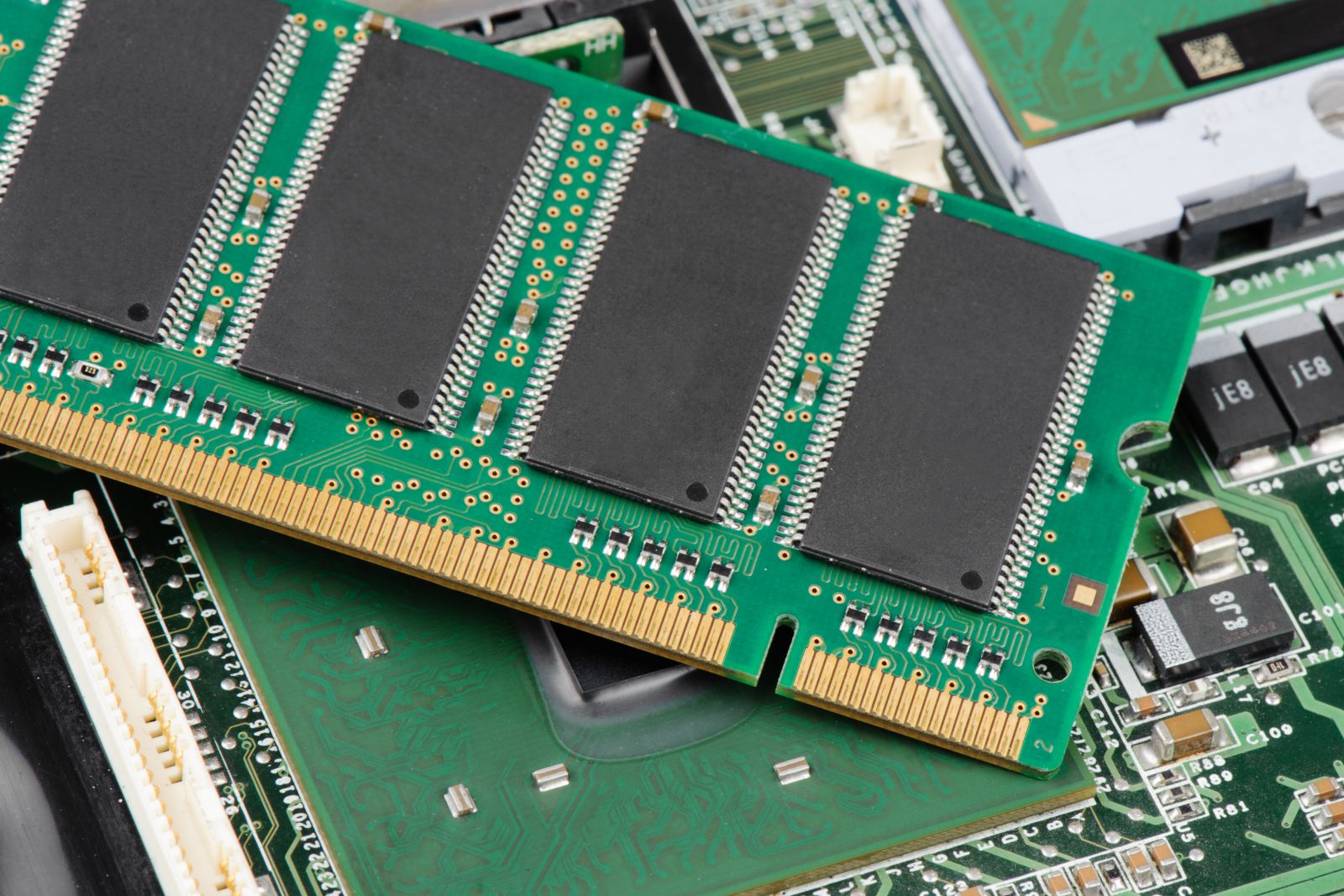
- Chipmaker Rally: Texas Instruments (TXN) surged over 16% after reporting Q1 revenue of $4.83 billion, exceeding the consensus of $4.53 billion, and forecasting Q2 revenue between $5.00 billion and $5.40 billion, solidifying its leadership in the semiconductor market.
- Strong Rental Performance: United Rentals (URI) saw its stock rise over 20% after posting Q1 revenue of $3.99 billion, above the consensus of $3.88 billion, and raising its full-year revenue forecast to $16.9 billion-$17.4 billion, indicating robust market demand and growth potential.
- Software Sector Weakness: ServiceNow (NOW) dropped more than 16% after cutting its full-year gross margin forecast to 81.5%, below the consensus of 82.1%, reflecting challenges in the software industry that may impact investor confidence.
- Mixed Economic Data: Weekly initial jobless claims rose to 214,000, exceeding expectations of 210,000, indicating a weaker labor market, while the April S&P manufacturing PMI increased to 54.0, surpassing expectations of 52.5, suggesting a rebound in manufacturing activity.
See More
Atlassian's Survival and Growth in the AI Era
- Significant Stock Decline: Atlassian's stock has plummeted 87% over the past year, hitting an all-time low of $57 earlier this month, reflecting market concerns about AI making software products easily replicable; however, analysts view this as a buying opportunity.
- AI Integration Innovation: The company is embedding AI into Jira and Confluence through the Rovo platform, introducing powerful search functions and a Rovo chatbot to enhance workflow efficiency, which is expected to attract more enterprise clients and strengthen market competitiveness.
- Strong Revenue Growth: As of the second quarter of fiscal 2026, Atlassian's annual run rate revenue reached $6 billion, with a net revenue retention rate of 120% in its cloud business, indicating robust demand for its AI products and suggesting the company still has growth potential in the AI era.
- Market Rebound Signals: Despite the stock decline, Atlassian's price-to-sales ratio was below 3 when I purchased shares, indicating a mismatch between its business strength and stock price; a rebound is anticipated, especially with the ongoing demand for AI products.
See More
Tech Stocks Volatility and AI Investment Opportunities
- Oracle's Strong Growth: In Q3 of fiscal 2026, Oracle's cloud computing revenue surged 44% year-over-year to $8.9 billion, driving overall sales up 22% to $17.2 billion, indicating robust customer demand for AI infrastructure and solidifying its market position.
- ServiceNow's Platform Advantage: Despite a more than 30% drop in ServiceNow's stock price in early 2026, its Q1 sales grew 22% year-over-year to $3.8 billion, with a projected 22% growth in subscription sales for Q2, demonstrating its competitiveness in the AI era.
- Atlassian's Market Performance: Atlassian achieved a 23% year-over-year revenue increase to $1.6 billion in Q2 2026, with RPO reaching $3.8 billion, reflecting enhanced user engagement with its AI product Rovo and strengthening its competitive position.
- Increased Investment Appeal: The significant stock price declines of Oracle, ServiceNow, and Atlassian have drawn investor attention to their current valuation levels, with all three companies viewed as worthwhile AI growth stocks to buy and hold for the long term, reflecting market recognition of their future growth potential.
See More
Atlassian's Survival and Growth in the AI Era
- AI Strategic Integration: Atlassian is embedding AI into Jira and Confluence through the Rovo platform, enhancing software capabilities with features like a powerful search function and a Rovo chatbot that accelerates employee workflows, thereby increasing product competitiveness in the market.
- Cloud Business Growth: By the end of Q2 FY2026, Atlassian's annual revenue surpassed $6 billion, with a net revenue retention rate of 120% in its cloud business, indicating a 20% increase in spending from existing customers, showcasing strong demand for its AI products.
- Increase in Large Deals: In Q2, the number of deals signed by Atlassian worth at least $1 million in annual revenue doubled year-over-year, demonstrating continued interest from large enterprises in its software products, which further solidifies the company's market position.
- Attractive Valuation: Purchasing Atlassian stock at a price-to-sales ratio below 3 on April 10 marked its lowest valuation in 11 years as a public company, and despite a recent uptick in the P/S ratio, it remains attractive, reflecting market confidence in its recovery potential.
See More
US Stocks Close Higher: S&P 500 Hits All-Time High
- S&P 500 Hits Record High: The S&P 500 index rose by 0.80%, closing at an all-time high, reflecting market optimism about economic recovery, particularly driven by technology stocks, which further solidifies investor confidence.
- Intel's Strong Performance: Intel's stock surged over 23% after forecasting Q2 revenue between $13.8 billion and $14.8 billion, significantly exceeding the $13.04 billion expectation, indicating strong confidence in the semiconductor industry's potential driven by artificial intelligence, which may spark increased investment in the sector.
- Consumer Confidence Rebounds: The University of Michigan's consumer sentiment index was revised upward to 49.8, surpassing the expected 48.5, suggesting an increase in consumer confidence regarding economic prospects, which could drive consumer spending and economic growth.
- International Dynamics Affecting Markets: Progress in US-Iran negotiations has boosted market sentiment; despite tensions in the Strait of Hormuz, optimism about future talks may alleviate energy price pressures and promote stock market gains.
See More
US Stocks Close Lower Amid Iran Tensions and Mixed Economic Data
- Market Weakness: On Thursday, the S&P 500 index fell by 0.41%, the Dow Jones Industrial Average dropped by 0.36%, and the Nasdaq 100 declined by 0.57%, reflecting heightened investor concerns over the escalating tensions in Iran, which erased earlier gains.
- Mixed Economic Data: Weekly initial unemployment claims rose by 6,000 to 214,000, indicating a weaker labor market than the expected 210,000, while the Chicago Fed national activity index fell to -0.20, signaling a slowdown in economic growth.
- Rising Oil Prices: WTI crude oil prices surged over 3% due to tensions in the Strait of Hormuz, potentially exacerbating the global energy crisis and influencing market sentiment and inflation expectations.
- Earnings Reports Highlight: Despite the overall market weakness, 81% of S&P 500 companies reported better-than-expected earnings, with Q1 earnings projected to rise by 12% year-over-year, showcasing resilience in certain sectors, particularly chipmakers like Texas Instruments, which rose over 19%.
See More
US Stocks Slightly Up, Led by Chipmakers
- Chipmaker Rally: Texas Instruments (TXN) surged over 16% after reporting Q1 revenue of $4.83 billion, exceeding the consensus of $4.53 billion, and forecasting Q2 revenue between $5.00 billion and $5.40 billion, solidifying its leadership in the semiconductor market.
- Strong Rental Performance: United Rentals (URI) saw its stock rise over 20% after posting Q1 revenue of $3.99 billion, above the consensus of $3.88 billion, and raising its full-year revenue forecast to $16.9 billion-$17.4 billion, indicating robust market demand and growth potential.
- Software Sector Weakness: ServiceNow (NOW) dropped more than 16% after cutting its full-year gross margin forecast to 81.5%, below the consensus of 82.1%, reflecting challenges in the software industry that may impact investor confidence.
- Mixed Economic Data: Weekly initial jobless claims rose to 214,000, exceeding expectations of 210,000, indicating a weaker labor market, while the April S&P manufacturing PMI increased to 54.0, surpassing expectations of 52.5, suggesting a rebound in manufacturing activity.
See More