Asia's sustainable aviation fuel projects and agreements
Written by Emily J. Thompson, Senior Investment Analyst
Updated: Sep 20 2024
0mins
Should l Buy BA?
Source: Reuters
Sustainable Aviation Fuel Initiatives: South Korea, Japan, and other Asia-Pacific countries are advancing their sustainable aviation fuel (SAF) initiatives, with various airlines and refineries beginning to implement SAF blending targets and production plans aimed at reducing carbon emissions in the aviation sector.
Regional Targets and Collaborations: Countries like Singapore, India, and Malaysia have set specific SAF blending mandates for the coming years, while collaborations between companies such as GS Caltex and Neste highlight the growing interest and investment in SAF production across the region.
Trade with 70% Backtested Accuracy
Stop guessing "Should I Buy BA?" and start using high-conviction signals backed by rigorous historical data.
Sign up today to access powerful investing tools and make smarter, data-driven decisions.
Analyst Views on BA
Wall Street analysts forecast BA stock price to rise
16 Analyst Rating
14 Buy
1 Hold
1 Sell
Strong Buy
Current: 220.060

Low
150.00
Averages
269.14
High
298.00
Current: 220.060
Low
150.00
Averages
269.14
High
298.00
About BA
The Boeing Company is an aerospace company. Its segments include Commercial Airplanes (BCA), Defense, Space & Security (BDS), and Global Services (BGS). Its BCA segment develops, produces and markets commercial jet aircraft principally for the commercial airline industry worldwide. Its family of commercial jet aircraft in production includes the 737 narrow-body model and the 767, 777 and 787 wide-body models. Its BDS segment is engaged in the research, development, production and modification of manned and unmanned military aircraft and weapons systems for strike, surveillance and mobility. Its BGS segment provides services to its commercial and defense customers worldwide. It sustains aerospace platforms and systems with a range of products and services, including supply chain and logistics management, engineering, maintenance and modifications, upgrades and conversions, spare parts, pilot and maintenance training systems and services, technical and maintenance documents, and others.
About the author

Emily J. Thompson
Emily J. Thompson, a Chartered Financial Analyst (CFA) with 12 years in investment research, graduated with honors from the Wharton School. Specializing in industrial and technology stocks, she provides in-depth analysis for Intellectia’s earnings and market brief reports.

Boeing Faces Execution Challenges Despite Significant Potential

- Backlog Supports Growth: Boeing currently has a $682 billion backlog, with over $560 billion from Boeing Commercial Airplanes, which provides strong support for future growth, although delivery improvements will take time to realize.
- Cash Flow Outlook: CFO Jesus Malave expects Boeing to generate $1 billion to $3 billion in free cash flow by 2026, and while this target is deemed 'very obtainable', investors need to see sustained good execution to rebuild confidence.
- Underperformance in Market: Since the earnings report on January 27, Boeing's stock has notably underperformed the S&P 500 index, reflecting market concerns about its execution capabilities, especially at a critical juncture for 737 MAX deliveries.
- Internal Execution Issues: Boeing faces free cash flow constraints due to internal execution factors, particularly in its Defense, Space & Security division, and investors are looking for blemish-free quarterly reports without major losses or delivery delays to restore trust in the company.
See More

Boeing Delivers ViaSat-3 Satellite, Expanding Asia-Pacific Communications Coverage
- Program Milestone: Boeing successfully delivered the ViaSat-3 Flight 3 satellite on Tuesday, marking a key step in its plan to expand high-capacity communications coverage in the Asia-Pacific region, which is expected to significantly enhance connectivity in the area.
- Satellite Design: The ViaSat-3 F3 satellite is designed to support commercial mobility, government, and defense users in high-density markets across Asia-Pacific, utilizing Boeing's 702MP+ platform that allows for larger payloads and higher power output to meet market demands.
- Launch Preparations: The satellite will undergo pre-launch processing at Cape Canaveral Space Force Station in Florida, with a launch planned aboard a SpaceX Falcon Heavy rocket, as Boeing and Viasat continue to collaborate to ensure successful orbital deployment.
- Market Demand: Once operational, the ViaSat-3 F3 satellite will complete the constellation's geographic reach, addressing the growing demand for satellite-based connectivity in the Asia-Pacific region, thereby strengthening Boeing's position in the global communications market.
See More

European Stocks Edge Up Amid Optimism for Ukraine Peace Talks
- Market Rebound: The pan-European Stoxx 600 index rose by 0.7% on Friday morning, reflecting investor focus on the fragile ceasefire between the U.S. and Iran and optimism surrounding potential peace negotiations in Ukraine, indicating market sensitivity to geopolitical risks.
- Defense Stocks Decline: Following signals from Ukraine's senior negotiator that a resolution to the conflict could be near, shares of Germany's largest arms manufacturer Rheinmetall fell by 5.9%, with tank maker Renkwas and military tech firm Hensoldt down 5.8% and 6% respectively, highlighting concerns over the defense sector's outlook.
- Asian Markets Rise: Positive news led to a 1.75% increase in South Korea's Kospi index and a 1.65% rise in the small-cap Kosdaq, while Japan's Nikkei 225 gained 1.88%, suggesting a recovery in investor confidence across global markets.
- German Inflation Accelerates: Germany's inflation rate accelerated to 2.8% in March, driven primarily by rising energy product prices, particularly motor fuel and heating oil, reflecting the direct impact of international tensions on consumer prices.
See More
Fragile U.S.-Iran Ceasefire Tested Amid Oil Price Volatility


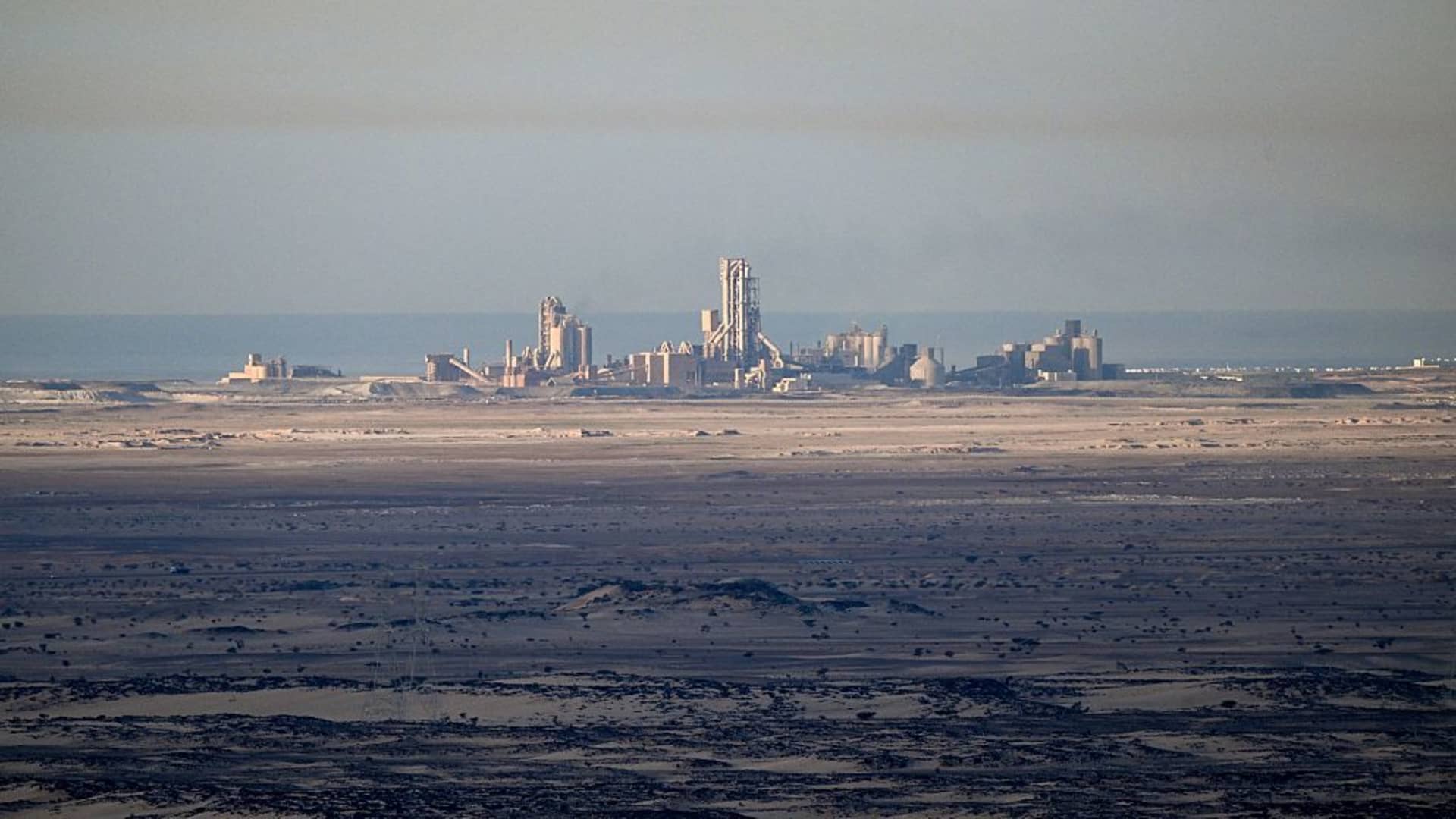
- Oil Price Fluctuations: Iran's attack on Saudi Arabia's Red Sea pipeline has cut throughput by 700,000 barrels per day, causing oil prices to hover below $100 per barrel, which exacerbates uncertainty in global markets.
- Ceasefire Negotiations Tension: U.S. and Iranian negotiators are set to meet in Pakistan, and despite heated rhetoric, there remains a willingness to maintain the ceasefire, which could impact future energy supply and price stability.
- Global Economic Impact: China's factory-gate prices have risen for the first time in over three years, indicating the war's disruption of global energy markets, potentially leading to increased inflationary pressures for the Federal Reserve.
- Political Landscape Attention: The British Prime Minister expressed frustration over energy price volatility, highlighting the influence of international politics on domestic economies, which underscores the far-reaching effects of global political dynamics on markets.
See More

Closure of Strait of Hormuz Triggers Global Energy Crisis
- Market Reaction: Oil prices surged above $100 per barrel due to the closure of the Strait of Hormuz, reflecting market concerns over tight energy supplies that could lead to a global economic slowdown.
- Transport Restrictions: The CEO of Abu Dhabi National Oil Co. confirmed that the Strait of Hormuz is not open to shipping, with traffic being restricted, which will further exacerbate international oil price volatility and impact the global energy supply chain.
- Geopolitical Tensions: Iran's plan to charge shipping companies cryptocurrency tolls for passage through the Strait could provoke strong international backlash, increasing the risk of regional conflict.
- Emergency Measures Escalate: Japan is reportedly considering releasing about 20 days' worth of oil reserves as early as May to address the global supply crisis, demonstrating the urgency and strategic responses of governments facing energy shortages.
See More

Investigation into Boeing's Corporate Governance Breaches
- Shareholder Advocacy: Halper Sadeh LLC is investigating whether certain Boeing executives breached their fiduciary duties to shareholders, urging shareholders to contact the firm promptly to discuss their rights and options within a limited timeframe to ensure their legal rights are protected.
- Fee Arrangement: The firm operates on a contingent fee basis, meaning shareholders will not incur out-of-pocket legal fees during the process, thereby lowering the financial barrier to participation and encouraging more shareholders to engage in the advocacy effort.
- Corporate Governance Reforms: Long-term shareholders may seek corporate governance reforms, fund recovery, and court-approved financial incentives through legal action, which not only helps improve the company's transparency and accountability but also has the potential to enhance shareholder value.
- Global Investor Representation: Halper Sadeh LLC represents investors worldwide, focusing on securities fraud and corporate misconduct, and has successfully implemented corporate reforms that have recovered millions for defrauded investors, showcasing its expertise in protecting investor rights.
See More
Boeing Faces Execution Challenges Despite Significant Potential
- Backlog Supports Growth: Boeing currently has a $682 billion backlog, with over $560 billion from Boeing Commercial Airplanes, which provides strong support for future growth, although delivery improvements will take time to realize.
- Cash Flow Outlook: CFO Jesus Malave expects Boeing to generate $1 billion to $3 billion in free cash flow by 2026, and while this target is deemed 'very obtainable', investors need to see sustained good execution to rebuild confidence.
- Underperformance in Market: Since the earnings report on January 27, Boeing's stock has notably underperformed the S&P 500 index, reflecting market concerns about its execution capabilities, especially at a critical juncture for 737 MAX deliveries.
- Internal Execution Issues: Boeing faces free cash flow constraints due to internal execution factors, particularly in its Defense, Space & Security division, and investors are looking for blemish-free quarterly reports without major losses or delivery delays to restore trust in the company.
See More
Boeing Delivers ViaSat-3 Satellite, Expanding Asia-Pacific Communications Coverage
- Program Milestone: Boeing successfully delivered the ViaSat-3 Flight 3 satellite on Tuesday, marking a key step in its plan to expand high-capacity communications coverage in the Asia-Pacific region, which is expected to significantly enhance connectivity in the area.
- Satellite Design: The ViaSat-3 F3 satellite is designed to support commercial mobility, government, and defense users in high-density markets across Asia-Pacific, utilizing Boeing's 702MP+ platform that allows for larger payloads and higher power output to meet market demands.
- Launch Preparations: The satellite will undergo pre-launch processing at Cape Canaveral Space Force Station in Florida, with a launch planned aboard a SpaceX Falcon Heavy rocket, as Boeing and Viasat continue to collaborate to ensure successful orbital deployment.
- Market Demand: Once operational, the ViaSat-3 F3 satellite will complete the constellation's geographic reach, addressing the growing demand for satellite-based connectivity in the Asia-Pacific region, thereby strengthening Boeing's position in the global communications market.
See More
European Stocks Edge Up Amid Optimism for Ukraine Peace Talks
- Market Rebound: The pan-European Stoxx 600 index rose by 0.7% on Friday morning, reflecting investor focus on the fragile ceasefire between the U.S. and Iran and optimism surrounding potential peace negotiations in Ukraine, indicating market sensitivity to geopolitical risks.
- Defense Stocks Decline: Following signals from Ukraine's senior negotiator that a resolution to the conflict could be near, shares of Germany's largest arms manufacturer Rheinmetall fell by 5.9%, with tank maker Renkwas and military tech firm Hensoldt down 5.8% and 6% respectively, highlighting concerns over the defense sector's outlook.
- Asian Markets Rise: Positive news led to a 1.75% increase in South Korea's Kospi index and a 1.65% rise in the small-cap Kosdaq, while Japan's Nikkei 225 gained 1.88%, suggesting a recovery in investor confidence across global markets.
- German Inflation Accelerates: Germany's inflation rate accelerated to 2.8% in March, driven primarily by rising energy product prices, particularly motor fuel and heating oil, reflecting the direct impact of international tensions on consumer prices.
See More
Fragile U.S.-Iran Ceasefire Tested Amid Oil Price Volatility
- Oil Price Fluctuations: Iran's attack on Saudi Arabia's Red Sea pipeline has cut throughput by 700,000 barrels per day, causing oil prices to hover below $100 per barrel, which exacerbates uncertainty in global markets.
- Ceasefire Negotiations Tension: U.S. and Iranian negotiators are set to meet in Pakistan, and despite heated rhetoric, there remains a willingness to maintain the ceasefire, which could impact future energy supply and price stability.
- Global Economic Impact: China's factory-gate prices have risen for the first time in over three years, indicating the war's disruption of global energy markets, potentially leading to increased inflationary pressures for the Federal Reserve.
- Political Landscape Attention: The British Prime Minister expressed frustration over energy price volatility, highlighting the influence of international politics on domestic economies, which underscores the far-reaching effects of global political dynamics on markets.
See More
Closure of Strait of Hormuz Triggers Global Energy Crisis
- Market Reaction: Oil prices surged above $100 per barrel due to the closure of the Strait of Hormuz, reflecting market concerns over tight energy supplies that could lead to a global economic slowdown.
- Transport Restrictions: The CEO of Abu Dhabi National Oil Co. confirmed that the Strait of Hormuz is not open to shipping, with traffic being restricted, which will further exacerbate international oil price volatility and impact the global energy supply chain.
- Geopolitical Tensions: Iran's plan to charge shipping companies cryptocurrency tolls for passage through the Strait could provoke strong international backlash, increasing the risk of regional conflict.
- Emergency Measures Escalate: Japan is reportedly considering releasing about 20 days' worth of oil reserves as early as May to address the global supply crisis, demonstrating the urgency and strategic responses of governments facing energy shortages.
See More
Investigation into Boeing's Corporate Governance Breaches
- Shareholder Advocacy: Halper Sadeh LLC is investigating whether certain Boeing executives breached their fiduciary duties to shareholders, urging shareholders to contact the firm promptly to discuss their rights and options within a limited timeframe to ensure their legal rights are protected.
- Fee Arrangement: The firm operates on a contingent fee basis, meaning shareholders will not incur out-of-pocket legal fees during the process, thereby lowering the financial barrier to participation and encouraging more shareholders to engage in the advocacy effort.
- Corporate Governance Reforms: Long-term shareholders may seek corporate governance reforms, fund recovery, and court-approved financial incentives through legal action, which not only helps improve the company's transparency and accountability but also has the potential to enhance shareholder value.
- Global Investor Representation: Halper Sadeh LLC represents investors worldwide, focusing on securities fraud and corporate misconduct, and has successfully implemented corporate reforms that have recovered millions for defrauded investors, showcasing its expertise in protecting investor rights.
See More