Archer Aviation: Prospects in the Electric VTOL Market
Written by Emily J. Thompson, Senior Investment Analyst
Updated: 1 hour ago
0mins

Source: Fool
- Market Potential: Morgan Stanley analyst Adam Jonas estimates that the urban air mobility market could reach $1 trillion by 2040 and scale up to $9 trillion by 2050, highlighting the revolutionary potential of electric vertical takeoff and landing (eVTOL) aircraft across multiple industries.
- Stock Volatility: Since going public in 2021, Archer's stock has experienced extreme volatility, surging on FAA certification milestones and new airline orders, but crashing due to concerns over manufacturing costs and revenue recognition timelines, reflecting market anxiety about its profitability.
- High Cash Burn: Archer's elevated cash burn rate may necessitate additional capital raises to sustain operations, which, coupled with a broader risk-off sentiment, adds downward pressure on its stock price, prompting investors to carefully assess the associated risks.
- Shift in Investor Sentiment: As market focus shifts towards sustainable growth, investors' expectations for Archer have transitioned from visionary aspirations to demands for quantifiable metrics around cost discipline and manufacturing scale, making its current stock price potentially appealing for long-term investors while remaining cautious of further dilution risks.
Trade with 70% Backtested Accuracy
Stop guessing "Should I Buy ACHR?" and start using high-conviction signals backed by rigorous historical data.
Sign up today to access powerful investing tools and make smarter, data-driven decisions.
Analyst Views on ACHR
Wall Street analysts forecast ACHR stock price to rise
6 Analyst Rating
4 Buy
2 Hold
0 Sell
Moderate Buy
Current: 5.740

Low
8.00
Averages
12.40
High
18.00
Current: 5.740
Low
8.00
Averages
12.40
High
18.00
About ACHR
Archer Aviation Inc. is an aerospace company. It is engaged in providing customers with advanced aircraft and related technologies and services in the United States and internationally in both the commercial and defense sectors. Its commercial line of business consists of the sale of its commercial aircraft (Archer Direct), such as Midnight, to aircraft operators as well as technologies and services related thereto, including commercial launch (certification, testing, training, demonstration, market survey and early trial operations), and maintenance and repair. Its defense line of business consists of the sale of aircraft and related technologies for defense applications. Its initial product is intended to be a hybrid-propulsion, vertical take-off and landing (VTOL) aircraft. Its Midnight aircraft is designed around its proprietary 12-tilt-6 distributed electric propulsion platform. It carries four passengers plus a pilot. The aircraft is purpose-built for air taxi operations.
About the author

Emily J. Thompson
Emily J. Thompson, a Chartered Financial Analyst (CFA) with 12 years in investment research, graduated with honors from the Wharton School. Specializing in industrial and technology stocks, she provides in-depth analysis for Intellectia’s earnings and market brief reports.
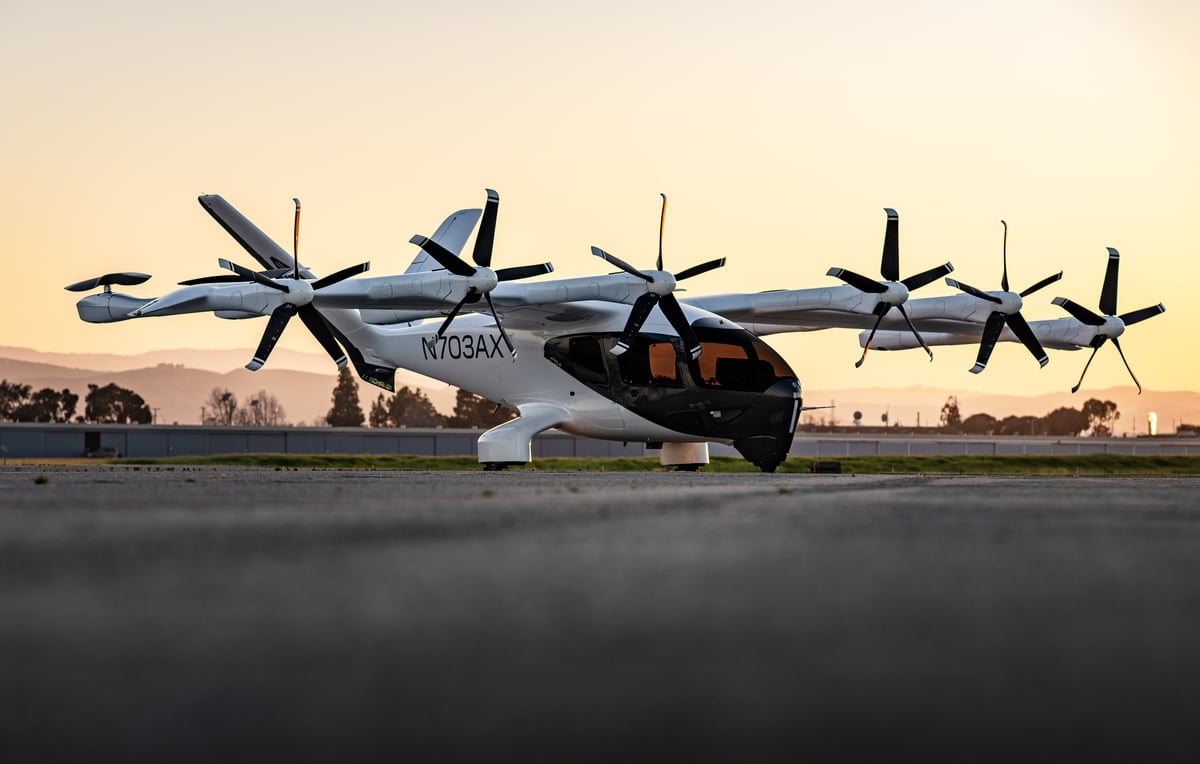
Archer Aviation: Prospects in the Electric VTOL Market


- Market Potential: Morgan Stanley analyst Adam Jonas estimates that the urban air mobility market could reach $1 trillion by 2040 and scale up to $9 trillion by 2050, highlighting the revolutionary potential of electric vertical takeoff and landing (eVTOL) aircraft across multiple industries.
- Stock Volatility: Since going public in 2021, Archer's stock has experienced extreme volatility, surging on FAA certification milestones and new airline orders, but crashing due to concerns over manufacturing costs and revenue recognition timelines, reflecting market anxiety about its profitability.
- High Cash Burn: Archer's elevated cash burn rate may necessitate additional capital raises to sustain operations, which, coupled with a broader risk-off sentiment, adds downward pressure on its stock price, prompting investors to carefully assess the associated risks.
- Shift in Investor Sentiment: As market focus shifts towards sustainable growth, investors' expectations for Archer have transitioned from visionary aspirations to demands for quantifiable metrics around cost discipline and manufacturing scale, making its current stock price potentially appealing for long-term investors while remaining cautious of further dilution risks.
See More

United Airlines Casts Doubt on eVTOL Market Potential

- Market Outlook Dims: United Airlines CEO Scott Kirby's concerns regarding the safety of eVTOL operations in crowded airport airspace may hinder the growth prospects of the eVTOL industry, particularly negatively impacting the investment case for Archer Aviation.
- Investment Dynamics: United invested $25 million in Archer in 2021 and made an undisclosed additional investment in 2023, along with a $10 million pre-delivery payment, indicating a long-term commitment to Archer, yet Kirby's comments introduce uncertainty about this commitment.
- Shifting Competitive Landscape: With American Airlines investing in Vertical Aerospace and preordering up to 250 aircraft, United's stance may lead investors to favor Joby Aviation over Archer, as Joby's vertically integrated service model contrasts sharply with Archer's approach.
- Complex Contract Conditions: Archer's SEC filings reveal that United's purchase agreement is contingent upon FAA certification and mutual agreement on material terms, suggesting that United could potentially walk away from the deal, incurring only a $10 million sunk cost.
See More

Joby Aviation Leads eVTOL Commercial Operations in Dubai

- Intensifying Market Competition: Joby Aviation is set to launch commercial eVTOL operations in Dubai in partnership with Uber, marking the beginning of a new era in eVTOL travel despite regional conflict risks, highlighting the sector's potential and attractiveness.
- Diverse Business Models: Joby is pursuing a vertically integrated Transportation-as-a-Service (TaaS) model, combining its own technology with Uber's transportation services, leading the FAA certification race ahead of rivals Archer and Vertical, showcasing its competitive edge.
- Emerging Investment Opportunities: Although eVTOL stocks have sharply declined this year, the long-term potential is evident, with Joby viewed as having the highest upside potential due to its first-mover advantage and TaaS model, attracting investor interest.
- Beta's Market Outlook: Beta Technologies is projected to end 2026 with $971 million in net cash and no need for funding until 2030, making it an attractive option for eVTOL investors due to its reliance on the cargo market and collaboration with Embraer.
See More

Joby Aviation Aims to Lead eVTOL Launches in Dubai
- Market Leadership: Joby Aviation, in partnership with Uber, plans to launch commercial electric vertical takeoff and landing (eVTOL) operations in Dubai in 2023, positioning itself as the frontrunner among Western companies, and despite regional conflicts posing risks, this initiative symbolizes the dawn of a new era in eVTOL travel.
- Competitive Landscape: Joby's rival, Archer Aviation, aims to launch its eVTOL services in Abu Dhabi in 2026; however, Joby is leading the FAA certification race with its ambitious vertically integrated transportation-as-a-service (TaaS) model, highlighting its business model's potential and ambition.
- Technological Investment: Joby is developing its own technology in collaboration with key investor Toyota while establishing a transportation services company through its partnership with Uber, showcasing its strategic positioning in the eVTOL market, even as it faces intense competition from Boeing's Wisk.
- Industry Outlook: Although eVTOL stocks have experienced significant volatility this year, Joby demonstrates considerable long-term growth potential due to its TaaS model and first-mover advantage, yet its future growth plans may require additional funding to sustain momentum.
See More
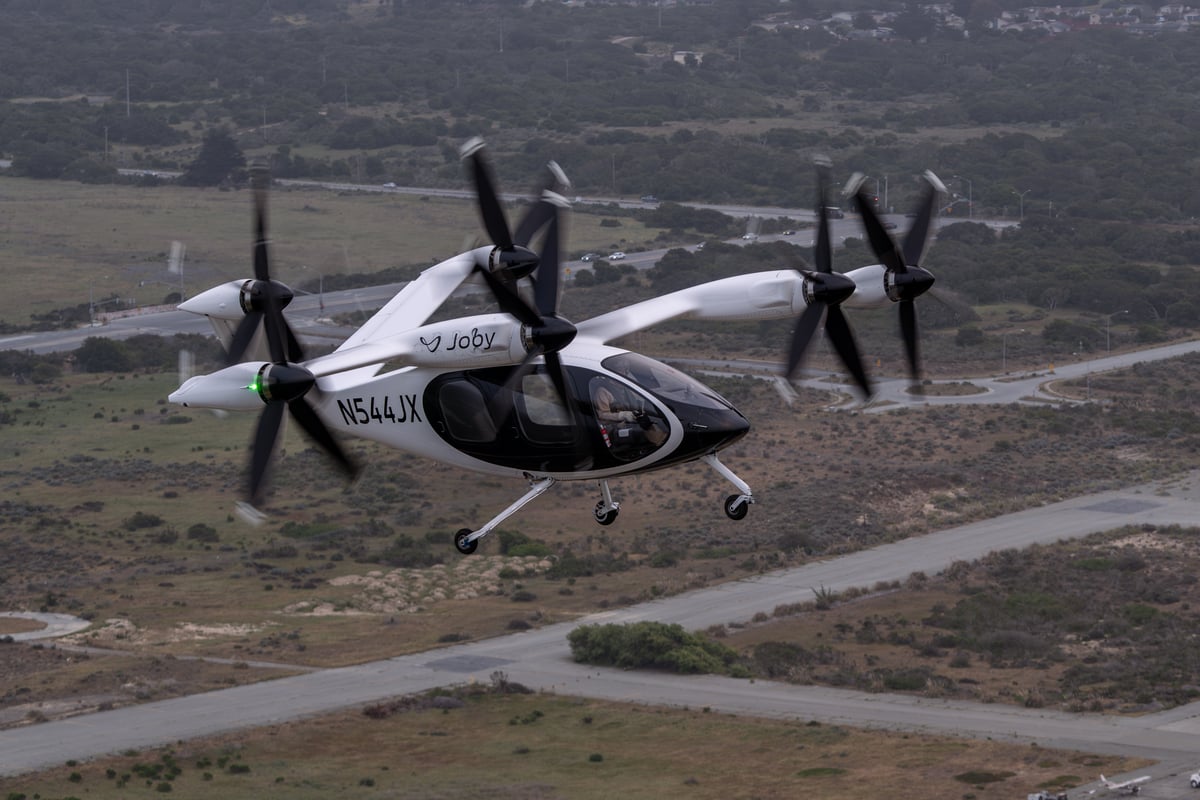
Joby Aviation Successfully Tests eVTOL Flights from Manhattan to JFK
- Successful Test Flights: Joby Aviation has successfully completed its first eVTOL test flights from Manhattan to JFK Airport, marking a significant milestone that provides proof-of-concept for its commuter flights and boosts market confidence despite being in the development stage.
- Positive Market Reaction: The news of the test flights led to a rise in Joby stock, garnering attention from multiple media outlets, indicating sustained market interest in eVTOL technology even though the company has yet to generate revenue.
- Economic Viability Challenges: While flight times can be as short as five minutes, passengers must still travel to the heliport, potentially extending total travel time to over half an hour, which limits the appeal of eVTOLs compared to traditional taxi services.
- Pricing Strategy Uncertain: Joby has not yet announced specific pricing, but it is expected to be around $200 per seat, similar to the acquired Blade helicopter service; however, this price may be hard to justify for groups, impacting market penetration.
See More

eVTOL Vehicles Face Significant Market Hurdles
- Successful Test Flights: Joby Aviation recently completed its first test flights from Manhattan to JFK Airport, marking a significant milestone that provides proof-of-concept for its commuter flights and increases market visibility, despite still lacking material revenue.
- Market Acceptance Issues: While flight times can be as short as five minutes, passengers must still reach the heliport, which limits the addressable market; for travelers with luggage, traditional taxis or public transport may be more appealing.
- Pricing Strategy Uncertain: Joby has yet to announce specific pricing, but it is expected to be around $200 per seat, which may be reasonable for solo travelers but less attractive for groups, potentially impacting demand.
- Economic Viability Challenges: Joby and Archer face significant hurdles in overcoming high operating costs and infrastructure scarcity, challenges that have previously hindered helicopter operators, limiting the widespread adoption of urban air mobility solutions.
See More
Archer Aviation: Prospects in the Electric VTOL Market
- Market Potential: Morgan Stanley analyst Adam Jonas estimates that the urban air mobility market could reach $1 trillion by 2040 and scale up to $9 trillion by 2050, highlighting the revolutionary potential of electric vertical takeoff and landing (eVTOL) aircraft across multiple industries.
- Stock Volatility: Since going public in 2021, Archer's stock has experienced extreme volatility, surging on FAA certification milestones and new airline orders, but crashing due to concerns over manufacturing costs and revenue recognition timelines, reflecting market anxiety about its profitability.
- High Cash Burn: Archer's elevated cash burn rate may necessitate additional capital raises to sustain operations, which, coupled with a broader risk-off sentiment, adds downward pressure on its stock price, prompting investors to carefully assess the associated risks.
- Shift in Investor Sentiment: As market focus shifts towards sustainable growth, investors' expectations for Archer have transitioned from visionary aspirations to demands for quantifiable metrics around cost discipline and manufacturing scale, making its current stock price potentially appealing for long-term investors while remaining cautious of further dilution risks.
See More
United Airlines Casts Doubt on eVTOL Market Potential
- Market Outlook Dims: United Airlines CEO Scott Kirby's concerns regarding the safety of eVTOL operations in crowded airport airspace may hinder the growth prospects of the eVTOL industry, particularly negatively impacting the investment case for Archer Aviation.
- Investment Dynamics: United invested $25 million in Archer in 2021 and made an undisclosed additional investment in 2023, along with a $10 million pre-delivery payment, indicating a long-term commitment to Archer, yet Kirby's comments introduce uncertainty about this commitment.
- Shifting Competitive Landscape: With American Airlines investing in Vertical Aerospace and preordering up to 250 aircraft, United's stance may lead investors to favor Joby Aviation over Archer, as Joby's vertically integrated service model contrasts sharply with Archer's approach.
- Complex Contract Conditions: Archer's SEC filings reveal that United's purchase agreement is contingent upon FAA certification and mutual agreement on material terms, suggesting that United could potentially walk away from the deal, incurring only a $10 million sunk cost.
See More
Joby Aviation Leads eVTOL Commercial Operations in Dubai
- Intensifying Market Competition: Joby Aviation is set to launch commercial eVTOL operations in Dubai in partnership with Uber, marking the beginning of a new era in eVTOL travel despite regional conflict risks, highlighting the sector's potential and attractiveness.
- Diverse Business Models: Joby is pursuing a vertically integrated Transportation-as-a-Service (TaaS) model, combining its own technology with Uber's transportation services, leading the FAA certification race ahead of rivals Archer and Vertical, showcasing its competitive edge.
- Emerging Investment Opportunities: Although eVTOL stocks have sharply declined this year, the long-term potential is evident, with Joby viewed as having the highest upside potential due to its first-mover advantage and TaaS model, attracting investor interest.
- Beta's Market Outlook: Beta Technologies is projected to end 2026 with $971 million in net cash and no need for funding until 2030, making it an attractive option for eVTOL investors due to its reliance on the cargo market and collaboration with Embraer.
See More
Joby Aviation Aims to Lead eVTOL Launches in Dubai
- Market Leadership: Joby Aviation, in partnership with Uber, plans to launch commercial electric vertical takeoff and landing (eVTOL) operations in Dubai in 2023, positioning itself as the frontrunner among Western companies, and despite regional conflicts posing risks, this initiative symbolizes the dawn of a new era in eVTOL travel.
- Competitive Landscape: Joby's rival, Archer Aviation, aims to launch its eVTOL services in Abu Dhabi in 2026; however, Joby is leading the FAA certification race with its ambitious vertically integrated transportation-as-a-service (TaaS) model, highlighting its business model's potential and ambition.
- Technological Investment: Joby is developing its own technology in collaboration with key investor Toyota while establishing a transportation services company through its partnership with Uber, showcasing its strategic positioning in the eVTOL market, even as it faces intense competition from Boeing's Wisk.
- Industry Outlook: Although eVTOL stocks have experienced significant volatility this year, Joby demonstrates considerable long-term growth potential due to its TaaS model and first-mover advantage, yet its future growth plans may require additional funding to sustain momentum.
See More
Joby Aviation Successfully Tests eVTOL Flights from Manhattan to JFK
- Successful Test Flights: Joby Aviation has successfully completed its first eVTOL test flights from Manhattan to JFK Airport, marking a significant milestone that provides proof-of-concept for its commuter flights and boosts market confidence despite being in the development stage.
- Positive Market Reaction: The news of the test flights led to a rise in Joby stock, garnering attention from multiple media outlets, indicating sustained market interest in eVTOL technology even though the company has yet to generate revenue.
- Economic Viability Challenges: While flight times can be as short as five minutes, passengers must still travel to the heliport, potentially extending total travel time to over half an hour, which limits the appeal of eVTOLs compared to traditional taxi services.
- Pricing Strategy Uncertain: Joby has not yet announced specific pricing, but it is expected to be around $200 per seat, similar to the acquired Blade helicopter service; however, this price may be hard to justify for groups, impacting market penetration.
See More
eVTOL Vehicles Face Significant Market Hurdles
- Successful Test Flights: Joby Aviation recently completed its first test flights from Manhattan to JFK Airport, marking a significant milestone that provides proof-of-concept for its commuter flights and increases market visibility, despite still lacking material revenue.
- Market Acceptance Issues: While flight times can be as short as five minutes, passengers must still reach the heliport, which limits the addressable market; for travelers with luggage, traditional taxis or public transport may be more appealing.
- Pricing Strategy Uncertain: Joby has yet to announce specific pricing, but it is expected to be around $200 per seat, which may be reasonable for solo travelers but less attractive for groups, potentially impacting demand.
- Economic Viability Challenges: Joby and Archer face significant hurdles in overcoming high operating costs and infrastructure scarcity, challenges that have previously hindered helicopter operators, limiting the widespread adoption of urban air mobility solutions.
See More