Archer Aviation: Potential of eVTOL Technology in Urban Mobility
Written by Emily J. Thompson, Senior Investment Analyst
Updated: Mar 10 2026
0mins

Should l Buy ACHR?
Source: Fool
- Massive Market Opportunity: According to Precedence Research, the global eVTOL market is currently valued at approximately $5 billion, with projections soaring to $216 billion by 2035, reflecting an astounding annual growth rate of 52%, highlighting Archer's significant potential in urban transportation.
- Strategic Partnerships: Archer has formed strategic alliances with AI leaders Palantir and Nvidia, underscoring the immense interest from major companies in next-generation aviation technology, which could provide robust support for its future growth.
- Significant Investment Risks: With a market capitalization of $4.6 billion, Archer would need to capture 20% of the eVTOL market to turn a $10,000 investment into $100,000, facing intense competition both domestically and internationally, particularly in China.
- High Execution Risks: Archer spent nearly $80 million on equipment and $126 million on acquisitions last year without recognizing any sales, indicating uncertainty in its market position, which necessitates cautious consideration from investors.
Trade with 70% Backtested Accuracy
Stop guessing "Should I Buy ACHR?" and start using high-conviction signals backed by rigorous historical data.
Sign up today to access powerful investing tools and make smarter, data-driven decisions.
Analyst Views on ACHR
Wall Street analysts forecast ACHR stock price to rise
6 Analyst Rating
4 Buy
2 Hold
0 Sell
Moderate Buy
Current: 5.210

Low
8.00
Averages
12.40
High
18.00
Current: 5.210
Low
8.00
Averages
12.40
High
18.00
About ACHR
Archer Aviation Inc. is an aerospace company. It is engaged in providing customers with advanced aircraft and related technologies and services in the United States and internationally in both the commercial and defense sectors. Its commercial line of business consists of the sale of its commercial aircraft (Archer Direct), such as Midnight, to aircraft operators as well as technologies and services related thereto, including commercial launch (certification, testing, training, demonstration, market survey and early trial operations), and maintenance and repair. Its defense line of business consists of the sale of aircraft and related technologies for defense applications. Its initial product is intended to be a hybrid-propulsion, vertical take-off and landing (VTOL) aircraft. Its Midnight aircraft is designed around its proprietary 12-tilt-6 distributed electric propulsion platform. It carries four passengers plus a pilot. The aircraft is purpose-built for air taxi operations.
About the author

Emily J. Thompson
Emily J. Thompson, a Chartered Financial Analyst (CFA) with 12 years in investment research, graduated with honors from the Wharton School. Specializing in industrial and technology stocks, she provides in-depth analysis for Intellectia’s earnings and market brief reports.
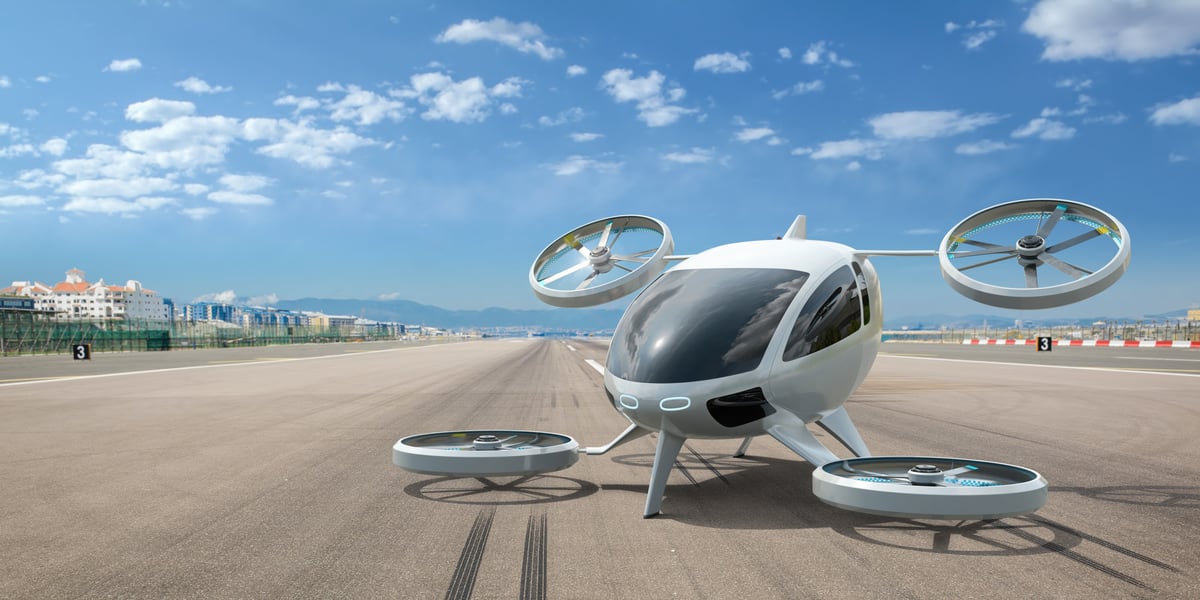
Archer Aviation Faces Challenges in Electric Air Taxi Market

- Market Sentiment Decline: Archer Aviation's stock has plummeted 62% from its all-time highs, reflecting a broader investor retreat from risk assets, which has driven the company's market cap down to $3.88 billion.
- Severe Financial Condition: In 2025, Archer reported an operating loss of $729 million with zero revenue, highlighting significant challenges in its commercialization efforts, while the outstanding shares have increased by 200% over the past five years, further diluting shareholder value.
- Regulatory Compliance Progress: Archer recently achieved 100% compliance with the FAA for its Midnight aircraft, marking a significant milestone, and will now collaborate with local regulators in New York, Florida, and Texas to initiate taxi networks in these cities.
- Future Potential and Risks: While electric air taxis could potentially generate hundreds of millions to billions in annual revenue globally, the company remains in its early stages and faces financial instability, prompting a cautious stance for investors considering buying in at this time.
See More

Joby Aviation Plans Certification and Operations in 2026


- Market Risk Assessment: Joby Aviation's stock declined by 17.9% in March, mirroring Archer Aviation's 27.4% drop, indicating the vulnerability of high-risk assets during market turmoil, although recent events have somewhat mitigated this risk.
- Geopolitical Impact: The ongoing conflict in the Persian Gulf poses uncertainty for Joby's partnership with Uber for air taxi services in Dubai, potentially delaying operations in the UAE and affecting the company's market expansion strategy.
- Policy Support Opportunity: Joby has been selected as a partner in multiple winning applications under the White House-backed Electric Vertical Takeoff and Landing (eVTOL) Integration Pilot Program, with plans to potentially begin operations in 10 states, including Florida, New York, and Texas, highlighting the potential for policy support.
- Flight Testing Progress: In mid-March, Joby began flight testing FAA-conforming aircraft for Type Inspection Authorization (TIA), paving the way for commercial deployment ahead of FAA certification, which is crucial for the company's growth trajectory.
See More

Joby Aviation Stock Declines Amid Geopolitical Tensions
- Stock Decline: Joby Aviation's stock fell by 17.9% in March, mirroring a 27.4% drop in peer Archer Aviation, indicating a broader sell-off in risk assets as investors shifted towards safer options amid market volatility.
- Geopolitical Impact: The ongoing conflict in the Persian Gulf has adversely affected Joby's partnership with Uber for Uber Air, as the announcement of their service targeting Dubai came at a particularly inopportune time, potentially hindering future business expansion.
- Positive Developments: In early March, Joby was selected as a partner in several White House-backed Electric Vertical Takeoff and Landing (eVTOL) Integration Pilot Program applications, with potential operations in 10 states by 2026, highlighting significant future growth opportunities.
- Flight Testing Initiated: Joby commenced flight testing of FAA-conforming aircraft in mid-March, preparing for FAA Type Inspection Authorization, which signifies technological advancements and readiness for market entry in the electric aviation sector.
See More

Archer Aviation Stock Plummets 27.4% Amid Legal Disputes and Market Pressures
- Significant Stock Decline: Archer Aviation's stock plummeted 27.4% in March, contrasting sharply with the S&P 500's 5.1% decline and the Nasdaq's 4.8% drop, indicating substantial market pressures faced by the company.
- Disappointing Earnings Report: In its Q4 report released on March 2, Archer reported a loss of $0.26 per share on approximately $300,000 in sales, missing analyst expectations of a $0.24 loss, highlighting ongoing challenges in profitability.
- Escalating Legal Disputes: Archer has filed a countersuit against rival Joby Aviation, alleging misrepresentation of ties to China, which intensifies market concerns about the company's future amid accusations of anti-competitive practices and trade secret theft.
- Geopolitical Pressures: The ongoing war with Iran poses risks to Archer's planned eVTOL air-taxi service launch in the UAE, potentially delaying market entry and increasing stock volatility, as geopolitical instability creates less favorable operating conditions.
See More
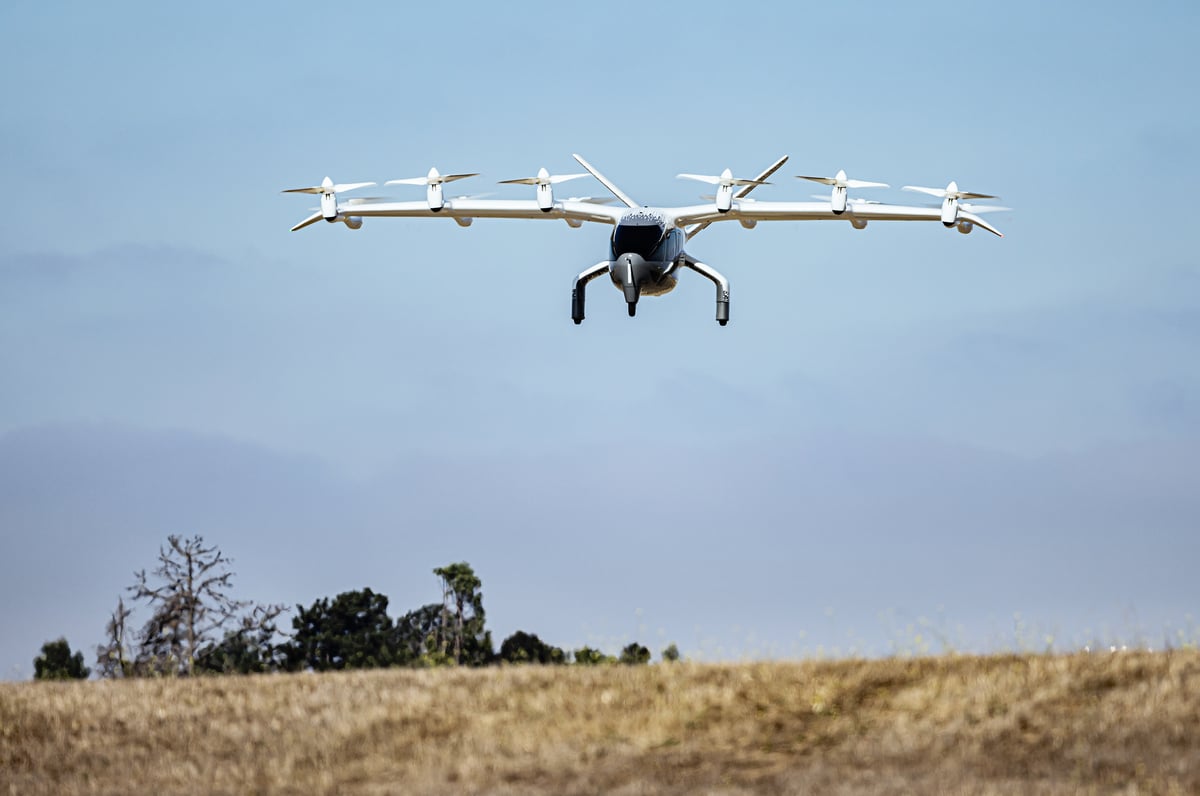
Archer Aviation's Ambitious eVTOL Vision Faces Challenges

- Market Potential: Archer Aviation's electric vertical takeoff and landing (eVTOL) aircraft could evolve into a fleet of thousands of flying taxis, with Morgan Stanley estimating the urban air mobility market could reach $9 trillion by 2050, highlighting its commercial potential.
- Regulatory Approval Pending: Although Archer has been selected for the White House's eVTOL Integration Pilot Program in Texas, Florida, and New York to aid in obtaining regulatory approval for commercial flights, it still lacks the necessary permissions, limiting its market entry.
- Financial Challenges: With a market cap of approximately $3.7 billion and a claimed backlog of $6 billion, Archer faces significant financial strain due to ongoing net losses and high cash burn from infrastructure development, raising concerns about its sustainability.
- Competitive Pressure: To dominate the global eVTOL market, Archer must surpass competitors like Joby Aviation; while the market potential is vast, the likelihood of achieving a 100-fold growth seems low, with more realistic projections suggesting a 10 to 20-fold increase over the next decade.
See More
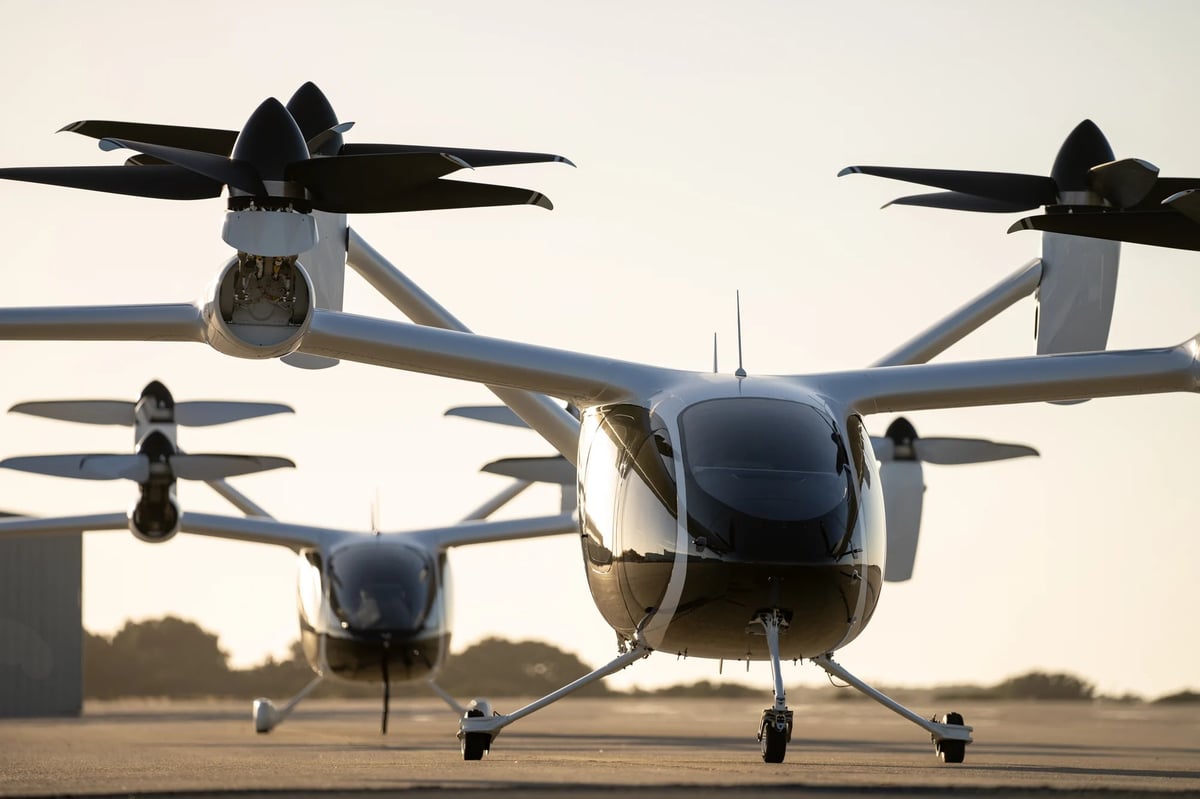
Joby Aviation Faces Market Challenges Amidst Economic Headwinds
- Stock Volatility: Joby Aviation's stock has plummeted over 40% this year due to macroeconomic factors such as the Iran War, soaring energy prices, and rate hike expectations, although it still rose over 30% in the past 12 months, reflecting market volatility and investor confidence.
- Technological Edge: Joby's S4 eVTOL can travel 150 miles on a single charge and reach speeds of 200 mph, outperforming most competitors due to its single tilt-rotor design, which has attracted prominent investors and customers like Toyota, Delta Air Lines, and Uber.
- Market Outlook: Analysts expect Joby's revenue to surge from $53 million in 2025 to $459 million by 2028, with net losses gradually narrowing as economies of scale kick in, indicating strong potential in the rapidly growing eVTOL market.
- Risk Factors: Despite Joby's promising growth outlook, military conflicts in Iran and rising energy prices could delay its first commercial flights in Dubai, while interest rate hikes may complicate financing, potentially leading investors to shift towards more conservative strategies.
See More
Archer Aviation Faces Challenges in Electric Air Taxi Market
- Market Sentiment Decline: Archer Aviation's stock has plummeted 62% from its all-time highs, reflecting a broader investor retreat from risk assets, which has driven the company's market cap down to $3.88 billion.
- Severe Financial Condition: In 2025, Archer reported an operating loss of $729 million with zero revenue, highlighting significant challenges in its commercialization efforts, while the outstanding shares have increased by 200% over the past five years, further diluting shareholder value.
- Regulatory Compliance Progress: Archer recently achieved 100% compliance with the FAA for its Midnight aircraft, marking a significant milestone, and will now collaborate with local regulators in New York, Florida, and Texas to initiate taxi networks in these cities.
- Future Potential and Risks: While electric air taxis could potentially generate hundreds of millions to billions in annual revenue globally, the company remains in its early stages and faces financial instability, prompting a cautious stance for investors considering buying in at this time.
See More
Joby Aviation Plans Certification and Operations in 2026
- Market Risk Assessment: Joby Aviation's stock declined by 17.9% in March, mirroring Archer Aviation's 27.4% drop, indicating the vulnerability of high-risk assets during market turmoil, although recent events have somewhat mitigated this risk.
- Geopolitical Impact: The ongoing conflict in the Persian Gulf poses uncertainty for Joby's partnership with Uber for air taxi services in Dubai, potentially delaying operations in the UAE and affecting the company's market expansion strategy.
- Policy Support Opportunity: Joby has been selected as a partner in multiple winning applications under the White House-backed Electric Vertical Takeoff and Landing (eVTOL) Integration Pilot Program, with plans to potentially begin operations in 10 states, including Florida, New York, and Texas, highlighting the potential for policy support.
- Flight Testing Progress: In mid-March, Joby began flight testing FAA-conforming aircraft for Type Inspection Authorization (TIA), paving the way for commercial deployment ahead of FAA certification, which is crucial for the company's growth trajectory.
See More
Joby Aviation Stock Declines Amid Geopolitical Tensions
- Stock Decline: Joby Aviation's stock fell by 17.9% in March, mirroring a 27.4% drop in peer Archer Aviation, indicating a broader sell-off in risk assets as investors shifted towards safer options amid market volatility.
- Geopolitical Impact: The ongoing conflict in the Persian Gulf has adversely affected Joby's partnership with Uber for Uber Air, as the announcement of their service targeting Dubai came at a particularly inopportune time, potentially hindering future business expansion.
- Positive Developments: In early March, Joby was selected as a partner in several White House-backed Electric Vertical Takeoff and Landing (eVTOL) Integration Pilot Program applications, with potential operations in 10 states by 2026, highlighting significant future growth opportunities.
- Flight Testing Initiated: Joby commenced flight testing of FAA-conforming aircraft in mid-March, preparing for FAA Type Inspection Authorization, which signifies technological advancements and readiness for market entry in the electric aviation sector.
See More
Archer Aviation Stock Plummets 27.4% Amid Legal Disputes and Market Pressures
- Significant Stock Decline: Archer Aviation's stock plummeted 27.4% in March, contrasting sharply with the S&P 500's 5.1% decline and the Nasdaq's 4.8% drop, indicating substantial market pressures faced by the company.
- Disappointing Earnings Report: In its Q4 report released on March 2, Archer reported a loss of $0.26 per share on approximately $300,000 in sales, missing analyst expectations of a $0.24 loss, highlighting ongoing challenges in profitability.
- Escalating Legal Disputes: Archer has filed a countersuit against rival Joby Aviation, alleging misrepresentation of ties to China, which intensifies market concerns about the company's future amid accusations of anti-competitive practices and trade secret theft.
- Geopolitical Pressures: The ongoing war with Iran poses risks to Archer's planned eVTOL air-taxi service launch in the UAE, potentially delaying market entry and increasing stock volatility, as geopolitical instability creates less favorable operating conditions.
See More
Archer Aviation's Ambitious eVTOL Vision Faces Challenges
- Market Potential: Archer Aviation's electric vertical takeoff and landing (eVTOL) aircraft could evolve into a fleet of thousands of flying taxis, with Morgan Stanley estimating the urban air mobility market could reach $9 trillion by 2050, highlighting its commercial potential.
- Regulatory Approval Pending: Although Archer has been selected for the White House's eVTOL Integration Pilot Program in Texas, Florida, and New York to aid in obtaining regulatory approval for commercial flights, it still lacks the necessary permissions, limiting its market entry.
- Financial Challenges: With a market cap of approximately $3.7 billion and a claimed backlog of $6 billion, Archer faces significant financial strain due to ongoing net losses and high cash burn from infrastructure development, raising concerns about its sustainability.
- Competitive Pressure: To dominate the global eVTOL market, Archer must surpass competitors like Joby Aviation; while the market potential is vast, the likelihood of achieving a 100-fold growth seems low, with more realistic projections suggesting a 10 to 20-fold increase over the next decade.
See More
Joby Aviation Faces Market Challenges Amidst Economic Headwinds
- Stock Volatility: Joby Aviation's stock has plummeted over 40% this year due to macroeconomic factors such as the Iran War, soaring energy prices, and rate hike expectations, although it still rose over 30% in the past 12 months, reflecting market volatility and investor confidence.
- Technological Edge: Joby's S4 eVTOL can travel 150 miles on a single charge and reach speeds of 200 mph, outperforming most competitors due to its single tilt-rotor design, which has attracted prominent investors and customers like Toyota, Delta Air Lines, and Uber.
- Market Outlook: Analysts expect Joby's revenue to surge from $53 million in 2025 to $459 million by 2028, with net losses gradually narrowing as economies of scale kick in, indicating strong potential in the rapidly growing eVTOL market.
- Risk Factors: Despite Joby's promising growth outlook, military conflicts in Iran and rising energy prices could delay its first commercial flights in Dubai, while interest rate hikes may complicate financing, potentially leading investors to shift towards more conservative strategies.
See More