Apple Card Issuer Transition to JPMorgan Chase Marks New Consumer Finance Era
Written by Emily J. Thompson, Senior Investment Analyst
Updated: Feb 08 2026
0mins


Should l Buy JPM?
Source: Fool
- Issuer Transition: In early 2026, JPMorgan Chase was selected as the new issuer of the Apple Card, taking over from Goldman Sachs, which stated that this move would help it narrow its business focus, highlighting Apple's ongoing expansion in consumer finance.
- Market Position: JPMorgan Chase is the largest credit card issuer in the U.S., managing approximately 150 million credit cards, while the Apple Card has over 12 million users; although this addition is modest, it still presents new cross-selling opportunities for the bank.
- User Demographics: Research indicates that Apple Card users are predominantly aged 20 to 40, accounting for about 70% of the user base, which allows JPMorgan Chase to effectively promote its premium credit card products, such as the Chase Sapphire Reserve, thereby enhancing customer loyalty.
- Future Outlook: While the specific financial terms of JPMorgan Chase's acquisition of the Apple Card business remain unclear, this partnership is expected to bring a significant influx of new customers to the bank, potentially invigorating its stock and strengthening its competitive position in the market.
Trade with 70% Backtested Accuracy
Stop guessing "Should I Buy JPM?" and start using high-conviction signals backed by rigorous historical data.
Sign up today to access powerful investing tools and make smarter, data-driven decisions.
Analyst Views on JPM
Wall Street analysts forecast JPM stock price to rise
19 Analyst Rating
11 Buy
7 Hold
1 Sell
Moderate Buy
Current: 304.880

Low
260.00
Averages
341.38
High
400.00
Current: 304.880
Low
260.00
Averages
341.38
High
400.00
About JPM
JPMorgan Chase & Co. is a financial holding company. The Company is engaged in investment banking, financial services for consumers and small businesses, commercial banking, financial transaction processing and asset management. The Company operates through three segments: Consumer & Community Banking (CCB), Commercial & Investment Bank (CIB), and Asset & Wealth Management (AWM). Its CCB segment offers products and services to consumers and small businesses through bank branches, ATMs, digital and telephone banking. Its CIB segment consists of banking and payments and markets and securities services, and offers a suite of investment banking, lending, payments, market-making, financing, custody and securities products and services to a global base of corporate and institutional clients. AWM segment offers investment and wealth management solutions. It offers multi-asset investment management solutions, retirement products and services, brokerage, custody, estate planning, and others.
About the author

Emily J. Thompson
Emily J. Thompson, a Chartered Financial Analyst (CFA) with 12 years in investment research, graduated with honors from the Wharton School. Specializing in industrial and technology stocks, she provides in-depth analysis for Intellectia’s earnings and market brief reports.
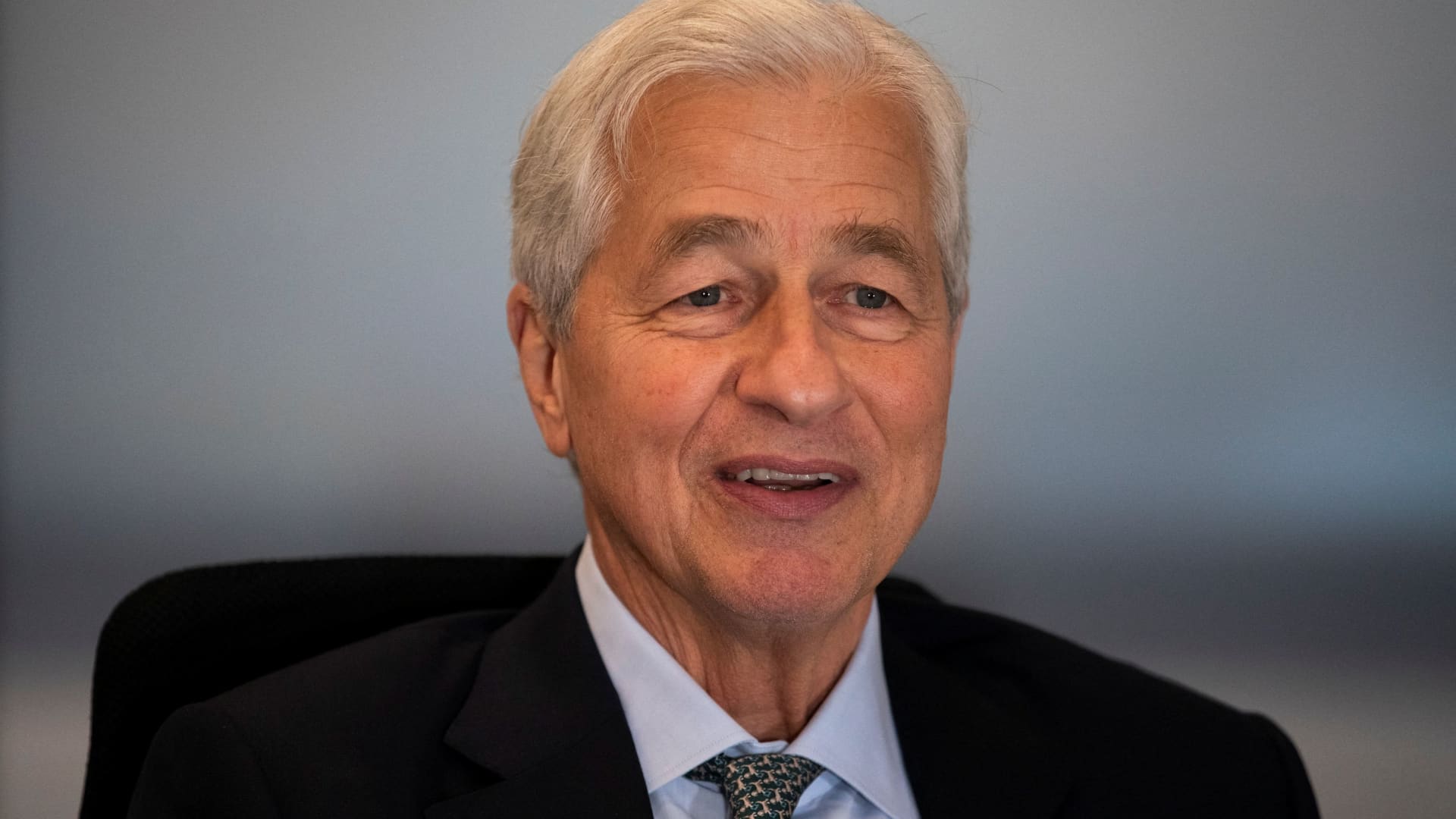
JPMorgan Considers London Project Changes Amid Political Uncertainty

- Project Uncertainty: JPMorgan CEO Jamie Dimon indicated that the bank may reconsider its multibillion-dollar office tower project in London if Prime Minister Keir Starmer is ousted, highlighting the potential impact of political instability on investment decisions.
- Massive Construction Plans: The project aims to build a new 3 million square foot headquarters in Canary Wharf, expected to house up to 12,000 employees and contribute approximately £9.9 billion ($13.4 billion) to the UK economy over six years, creating over 7,800 jobs.
- Increased Tax Burden: Dimon noted that JPMorgan has already paid around $10 billion in additional taxes related to the construction project, illustrating the pressure of high tax burdens on the bank's operations, which could affect its long-term strategy in the UK.
- Political Support and Challenges: Despite Starmer facing pressure from his party, Dimon expressed support for his leadership, emphasizing the need for the government to take tough measures to stimulate economic growth, underscoring the importance of political stability for large investment projects.
See More
JPMorgan Open to Engaging with France's Far-Right National Rally
- Willingness for Political Dialogue: Matthieu Wiltz, co-CEO of JPMorgan's Europe, Middle East, and Africa region, expressed openness to engage with France's far-right National Rally (RN), emphasizing the importance of dialogue with all political parties to promote long-term benefits for France and the EU.
- Shift in Corporate Attitude: As polls indicate RN's potential victory in the 2027 presidential election, many large companies are reassessing their relationships with the party, aiming to better understand and influence its economic agenda, reflecting corporate sensitivity to the political landscape.
- Executive Interactions: RN president Jordan Bardella met with France's leading employer federation last month, while Marine Le Pen dined with prominent executives, indicating a gradual increase in RN's influence within the corporate sector, despite ongoing caution from some executives.
- Attractiveness of French Market: Wiltz noted that despite the need to balance operations between Paris and London in a post-Brexit environment, JPMorgan finds France appealing and plans to expand its Paris office to support its growing operations, demonstrating confidence in the French market.
See More
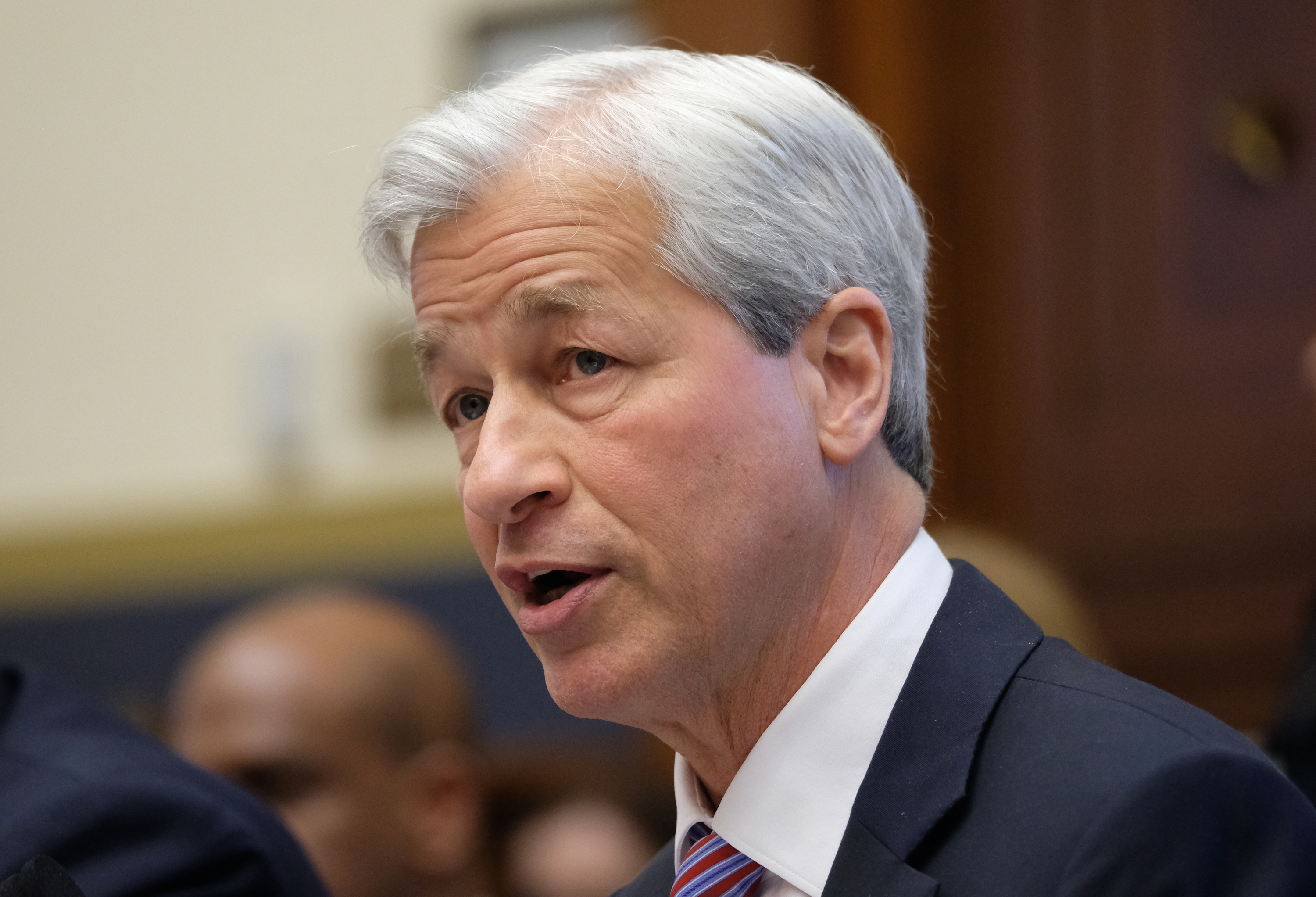
JPMorgan's Dimon Warns UK on Tax Risks
- Investment Risk Warning: JPMorgan CEO Jamie Dimon cautioned that any increase in bank taxes if Keir Starmer is replaced as Prime Minister could lead the bank to reconsider its plans to invest billions in a new headquarters at Canary Wharf, highlighting the uncertainty surrounding future policies.
- Project Scale and Economic Impact: The planned office building in Canary Wharf is expected to become London's largest, covering approximately 3 million square feet and accommodating up to 12,000 employees, with an anticipated contribution of £9.9 billion ($13.4 billion) to the local economy and the creation of around 7,800 jobs over six years.
- Political Uncertainty Effects: Dimon's remarks come amid intensified calls for Starmer's resignation following heavy Labour losses in local elections, raising market concerns about a successor potentially implementing higher taxes and increased public spending, reflecting the impact of political climate on business decisions.
- Tax Burden Reflection: Dimon noted that JPMorgan has already paid around $10 billion in extra taxes in the UK, asserting that such a burden is unfair, and if tax policies become hostile towards banks, the firm will reconsider its investment plans in the UK, emphasizing the significance of tax policy for foreign enterprises.
See More

JPMorgan Chase Reshuffles Investment Banking Leadership
- Executive Reshuffle: JPMorgan Chase is set to reorganize its investment banking leadership by appointing Dorothee Blessing, Kevin Foley, and Jared Kaye as co-heads of global investment banking, aiming to enhance business synergy and market competitiveness.
- Strategic Context: This reshuffle is part of a broader reorganization at JPMorgan, reflecting the company's strategy to optimize its leadership structure in response to market changes, thereby increasing the agility and responsiveness of its investment banking operations.
- Market Reaction Expectations: Analysts believe that this leadership change could positively impact JPMorgan's investment banking business, particularly in capital markets and financial institutions, further solidifying its market leadership position.
- Future Development Focus: Through this reorganization, JPMorgan aims to better integrate resources and improve client service quality, thereby maintaining a competitive edge in the fiercely competitive investment banking sector.
See More
JPMorgan to Restructure Senior Roles in Investment Banking
- Leadership Restructuring: JPMorgan Chase is set to reorganize its investment banking division by appointing Dorothee Blessing, Kevin Foley, and Jared Kaye as co-heads of global investment banking, aiming to enhance business synergy and market competitiveness.
- Market Reaction Anticipation: This restructuring could impact operational efficiency within the investment banking sector, particularly in capital markets and financial institutions, and is expected to strengthen the firm's ability to navigate complex market environments.
- Context of Leadership Changes: The personnel changes are part of a broader reorganization at JPMorgan, reflecting the company's strategy to improve decision-making efficiency and business agility in response to market challenges.
- Industry Impact Analysis: With the reappointment of executives, JPMorgan may adopt more innovative strategies in its investment banking operations to address increasing market competition and attract a larger client base.
See More

CVS Health Shares Rise 3% on Analyst Upgrades and Strong Earnings

- Analyst Upgrades: Lisa Gill from JPMorgan raised CVS's price target to $111, a $10 increase from her previous estimate, reflecting confidence in the company's future performance, while Lance Wilkes also increased his target from $94 to $106, further boosting market optimism.
- Strong Earnings Report: CVS reported a 66% year-over-year increase in net income to nearly $3 billion in Q1, demonstrating robust profitability, which positively influenced investor sentiment and highlighted the company's competitive strength in the retail healthcare sector.
- Improved Medical Benefit Ratio: The company successfully reduced its medical benefit ratio by nearly three percentage points, indicating significant progress in cost control and operational efficiency, which will enhance profitability and market appeal.
- Raised Profit Guidance: CVS has also raised its profitability guidance for 2026, reflecting confidence in future growth; combined with its strong market position, this is expected to attract more investor interest and drive stock price appreciation.
See More
JPMorgan Considers London Project Changes Amid Political Uncertainty
- Project Uncertainty: JPMorgan CEO Jamie Dimon indicated that the bank may reconsider its multibillion-dollar office tower project in London if Prime Minister Keir Starmer is ousted, highlighting the potential impact of political instability on investment decisions.
- Massive Construction Plans: The project aims to build a new 3 million square foot headquarters in Canary Wharf, expected to house up to 12,000 employees and contribute approximately £9.9 billion ($13.4 billion) to the UK economy over six years, creating over 7,800 jobs.
- Increased Tax Burden: Dimon noted that JPMorgan has already paid around $10 billion in additional taxes related to the construction project, illustrating the pressure of high tax burdens on the bank's operations, which could affect its long-term strategy in the UK.
- Political Support and Challenges: Despite Starmer facing pressure from his party, Dimon expressed support for his leadership, emphasizing the need for the government to take tough measures to stimulate economic growth, underscoring the importance of political stability for large investment projects.
See More
JPMorgan Open to Engaging with France's Far-Right National Rally
- Willingness for Political Dialogue: Matthieu Wiltz, co-CEO of JPMorgan's Europe, Middle East, and Africa region, expressed openness to engage with France's far-right National Rally (RN), emphasizing the importance of dialogue with all political parties to promote long-term benefits for France and the EU.
- Shift in Corporate Attitude: As polls indicate RN's potential victory in the 2027 presidential election, many large companies are reassessing their relationships with the party, aiming to better understand and influence its economic agenda, reflecting corporate sensitivity to the political landscape.
- Executive Interactions: RN president Jordan Bardella met with France's leading employer federation last month, while Marine Le Pen dined with prominent executives, indicating a gradual increase in RN's influence within the corporate sector, despite ongoing caution from some executives.
- Attractiveness of French Market: Wiltz noted that despite the need to balance operations between Paris and London in a post-Brexit environment, JPMorgan finds France appealing and plans to expand its Paris office to support its growing operations, demonstrating confidence in the French market.
See More
JPMorgan's Dimon Warns UK on Tax Risks
- Investment Risk Warning: JPMorgan CEO Jamie Dimon cautioned that any increase in bank taxes if Keir Starmer is replaced as Prime Minister could lead the bank to reconsider its plans to invest billions in a new headquarters at Canary Wharf, highlighting the uncertainty surrounding future policies.
- Project Scale and Economic Impact: The planned office building in Canary Wharf is expected to become London's largest, covering approximately 3 million square feet and accommodating up to 12,000 employees, with an anticipated contribution of £9.9 billion ($13.4 billion) to the local economy and the creation of around 7,800 jobs over six years.
- Political Uncertainty Effects: Dimon's remarks come amid intensified calls for Starmer's resignation following heavy Labour losses in local elections, raising market concerns about a successor potentially implementing higher taxes and increased public spending, reflecting the impact of political climate on business decisions.
- Tax Burden Reflection: Dimon noted that JPMorgan has already paid around $10 billion in extra taxes in the UK, asserting that such a burden is unfair, and if tax policies become hostile towards banks, the firm will reconsider its investment plans in the UK, emphasizing the significance of tax policy for foreign enterprises.
See More
JPMorgan Chase Reshuffles Investment Banking Leadership
- Executive Reshuffle: JPMorgan Chase is set to reorganize its investment banking leadership by appointing Dorothee Blessing, Kevin Foley, and Jared Kaye as co-heads of global investment banking, aiming to enhance business synergy and market competitiveness.
- Strategic Context: This reshuffle is part of a broader reorganization at JPMorgan, reflecting the company's strategy to optimize its leadership structure in response to market changes, thereby increasing the agility and responsiveness of its investment banking operations.
- Market Reaction Expectations: Analysts believe that this leadership change could positively impact JPMorgan's investment banking business, particularly in capital markets and financial institutions, further solidifying its market leadership position.
- Future Development Focus: Through this reorganization, JPMorgan aims to better integrate resources and improve client service quality, thereby maintaining a competitive edge in the fiercely competitive investment banking sector.
See More
JPMorgan to Restructure Senior Roles in Investment Banking
- Leadership Restructuring: JPMorgan Chase is set to reorganize its investment banking division by appointing Dorothee Blessing, Kevin Foley, and Jared Kaye as co-heads of global investment banking, aiming to enhance business synergy and market competitiveness.
- Market Reaction Anticipation: This restructuring could impact operational efficiency within the investment banking sector, particularly in capital markets and financial institutions, and is expected to strengthen the firm's ability to navigate complex market environments.
- Context of Leadership Changes: The personnel changes are part of a broader reorganization at JPMorgan, reflecting the company's strategy to improve decision-making efficiency and business agility in response to market challenges.
- Industry Impact Analysis: With the reappointment of executives, JPMorgan may adopt more innovative strategies in its investment banking operations to address increasing market competition and attract a larger client base.
See More
CVS Health Shares Rise 3% on Analyst Upgrades and Strong Earnings
- Analyst Upgrades: Lisa Gill from JPMorgan raised CVS's price target to $111, a $10 increase from her previous estimate, reflecting confidence in the company's future performance, while Lance Wilkes also increased his target from $94 to $106, further boosting market optimism.
- Strong Earnings Report: CVS reported a 66% year-over-year increase in net income to nearly $3 billion in Q1, demonstrating robust profitability, which positively influenced investor sentiment and highlighted the company's competitive strength in the retail healthcare sector.
- Improved Medical Benefit Ratio: The company successfully reduced its medical benefit ratio by nearly three percentage points, indicating significant progress in cost control and operational efficiency, which will enhance profitability and market appeal.
- Raised Profit Guidance: CVS has also raised its profitability guidance for 2026, reflecting confidence in future growth; combined with its strong market position, this is expected to attract more investor interest and drive stock price appreciation.
See More