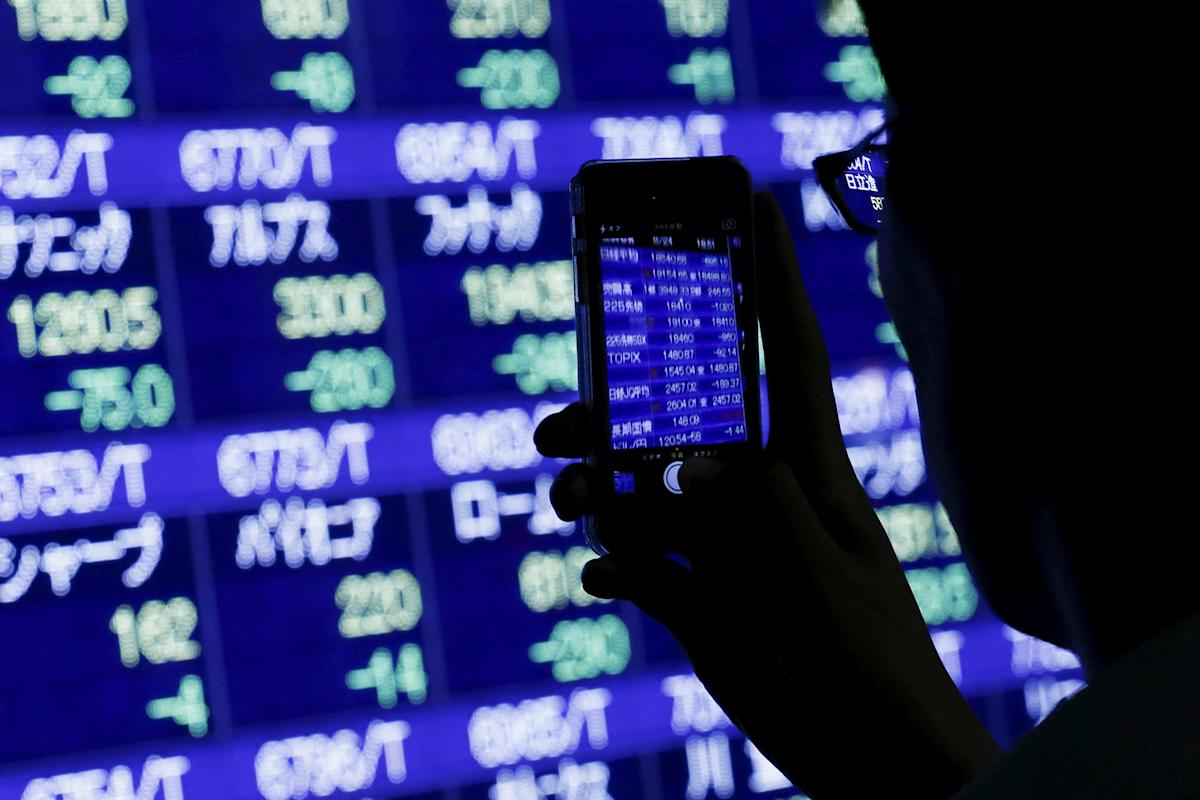
Apple Announces New Manufacturing Program with $400M Investment


Apple (AAPL) announced new members of its American Manufacturing Program, expanding the company's commitment to bring even more advanced manufacturing and critical component production to the United States. Apple is working with Bosch, Cirrus Logic (CRUS), TDK, and Qnity Electronics (Q) to manufacture essential materials and components in the U.S. for Apple products sold around the world, creating jobs and strengthening America's manufacturing capabilities, said Apple, adding that the company is planning to spend $400M for these new programs through 2030. "At Apple, we believe in the power of American innovation and manufacturing, and we're proud to partner with even more companies to produce critical components and cutting-edge materials for our products right here in the U.S. Today, we're joining with world-class partners like Bosch, Cirrus Logic, TDK, and Qnity Electronics to further expand Apple's U.S. supply chain through our American Manufacturing Program. This is another powerful example of what is possible when we invest in American ingenuity, and we're excited to build the future together," said Tim Cook, Apple's CEO.
Trade with 70% Backtested Accuracy
Analyst Views on AAPL

About AAPL
About the author


Apple's iPhone Sales Surge Over 20% Amid Strategic AI Outsourcing

- iPhone Sales Growth: Apple reported over a 22% increase in iPhone sales for its latest fiscal quarter, indicating a resurgence in market vitality after years of stagnation, reflecting strong demand for its core product.
- Service Revenue Boost: The services segment saw a 17% year-over-year revenue increase, complementing the robust performance of iPhone sales and collectively driving Apple's total revenue to $111 billion in Q2 of fiscal 2026, showcasing the company's success in diversifying its revenue streams.
- AI Outsourcing Strategy: Apple's decision to outsource most of its AI work rather than investing hundreds of billions directly may impact its competitiveness in the AI space, although this approach aligns with Apple's historically cautious strategy.
- Valuation Challenges: Despite a 6% rise in stock price over the past year, Apple's price-to-earnings ratio remains high at 35 times, reflecting market caution regarding its future growth and suggesting that investors may need to consider other more attractive opportunities.

Apple's Sales Surge and AI Relaunch Plans
- Significant Sales Growth: Apple reported a 17% year-over-year sales increase in Q2 2026, driven by a remarkable 22% rise in iPhone sales, indicating strong consumer preference and robust market demand for its products.
- AI Relaunch Plans: The company is set to relaunch an enhanced Siri in the coming months, although management did not specify the exact timing; this initiative aims to improve user experience and strengthen its competitive position in the smart assistant market, particularly through collaboration with Alphabet.
- Expanding User Base: With 2.5 billion active users, the revamped Siri is expected to further enhance user engagement and attract more customers to its devices, thereby driving long-term business growth.
- Market Reaction Expectations: The rollout of the new Siri is anticipated to positively impact Apple’s stock performance, reinforcing the company's leadership in the tech industry, despite analysts noting that Apple was not included in the current list of top investment stocks.

Trump Calls Iran's Response Unacceptable

- Peace Offer Response: Trump stated that Iran's reaction to the U.S. peace proposal is 'totally unacceptable,' indicating a significant escalation in tensions that could hinder future diplomatic negotiations and regional stability.
- Summit Implications: Ahead of the upcoming Xi summit, Trump's remarks may affect diplomatic interactions with China, particularly in the context of increasingly complex U.S.-China relations.
- Geopolitical Ramifications: Trump's hardline stance could exacerbate the situation in the Middle East, increasing U.S. military and diplomatic pressures in the region, which may subsequently impact global oil prices and market sentiment.
- Domestic Political Strategy: Trump's comments may be aimed at solidifying his domestic support base, especially under election pressure, by leveraging a tough foreign policy stance to attract voter attention.
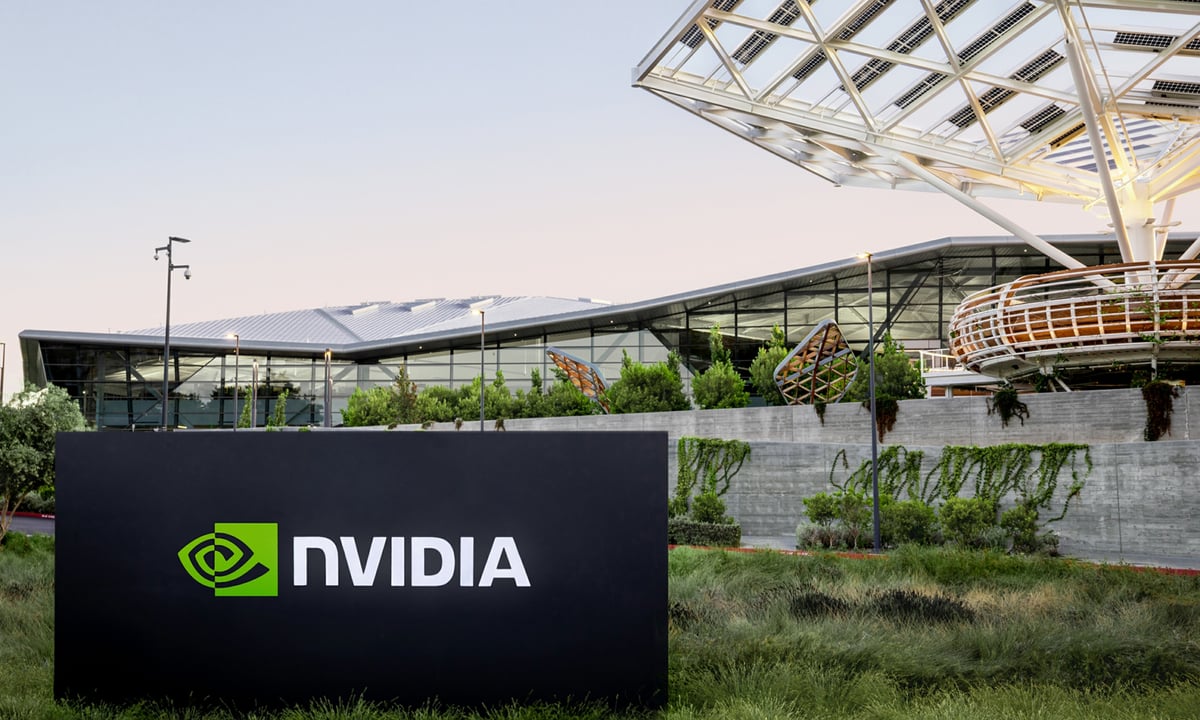
Nvidia: The Leader in the AI Gold Rush

- Significant Revenue Growth: Nvidia's revenue for the full year 2025 reached $130 billion, surpassing the GDP of over 100 countries and representing a 2,500% increase from its 2016 revenue of $5 billion, highlighting its strong demand and leadership in the AI market.
- Market Cap Surge: Nvidia's market cap skyrocketed from approximately $20 billion in 2016 to over $5 trillion today, marking a staggering 27,000% increase over the decade, reflecting investor confidence in its future growth potential.
- Outstanding Stock Performance: An investment of $5,000 in Nvidia a decade ago would have turned an investor into a millionaire today, outperforming nearly all other megacap tech stocks during the same period, showcasing its exceptional investment returns.
- Reasonable Valuation: Despite Nvidia's stock trading at about 24 times forward earnings, slightly above the tech average of 22.7, its valuation is considered reasonable in the context of strong AI market tailwinds, indicating potential for future growth.

Nvidia's Revenue Grows 2500% Over Decade
- Significant Revenue Growth: Nvidia's full-year revenue for 2025 reached $130 billion, representing a 2500% increase from $5 billion in 2016, surpassing the GDPs of over 100 countries and showcasing its dominant market position in AI.
- Market Cap Surge: Since 2016, Nvidia's market cap skyrocketed from approximately $20 billion to over $5 trillion, marking a staggering 27,000% increase and establishing it as the world's highest-valued company, reflecting strong investor confidence in its growth potential.
- Clear Technological Advantage: Nvidia is widely regarded as the leading
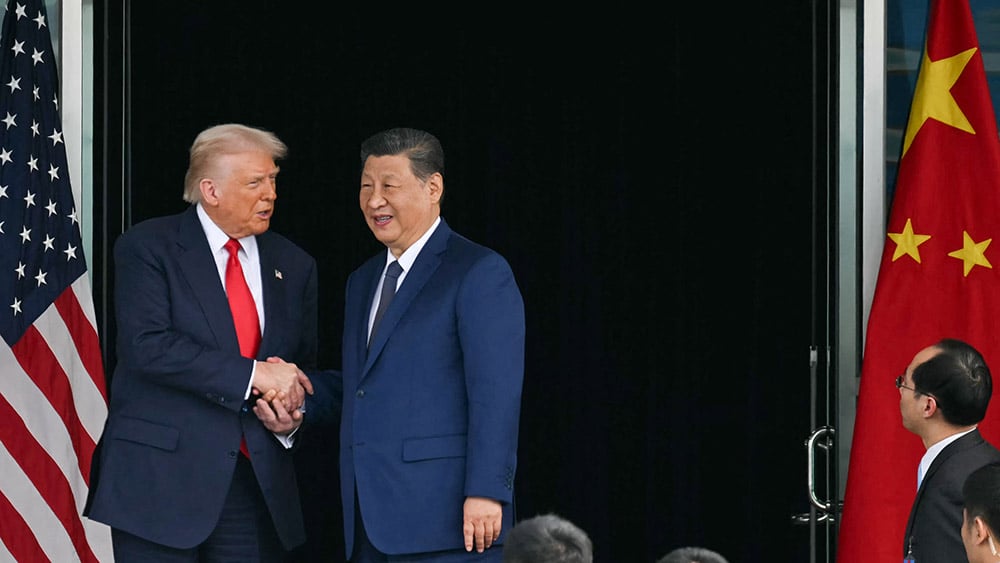
U.S. Stock Market Peaks Amid Iran News and Trump-Xi Summit Focus
- Market Peaks: The U.S. stock market is currently at historical highs, primarily driven by news regarding Iran and the upcoming Trump-Xi summit, indicating investor optimism about future economic policies.
- Buying Opportunities: Stocks like Apple, Nvidia, and Boeing are identified as being in buy zones, reflecting strong market confidence in these tech and aerospace giants, which could lead to further price increases.
- Policy Impact: The Trump-Xi meeting may influence U.S.-China trade relations, with investors closely monitoring potential policy changes to assess their impact on the market, particularly in the tech and manufacturing sectors.
- Investor Sentiment: Positive market sentiment prevails as investors eagerly anticipate upcoming economic data and policy statements, which could further drive stock market gains and enhance overall market stability.
Apple's iPhone Sales Surge Over 20% Amid Strategic AI Outsourcing
- iPhone Sales Growth: Apple reported over a 22% increase in iPhone sales for its latest fiscal quarter, indicating a resurgence in market vitality after years of stagnation, reflecting strong demand for its core product.
- Service Revenue Boost: The services segment saw a 17% year-over-year revenue increase, complementing the robust performance of iPhone sales and collectively driving Apple's total revenue to $111 billion in Q2 of fiscal 2026, showcasing the company's success in diversifying its revenue streams.
- AI Outsourcing Strategy: Apple's decision to outsource most of its AI work rather than investing hundreds of billions directly may impact its competitiveness in the AI space, although this approach aligns with Apple's historically cautious strategy.
- Valuation Challenges: Despite a 6% rise in stock price over the past year, Apple's price-to-earnings ratio remains high at 35 times, reflecting market caution regarding its future growth and suggesting that investors may need to consider other more attractive opportunities.
Apple's Sales Surge and AI Relaunch Plans
- Significant Sales Growth: Apple reported a 17% year-over-year sales increase in Q2 2026, driven by a remarkable 22% rise in iPhone sales, indicating strong consumer preference and robust market demand for its products.
- AI Relaunch Plans: The company is set to relaunch an enhanced Siri in the coming months, although management did not specify the exact timing; this initiative aims to improve user experience and strengthen its competitive position in the smart assistant market, particularly through collaboration with Alphabet.
- Expanding User Base: With 2.5 billion active users, the revamped Siri is expected to further enhance user engagement and attract more customers to its devices, thereby driving long-term business growth.
- Market Reaction Expectations: The rollout of the new Siri is anticipated to positively impact Apple’s stock performance, reinforcing the company's leadership in the tech industry, despite analysts noting that Apple was not included in the current list of top investment stocks.
Trump Calls Iran's Response Unacceptable
- Peace Offer Response: Trump stated that Iran's reaction to the U.S. peace proposal is 'totally unacceptable,' indicating a significant escalation in tensions that could hinder future diplomatic negotiations and regional stability.
- Summit Implications: Ahead of the upcoming Xi summit, Trump's remarks may affect diplomatic interactions with China, particularly in the context of increasingly complex U.S.-China relations.
- Geopolitical Ramifications: Trump's hardline stance could exacerbate the situation in the Middle East, increasing U.S. military and diplomatic pressures in the region, which may subsequently impact global oil prices and market sentiment.
- Domestic Political Strategy: Trump's comments may be aimed at solidifying his domestic support base, especially under election pressure, by leveraging a tough foreign policy stance to attract voter attention.
Nvidia: The Leader in the AI Gold Rush
- Significant Revenue Growth: Nvidia's revenue for the full year 2025 reached $130 billion, surpassing the GDP of over 100 countries and representing a 2,500% increase from its 2016 revenue of $5 billion, highlighting its strong demand and leadership in the AI market.
- Market Cap Surge: Nvidia's market cap skyrocketed from approximately $20 billion in 2016 to over $5 trillion today, marking a staggering 27,000% increase over the decade, reflecting investor confidence in its future growth potential.
- Outstanding Stock Performance: An investment of $5,000 in Nvidia a decade ago would have turned an investor into a millionaire today, outperforming nearly all other megacap tech stocks during the same period, showcasing its exceptional investment returns.
- Reasonable Valuation: Despite Nvidia's stock trading at about 24 times forward earnings, slightly above the tech average of 22.7, its valuation is considered reasonable in the context of strong AI market tailwinds, indicating potential for future growth.
Nvidia's Revenue Grows 2500% Over Decade
- Significant Revenue Growth: Nvidia's full-year revenue for 2025 reached $130 billion, representing a 2500% increase from $5 billion in 2016, surpassing the GDPs of over 100 countries and showcasing its dominant market position in AI.
- Market Cap Surge: Since 2016, Nvidia's market cap skyrocketed from approximately $20 billion to over $5 trillion, marking a staggering 27,000% increase and establishing it as the world's highest-valued company, reflecting strong investor confidence in its growth potential.
- Clear Technological Advantage: Nvidia is widely regarded as the leading
U.S. Stock Market Peaks Amid Iran News and Trump-Xi Summit Focus
- Market Peaks: The U.S. stock market is currently at historical highs, primarily driven by news regarding Iran and the upcoming Trump-Xi summit, indicating investor optimism about future economic policies.
- Buying Opportunities: Stocks like Apple, Nvidia, and Boeing are identified as being in buy zones, reflecting strong market confidence in these tech and aerospace giants, which could lead to further price increases.
- Policy Impact: The Trump-Xi meeting may influence U.S.-China trade relations, with investors closely monitoring potential policy changes to assess their impact on the market, particularly in the tech and manufacturing sectors.
- Investor Sentiment: Positive market sentiment prevails as investors eagerly anticipate upcoming economic data and policy statements, which could further drive stock market gains and enhance overall market stability.