Apple Adjusts M6 Chip Release Plans, Focusing on M7
Written by Emily J. Thompson, Senior Investment Analyst
Updated: 58 minutes ago
0mins
Source: seekingalpha
- M6 Chip Release Plans: Apple is expected to release the base model M6 chip this year but will skip higher-end M6 chips, opting instead to focus on the M7 chip, indicating a strategic pivot towards the AI market.
- M7 Chip Features: The M7 chip is designed to better handle the growing demand for on-device AI tasks and could be introduced as early as next year, potentially enhancing Apple's competitive edge in the AI sector.
- M5 Ultra Chip Release: Despite the adjustments to the M6 chip plans, the M5 Ultra chip within the M5 line is still set to be released later this year, continuing to support Apple's high-end Mac product lineup.
- Stock Price Impact: Apple's shares fell over 6% on Thursday following the announcement of price hikes on nearly all products, reflecting market concerns regarding its pricing strategy amid ongoing memory shortages.
Trade with 70% Backtested Accuracy
Stop guessing "Should I Buy AAPL?" and start using high-conviction signals backed by rigorous historical data.
Sign up today to access powerful investing tools and make smarter, data-driven decisions.
Analyst Views on AAPL
Wall Street analysts forecast AAPL stock price to rise
27 Analyst Rating
17 Buy
9 Hold
1 Sell
Moderate Buy
Current: 293.080

Low
239.00
Averages
306.89
High
350.00
Current: 293.080
Low
239.00
Averages
306.89
High
350.00
About AAPL
Apple Inc. designs, manufactures and markets smartphones, personal computers, tablets, wearables and accessories, and sells a variety of related services. Its product categories include iPhone, Mac, iPad, Wearables, Home and Accessories. Its services include advertising, AppleCare, cloud services, digital content, and payment services. The Company operates various platforms, including the App Store, that allow customers to discover and download applications and digital content, such as books, music, video, games and podcasts. It also offers digital content through subscription-based services, including Apple Arcade, Apple Fitness+, Apple Music, Apple News+, and Apple TV+. Its wearables include smartwatches, wireless headphones, and spatial computers. Its products include iPhone 16 Pro, iPhone 16, iPhone 15, iPhone 14, iPhone SE, MacBook Air, MacBook Pro, iMac, Mac mini, Mac Studio, Mac Pro, iPad Pro, iPad Air, AirPods, AirPods Pro, AirPods Max, Apple TV, Apple Vision Pro and others.
About the author

Emily J. Thompson
Emily J. Thompson, a Chartered Financial Analyst (CFA) with 12 years in investment research, graduated with honors from the Wharton School. Specializing in industrial and technology stocks, she provides in-depth analysis for Intellectia’s earnings and market brief reports.
Apple's App Store Revenue Growth Slows

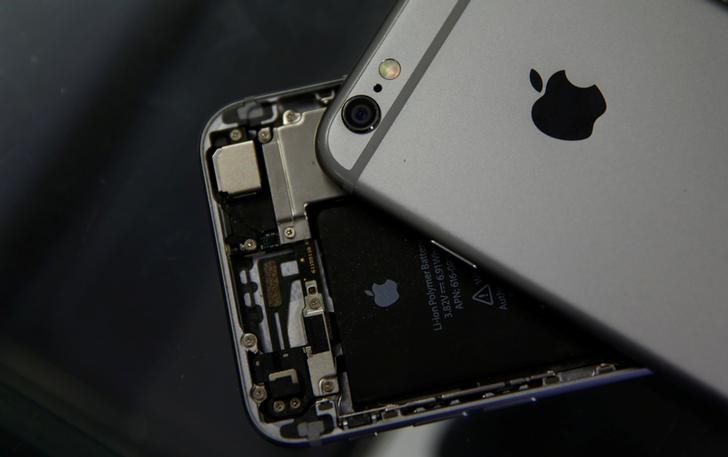
- App Store Revenue Growth: According to Morgan Stanley's data, Apple's App Store net revenue growth is at 2.4% year-over-year as of June 22, reflecting an 80bps deceleration from May, which could lead to a downward adjustment of approximately $130 million in Services revenue growth expectations.
- Services Segment Performance: Despite the slowdown in App Store growth, Apple's overall Services segment remains robust, with revenue growth rates sustained at 14-16% over the past three quarters, significantly exceeding the long-term expectation of 11-14%, indicating strong demand for services like iCloud and AppleCare.
- iPhone Production Forecast: Morgan Stanley forecasts 54 million iPhone builds in Q3 2026, suggesting flat or slightly declining production year-over-year for the second half of 2026, which aligns with expectations following a 12% increase in the first half of the year.
- iPhone 18 Pricing Strategy: The iPhone 18 family is expected to be priced about $100 higher than the iPhone 17, which Morgan Stanley believes may impact consumer demand but could also boost Apple's overall earnings in the short term.
See More
Apple Raises Device Prices Due to Memory Shortage
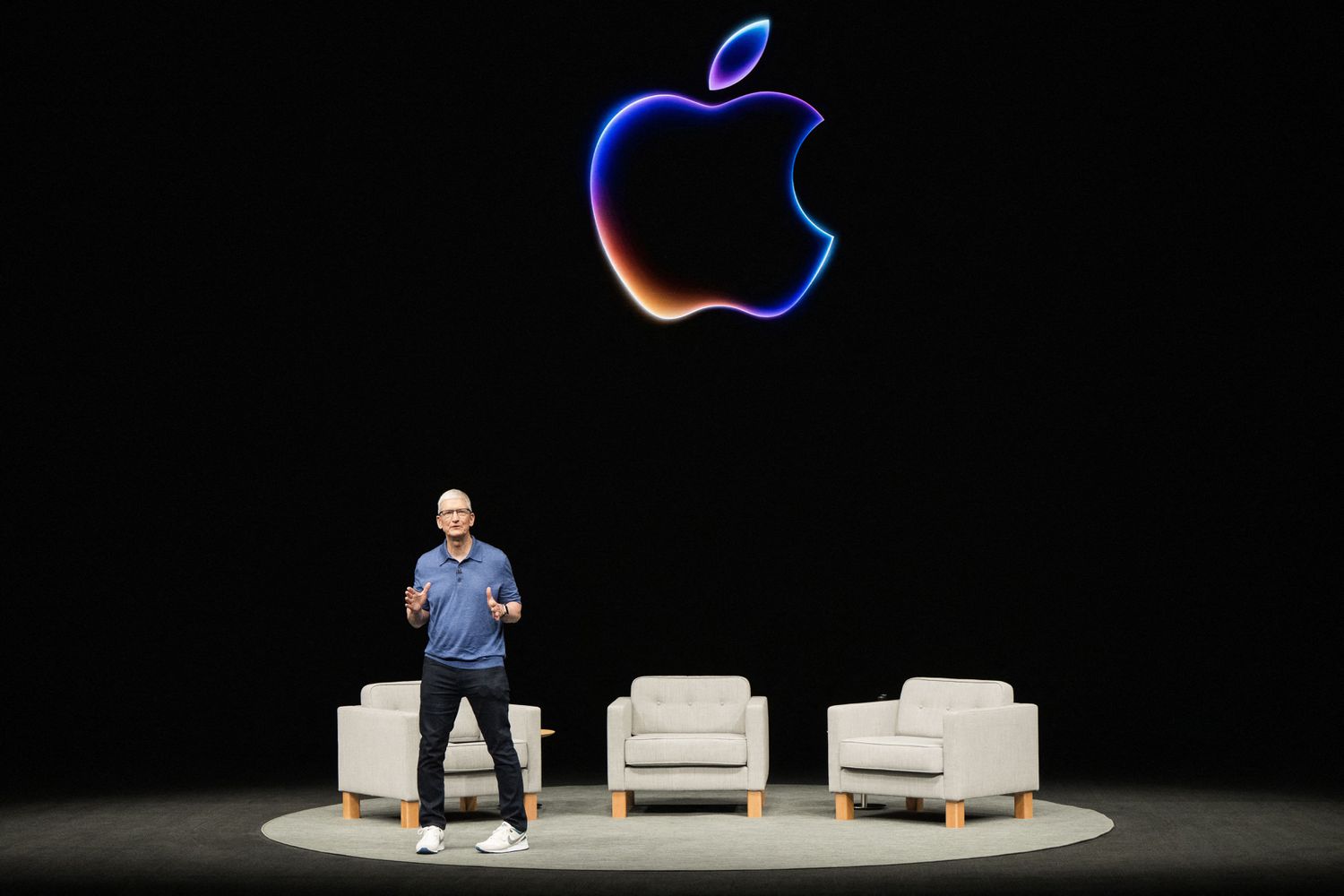
- Price Increases: Apple has raised the starting price of the MacBook Neo from $599 to $699 and the iPad Pro from $999 to $1,199, indicating significant cost pressures due to memory shortages that may affect consumer purchasing decisions.
- Multiple Product Adjustments: In addition to the MacBook Neo and iPad Pro, prices for the iPad Air, MacBook Pro, HomePod, HomePod mini, and Apple TV have also increased, reflecting Apple's struggle to cope with surging demand for memory and storage chips amid ongoing supply constraints.
- Market Reaction: Apple's shares fell 0.7% in premarket trading, indicating investor concerns over the price hikes, especially with the expectation that the upcoming iPhone lineup may also see price increases, leading to cautious market sentiment.
- CEO Statement: CEO Tim Cook stated in an interview that despite efforts to mitigate cost pressures, price increases have become unavoidable due to memory shortages, which could impact the company's long-term profitability.
See More
Apple Raises Prices on MacBooks and iPads Amid AI Cost Surge
- Price Increases: Apple announced price hikes for its MacBook and iPad products, ranging from $30 to $300, with the 14-inch MacBook Pro increasing from $1,700 to $2,000 and the iPad Air from $600 to $750, reflecting the direct impact of soaring memory and storage costs driven by artificial intelligence.
- Stock Reaction: The price adjustments led to a more than 4.7% drop in Apple's stock during morning trading, indicating market concerns regarding the company's future profitability amid rising cost pressures.
- CEO Warnings: Outgoing CEO Tim Cook had previously warned that rising costs were unavoidable, describing the surge in memory and storage component prices as a “hundred-year flood,” highlighting the significant challenges Apple faces in adapting to market changes.
- AI Data Center Impact: The rapid expansion of AI data centers has caused memory chip and RAM costs to increase by at least 50% quarterly since late 2025, profoundly affecting the production of nearly all electronic devices, forcing Apple to adjust prices to cope with this unprecedented cost pressure.
See More

Microsoft Raises Xbox Console Prices Amid Component Crisis

- Price Increase: Microsoft announced that starting August 1, the price of the Xbox Series S will rise by $100 to approximately $500, while the 1TB model will increase by $150, with the entry-level Xbox Series X starting at $750, reflecting rising component costs.
- Component Crisis Impact: Storage and memory prices have surged more than 2.5 times in recent months, with expectations of another doubling by fall 2027, putting additional pressure on consumers looking to purchase devices like smartphones, tablets, and computers.
- Industry Challenges: Microsoft noted that the entire consumer electronics industry is grappling with the current component crisis, with consoles being particularly hard hit, as they are typically sold at a loss compared to phones and computers.
- Market Reaction: Microsoft's shares fell nearly 4% on Thursday, while Apple's stock dropped 5%, indicating market concerns over price increases and component shortages.
See More

Apple Adjusts M6 Chip Release Plans, Focusing on M7
- M6 Chip Release Plans: Apple is expected to release the base model M6 chip this year but will skip higher-end M6 chips, opting instead to focus on the M7 chip, indicating a strategic pivot towards the AI market.
- M7 Chip Features: The M7 chip is designed to better handle the growing demand for on-device AI tasks and could be introduced as early as next year, potentially enhancing Apple's competitive edge in the AI sector.
- M5 Ultra Chip Release: Despite the adjustments to the M6 chip plans, the M5 Ultra chip within the M5 line is still set to be released later this year, continuing to support Apple's high-end Mac product lineup.
- Stock Price Impact: Apple's shares fell over 6% on Thursday following the announcement of price hikes on nearly all products, reflecting market concerns regarding its pricing strategy amid ongoing memory shortages.
See More

US Stocks Rise Slightly, Led by Chipmakers


- Chipmaker Surge: US stocks rose today, led by Micron Technology's forecast of $50 billion in Q4 revenue, significantly above the $43.24 billion consensus, resulting in an 11% stock price increase and bolstering the bullish case for AI trades.
- Positive Economic Indicators: US economic data revealed an upward revision of Q1 GDP to 2.1%, surpassing the expected 1.6%, while weekly initial jobless claims fell by 12,000 to 215,000, indicating a robust labor market that enhances market confidence.
- Improved Inflation Expectations: The May core PCE price index rose 3.4% year-over-year, aligning with expectations, and the 10-year Treasury yield dropped to a 6-week low of 4.36%, providing support for stocks and alleviating investor concerns about rate hikes.
- Apple's Stock Decline: Despite overall market gains, Apple's stock fell over 5% after raising prices on Macs and iPads to offset memory chip shortages, which limited the broader market's upward momentum.
See More
Apple's App Store Revenue Growth Slows
- App Store Revenue Growth: According to Morgan Stanley's data, Apple's App Store net revenue growth is at 2.4% year-over-year as of June 22, reflecting an 80bps deceleration from May, which could lead to a downward adjustment of approximately $130 million in Services revenue growth expectations.
- Services Segment Performance: Despite the slowdown in App Store growth, Apple's overall Services segment remains robust, with revenue growth rates sustained at 14-16% over the past three quarters, significantly exceeding the long-term expectation of 11-14%, indicating strong demand for services like iCloud and AppleCare.
- iPhone Production Forecast: Morgan Stanley forecasts 54 million iPhone builds in Q3 2026, suggesting flat or slightly declining production year-over-year for the second half of 2026, which aligns with expectations following a 12% increase in the first half of the year.
- iPhone 18 Pricing Strategy: The iPhone 18 family is expected to be priced about $100 higher than the iPhone 17, which Morgan Stanley believes may impact consumer demand but could also boost Apple's overall earnings in the short term.
See More
Apple Raises Device Prices Due to Memory Shortage
- Price Increases: Apple has raised the starting price of the MacBook Neo from $599 to $699 and the iPad Pro from $999 to $1,199, indicating significant cost pressures due to memory shortages that may affect consumer purchasing decisions.
- Multiple Product Adjustments: In addition to the MacBook Neo and iPad Pro, prices for the iPad Air, MacBook Pro, HomePod, HomePod mini, and Apple TV have also increased, reflecting Apple's struggle to cope with surging demand for memory and storage chips amid ongoing supply constraints.
- Market Reaction: Apple's shares fell 0.7% in premarket trading, indicating investor concerns over the price hikes, especially with the expectation that the upcoming iPhone lineup may also see price increases, leading to cautious market sentiment.
- CEO Statement: CEO Tim Cook stated in an interview that despite efforts to mitigate cost pressures, price increases have become unavoidable due to memory shortages, which could impact the company's long-term profitability.
See More
Apple Raises Prices on MacBooks and iPads Amid AI Cost Surge
- Price Increases: Apple announced price hikes for its MacBook and iPad products, ranging from $30 to $300, with the 14-inch MacBook Pro increasing from $1,700 to $2,000 and the iPad Air from $600 to $750, reflecting the direct impact of soaring memory and storage costs driven by artificial intelligence.
- Stock Reaction: The price adjustments led to a more than 4.7% drop in Apple's stock during morning trading, indicating market concerns regarding the company's future profitability amid rising cost pressures.
- CEO Warnings: Outgoing CEO Tim Cook had previously warned that rising costs were unavoidable, describing the surge in memory and storage component prices as a “hundred-year flood,” highlighting the significant challenges Apple faces in adapting to market changes.
- AI Data Center Impact: The rapid expansion of AI data centers has caused memory chip and RAM costs to increase by at least 50% quarterly since late 2025, profoundly affecting the production of nearly all electronic devices, forcing Apple to adjust prices to cope with this unprecedented cost pressure.
See More
Microsoft Raises Xbox Console Prices Amid Component Crisis
- Price Increase: Microsoft announced that starting August 1, the price of the Xbox Series S will rise by $100 to approximately $500, while the 1TB model will increase by $150, with the entry-level Xbox Series X starting at $750, reflecting rising component costs.
- Component Crisis Impact: Storage and memory prices have surged more than 2.5 times in recent months, with expectations of another doubling by fall 2027, putting additional pressure on consumers looking to purchase devices like smartphones, tablets, and computers.
- Industry Challenges: Microsoft noted that the entire consumer electronics industry is grappling with the current component crisis, with consoles being particularly hard hit, as they are typically sold at a loss compared to phones and computers.
- Market Reaction: Microsoft's shares fell nearly 4% on Thursday, while Apple's stock dropped 5%, indicating market concerns over price increases and component shortages.
See More
Apple Adjusts M6 Chip Release Plans, Focusing on M7
- M6 Chip Release Plans: Apple is expected to release the base model M6 chip this year but will skip higher-end M6 chips, opting instead to focus on the M7 chip, indicating a strategic pivot towards the AI market.
- M7 Chip Features: The M7 chip is designed to better handle the growing demand for on-device AI tasks and could be introduced as early as next year, potentially enhancing Apple's competitive edge in the AI sector.
- M5 Ultra Chip Release: Despite the adjustments to the M6 chip plans, the M5 Ultra chip within the M5 line is still set to be released later this year, continuing to support Apple's high-end Mac product lineup.
- Stock Price Impact: Apple's shares fell over 6% on Thursday following the announcement of price hikes on nearly all products, reflecting market concerns regarding its pricing strategy amid ongoing memory shortages.
See More
US Stocks Rise Slightly, Led by Chipmakers
- Chipmaker Surge: US stocks rose today, led by Micron Technology's forecast of $50 billion in Q4 revenue, significantly above the $43.24 billion consensus, resulting in an 11% stock price increase and bolstering the bullish case for AI trades.
- Positive Economic Indicators: US economic data revealed an upward revision of Q1 GDP to 2.1%, surpassing the expected 1.6%, while weekly initial jobless claims fell by 12,000 to 215,000, indicating a robust labor market that enhances market confidence.
- Improved Inflation Expectations: The May core PCE price index rose 3.4% year-over-year, aligning with expectations, and the 10-year Treasury yield dropped to a 6-week low of 4.36%, providing support for stocks and alleviating investor concerns about rate hikes.
- Apple's Stock Decline: Despite overall market gains, Apple's stock fell over 5% after raising prices on Macs and iPads to offset memory chip shortages, which limited the broader market's upward momentum.
See More