Apollo Limits Withdrawals in Private Credit Fund Amid Investor Stress
Written by Emily J. Thompson, Senior Investment Analyst
Updated: Mar 23 2026
0mins

Should l Buy APO?
Source: CNBC
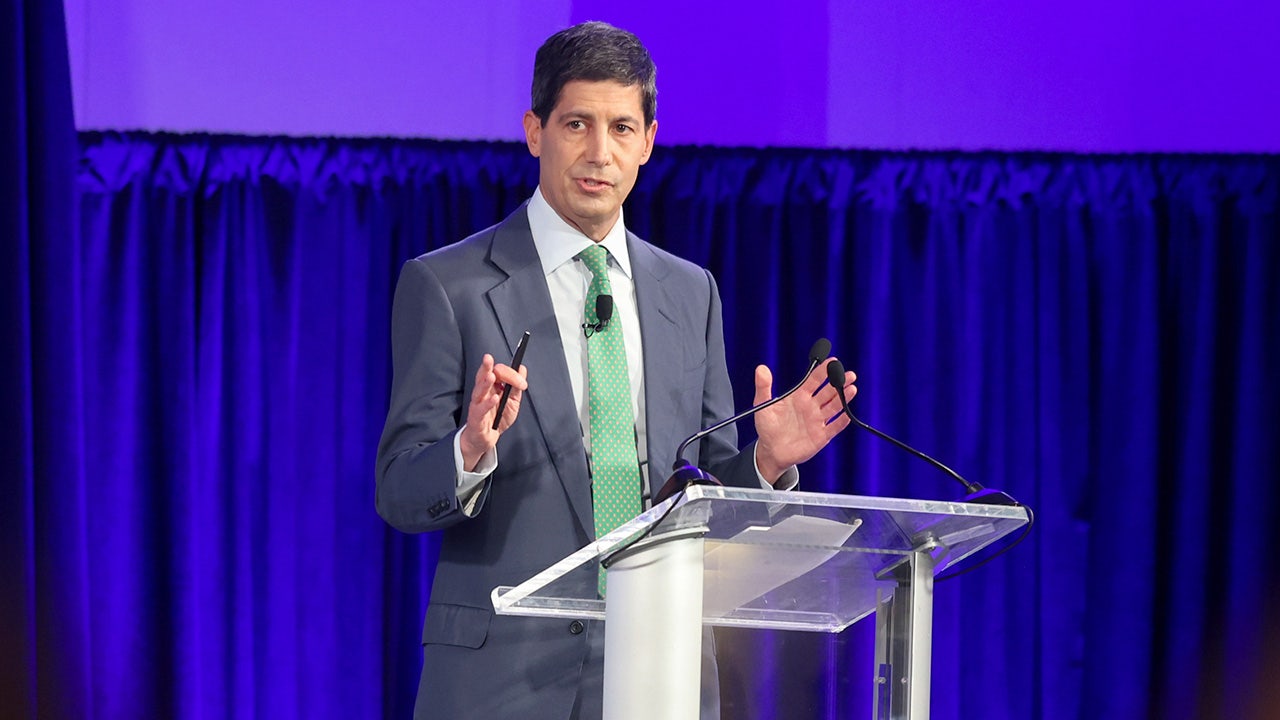
- Surge in Redemption Requests: Apollo's flagship private credit fund received redemption requests amounting to 11.2% of outstanding shares, significantly exceeding the 5% quarterly cap, indicating heightened investor concerns that could impact fund liquidity and investor confidence.
- Withdrawal Cap Implementation: Despite facing redemption pressures, Apollo decided to limit this quarter's withdrawals to approximately 45% of requests, expecting to return about $730 million to investors, a move that reflects the company's commitment to long-term value creation while potentially affecting short-term liquidity.
- Net Asset Value Fluctuation: As of February 28, the fund's net asset value per share declined by 1.2%, yet outperformed the U.S. Leveraged Loan Index, which fell by 2.2% during the same period, demonstrating relative resilience in market volatility that may attract long-term investors.
- Competitive Industry Pressure: Unlike rivals such as Blackstone, Apollo opted to maintain the 5% redemption cap, even as others relaxed their limits to meet investor demands, a strategy that may impact its market share in the short term but underscores its cautious approach to capital management.
Trade with 70% Backtested Accuracy
Stop guessing "Should I Buy APO?" and start using high-conviction signals backed by rigorous historical data.
Sign up today to access powerful investing tools and make smarter, data-driven decisions.
Analyst Views on APO
Wall Street analysts forecast APO stock price to rise
11 Analyst Rating
10 Buy
1 Hold
0 Sell
Strong Buy
Current: 124.620

Low
136.00
Averages
164.45
High
182.00
Current: 124.620
Low
136.00
Averages
164.45
High
182.00
About APO
Apollo Global Management, Inc. is a global alternative asset manager and a retirement services provider. It operates through three segments: Asset Management, Retirement Services and Principal Investing. The Asset Management segment focuses on three investing strategies: yield, hybrid, and equity. These strategies reflect the range of investment capabilities across its platform based on relative risk and return. The Retirement Services business is conducted by Athene Holding Ltd (Athene), a financial services company that specializes in issuing, reinsuring, and acquiring retirement savings products designed for the increasing number of individuals and institutions seeking to fund retirement needs. Athene product lines include annuities and funding agreements. The Principal Investing segment includes realized performance fee income, realized investment income from its balance sheet investments, and certain allocable expenses related to corporate functions supporting the entire company.
About the author

Emily J. Thompson
Emily J. Thompson, a Chartered Financial Analyst (CFA) with 12 years in investment research, graduated with honors from the Wharton School. Specializing in industrial and technology stocks, she provides in-depth analysis for Intellectia’s earnings and market brief reports.
Apollo Global Management Faces Class Action Lawsuit

- Class Action Initiated: Hagens Berman law firm has filed a class action lawsuit against Apollo Global Management (APO), alleging that its executives made false statements regarding their relationship with Jeffrey Epstein from 2021 to 2026, potentially leading to investor losses.
- Investor Loss Warning: The lawsuit targets investors who purchased Apollo securities between May 10, 2021, and February 21, 2026, urging them to contact the firm before the May 1, 2026 deadline to protect their rights.
- False Statements Exposed: The litigation claims that Apollo's leadership misled the public by asserting no business dealings with Epstein, but recent investigations suggest a more complex relationship involving current CEO Marc Rowan, which could impact the company's reputation and stock price.
- Whistleblower Program Incentives: Hagens Berman encourages individuals with non-public information to utilize the SEC Whistleblower program, where providing original information may yield rewards of up to 30% of any successful recovery, potentially attracting more witnesses to strengthen the case's evidence base.
See More
Multiple Companies Face Class Action Lawsuits

- Lakeland Industries Lawsuit: Lakeland Industries faces a class action lawsuit for failing to disclose significant issues with its Pacific Helmets and Jolly businesses during the period from December 2023 to December 2025, which has eroded investor confidence in the company's financial health and may negatively impact its stock performance.
- Navan, Inc. Lawsuit: Navan is accused in a class action lawsuit from October 2025 to February 2026 of failing to disclose a 39% increase in sales and marketing expenses at the time of its IPO, which could mislead investors regarding the company's growth prospects and affect its market performance.
- Franklin BSP Realty Trust Lawsuit: Franklin BSP Realty Trust is facing a class action lawsuit for allegedly overstating its ability to maintain a $0.355 dividend from November 2024 to February 2026, leading to diminished investor confidence in its financial stability and potentially harming its stock price.
- Apollo Global Management Lawsuit: Apollo Global Management is embroiled in a class action lawsuit from May 2021 to February 2026 for failing to disclose connections between its executives and Jeffrey Epstein, which could severely damage the company's reputation and adversely affect its market performance.
See More
Apollo Global Management Faces Class Action Lawsuit
- Class Action Reminder: The Schall Law Firm alerts investors that Apollo Global Management is facing a class action lawsuit for violations of §§10(b) and 20(a) of the Securities Exchange Act, concerning securities purchased between May 10, 2021, and February 21, 2026, with a deadline to contact the firm by May 1, 2026.
- False Statement Allegations: The complaint alleges that Apollo made false and misleading statements throughout the class period, claiming no business dealings with Jeffrey Epstein, despite regular communications between the leadership team and Epstein during the 2010s, which could severely harm the company's reputation.
- Investor Losses: As the market learned the truth about Apollo's connections to Epstein, investors suffered damages, and the lawsuit aims to assist affected shareholders in recovering their losses, highlighting significant deficiencies in the company's transparency and integrity.
- Legal Consultation Opportunity: The Schall Law Firm offers free consultations and encourages affected shareholders to take action before class certification to ensure their rights are protected and to avoid being an absent class member.
See More
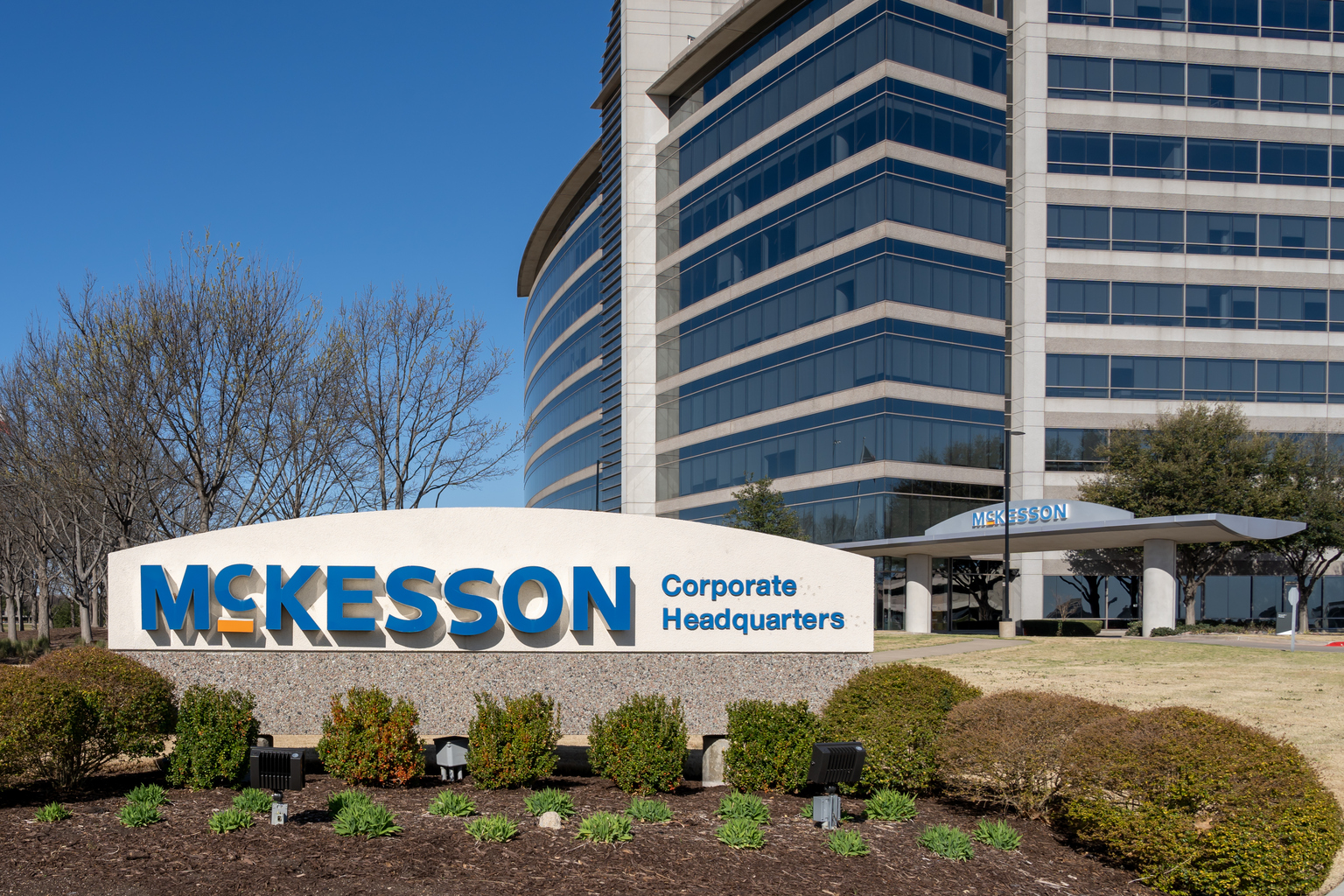
Apollo to Acquire 13% Stake in McKesson's Medical-Surgical Solutions

- Investment Scale: Apollo Global Management's affiliated funds are set to invest $1.25 billion in convertible preferred equity in McKesson's Medical-Surgical Solutions unit, valuing it at approximately $13 billion, reflecting strong confidence in the healthcare sector.
- Strategic Milestone: McKesson CEO Brian Tyler stated that this transaction marks a key milestone in the company's planned separation of the Medical-Surgical Solutions unit, potentially laying the groundwork for future independent operations.
- Market Reaction: Following the announcement, Apollo's stock fell 1.66% to $122.55 in pre-market trading, while McKesson's stock rose 0.30% to $869.00, indicating a cautious market response to the deal.
- Industry Outlook: This investment not only strengthens Apollo's positioning in the healthcare sector but may also provide McKesson with additional capital support, thereby driving further expansion in the medical solutions market.
See More

Apollo Global Management Faces Legal Investigation Over Epstein Links
- Legal Investigation Initiated: Moore Law, PLLC is investigating Apollo Global Management for potential claims related to allegations of misrepresentation under federal securities law, asserting that the firm never engaged in business with convicted sex offender Jeffrey Epstein.
- Executive Communications Exposed: Reports reveal that Apollo executives, including CEO Marc Rowan, communicated with Epstein on sensitive business matters in the mid-2010s, with Epstein obtaining internal financial records that influenced company decisions.
- Stock Price Plummets: Following these revelations, Apollo's stock price sharply declined, resulting in over $12 billion in market value losses for investors, highlighting serious concerns regarding the company's governance and transparency.
- Shareholder Rights Protection: Moore Law encourages Apollo shareholders to contact their attorneys to seek monetary damages and corporate governance reforms, indicating that shareholders may take action to protect their interests amid legal challenges.
See More
Apollo Global Management Faces Securities Class Action Lawsuit
- Lawsuit Background: Hagens Berman has filed a securities class action against Apollo Global Management (APO), representing investors who purchased securities between May 10, 2021, and February 21, 2026, alleging that executives made materially false statements regarding their ties to Jeffrey Epstein.
- Market Reaction: Following a series of investigative reports, Apollo's stock plummeted over 15% in three weeks, resulting in approximately $12 billion in market capitalization loss, indicating severe market concerns regarding the company's governance and transparency.
- Regulatory Pressure: Two major teachers' unions have urged the SEC to investigate Apollo's
See More
Apollo Global Management Faces Class Action Lawsuit
- Class Action Initiated: Hagens Berman law firm has filed a class action lawsuit against Apollo Global Management (APO), alleging that its executives made false statements regarding their relationship with Jeffrey Epstein from 2021 to 2026, potentially leading to investor losses.
- Investor Loss Warning: The lawsuit targets investors who purchased Apollo securities between May 10, 2021, and February 21, 2026, urging them to contact the firm before the May 1, 2026 deadline to protect their rights.
- False Statements Exposed: The litigation claims that Apollo's leadership misled the public by asserting no business dealings with Epstein, but recent investigations suggest a more complex relationship involving current CEO Marc Rowan, which could impact the company's reputation and stock price.
- Whistleblower Program Incentives: Hagens Berman encourages individuals with non-public information to utilize the SEC Whistleblower program, where providing original information may yield rewards of up to 30% of any successful recovery, potentially attracting more witnesses to strengthen the case's evidence base.
See More
Multiple Companies Face Class Action Lawsuits
- Lakeland Industries Lawsuit: Lakeland Industries faces a class action lawsuit for failing to disclose significant issues with its Pacific Helmets and Jolly businesses during the period from December 2023 to December 2025, which has eroded investor confidence in the company's financial health and may negatively impact its stock performance.
- Navan, Inc. Lawsuit: Navan is accused in a class action lawsuit from October 2025 to February 2026 of failing to disclose a 39% increase in sales and marketing expenses at the time of its IPO, which could mislead investors regarding the company's growth prospects and affect its market performance.
- Franklin BSP Realty Trust Lawsuit: Franklin BSP Realty Trust is facing a class action lawsuit for allegedly overstating its ability to maintain a $0.355 dividend from November 2024 to February 2026, leading to diminished investor confidence in its financial stability and potentially harming its stock price.
- Apollo Global Management Lawsuit: Apollo Global Management is embroiled in a class action lawsuit from May 2021 to February 2026 for failing to disclose connections between its executives and Jeffrey Epstein, which could severely damage the company's reputation and adversely affect its market performance.
See More
Apollo Global Management Faces Class Action Lawsuit
- Class Action Reminder: The Schall Law Firm alerts investors that Apollo Global Management is facing a class action lawsuit for violations of §§10(b) and 20(a) of the Securities Exchange Act, concerning securities purchased between May 10, 2021, and February 21, 2026, with a deadline to contact the firm by May 1, 2026.
- False Statement Allegations: The complaint alleges that Apollo made false and misleading statements throughout the class period, claiming no business dealings with Jeffrey Epstein, despite regular communications between the leadership team and Epstein during the 2010s, which could severely harm the company's reputation.
- Investor Losses: As the market learned the truth about Apollo's connections to Epstein, investors suffered damages, and the lawsuit aims to assist affected shareholders in recovering their losses, highlighting significant deficiencies in the company's transparency and integrity.
- Legal Consultation Opportunity: The Schall Law Firm offers free consultations and encourages affected shareholders to take action before class certification to ensure their rights are protected and to avoid being an absent class member.
See More
Apollo to Acquire 13% Stake in McKesson's Medical-Surgical Solutions
- Investment Scale: Apollo Global Management's affiliated funds are set to invest $1.25 billion in convertible preferred equity in McKesson's Medical-Surgical Solutions unit, valuing it at approximately $13 billion, reflecting strong confidence in the healthcare sector.
- Strategic Milestone: McKesson CEO Brian Tyler stated that this transaction marks a key milestone in the company's planned separation of the Medical-Surgical Solutions unit, potentially laying the groundwork for future independent operations.
- Market Reaction: Following the announcement, Apollo's stock fell 1.66% to $122.55 in pre-market trading, while McKesson's stock rose 0.30% to $869.00, indicating a cautious market response to the deal.
- Industry Outlook: This investment not only strengthens Apollo's positioning in the healthcare sector but may also provide McKesson with additional capital support, thereby driving further expansion in the medical solutions market.
See More
Apollo Global Management Faces Legal Investigation Over Epstein Links
- Legal Investigation Initiated: Moore Law, PLLC is investigating Apollo Global Management for potential claims related to allegations of misrepresentation under federal securities law, asserting that the firm never engaged in business with convicted sex offender Jeffrey Epstein.
- Executive Communications Exposed: Reports reveal that Apollo executives, including CEO Marc Rowan, communicated with Epstein on sensitive business matters in the mid-2010s, with Epstein obtaining internal financial records that influenced company decisions.
- Stock Price Plummets: Following these revelations, Apollo's stock price sharply declined, resulting in over $12 billion in market value losses for investors, highlighting serious concerns regarding the company's governance and transparency.
- Shareholder Rights Protection: Moore Law encourages Apollo shareholders to contact their attorneys to seek monetary damages and corporate governance reforms, indicating that shareholders may take action to protect their interests amid legal challenges.
See More
Apollo Global Management Faces Securities Class Action Lawsuit
- Lawsuit Background: Hagens Berman has filed a securities class action against Apollo Global Management (APO), representing investors who purchased securities between May 10, 2021, and February 21, 2026, alleging that executives made materially false statements regarding their ties to Jeffrey Epstein.
- Market Reaction: Following a series of investigative reports, Apollo's stock plummeted over 15% in three weeks, resulting in approximately $12 billion in market capitalization loss, indicating severe market concerns regarding the company's governance and transparency.
- Regulatory Pressure: Two major teachers' unions have urged the SEC to investigate Apollo's
See More