

Analysts Favor Investment in China's AI Stocks
Written by Emily J. Thompson, Senior Investment Analyst
Updated: May 24 2026
0mins

Source: CNBC
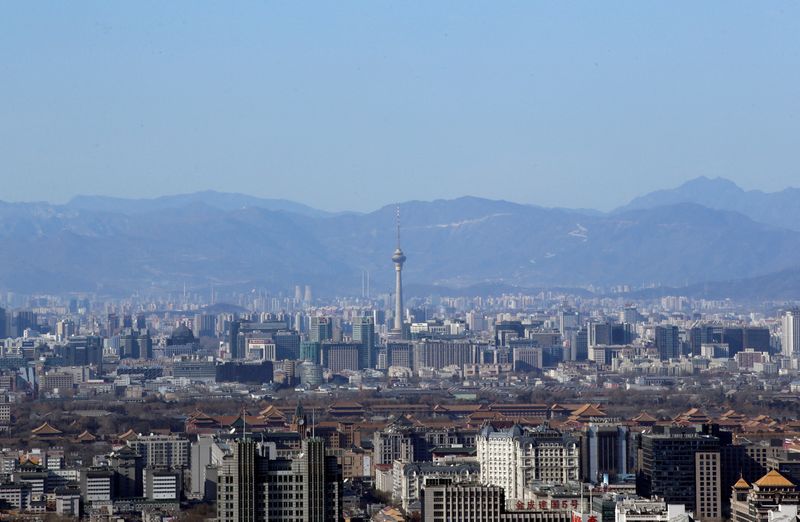
- Clear Investment Theme: Analysts agree that despite slowing economic growth in China, AI-related stocks represent the most obvious investment theme right now, with over half of the holdings in new funds focused on semiconductors and high-tech manufacturing, indicating confidence in future growth.
- Weak Consumer Performance: China's retail sales growth in April marked the lowest since the end of the pandemic, highlighting ongoing weakness in the consumer market, while tech stocks exhibit uneven performance, reflecting challenges in the overall economic environment.
- Market Dynamics Shift: In the past two months, a rotation in tech stocks has occurred, with increased investor focus on semiconductors, hard tech, and software, indicating a growing demand for these segments, particularly in the A-share market.
- Divergent Investment Strategies: Mironov holds large positions in Tencent and Alibaba, while Morgan Stanley favors AI model companies like Zhipu and MiniMax, showcasing a divergence in market views on investment strategies and perceptions of sustainable business models.
Trade with 70% Backtested Accuracy
Stop guessing "Should I Buy BABA?" and start using high-conviction signals backed by rigorous historical data.
Sign up today to access powerful investing tools and make smarter, data-driven decisions.
Analyst Views on BABA
Wall Street analysts forecast BABA stock price to rise
15 Analyst Rating
15 Buy
0 Hold
0 Sell
Strong Buy
Current: 96.140

Low
180.00
Averages
203.09
High
230.00
Current: 96.140
Low
180.00
Averages
203.09
High
230.00
About BABA
Alibaba Group Holding Ltd is an investment holding company mainly engaged in the provision of technology infrastructure and marketing platforms. The Company operates its business through four segments. The Alibaba China E-commerce Group segment is mainly engaged in E-commerce business, including operating Tmall Supermarket and Tmall Global, providing customer management services, product sales, as well as logistics services. It also operates quick commerce business such as Taobao Instant Commerce and Ele.me, as well as the China commerce wholesale business through 1688.com. The Alibaba International Digital Commerce Group segment is mainly engaged in international commerce retail and wholesale business, operating platforms such as AliExpress, Trendyol, Lazada and Alibaba.com. The Cloud Intelligence Group segment mainly provides public and non-public cloud services. The Other segments primarily include the operations of Freshippo, Cainiao, Alibaba Health and other business.
About the author

Emily J. Thompson
Emily J. Thompson, a Chartered Financial Analyst (CFA) with 12 years in investment research, graduated with honors from the Wharton School. Specializing in industrial and technology stocks, she provides in-depth analysis for Intellectia’s earnings and market brief reports.

Chinese AI Models Gain Traction Among U.S. Companies


- Significant Cost Efficiency: The introduction of Chinese AI models like DeepSeek and Z.ai allows U.S. companies to save between 60% to 90% on usage costs, significantly enhancing their market appeal amid skyrocketing AI expenses.
- Growing Market Share: Since February 8, the share of tokens used by U.S. companies on Chinese AI models via OpenRouter has consistently exceeded 30% weekly, peaking at 46%, indicating a surge in demand for these models.
- Improved Technical Performance: The GLM 5.2 model has been shown to perform within a percentage point of Anthropic's Opus 4.8 on certain benchmarks, at roughly one-fifth the cost, demonstrating that Chinese models are increasingly competitive with top U.S. systems.
- Accelerated Corporate Transition: Lindy has shifted 100% of its traffic from Anthropic's Claude models to DeepSeek, anticipating savings of millions of dollars within months, reflecting a growing emphasis on cost control and efficiency in AI applications.
See More

U.S. Companies Favor Chinese AI Models Amid Rising Costs
- Cost Efficiency: U.S. companies are increasingly turning to Chinese-built AI models as they are 60% to 90% cheaper than leading U.S. models, enabling firms to effectively manage budgets and enhance profitability amid soaring AI-related costs.
- Market Share Growth: Since February 8, the share of tokens used by U.S. companies on Chinese AI models via OpenRouter has exceeded 30% weekly, peaking at 46%, indicating a significant increase in acceptance of Chinese models in the U.S. market.
- Intensifying Competition: New models from Chinese firms like DeepSeek and Z.ai are seen as highly competitive, performing close to U.S. counterparts like Anthropic and OpenAI in certain benchmarks, showcasing rapid advancements in Chinese AI technology and market competitiveness.
- Accelerated Corporate Transition: As companies seek to enhance internal efficiencies through AI models, Lindy has shifted 100% of its traffic from Anthropic's Claude models to DeepSeek, expecting to save millions within months, reflecting a strong focus on cost control among businesses.
See More
Alibaba Secures Legal Relief, Stock Rallies
- Legal Relief Progress: Alibaba successfully challenged its inclusion on the U.S. Defense Department's Section 1260H list, securing a temporary injunction that allows it to continue working with U.S. lobbying firms, thereby maintaining its policy influence in cloud computing and e-commerce, which contributed to a stock price increase of over 1%.
- AI Security Measures: Alibaba instructed employees to cease using Anthropic's Claude AI tools and instead utilize its internally developed AI systems to enhance data security and reduce reliance on foreign platforms, a move interpreted by the market as a positive signal for the company's long-term AI strategy.
- Retail Trader Sentiment Shift: On Stocktwits, retail sentiment for Alibaba shifted from 'bearish' to 'neutral', with a 405% spike in message volume, reflecting investor optimism regarding the company's valuation and strong leadership in the cloud market, which further buoyed the stock price.
- Cloud Business Growth: Alibaba plans to invest over RMB 380 billion (approximately $56 billion) in AI infrastructure over the next three years to support the rapid growth of its cloud business, further solidifying its leadership position in the Chinese market.
See More
U.S. Markets Start Strong; Microsoft Cuts 4,800 Jobs

- Strong Market Performance: U.S. markets opened the week on a celebratory note, with the Dow Jones Industrial Average surpassing 53,000 for the first time, while the Nasdaq rose 1.12% due to a rebound in chip stocks, and the S&P 500 increased by 0.72%, reflecting investor optimism.
- Football and Politics Intertwined: FIFA rejected Belgium's challenge regarding U.S. forward Folarin Balogun's eligibility, with President Trump intervening to reverse his suspension, highlighting the complex relationship between sports and politics.
- Microsoft Job Cuts: Microsoft announced the elimination of 4,800 jobs, representing 2.1% of its workforce, primarily affecting the Xbox division, which will see a total of 3,200 layoffs as part of cost-cutting measures in the AI era.
- China's AI Tool Ban: Alibaba will ban employees from using Anthropic's AI tools for work starting July 10, citing security concerns, which may impact the company's technological development and employee productivity.
See More

Alibaba Prohibits Employees from Using Anthropic AI Tools
- Employee Usage Ban: Alibaba Group has decided to prohibit employees from using Anthropic's artificial intelligence tools, aiming to enhance internal data security and protect the company's intellectual property from potential information leakage risks.
- Security Strategy Upgrade: By implementing this ban, Alibaba seeks to improve its control over sensitive information, thereby reducing security threats that may arise from the use of external tools and ensuring the safety of its core technologies.
- Industry Impact: This policy may affect Alibaba's innovation capabilities in the AI sector, particularly leading to potential delays in technology development compared to competitors, which could impact the company's market competitiveness.
- Employee Reactions: The response from employees regarding this ban is currently unclear, but it may spark discussions about the transparency of company policies and the freedom of innovation, potentially affecting employee morale and job satisfaction.
See More
China's AI Boom Fuels Economic Recovery

- Rise of AI Technology: Over the past six months, China's AI technology has rapidly advanced, particularly with the promotion of platforms like ByteDance's Doubao and Volcano Engine, driving stock market gains and enhancing market confidence, which is expected to further stimulate economic recovery.
- Strong Stock Market Performance: Tech stocks account for about 30% of the A-share market in China, and their rise provides support for struggling real estate markets, indicating a positive impact of the tech sector on the overall economy, potentially attracting more investor interest.
- Tourism Sector Recovery: This summer, total railway passenger journeys are expected to reach 1.01 billion, an increase of 60 million from last year; while retail sales still face pressure, the revival of tourism and social activities may inject vitality into the economy.
- Policy-Driven Investment: Analysts expect China to roll out a capital expenditure plan focused on AI and power grids in Q3, aimed at stimulating economic growth through infrastructure investment, despite ongoing weakness in consumer spending.
See More
Chinese AI Models Gain Traction Among U.S. Companies
- Significant Cost Efficiency: The introduction of Chinese AI models like DeepSeek and Z.ai allows U.S. companies to save between 60% to 90% on usage costs, significantly enhancing their market appeal amid skyrocketing AI expenses.
- Growing Market Share: Since February 8, the share of tokens used by U.S. companies on Chinese AI models via OpenRouter has consistently exceeded 30% weekly, peaking at 46%, indicating a surge in demand for these models.
- Improved Technical Performance: The GLM 5.2 model has been shown to perform within a percentage point of Anthropic's Opus 4.8 on certain benchmarks, at roughly one-fifth the cost, demonstrating that Chinese models are increasingly competitive with top U.S. systems.
- Accelerated Corporate Transition: Lindy has shifted 100% of its traffic from Anthropic's Claude models to DeepSeek, anticipating savings of millions of dollars within months, reflecting a growing emphasis on cost control and efficiency in AI applications.
See More
U.S. Companies Favor Chinese AI Models Amid Rising Costs
- Cost Efficiency: U.S. companies are increasingly turning to Chinese-built AI models as they are 60% to 90% cheaper than leading U.S. models, enabling firms to effectively manage budgets and enhance profitability amid soaring AI-related costs.
- Market Share Growth: Since February 8, the share of tokens used by U.S. companies on Chinese AI models via OpenRouter has exceeded 30% weekly, peaking at 46%, indicating a significant increase in acceptance of Chinese models in the U.S. market.
- Intensifying Competition: New models from Chinese firms like DeepSeek and Z.ai are seen as highly competitive, performing close to U.S. counterparts like Anthropic and OpenAI in certain benchmarks, showcasing rapid advancements in Chinese AI technology and market competitiveness.
- Accelerated Corporate Transition: As companies seek to enhance internal efficiencies through AI models, Lindy has shifted 100% of its traffic from Anthropic's Claude models to DeepSeek, expecting to save millions within months, reflecting a strong focus on cost control among businesses.
See More
Alibaba Secures Legal Relief, Stock Rallies
- Legal Relief Progress: Alibaba successfully challenged its inclusion on the U.S. Defense Department's Section 1260H list, securing a temporary injunction that allows it to continue working with U.S. lobbying firms, thereby maintaining its policy influence in cloud computing and e-commerce, which contributed to a stock price increase of over 1%.
- AI Security Measures: Alibaba instructed employees to cease using Anthropic's Claude AI tools and instead utilize its internally developed AI systems to enhance data security and reduce reliance on foreign platforms, a move interpreted by the market as a positive signal for the company's long-term AI strategy.
- Retail Trader Sentiment Shift: On Stocktwits, retail sentiment for Alibaba shifted from 'bearish' to 'neutral', with a 405% spike in message volume, reflecting investor optimism regarding the company's valuation and strong leadership in the cloud market, which further buoyed the stock price.
- Cloud Business Growth: Alibaba plans to invest over RMB 380 billion (approximately $56 billion) in AI infrastructure over the next three years to support the rapid growth of its cloud business, further solidifying its leadership position in the Chinese market.
See More
U.S. Markets Start Strong; Microsoft Cuts 4,800 Jobs
- Strong Market Performance: U.S. markets opened the week on a celebratory note, with the Dow Jones Industrial Average surpassing 53,000 for the first time, while the Nasdaq rose 1.12% due to a rebound in chip stocks, and the S&P 500 increased by 0.72%, reflecting investor optimism.
- Football and Politics Intertwined: FIFA rejected Belgium's challenge regarding U.S. forward Folarin Balogun's eligibility, with President Trump intervening to reverse his suspension, highlighting the complex relationship between sports and politics.
- Microsoft Job Cuts: Microsoft announced the elimination of 4,800 jobs, representing 2.1% of its workforce, primarily affecting the Xbox division, which will see a total of 3,200 layoffs as part of cost-cutting measures in the AI era.
- China's AI Tool Ban: Alibaba will ban employees from using Anthropic's AI tools for work starting July 10, citing security concerns, which may impact the company's technological development and employee productivity.
See More
Alibaba Prohibits Employees from Using Anthropic AI Tools
- Employee Usage Ban: Alibaba Group has decided to prohibit employees from using Anthropic's artificial intelligence tools, aiming to enhance internal data security and protect the company's intellectual property from potential information leakage risks.
- Security Strategy Upgrade: By implementing this ban, Alibaba seeks to improve its control over sensitive information, thereby reducing security threats that may arise from the use of external tools and ensuring the safety of its core technologies.
- Industry Impact: This policy may affect Alibaba's innovation capabilities in the AI sector, particularly leading to potential delays in technology development compared to competitors, which could impact the company's market competitiveness.
- Employee Reactions: The response from employees regarding this ban is currently unclear, but it may spark discussions about the transparency of company policies and the freedom of innovation, potentially affecting employee morale and job satisfaction.
See More
China's AI Boom Fuels Economic Recovery
- Rise of AI Technology: Over the past six months, China's AI technology has rapidly advanced, particularly with the promotion of platforms like ByteDance's Doubao and Volcano Engine, driving stock market gains and enhancing market confidence, which is expected to further stimulate economic recovery.
- Strong Stock Market Performance: Tech stocks account for about 30% of the A-share market in China, and their rise provides support for struggling real estate markets, indicating a positive impact of the tech sector on the overall economy, potentially attracting more investor interest.
- Tourism Sector Recovery: This summer, total railway passenger journeys are expected to reach 1.01 billion, an increase of 60 million from last year; while retail sales still face pressure, the revival of tourism and social activities may inject vitality into the economy.
- Policy-Driven Investment: Analysts expect China to roll out a capital expenditure plan focused on AI and power grids in Q3, aimed at stimulating economic growth through infrastructure investment, despite ongoing weakness in consumer spending.
See More





