Analysis of Verizon's Dividend Attractiveness
Written by Emily J. Thompson, Senior Investment Analyst
Updated: 1 hour ago
0mins
Should l Buy VZ?
Source: Fool
- Dividend Yield: Verizon boasts an attractive 5.5% dividend yield, but its annualized growth rate over the past decade is only about 2%, which is below historical inflation, leading to a decline in the purchasing power of dividends for income-dependent investors.
- Competitive Pressure: In the highly competitive telecommunications industry, Verizon faces significant competition from other cellular and cable companies, forcing it to offer high-quality services at attractive prices, which limits its pricing power and capital expenditure needs.
- Financial Health Concerns: Verizon carries a substantial amount of debt, and while it is less leveraged than T-Mobile, investors should closely monitor its balance sheet to assess how its financial health may impact future growth prospects.
- New CEO Challenges: The appointment of a new CEO at the end of 2025 aims to address Verizon's growth issues, but given the company's size, materially improving its growth profile could take several years, necessitating investor attention to the growth plans unfolding in 2026.
Trade with 70% Backtested Accuracy
Stop guessing "Should I Buy VZ?" and start using high-conviction signals backed by rigorous historical data.
Sign up today to access powerful investing tools and make smarter, data-driven decisions.
Analyst Views on VZ
Wall Street analysts forecast VZ stock price to fall
14 Analyst Rating
4 Buy
10 Hold
0 Sell
Moderate Buy
Current: 50.520

Low
43.00
Averages
46.42
High
51.00
Current: 50.520
Low
43.00
Averages
46.42
High
51.00
About VZ
Verizon Communications Inc. is a holding company. The Company, through its subsidiaries, provides communications, technology, information and streaming products and services to consumers, businesses and government entities. Its Consumer segment provides wireless and wireline communications services. It also provides fixed wireless access (FWA) broadband through its 5G or 4G Long-Term Evolution (LTE) networks portfolio. The Company's Business segment provides wireless and wireline communications services and products, including FWA broadband, data, video and advanced communication services, corporate networking solutions, security and managed network services, local and long-distance voice services and network access to deliver various Internet of Things (IoT) services and products. It provides these products and services to businesses, public sector customers and wireless and wireline carriers across the U.S. and a subset of these products and services to customers around the world.
About the author

Emily J. Thompson
Emily J. Thompson, a Chartered Financial Analyst (CFA) with 12 years in investment research, graduated with honors from the Wharton School. Specializing in industrial and technology stocks, she provides in-depth analysis for Intellectia’s earnings and market brief reports.
Verizon's Reporting Changes Raise Investor Concerns

- Reporting Structure Change: Verizon announced it will revise its reporting structure for Q1 2026, breaking down revenue into mobility and broadband services, wireless equipment, and other revenue; however, analysts believe this move lacks transparency, potentially hindering investor understanding of the company's turnaround.
- Transparency Issues: KeyBanc analysts noted that Verizon's updated disclosures are practically useless due to a lack of comparability and transparency, which could lead to misunderstandings about the company's future performance, negatively impacting its stock price.
- Market Reaction: Over the past 24 hours, retail sentiment on Stocktwits regarding VZ shares has been bearish, despite the stock gaining over 25% this year; investors appear cautious in response to the new reporting structure.
- Industry Impact: This change by Verizon may have a ripple effect across the telecommunications industry, particularly regarding transparency and comparability, potentially prompting other companies to be more cautious in their financial disclosures to avoid similar investor backlash.
See More

Analysis of Verizon's Dividend Attractiveness

- Dividend Yield: Verizon boasts an attractive 5.5% dividend yield, but its annualized growth rate over the past decade is only about 2%, which is below historical inflation, leading to a decline in the purchasing power of dividends for income-dependent investors.
- Competitive Pressure: In the highly competitive telecommunications industry, Verizon faces significant competition from other cellular and cable companies, forcing it to offer high-quality services at attractive prices, which limits its pricing power and capital expenditure needs.
- Financial Health Concerns: Verizon carries a substantial amount of debt, and while it is less leveraged than T-Mobile, investors should closely monitor its balance sheet to assess how its financial health may impact future growth prospects.
- New CEO Challenges: The appointment of a new CEO at the end of 2025 aims to address Verizon's growth issues, but given the company's size, materially improving its growth profile could take several years, necessitating investor attention to the growth plans unfolding in 2026.
See More

Verizon Faces Competition and High Debt Challenges
- Increased Competitive Pressure: As one of the largest telecom companies globally, Verizon faces intense competition from other cellphone and cable companies, compelling it to offer high-quality services at attractive prices to prevent customer attrition.
- High Debt Risk: While Verizon's debt levels are lower than T-Mobile's, it is crucial to monitor its balance sheet closely, as high capital expenditure requirements combined with limited pricing power could impact its financial stability.
- Weak Dividend Growth: Over the past decade, Verizon's dividend has only increased at an annualized rate of about 2%, which is below the historical inflation rate, resulting in a decline in the purchasing power of dividends, which is not ideal for income-dependent investors.
- Challenges for New CEO: Verizon appointed a new CEO at the end of 2025, aiming to improve growth; however, given the company's size, materially enhancing growth may take several years, necessitating investor attention on future growth plans.
See More

Schwab U.S. Dividend ETF Surges Amid Market Uncertainty

- Strong ETF Performance: In 2026, the Schwab U.S. Dividend Equity ETF (SCHD) has surged 13% while the S&P 500 has fallen nearly 2%, showcasing its appeal to investors seeking safety and stability amid economic uncertainty.
- Risk Mitigation Strategy: With a five-year average beta of 0.65, indicating lower volatility than the overall market, investors are inclined to choose this ETF to reduce risk in light of concerning economic conditions and rising oil prices.
- Attractive Dividend Yield: The Schwab ETF offers a dividend yield of 3.3%, more than double the S&P 500's average of 1.2%, providing a strong incentive for investors to hold amid market uncertainty, especially with investments in financially robust companies like Verizon, Chevron, and Coca-Cola.
- Long-Term Investment Value: Despite market struggles, the Schwab ETF, with significant holdings in stable sectors such as energy, consumer staples, and healthcare, represents an ideal long-term investment choice, offering stability and dividend income as a foundational element of a diversified portfolio.
See More
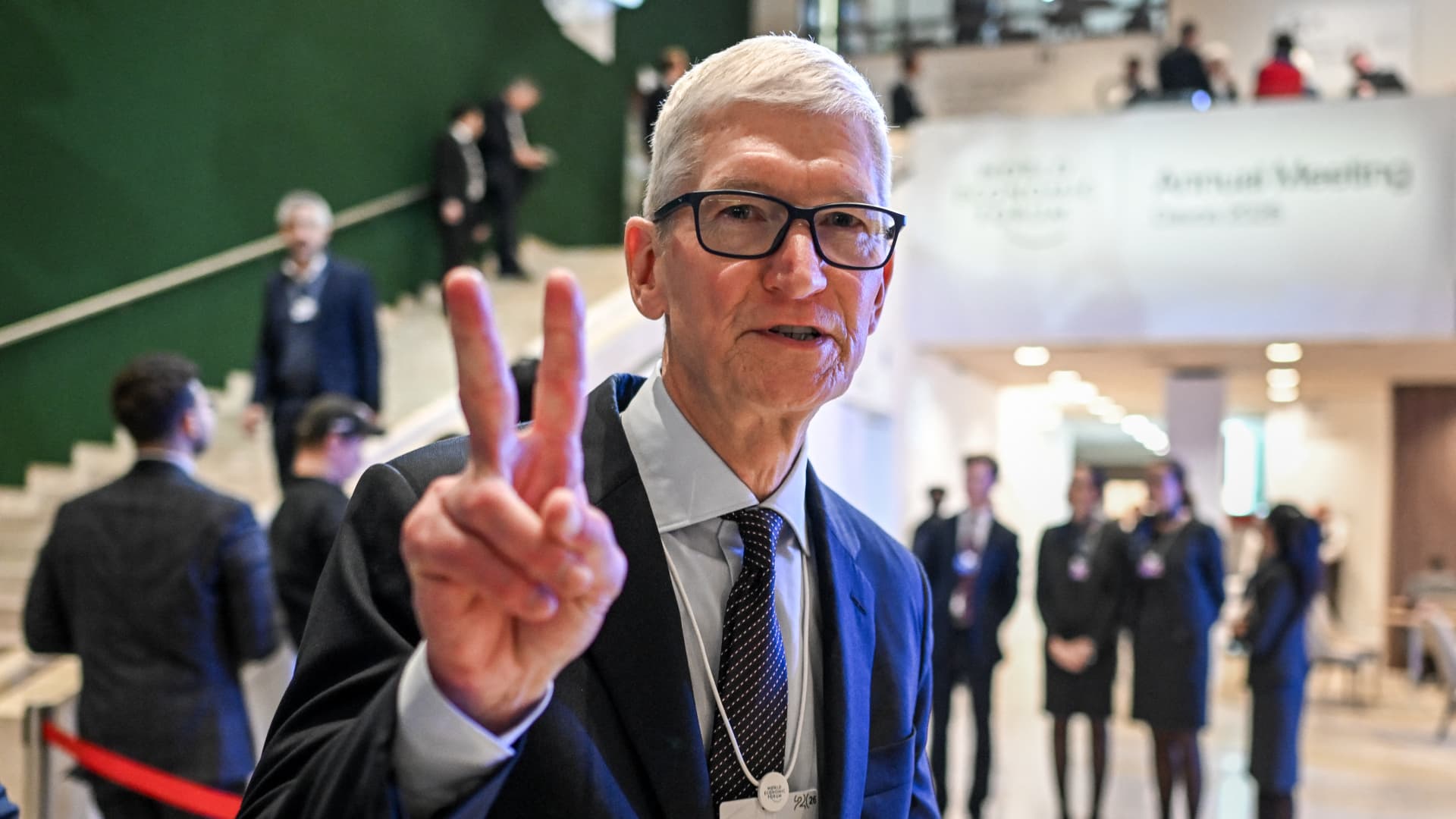
Tim Cook Dismisses Retirement Rumors, Affirms Commitment to Apple


- Retirement Rumor Clarification: Apple CEO Tim Cook used his appearance on 'Good Morning America' to firmly dismiss retirement rumors, emphasizing his deep love for Apple and reassuring investors about his continued leadership, which helps maintain confidence in the company's direction.
- Executive Departures Impact: Apple's recent loss of several key executives, including its AI chief and top lawyer, has raised concerns about whether Cook's leadership style is suitable for the AI era, potentially affecting the company's innovation capabilities and competitive position in the market.
- New Product Launch Outlook: As Apple approaches its 50th anniversary, the company is expected to launch its first foldable iPhone and AI glasses this year, making Cook's leadership crucial for the success of these products, especially as the company needs to validate its AI strategy.
- Privacy and AI Strategy: Cook highlighted Apple's privacy-first approach when discussing AI technology, despite the company's agreement with Google to use Gemini for enhancing AI features on the iPhone, which could deepen Apple's reliance on a competitor and impact its market standing.
See More

Key Highlights from Nvidia's GTC Conference


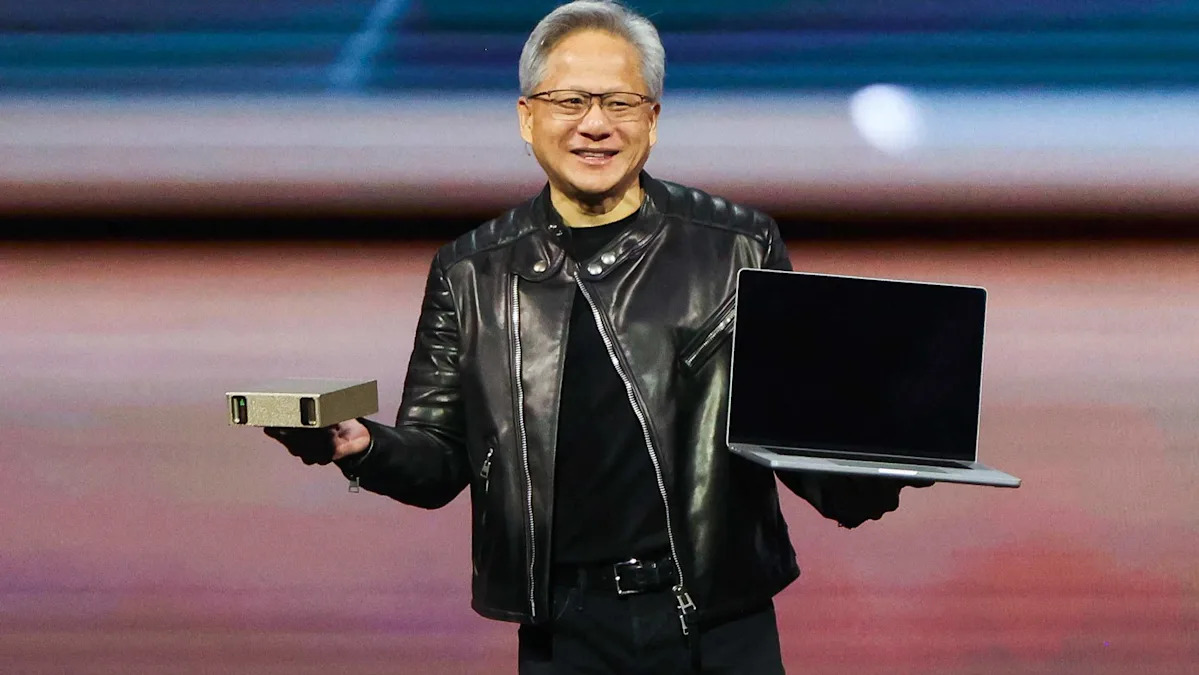
- Nvidia Chip Launch: Jensen Huang unveiled a new AI inference chip at the GTC conference, which is expected to enhance the company's market share in personal AI agents, potentially leading to significantly lower sales forecasts from Wall Street.
- Oil Price Impact: Despite WTI crude oil prices rising 2% to over $95 per barrel, stock futures are up, indicating market resilience to energy price fluctuations and possibly reflecting investor optimism about economic recovery.
- Honeywell Financial Outlook: Honeywell's CEO indicated a slight revenue hit in Q1 due to the Iran war, but maintained the full-year guidance, demonstrating the company's stability and resilience in the face of external challenges.
- HSBC Downgrades Eli Lilly: Analysts downgraded Eli Lilly from hold to sell, reflecting cautious sentiment regarding medium-term sales forecasts for the GLP-1 market, despite the upcoming obesity pill launch, highlighting the intense competition in the market.
See More
Verizon's Reporting Changes Raise Investor Concerns
- Reporting Structure Change: Verizon announced it will revise its reporting structure for Q1 2026, breaking down revenue into mobility and broadband services, wireless equipment, and other revenue; however, analysts believe this move lacks transparency, potentially hindering investor understanding of the company's turnaround.
- Transparency Issues: KeyBanc analysts noted that Verizon's updated disclosures are practically useless due to a lack of comparability and transparency, which could lead to misunderstandings about the company's future performance, negatively impacting its stock price.
- Market Reaction: Over the past 24 hours, retail sentiment on Stocktwits regarding VZ shares has been bearish, despite the stock gaining over 25% this year; investors appear cautious in response to the new reporting structure.
- Industry Impact: This change by Verizon may have a ripple effect across the telecommunications industry, particularly regarding transparency and comparability, potentially prompting other companies to be more cautious in their financial disclosures to avoid similar investor backlash.
See More
Analysis of Verizon's Dividend Attractiveness
- Dividend Yield: Verizon boasts an attractive 5.5% dividend yield, but its annualized growth rate over the past decade is only about 2%, which is below historical inflation, leading to a decline in the purchasing power of dividends for income-dependent investors.
- Competitive Pressure: In the highly competitive telecommunications industry, Verizon faces significant competition from other cellular and cable companies, forcing it to offer high-quality services at attractive prices, which limits its pricing power and capital expenditure needs.
- Financial Health Concerns: Verizon carries a substantial amount of debt, and while it is less leveraged than T-Mobile, investors should closely monitor its balance sheet to assess how its financial health may impact future growth prospects.
- New CEO Challenges: The appointment of a new CEO at the end of 2025 aims to address Verizon's growth issues, but given the company's size, materially improving its growth profile could take several years, necessitating investor attention to the growth plans unfolding in 2026.
See More
Verizon Faces Competition and High Debt Challenges
- Increased Competitive Pressure: As one of the largest telecom companies globally, Verizon faces intense competition from other cellphone and cable companies, compelling it to offer high-quality services at attractive prices to prevent customer attrition.
- High Debt Risk: While Verizon's debt levels are lower than T-Mobile's, it is crucial to monitor its balance sheet closely, as high capital expenditure requirements combined with limited pricing power could impact its financial stability.
- Weak Dividend Growth: Over the past decade, Verizon's dividend has only increased at an annualized rate of about 2%, which is below the historical inflation rate, resulting in a decline in the purchasing power of dividends, which is not ideal for income-dependent investors.
- Challenges for New CEO: Verizon appointed a new CEO at the end of 2025, aiming to improve growth; however, given the company's size, materially enhancing growth may take several years, necessitating investor attention on future growth plans.
See More
Schwab U.S. Dividend ETF Surges Amid Market Uncertainty
- Strong ETF Performance: In 2026, the Schwab U.S. Dividend Equity ETF (SCHD) has surged 13% while the S&P 500 has fallen nearly 2%, showcasing its appeal to investors seeking safety and stability amid economic uncertainty.
- Risk Mitigation Strategy: With a five-year average beta of 0.65, indicating lower volatility than the overall market, investors are inclined to choose this ETF to reduce risk in light of concerning economic conditions and rising oil prices.
- Attractive Dividend Yield: The Schwab ETF offers a dividend yield of 3.3%, more than double the S&P 500's average of 1.2%, providing a strong incentive for investors to hold amid market uncertainty, especially with investments in financially robust companies like Verizon, Chevron, and Coca-Cola.
- Long-Term Investment Value: Despite market struggles, the Schwab ETF, with significant holdings in stable sectors such as energy, consumer staples, and healthcare, represents an ideal long-term investment choice, offering stability and dividend income as a foundational element of a diversified portfolio.
See More
Tim Cook Dismisses Retirement Rumors, Affirms Commitment to Apple
- Retirement Rumor Clarification: Apple CEO Tim Cook used his appearance on 'Good Morning America' to firmly dismiss retirement rumors, emphasizing his deep love for Apple and reassuring investors about his continued leadership, which helps maintain confidence in the company's direction.
- Executive Departures Impact: Apple's recent loss of several key executives, including its AI chief and top lawyer, has raised concerns about whether Cook's leadership style is suitable for the AI era, potentially affecting the company's innovation capabilities and competitive position in the market.
- New Product Launch Outlook: As Apple approaches its 50th anniversary, the company is expected to launch its first foldable iPhone and AI glasses this year, making Cook's leadership crucial for the success of these products, especially as the company needs to validate its AI strategy.
- Privacy and AI Strategy: Cook highlighted Apple's privacy-first approach when discussing AI technology, despite the company's agreement with Google to use Gemini for enhancing AI features on the iPhone, which could deepen Apple's reliance on a competitor and impact its market standing.
See More
Key Highlights from Nvidia's GTC Conference
- Nvidia Chip Launch: Jensen Huang unveiled a new AI inference chip at the GTC conference, which is expected to enhance the company's market share in personal AI agents, potentially leading to significantly lower sales forecasts from Wall Street.
- Oil Price Impact: Despite WTI crude oil prices rising 2% to over $95 per barrel, stock futures are up, indicating market resilience to energy price fluctuations and possibly reflecting investor optimism about economic recovery.
- Honeywell Financial Outlook: Honeywell's CEO indicated a slight revenue hit in Q1 due to the Iran war, but maintained the full-year guidance, demonstrating the company's stability and resilience in the face of external challenges.
- HSBC Downgrades Eli Lilly: Analysts downgraded Eli Lilly from hold to sell, reflecting cautious sentiment regarding medium-term sales forecasts for the GLP-1 market, despite the upcoming obesity pill launch, highlighting the intense competition in the market.
See More