

Analysis of Trends in International Stock ETF Investments
Written by Emily J. Thompson, Senior Investment Analyst
Updated: May 19 2026
0mins


Source: Fool
- U.S. Stock Underperformance: Over the past year, the S&P 500 has underperformed compared to international markets like Japan's Nikkei 225 and Canada's S&P/TSX, indicating a potential shift in investor confidence away from U.S. equities, which could lead to capital outflows.
- International ETF Returns: The iShares Core MSCI Total International Stock ETF has delivered an annualized return of 17.7% over the past three years, holding 4,160 stocks with a low expense ratio of 0.07%, providing investors with a cost-effective way to gain exposure to international markets.
- High Dividend ETF Performance: The Vanguard International High Dividend Yield ETF has outperformed the other two funds with a 21% annualized return over three years and a trailing dividend yield of 3.47%, showcasing its competitiveness in high-yield investments.
- Strategy for Choosing International ETFs: While the S&P 500 has outperformed these international ETFs over the past five years, the Vanguard International High Dividend Yield ETF has excelled in the past year, suggesting that investors should select international ETFs based on their specific goals and investment styles.
Trade with 70% Backtested Accuracy
Stop guessing "Should I Buy TSM?" and start using high-conviction signals backed by rigorous historical data.
Sign up today to access powerful investing tools and make smarter, data-driven decisions.
Analyst Views on TSM
Wall Street analysts forecast TSM stock price to fall
8 Analyst Rating
7 Buy
1 Hold
0 Sell
Strong Buy
Current: 424.860

Low
63.24
Averages
313.46
High
390.00
Current: 424.860
Low
63.24
Averages
313.46
High
390.00
About TSM
Taiwan Semiconductor Manufacturing Co Ltd is a Taiwan-based integrated circuit foundry service provider. The Company is primarily engaged in integrated circuit manufacturing services. It offers advanced process technologies, specialised process solutions, advanced photomask and silicon stacking, and packaging-related technologies, while supporting a comprehensive design ecosystem. The Company's products serve diverse electronic sectors including artificial intelligence, high-performance computing, wired and wireless communications, automotive and industrial equipment, personal computing, information applications, consumer electronics, smart internet of things, and wearable devices.
About the author

Emily J. Thompson
Emily J. Thompson, a Chartered Financial Analyst (CFA) with 12 years in investment research, graduated with honors from the Wharton School. Specializing in industrial and technology stocks, she provides in-depth analysis for Intellectia’s earnings and market brief reports.

Investment Opportunities Amid Market Downturns

- Market Downturn Opportunities: During market downturns, many large tech stocks saw valuations drop to recent lows, with investors buying back in March, leading to a 24.7% rise in the Nasdaq Composite and a 15.9% increase in the S&P 500 since April 1, both hitting new highs.
- Valuation Spike Risks: The Shiller P/E ratio has surged to 42 due to the recent rally, nearing levels last seen before the 1999 market crash, indicating potential risks of another downturn, which investors should monitor closely.
- TSMC Market Dominance: Taiwan Semiconductor Manufacturing Company (TSMC) controls 72% of the global foundry market and over 90% of the advanced chip market, leveraging its scale and technological advantages to maintain a strong competitive edge.
- Strong Return Performance: TSMC has risen 40% year-to-date and 119% over the past 12 months, averaging a 33% annualized return, indicating robust performance in the tech sector, making it a potential buy during market corrections.
See More

Investors Eye Economic Data and Earnings Reports
- Tech Stocks Lead: Technology stocks continue to rally following fresh AI-related announcements from Nvidia and Dell, reflecting strong market confidence in ongoing demand for AI servers as part of May's record-setting momentum.
- HPE Earnings Focus: Investors are closely watching Hewlett-Packard Enterprise (HPE) for its upcoming earnings report, which could provide insights into sustained demand in the AI server market and potentially impact its stock performance.
- Nvidia Chip Launch: At the Computex event in Taipei, Nvidia unveiled its 'RTX Spark' chip aimed at competing with Intel and AMD, with major PC manufacturers like Dell and Lenovo expected to launch new systems powered by these chips later this year.
- Berkshire Acquisition Deal: Berkshire Hathaway has agreed to acquire Taylor Morrison in an all-cash deal valued at $6.8 billion, representing a 24% premium, indicating strong investment interest in the real estate market.
See More
Chip Stocks Thrive Amid AI Boom


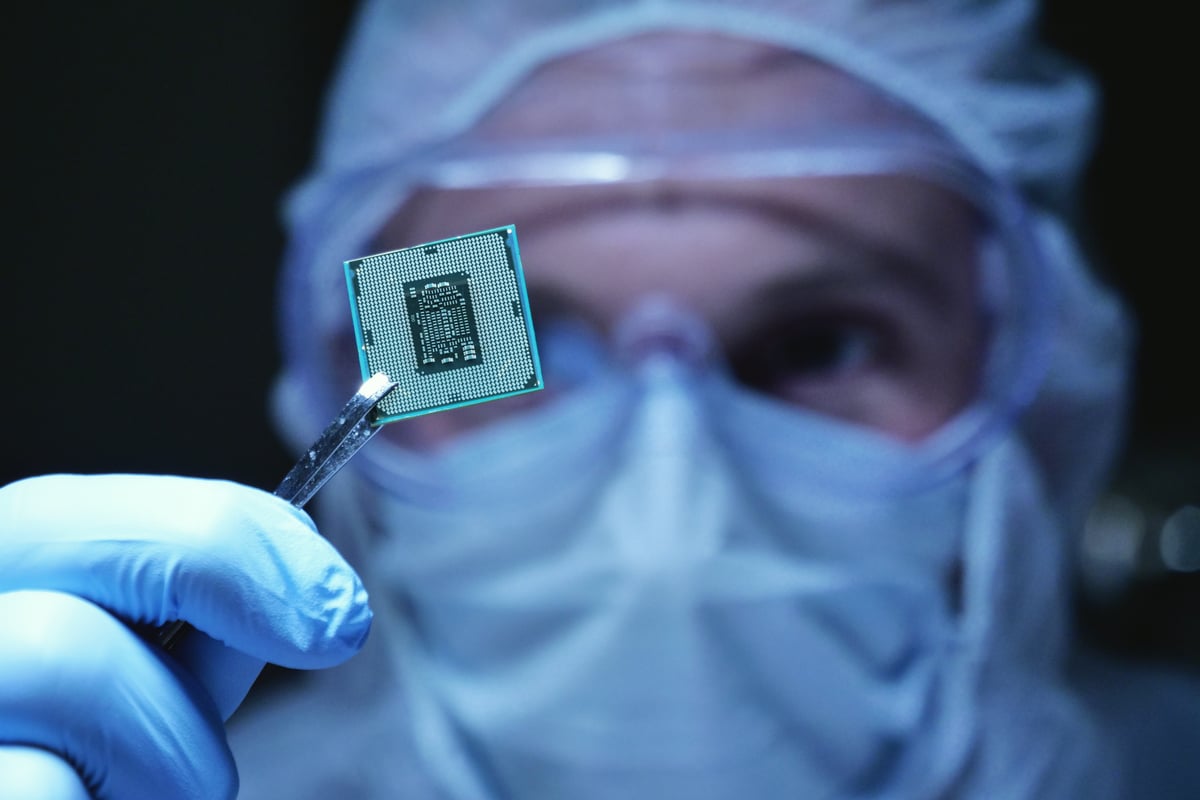
- Nvidia's Sustained Growth: Nvidia continues to excel in the AI arms race, posting an impressive 85% revenue growth in Q1, with a market cap of $5.1 trillion; despite a current P/E ratio of 24, the stock is expected to rise further, providing substantial returns for investors.
- Broadcom's Custom AI Chips: Broadcom is launching user-centric custom AI chips, projected to generate over $100 billion in annual revenue by next year, a significant increase from the $70 billion in the past 12 months, highlighting its potential in the AI market.
- TSMC's Strong Performance: As the world's largest logic chip manufacturer, TSMC anticipates nearly 60% compound annual growth rate in AI-related chip revenue from 2024 to 2029, underscoring its critical role in AI infrastructure investment.
- Micron's Memory Chip Shortage: Micron, the world's newest trillion-dollar company, is benefiting from a memory chip shortage, with expected revenue growth exceeding 260% next quarter, continuing to thrive in a high-price environment, making it a top choice for AI chip investments.
See More

Chip Stocks Thrive Amid AI Boom
- Nvidia's Strong Growth: Nvidia achieved an impressive 85% revenue growth in Q1, and despite some investor concerns about future performance, its forward P/E ratio of 24 remains attractive, suggesting continued investor interest.
- Broadcom's AI Chip Potential: Broadcom aims to generate over $100 billion in annual revenue from custom AI chips by the end of next year, a significant increase from its $70 billion revenue over the past 12 months, highlighting its growth potential in the AI market.
- TSMC's Market Position: As the world's largest logic chip manufacturer, TSMC expects its AI-related chip revenue to grow at nearly a 60% CAGR from 2024 to 2029, further solidifying its critical role in AI infrastructure.
- Micron's Rapid Growth: Micron is projected to deliver over 260% revenue growth next quarter, driven by a shortage of memory chips, indicating its strong performance in the AI chip market and making it a compelling investment choice for the future.
See More
Nvidia Launches N1X Processor to Enter PC Market
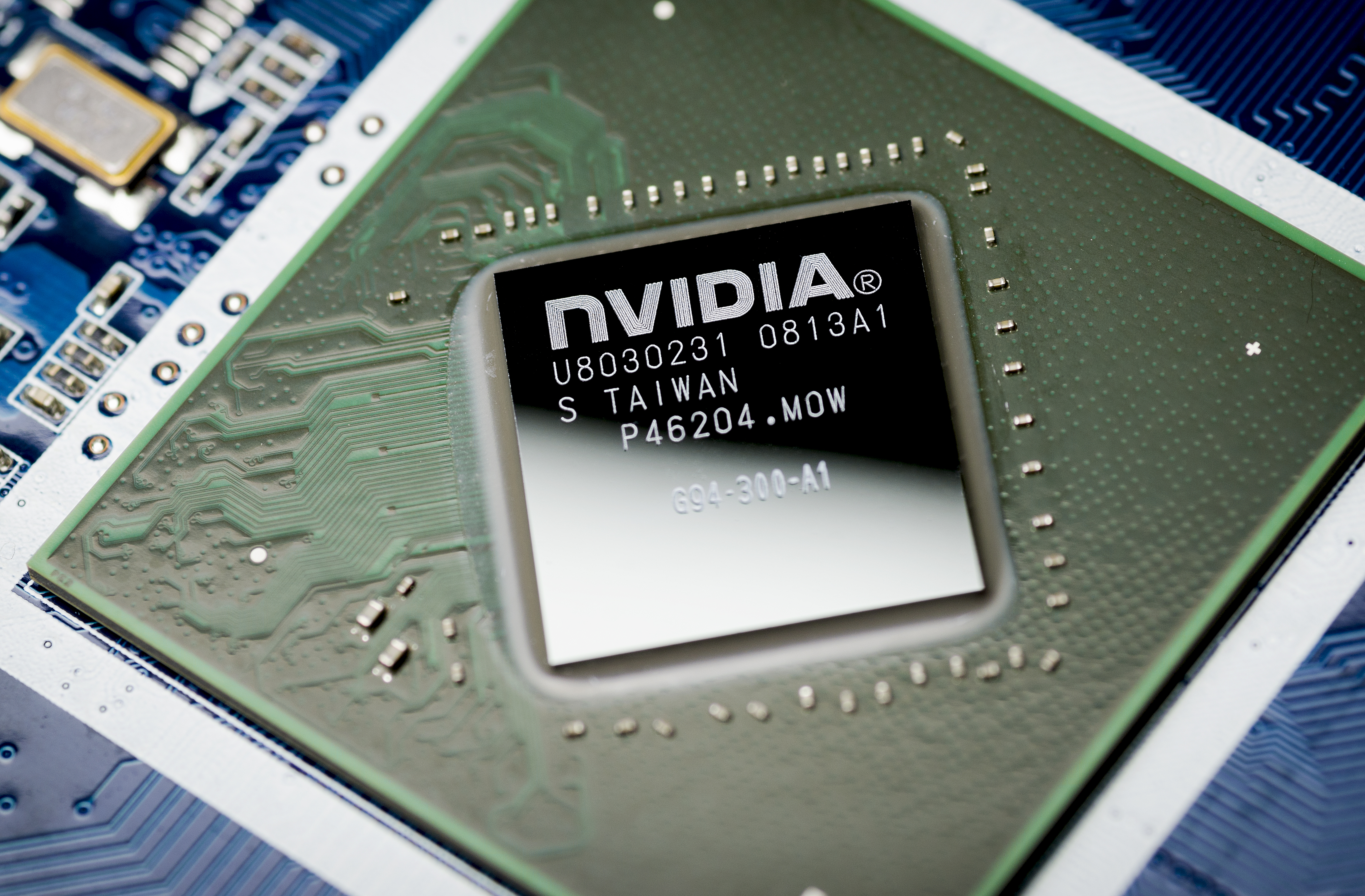
- Processor Launch: Nvidia unveiled the N1X processor at the Computex conference in Taipei, marking its entry into the PC market with plans to collaborate with Microsoft, Dell, HP, and others to launch over 30 laptops and 10 desktops, showcasing Nvidia's strong influence in the AI chip sector.
- Technological Innovation: The N1X processor combines Nvidia's Blackwell GPU with an Arm-based CPU designed by MediaTek, featuring 128GB of unified memory and manufactured using TSMC's 3-nanometer technology, which is expected to significantly enhance PC performance, particularly in AI applications.
- Market Potential: Nvidia anticipates the PC market will reach $200 billion, and the launch of the N1X could disrupt Intel and AMD's dominance in the traditional x86 processor market, promoting the widespread adoption of Arm architecture to meet the needs of creators and AI developers.
- Vera CPU Production: Nvidia's Vera CPU is now in full production and set to launch in the fall, with early customers including OpenAI and SpaceX, boasting performance 1.8 times that of current x86 processors, indicating Nvidia's strong growth potential in the data center market.
See More
Nvidia Empowers TSMC and Foxconn's AI Transformation
- Accelerated Semiconductor Design: Nvidia's CUDA-X libraries and AI models are accelerating TSMC's workloads across lithography, transistor, and process simulation, thereby enhancing production efficiency and reducing time-to-market for new products.
- Defect Detection Optimization: TSMC is leveraging Nvidia Metropolis and TAO Toolkit to improve detection of nanometer-scale defects with vision AI, while also reducing the need for repeated labeling and retraining, significantly enhancing product quality.
- AI Collaboration in Healthcare: Foxconn is deploying Nvidia AI across Taiwan's medical centers, transitioning to coordinated AI agent workforces that assist clinicians in reasoning, documentation, and care orchestration, thus improving healthcare service efficiency.
- Clinical Operations Upgrade: Foxconn's CoDoctor AI platform, integrated with Nurabot nursing robots powered by Nvidia NemoClaw, has moved from pilot programs into clinical operations, marking a significant advancement in AI applications within the healthcare sector.
See More
Investment Opportunities Amid Market Downturns
- Market Downturn Opportunities: During market downturns, many large tech stocks saw valuations drop to recent lows, with investors buying back in March, leading to a 24.7% rise in the Nasdaq Composite and a 15.9% increase in the S&P 500 since April 1, both hitting new highs.
- Valuation Spike Risks: The Shiller P/E ratio has surged to 42 due to the recent rally, nearing levels last seen before the 1999 market crash, indicating potential risks of another downturn, which investors should monitor closely.
- TSMC Market Dominance: Taiwan Semiconductor Manufacturing Company (TSMC) controls 72% of the global foundry market and over 90% of the advanced chip market, leveraging its scale and technological advantages to maintain a strong competitive edge.
- Strong Return Performance: TSMC has risen 40% year-to-date and 119% over the past 12 months, averaging a 33% annualized return, indicating robust performance in the tech sector, making it a potential buy during market corrections.
See More
Investors Eye Economic Data and Earnings Reports
- Tech Stocks Lead: Technology stocks continue to rally following fresh AI-related announcements from Nvidia and Dell, reflecting strong market confidence in ongoing demand for AI servers as part of May's record-setting momentum.
- HPE Earnings Focus: Investors are closely watching Hewlett-Packard Enterprise (HPE) for its upcoming earnings report, which could provide insights into sustained demand in the AI server market and potentially impact its stock performance.
- Nvidia Chip Launch: At the Computex event in Taipei, Nvidia unveiled its 'RTX Spark' chip aimed at competing with Intel and AMD, with major PC manufacturers like Dell and Lenovo expected to launch new systems powered by these chips later this year.
- Berkshire Acquisition Deal: Berkshire Hathaway has agreed to acquire Taylor Morrison in an all-cash deal valued at $6.8 billion, representing a 24% premium, indicating strong investment interest in the real estate market.
See More
Chip Stocks Thrive Amid AI Boom
- Nvidia's Sustained Growth: Nvidia continues to excel in the AI arms race, posting an impressive 85% revenue growth in Q1, with a market cap of $5.1 trillion; despite a current P/E ratio of 24, the stock is expected to rise further, providing substantial returns for investors.
- Broadcom's Custom AI Chips: Broadcom is launching user-centric custom AI chips, projected to generate over $100 billion in annual revenue by next year, a significant increase from the $70 billion in the past 12 months, highlighting its potential in the AI market.
- TSMC's Strong Performance: As the world's largest logic chip manufacturer, TSMC anticipates nearly 60% compound annual growth rate in AI-related chip revenue from 2024 to 2029, underscoring its critical role in AI infrastructure investment.
- Micron's Memory Chip Shortage: Micron, the world's newest trillion-dollar company, is benefiting from a memory chip shortage, with expected revenue growth exceeding 260% next quarter, continuing to thrive in a high-price environment, making it a top choice for AI chip investments.
See More
Chip Stocks Thrive Amid AI Boom
- Nvidia's Strong Growth: Nvidia achieved an impressive 85% revenue growth in Q1, and despite some investor concerns about future performance, its forward P/E ratio of 24 remains attractive, suggesting continued investor interest.
- Broadcom's AI Chip Potential: Broadcom aims to generate over $100 billion in annual revenue from custom AI chips by the end of next year, a significant increase from its $70 billion revenue over the past 12 months, highlighting its growth potential in the AI market.
- TSMC's Market Position: As the world's largest logic chip manufacturer, TSMC expects its AI-related chip revenue to grow at nearly a 60% CAGR from 2024 to 2029, further solidifying its critical role in AI infrastructure.
- Micron's Rapid Growth: Micron is projected to deliver over 260% revenue growth next quarter, driven by a shortage of memory chips, indicating its strong performance in the AI chip market and making it a compelling investment choice for the future.
See More
Nvidia Launches N1X Processor to Enter PC Market
- Processor Launch: Nvidia unveiled the N1X processor at the Computex conference in Taipei, marking its entry into the PC market with plans to collaborate with Microsoft, Dell, HP, and others to launch over 30 laptops and 10 desktops, showcasing Nvidia's strong influence in the AI chip sector.
- Technological Innovation: The N1X processor combines Nvidia's Blackwell GPU with an Arm-based CPU designed by MediaTek, featuring 128GB of unified memory and manufactured using TSMC's 3-nanometer technology, which is expected to significantly enhance PC performance, particularly in AI applications.
- Market Potential: Nvidia anticipates the PC market will reach $200 billion, and the launch of the N1X could disrupt Intel and AMD's dominance in the traditional x86 processor market, promoting the widespread adoption of Arm architecture to meet the needs of creators and AI developers.
- Vera CPU Production: Nvidia's Vera CPU is now in full production and set to launch in the fall, with early customers including OpenAI and SpaceX, boasting performance 1.8 times that of current x86 processors, indicating Nvidia's strong growth potential in the data center market.
See More
Nvidia Empowers TSMC and Foxconn's AI Transformation
- Accelerated Semiconductor Design: Nvidia's CUDA-X libraries and AI models are accelerating TSMC's workloads across lithography, transistor, and process simulation, thereby enhancing production efficiency and reducing time-to-market for new products.
- Defect Detection Optimization: TSMC is leveraging Nvidia Metropolis and TAO Toolkit to improve detection of nanometer-scale defects with vision AI, while also reducing the need for repeated labeling and retraining, significantly enhancing product quality.
- AI Collaboration in Healthcare: Foxconn is deploying Nvidia AI across Taiwan's medical centers, transitioning to coordinated AI agent workforces that assist clinicians in reasoning, documentation, and care orchestration, thus improving healthcare service efficiency.
- Clinical Operations Upgrade: Foxconn's CoDoctor AI platform, integrated with Nurabot nursing robots powered by Nvidia NemoClaw, has moved from pilot programs into clinical operations, marking a significant advancement in AI applications within the healthcare sector.
See More




