Analysis of SOXL ETF's 52-Week Price Fluctuations
Written by Emily J. Thompson, Senior Investment Analyst
Updated: Mar 06 2026
0mins


Should l Buy AMAT?
Source: NASDAQ.COM
- Price Range Analysis: SOXL ETF's 52-week low is $7.225 per share and high is $72.36, with the last trade at $52.73, indicating significant volatility over the past year that may influence investor decisions and market sentiment.
- Technical Analysis Tool: Comparing the current share price to the 200-day moving average provides investors with valuable insights for technical analysis, aiding in the assessment of market trends and potential buy or sell opportunities.
- ETF Trading Mechanism: ETFs trade similarly to stocks, where investors buy and sell 'units' that can be created or destroyed based on demand, impacting the liquidity and market performance of the ETF.
- Inflows and Outflows Monitoring: Weekly monitoring of changes in shares outstanding helps identify ETFs experiencing notable inflows or outflows, which can affect the underlying stock holdings within the ETF and subsequently influence overall market dynamics.
Trade with 70% Backtested Accuracy
Stop guessing "Should I Buy AMAT?" and start using high-conviction signals backed by rigorous historical data.
Sign up today to access powerful investing tools and make smarter, data-driven decisions.
Analyst Views on AMAT
Wall Street analysts forecast AMAT stock price to fall
22 Analyst Rating
18 Buy
4 Hold
0 Sell
Strong Buy
Current: 337.170

Low
190.00
Averages
288.05
High
425.00
Current: 337.170
Low
190.00
Averages
288.05
High
425.00
About AMAT
Applied Materials, Inc. is a materials engineering solution company. The Company provides equipment, services and software to the semiconductor, display, and related industries. It operates in three segments: Semiconductor Systems, Applied Global Services (AGS), and Display. The Semiconductor systems segment designs, develops, manufactures and sells a range of primarily 300 mm equipment used to fabricate semiconductor chips, also referred to as integrated circuits (ICs). The AGS segment provides services, spares and factory automation software to customer fabrication plants globally. The AGS segment also manufactures and sells 200mm and other equipment. The Display segment is comprised primarily of products for manufacturing liquid crystal displays (LCDs), organic light-emitting diodes (OLEDs), and other display technologies for televisions, monitors, laptops, personal computers (PCs), tablets, smartphones, and other consumer-oriented devices.
About the author

Emily J. Thompson
Emily J. Thompson, a Chartered Financial Analyst (CFA) with 12 years in investment research, graduated with honors from the Wharton School. Specializing in industrial and technology stocks, she provides in-depth analysis for Intellectia’s earnings and market brief reports.
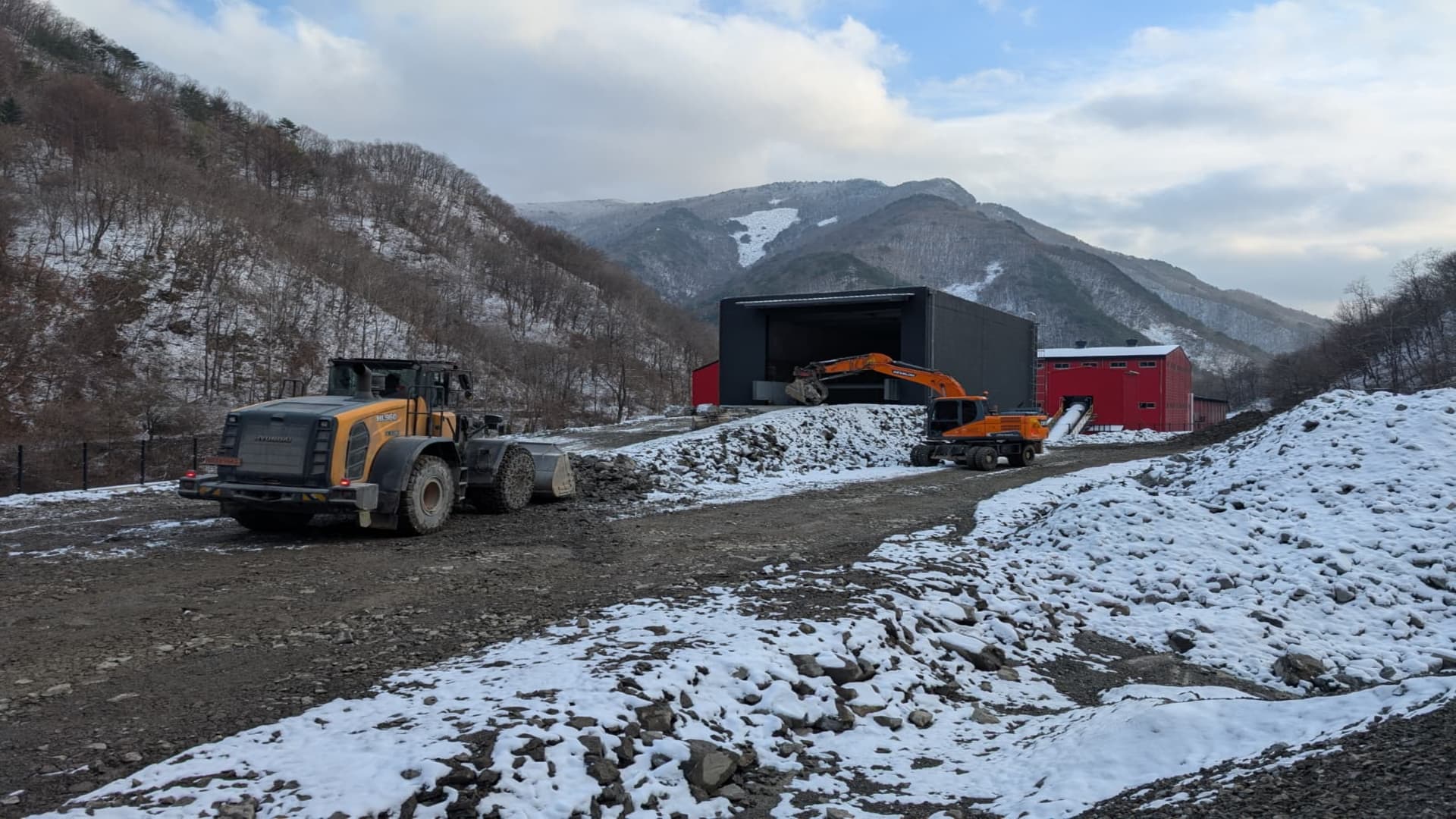
Iran War Intensifies Global Shortages of Tungsten and Other Commodities


- Tungsten Price Surge: Tungsten prices exceeded $3,000 last week, marking over a 50% increase for the month, indicating strong demand in the defense sector despite significant inventory shortages due to the Iran war.
- Rising Sulfuric Acid Prices: Sulfuric acid prices in Africa have risen at least 30% since the onset of the war, while China's sulfur prices increased by approximately 13% from early March, reflecting ongoing demand pressures that could lead to severe supply shocks.
- Helium Supply Tightness: Helium prices have roughly doubled since the Iran war began, particularly after missile attacks on a key industrial center in Qatar, complicating the restoration of global helium supplies and exacerbating market tightness.
- Global Commodity Market Turmoil: The supply chain disruptions caused by the Iran war present new challenges for global markets, prompting companies to diversify their supply sources while China ramps up stockpiling plans, highlighting concerns over future supply uncertainties.
See More

Mixed Close for US Stocks as Nasdaq Hits 7.75-Month Low Amid Middle East Tensions


- Divergent Market Performance: On Monday, the S&P 500 index fell by 0.39%, while the Nasdaq 100 hit a 7.75-month low, indicating market concerns over the Middle East situation, particularly exacerbated by a sell-off in chip stocks, which negatively impacted investor confidence.
- Declining Bond Yields: The 10-year T-note yield dropped by 8 basis points to 4.34%, reflecting market fears that the ongoing war in the Middle East could lead to fuel shortages, potentially suppressing expectations for Fed rate hikes and highlighting economic growth uncertainties.
- Rising Crude Oil Prices: Crude oil prices surged over 3% to a three-week high due to Iranian attacks on the Strait of Hormuz, indicating severe threats to global energy supply chains, which could lead to soaring prices in the future and impact the global economy.
- Weak Manufacturing Activity: The Dallas Fed manufacturing activity survey fell to -0.2, below the expected 2.0, reflecting signs of economic slowdown that could influence corporate investment decisions and future economic growth.
See More

US Stock Market Declines Amid Rising Oil Prices

- Oil Price Surge Impacts Markets: The S&P 500 Index fell by 0.75%, the Dow Jones Industrial Average by 0.21%, and the Nasdaq 100 by 1.18% as the market reacts to the first oil settlement exceeding $100 since 2022, highlighting concerns over rising energy costs amid ongoing supply chain risks.
- Uncertain Fed Policy Outlook: Federal Reserve Chair Jerome Powell noted that while the central bank is monitoring the surge in energy prices, its tools to address supply-side shocks are limited, with markets pricing in only a 3% chance of a 25 bp rate hike at the April meeting, indicating investor uncertainty about future monetary policy.
- Escalating Middle East Tensions: US and Israeli forces continue military operations in Iran, with the Pentagon preparing for weeks of ground operations as approximately 3,500 sailors and Marines arrive in the region, potentially exacerbating global energy supply issues.
- Positive Bond Market Reaction: The 10-year Treasury yield fell to 4.330% as speculation grows that the ongoing conflict in the Middle East may lead to fuel shortages, offsetting inflation fears and supporting Treasury prices amid declining inflation expectations.
See More
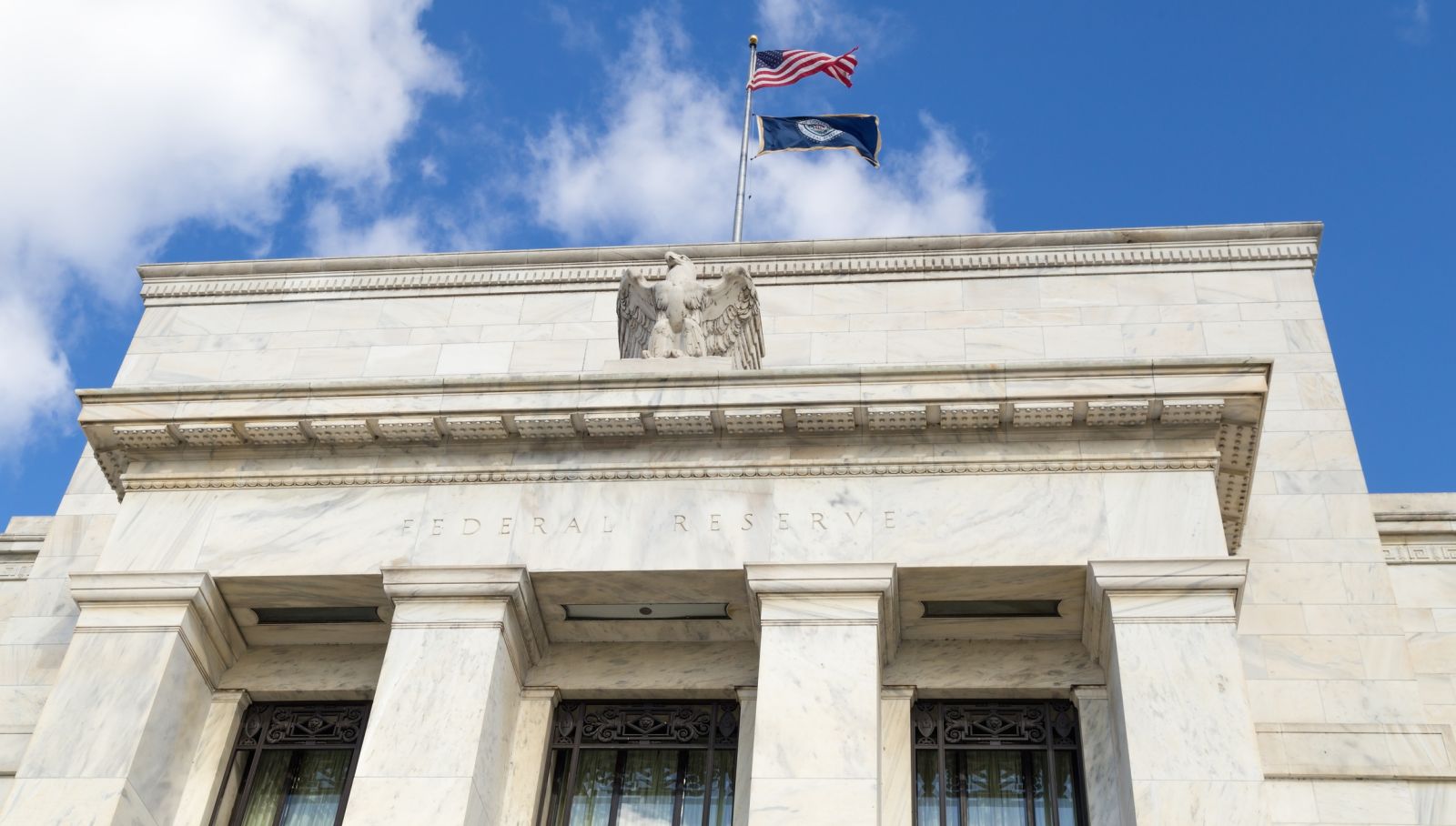
Mixed U.S. Stock Indices Amid Rising Oil Prices
- Mixed Stock Performance: The S&P 500 Index fell by 0.29%, while the Dow Jones Industrial Average rose by 0.26%, and the Nasdaq 100 Index decreased by 0.67%, indicating a complex market reaction to Federal Reserve policies and international tensions.
- Rising Oil Prices: Crude oil prices surged over 2% to a three-week high due to disruptions in oil and gas flows through the Strait of Hormuz caused by the Iran conflict, which could negatively impact global economic growth.
- Weak Manufacturing Activity: The Dallas Fed manufacturing activity index dropped from -0.4 to -0.2, falling short of the expected increase to 2.0, suggesting challenges in economic recovery that may influence future policy decisions.
- Escalating International Tensions: U.S. and Israeli military actions against Iran have intensified, with 3,500 sailors and Marines deployed to the Middle East, potentially leading to further volatility in energy markets and impacting global supply chains.
See More

Market Volatility and TJX Dividend Increase

- Market Volatility: The S&P 500 struggled to maintain gains at the start of the holiday-shortened trading week, initially rising after President Trump's comments on the Iran war but subsequently falling, with the tech-heavy Nasdaq leading the decline, indicating market uncertainty.
- Oil Price Impact: U.S. West Texas Intermediate crude oil prices rose over 3% to above $100 per barrel; however, despite this typically leading to higher bond yields, the 10-year Treasury yield fell about 10 basis points to 4.32%, reflecting a cautious market response to short-term energy cost spikes.
- TJX Dividend and Buyback: TJX Companies announced a 14% increase in its quarterly dividend to $0.48 per share and plans to repurchase approximately $2.5 billion to $2.75 billion of stock in the current fiscal year, signaling confidence in future earnings and cash flow growth, despite a modest dividend yield of 1.2%.
- Strong Long-term Performance: TJX shares have risen 298% over the past decade, with a total return of 358% when including reinvested dividends, demonstrating the company's consistent execution and off-price model's effectiveness in attracting value-seeking shoppers.
See More

Bank of America Optimistic on Semiconductor Equipment Market Outlook

- Equipment Spending Forecast: Bank of America analysts project semiconductor equipment spending to reach $140 billion in 2026, with further increases to $171 billion in 2027 and $193 billion in 2028, significantly raising previous estimates due to strong AI demand expectations driving ongoing industry expansion.
- Semiconductor Sales Growth: Semiconductor sales are expected to grow from approximately $780 billion in 2025 to nearly $1.3 trillion by 2028, reflecting a 17% CAGR, indicating robust market demand for advanced processes and AI chips, particularly amid intensifying competition in the 3-nanometer space.
- Rising Memory Demand: With increasing needs for high-bandwidth memory and dynamic random access memory, Micron's capital spending is up 25% year-over-year, which will further boost semiconductor equipment manufacturers' performance, ensuring long-term contracts provide suppliers with stable cash flows.
- Intensifying Technological Competition: The competition among companies like Nvidia, AMD, and Google in the 3-nanometer technology space is escalating, leading to demand for CPUs and AI chips exceeding current supply capabilities, prompting equipment manufacturers to accelerate capacity expansion to meet market needs.
See More
Iran War Intensifies Global Shortages of Tungsten and Other Commodities
- Tungsten Price Surge: Tungsten prices exceeded $3,000 last week, marking over a 50% increase for the month, indicating strong demand in the defense sector despite significant inventory shortages due to the Iran war.
- Rising Sulfuric Acid Prices: Sulfuric acid prices in Africa have risen at least 30% since the onset of the war, while China's sulfur prices increased by approximately 13% from early March, reflecting ongoing demand pressures that could lead to severe supply shocks.
- Helium Supply Tightness: Helium prices have roughly doubled since the Iran war began, particularly after missile attacks on a key industrial center in Qatar, complicating the restoration of global helium supplies and exacerbating market tightness.
- Global Commodity Market Turmoil: The supply chain disruptions caused by the Iran war present new challenges for global markets, prompting companies to diversify their supply sources while China ramps up stockpiling plans, highlighting concerns over future supply uncertainties.
See More
Mixed Close for US Stocks as Nasdaq Hits 7.75-Month Low Amid Middle East Tensions
- Divergent Market Performance: On Monday, the S&P 500 index fell by 0.39%, while the Nasdaq 100 hit a 7.75-month low, indicating market concerns over the Middle East situation, particularly exacerbated by a sell-off in chip stocks, which negatively impacted investor confidence.
- Declining Bond Yields: The 10-year T-note yield dropped by 8 basis points to 4.34%, reflecting market fears that the ongoing war in the Middle East could lead to fuel shortages, potentially suppressing expectations for Fed rate hikes and highlighting economic growth uncertainties.
- Rising Crude Oil Prices: Crude oil prices surged over 3% to a three-week high due to Iranian attacks on the Strait of Hormuz, indicating severe threats to global energy supply chains, which could lead to soaring prices in the future and impact the global economy.
- Weak Manufacturing Activity: The Dallas Fed manufacturing activity survey fell to -0.2, below the expected 2.0, reflecting signs of economic slowdown that could influence corporate investment decisions and future economic growth.
See More
US Stock Market Declines Amid Rising Oil Prices
- Oil Price Surge Impacts Markets: The S&P 500 Index fell by 0.75%, the Dow Jones Industrial Average by 0.21%, and the Nasdaq 100 by 1.18% as the market reacts to the first oil settlement exceeding $100 since 2022, highlighting concerns over rising energy costs amid ongoing supply chain risks.
- Uncertain Fed Policy Outlook: Federal Reserve Chair Jerome Powell noted that while the central bank is monitoring the surge in energy prices, its tools to address supply-side shocks are limited, with markets pricing in only a 3% chance of a 25 bp rate hike at the April meeting, indicating investor uncertainty about future monetary policy.
- Escalating Middle East Tensions: US and Israeli forces continue military operations in Iran, with the Pentagon preparing for weeks of ground operations as approximately 3,500 sailors and Marines arrive in the region, potentially exacerbating global energy supply issues.
- Positive Bond Market Reaction: The 10-year Treasury yield fell to 4.330% as speculation grows that the ongoing conflict in the Middle East may lead to fuel shortages, offsetting inflation fears and supporting Treasury prices amid declining inflation expectations.
See More
Mixed U.S. Stock Indices Amid Rising Oil Prices
- Mixed Stock Performance: The S&P 500 Index fell by 0.29%, while the Dow Jones Industrial Average rose by 0.26%, and the Nasdaq 100 Index decreased by 0.67%, indicating a complex market reaction to Federal Reserve policies and international tensions.
- Rising Oil Prices: Crude oil prices surged over 2% to a three-week high due to disruptions in oil and gas flows through the Strait of Hormuz caused by the Iran conflict, which could negatively impact global economic growth.
- Weak Manufacturing Activity: The Dallas Fed manufacturing activity index dropped from -0.4 to -0.2, falling short of the expected increase to 2.0, suggesting challenges in economic recovery that may influence future policy decisions.
- Escalating International Tensions: U.S. and Israeli military actions against Iran have intensified, with 3,500 sailors and Marines deployed to the Middle East, potentially leading to further volatility in energy markets and impacting global supply chains.
See More
Market Volatility and TJX Dividend Increase
- Market Volatility: The S&P 500 struggled to maintain gains at the start of the holiday-shortened trading week, initially rising after President Trump's comments on the Iran war but subsequently falling, with the tech-heavy Nasdaq leading the decline, indicating market uncertainty.
- Oil Price Impact: U.S. West Texas Intermediate crude oil prices rose over 3% to above $100 per barrel; however, despite this typically leading to higher bond yields, the 10-year Treasury yield fell about 10 basis points to 4.32%, reflecting a cautious market response to short-term energy cost spikes.
- TJX Dividend and Buyback: TJX Companies announced a 14% increase in its quarterly dividend to $0.48 per share and plans to repurchase approximately $2.5 billion to $2.75 billion of stock in the current fiscal year, signaling confidence in future earnings and cash flow growth, despite a modest dividend yield of 1.2%.
- Strong Long-term Performance: TJX shares have risen 298% over the past decade, with a total return of 358% when including reinvested dividends, demonstrating the company's consistent execution and off-price model's effectiveness in attracting value-seeking shoppers.
See More
Bank of America Optimistic on Semiconductor Equipment Market Outlook
- Equipment Spending Forecast: Bank of America analysts project semiconductor equipment spending to reach $140 billion in 2026, with further increases to $171 billion in 2027 and $193 billion in 2028, significantly raising previous estimates due to strong AI demand expectations driving ongoing industry expansion.
- Semiconductor Sales Growth: Semiconductor sales are expected to grow from approximately $780 billion in 2025 to nearly $1.3 trillion by 2028, reflecting a 17% CAGR, indicating robust market demand for advanced processes and AI chips, particularly amid intensifying competition in the 3-nanometer space.
- Rising Memory Demand: With increasing needs for high-bandwidth memory and dynamic random access memory, Micron's capital spending is up 25% year-over-year, which will further boost semiconductor equipment manufacturers' performance, ensuring long-term contracts provide suppliers with stable cash flows.
- Intensifying Technological Competition: The competition among companies like Nvidia, AMD, and Google in the 3-nanometer technology space is escalating, leading to demand for CPUs and AI chips exceeding current supply capabilities, prompting equipment manufacturers to accelerate capacity expansion to meet market needs.
See More