Analysis of Opportunities in Australia's Gift Card Market
Written by Emily J. Thompson, Senior Investment Analyst
Updated: Mar 11 2026
0mins
Source: Yahoo Finance
- Market Growth Potential: The Australian gift card market is projected to grow at an annual rate of 10% to reach $8.92 billion by 2026, indicating strong consumer demand for digital and convenient payment methods, prompting retailers to accelerate transformation to meet market trends.
- Digital Transformation Trend: Gift cards are increasingly shifting from traditional physical cards to digital account-linked formats, with major retailers like Woolworths and Coles offering digital gift cards through apps, enhancing customer experience and reducing operational friction, thereby strengthening market competitiveness.
- Corporate Application Expansion: Enterprises are increasingly using gift cards as tools for employee rewards and customer compensation, with platforms like Prezzee and GiftPay providing multi-brand digital gift cards that meet corporate needs for audit transparency and ease of distribution, expected to become a significant demand stream.
- Multi-Brand Gift Card Consolidation: The use of multi-brand gift cards is on the rise, with platforms like Prezzee and Blackhawk Network Australia aggregating multiple retailers into a single digital product, providing flexibility for consumers and corporates while allowing retailers to gain larger distribution channels and market share.
Trade with 70% Backtested Accuracy
Stop guessing "Should I Buy TGT?" and start using high-conviction signals backed by rigorous historical data.
Sign up today to access powerful investing tools and make smarter, data-driven decisions.
Analyst Views on TGT
Wall Street analysts forecast TGT stock price to fall
26 Analyst Rating
8 Buy
14 Hold
4 Sell
Hold
Current: 127.070

Low
80.00
Averages
98.83
High
126.00
Current: 127.070
Low
80.00
Averages
98.83
High
126.00
About TGT
Target Corporation is a general merchandise retailer selling products to its guests through its stores and digital channels. The Company offers customers, referred to as guests, differentiated merchandise and everyday essentials at discounted prices. The majority of its stores offer a wide assortment of general merchandise and groceries. Its merchandise categories include apparel and accessories, beauty, food and beverage, hardlines, home furnishings and decor, household essentials, and other merchandise sales. Most of its stores are larger than over 170,000 square feet, offer a variety of general merchandise and a full line of groceries comparable to traditional supermarkets. Its digital channels include merchandise assortment, including many items found in its stores, along with a complementary assortment sold by the Company and third parties through our Target Plus digital marketplace. Its brands include A New Day, All in Motion, Art Class, Auden, Ava & Viv, among others.
About the author

Emily J. Thompson
Emily J. Thompson, a Chartered Financial Analyst (CFA) with 12 years in investment research, graduated with honors from the Wharton School. Specializing in industrial and technology stocks, she provides in-depth analysis for Intellectia’s earnings and market brief reports.

Target's Quarterly Performance Analysis and Outlook

- Sales Growth Overview: In Q1 of Fiscal 2026, Target reported a 6.7% year-over-year increase in net sales, totaling $25.4 billion; however, this growth appears less impressive when compared to the average quarterly growth rate of less than 2% over the past five years.
- Impact of CEO Transition: Since the appointment of new CEO Michael Fiddelke earlier this year, the company has shown some year-over-year growth, yet the overall recovery remains uncertain, highlighting the company's vulnerability amid economic headwinds.
- Stock Price and Valuation: Despite a 30% increase in Target's stock price this year, its price-to-earnings ratio stands at 17, significantly lower than the S&P 500's 26, indicating that the stock may be relatively cheap in the current market, attracting investor interest.
- Future Challenges: While Target offers a high dividend yield of 3.6%, investors need to exercise patience as the company may face additional operational pressures in the challenging economic landscape.
See More

Target Reports Improved Quarterly Results Amidst Long-Term Challenges
- Quarterly Sales Growth: Target's net sales for Q1 Fiscal 2026 rose by 6.7% year-over-year to $25.4 billion, yet this growth appears underwhelming compared to an average quarterly growth rate of less than 2% over the past five years.
- Long Road to Recovery: Although current sales are nearly identical to the $25.3 billion reported in Q1 2023, the company has faced a three-year revenue decline, indicating that its recovery remains challenging and overall business health has not significantly improved.
- Stock Performance Analysis: Despite a 30% increase in stock price this year, Target's stock did not see a substantial boost post-earnings report, with a current P/E ratio of 17, which is lower than the S&P 500's 26, suggesting the stock is relatively cheap but warrants caution from investors.
- Economic Environment Challenges: With a high dividend yield of 3.6% attracting investors, Target faces a complex economic landscape that may present further market pressures, necessitating patience for potential returns.
See More

Retail Sector Boosted by Tax Refunds and Consumer Resilience

- Consumer Spending Recovery: Despite pressures from high gas prices and persistent inflation, the retail sector saw sales and profits rise in Q1, indicating consumer resilience, particularly bolstered by tax refunds, with Q2 expected to further assess consumer health.
- Target Sales Growth: Target reported a 5.6% increase in same-store sales during its fiscal Q1, marking its first positive growth in five quarters, with the CFO noting that increased tax refunds supported spending, although this benefit is expected to fade throughout the year.
- Strong Performance from Burlington and Ross: Burlington's same-store sales grew by 6%, with 1.5 to 2 percentage points attributed to tax refunds, while Ross achieved a staggering 17% increase, exceeding expectations, showcasing strong consumer purchasing power fueled by additional stimulus.
- Cautious Future Outlook: Although retailers performed well in Q1, many companies are adopting a cautious stance for Q2, anticipating that as tax refunds diminish, consumers may face greater economic pressures that could impact future spending behavior.
See More

SpaceX IPO Approaches as Retail Sector Recovers

- SpaceX S-1 Filing Released: The S-1 filing from SpaceX reveals a total addressable market of $28.5 trillion, with 80% focused on enterprise AI, indicating a strategic pivot towards AI that is likely to attract investor interest and facilitate a successful IPO.
- Accelerated AI Investment: In the first quarter, SpaceX allocated 76% of its capital expenditures, amounting to $7.7 billion, towards AI, highlighting its prioritization of AI technology over rocket launches, which may reshape market perceptions of its business model.
- Starlink User Growth: Starlink's subscriber base more than doubled to 10.3 million over the past year, and despite a drop in average revenue per user to $66, it generated $4.4 billion in operational income over the past year, showcasing its potential as a profitable business.
- Retail Sector Recovery Signs: Target and Walmart reported same-store sales increases of 4.7% and 4.1%, respectively, with significant rises in store traffic, indicating a rebound in consumer confidence that may signal positive economic recovery trends.
See More

Executive Trades: Activity Across Baidu, Target, and More

- Executive Sell-off: Target CEO Brian Cornell sold 50,000 shares between May 25 and 29 at prices ranging from $129.84 to $130.54, totaling approximately $6.49 million, reducing his stake to 327,271 shares, indicating a cautious outlook on the company's future performance.
- Baidu Director Liquidation: Baidu director Jixun Foo disposed of all his holdings, selling 122,584 shares at $16.32 each for a total of about $2 million, which may reflect concerns regarding the company's prospects.
- Executive Acquisition: Enphase Energy CEO Badrinarayanan Kothandaraman acquired 5,000 shares at $67.50 each, valued at approximately $337,482, increasing his holdings to 1.75 million shares, demonstrating confidence in the company's growth potential.
- Bulk Transactions: Prospect Capital CEO John Barry purchased a total of 865,000 shares across three transactions for about $1.99 million, raising his total holdings to 87.55 million shares, indicating optimism about the company's long-term development.
See More
Surge in Asian Grocery Sales in U.S. Supermarkets

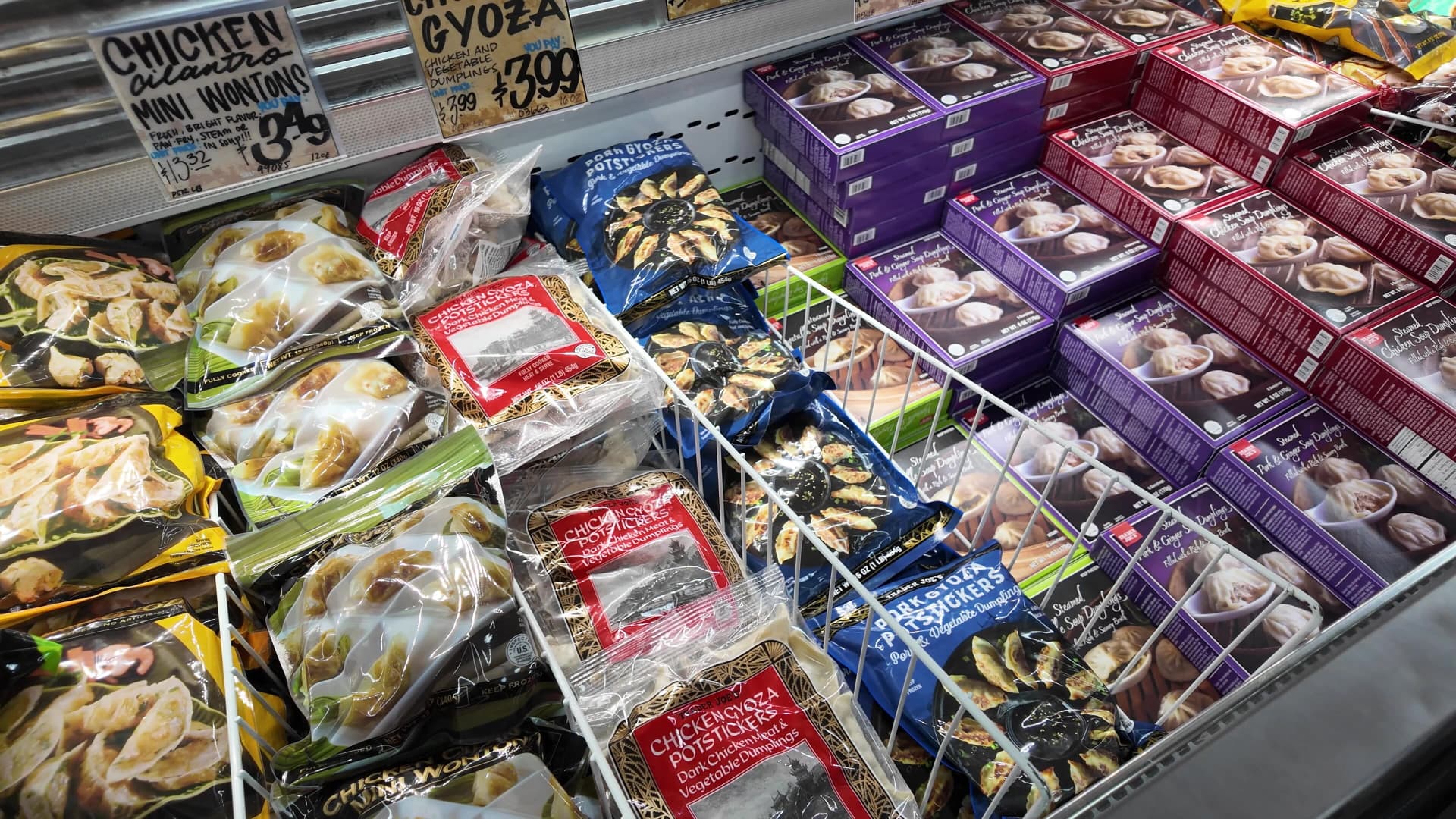
- Market Demand Surge: Geem's seaweed snacks entered Whole Foods within three months of launch, indicating strong consumer interest in Asian snacks, with projections suggesting the Asian snacking market could reach billions by 2030, driving rapid company growth.
- Significant Sales Growth: According to Circana, sales of Asian grocery items jumped from $1.57 billion in 2021 to over $2.31 billion this year, reflecting a notable increase in acceptance and demand for Asian flavors in the U.S. market.
- Demographic Shifts: The Asian population in the U.S. has more than doubled since 2000, now representing 7% of the total population, a change that not only drives consumption of Asian foods but also enhances cultural diversity and flavor exploration, influencing product offerings in mainstream markets.
- Retailer Strategic Adjustments: Major retailers like Whole Foods and Target are expanding their Asian food product lines and shelf space to attract a broader consumer base, aiming to mainstream Asian flavors and enhance overall sales performance.
See More
Target's Quarterly Performance Analysis and Outlook
- Sales Growth Overview: In Q1 of Fiscal 2026, Target reported a 6.7% year-over-year increase in net sales, totaling $25.4 billion; however, this growth appears less impressive when compared to the average quarterly growth rate of less than 2% over the past five years.
- Impact of CEO Transition: Since the appointment of new CEO Michael Fiddelke earlier this year, the company has shown some year-over-year growth, yet the overall recovery remains uncertain, highlighting the company's vulnerability amid economic headwinds.
- Stock Price and Valuation: Despite a 30% increase in Target's stock price this year, its price-to-earnings ratio stands at 17, significantly lower than the S&P 500's 26, indicating that the stock may be relatively cheap in the current market, attracting investor interest.
- Future Challenges: While Target offers a high dividend yield of 3.6%, investors need to exercise patience as the company may face additional operational pressures in the challenging economic landscape.
See More
Target Reports Improved Quarterly Results Amidst Long-Term Challenges
- Quarterly Sales Growth: Target's net sales for Q1 Fiscal 2026 rose by 6.7% year-over-year to $25.4 billion, yet this growth appears underwhelming compared to an average quarterly growth rate of less than 2% over the past five years.
- Long Road to Recovery: Although current sales are nearly identical to the $25.3 billion reported in Q1 2023, the company has faced a three-year revenue decline, indicating that its recovery remains challenging and overall business health has not significantly improved.
- Stock Performance Analysis: Despite a 30% increase in stock price this year, Target's stock did not see a substantial boost post-earnings report, with a current P/E ratio of 17, which is lower than the S&P 500's 26, suggesting the stock is relatively cheap but warrants caution from investors.
- Economic Environment Challenges: With a high dividend yield of 3.6% attracting investors, Target faces a complex economic landscape that may present further market pressures, necessitating patience for potential returns.
See More
Retail Sector Boosted by Tax Refunds and Consumer Resilience
- Consumer Spending Recovery: Despite pressures from high gas prices and persistent inflation, the retail sector saw sales and profits rise in Q1, indicating consumer resilience, particularly bolstered by tax refunds, with Q2 expected to further assess consumer health.
- Target Sales Growth: Target reported a 5.6% increase in same-store sales during its fiscal Q1, marking its first positive growth in five quarters, with the CFO noting that increased tax refunds supported spending, although this benefit is expected to fade throughout the year.
- Strong Performance from Burlington and Ross: Burlington's same-store sales grew by 6%, with 1.5 to 2 percentage points attributed to tax refunds, while Ross achieved a staggering 17% increase, exceeding expectations, showcasing strong consumer purchasing power fueled by additional stimulus.
- Cautious Future Outlook: Although retailers performed well in Q1, many companies are adopting a cautious stance for Q2, anticipating that as tax refunds diminish, consumers may face greater economic pressures that could impact future spending behavior.
See More
SpaceX IPO Approaches as Retail Sector Recovers
- SpaceX S-1 Filing Released: The S-1 filing from SpaceX reveals a total addressable market of $28.5 trillion, with 80% focused on enterprise AI, indicating a strategic pivot towards AI that is likely to attract investor interest and facilitate a successful IPO.
- Accelerated AI Investment: In the first quarter, SpaceX allocated 76% of its capital expenditures, amounting to $7.7 billion, towards AI, highlighting its prioritization of AI technology over rocket launches, which may reshape market perceptions of its business model.
- Starlink User Growth: Starlink's subscriber base more than doubled to 10.3 million over the past year, and despite a drop in average revenue per user to $66, it generated $4.4 billion in operational income over the past year, showcasing its potential as a profitable business.
- Retail Sector Recovery Signs: Target and Walmart reported same-store sales increases of 4.7% and 4.1%, respectively, with significant rises in store traffic, indicating a rebound in consumer confidence that may signal positive economic recovery trends.
See More
Executive Trades: Activity Across Baidu, Target, and More
- Executive Sell-off: Target CEO Brian Cornell sold 50,000 shares between May 25 and 29 at prices ranging from $129.84 to $130.54, totaling approximately $6.49 million, reducing his stake to 327,271 shares, indicating a cautious outlook on the company's future performance.
- Baidu Director Liquidation: Baidu director Jixun Foo disposed of all his holdings, selling 122,584 shares at $16.32 each for a total of about $2 million, which may reflect concerns regarding the company's prospects.
- Executive Acquisition: Enphase Energy CEO Badrinarayanan Kothandaraman acquired 5,000 shares at $67.50 each, valued at approximately $337,482, increasing his holdings to 1.75 million shares, demonstrating confidence in the company's growth potential.
- Bulk Transactions: Prospect Capital CEO John Barry purchased a total of 865,000 shares across three transactions for about $1.99 million, raising his total holdings to 87.55 million shares, indicating optimism about the company's long-term development.
See More
Surge in Asian Grocery Sales in U.S. Supermarkets
- Market Demand Surge: Geem's seaweed snacks entered Whole Foods within three months of launch, indicating strong consumer interest in Asian snacks, with projections suggesting the Asian snacking market could reach billions by 2030, driving rapid company growth.
- Significant Sales Growth: According to Circana, sales of Asian grocery items jumped from $1.57 billion in 2021 to over $2.31 billion this year, reflecting a notable increase in acceptance and demand for Asian flavors in the U.S. market.
- Demographic Shifts: The Asian population in the U.S. has more than doubled since 2000, now representing 7% of the total population, a change that not only drives consumption of Asian foods but also enhances cultural diversity and flavor exploration, influencing product offerings in mainstream markets.
- Retailer Strategic Adjustments: Major retailers like Whole Foods and Target are expanding their Asian food product lines and shelf space to attract a broader consumer base, aiming to mainstream Asian flavors and enhance overall sales performance.
See More