Analysis of Oil Price Volatility Impact on Cruise Industry
Written by Emily J. Thompson, Senior Investment Analyst
Updated: Mar 15 2026
0mins
Should l Buy CCL?
Source: Fool
- Oil Price Impact: The closure of the Strait of Hormuz led to oil prices spiking to $115 per barrel before retreating to $88, indicating that market fears may be overblown; while high prices could affect cruise line profits, panic is premature for investors.
- Strong Demand: Despite economic concerns, record booking levels for cruise lines like Royal Caribbean and Viking Holdings show that demand exceeds supply, suggesting consumers are willing to pay even if costs rise.
- Valuation Metrics: Most cruise line stocks trade at price-to-earnings ratios below the S&P 500 average of 29, particularly Royal Caribbean and Carnival Corp, whose valuations in the teens indicate limited downside risk, largely unaffected by oil prices.
- Positive Industry Outlook: Although rising oil prices and geopolitical tensions pressure travel stocks, the ongoing demand exceeding supply allows cruise lines to pass costs to consumers, making the current oil price fluctuations a potential buying opportunity due to low valuations.
Trade with 70% Backtested Accuracy
Stop guessing "Should I Buy CCL?" and start using high-conviction signals backed by rigorous historical data.
Sign up today to access powerful investing tools and make smarter, data-driven decisions.
Analyst Views on CCL
Wall Street analysts forecast CCL stock price to rise
18 Analyst Rating
14 Buy
4 Hold
0 Sell
Strong Buy
Current: 26.580

Low
33.00
Averages
37.41
High
45.00
Current: 26.580
Low
33.00
Averages
37.41
High
45.00
About CCL
Carnival Corporation is a global cruise and leisure travel company. The Company has a portfolio of cruise lines, including AIDA Cruises, Carnival Cruise Line, Costa Cruises, Cunard, Holland America Line, P&O Cruises (Australia), P&O Cruises (UK), Princess Cruises, and Seabourn. The Company's segment includes NAA cruise operations, Europe cruise operations (Europe), Cruise Support and Tour and Other. Its Cruise Support segment includes its portfolio of port destinations and exclusive islands as well as other services, all of which are operated for the benefit of its cruise brands. In addition to its cruise operations, it owns Holland America Princess Alaska Tours, a tour company in Alaska and the Canadian Yukon, which complements its Alaska cruise operations. Its Tour and Other segment represents the hotel and transportation operations of Holland America Princess Alaska Tours and other operations. Its tour company owns and operates hotels, lodges, glass-domed railcars and motorcoaches.
About the author

Emily J. Thompson
Emily J. Thompson, a Chartered Financial Analyst (CFA) with 12 years in investment research, graduated with honors from the Wharton School. Specializing in industrial and technology stocks, she provides in-depth analysis for Intellectia’s earnings and market brief reports.

Holland America Line Launches Anniversary Sale with Major Discounts

- Anniversary Sale Launch: Holland America Line is celebrating its 153rd anniversary with a month-long sale from April 2 to 30, 2026, offering up to 30% off cruise fares and onboard credits up to $400 per stateroom, aimed at enticing both loyal and new travelers to experience their thoughtfully crafted itineraries.
- Family Travel Incentives: The promotion allows third and fourth guests aged 18 and under to cruise for free on select sailings, significantly reducing costs for family vacations and enhancing Holland America's appeal in the family travel segment.
- Combination Offer Policy: The Anniversary Sale can be combined with the
See More
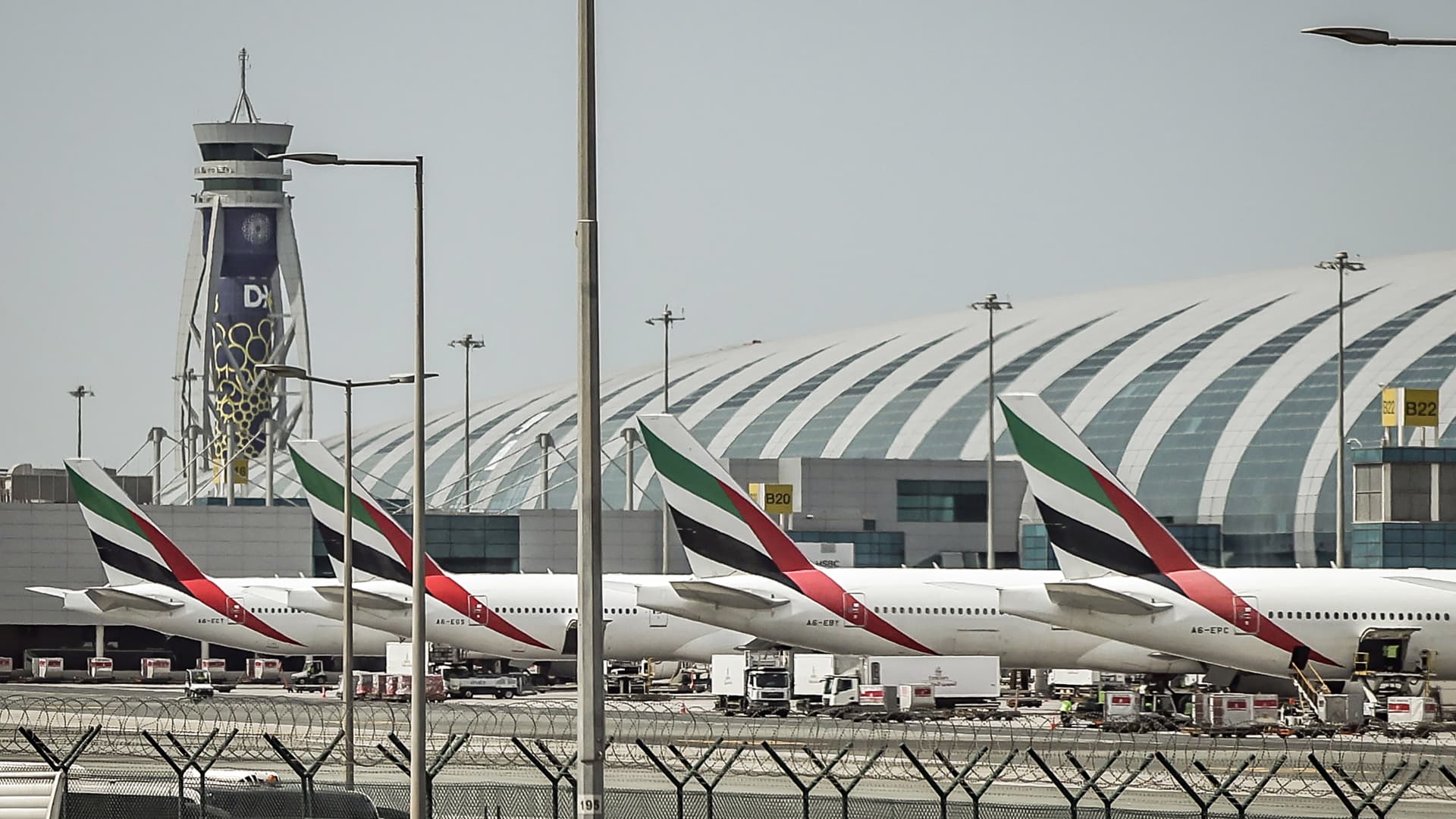
Middle East Conflict Disrupts Tourism Industry

- Flight Cancellations Surge: Over 46,000 flights to and from the Middle East have been canceled since the U.S.-Israel conflict began, posing significant operational challenges for airlines and destabilizing the global aviation market.
- High Airfare Affects Travel Plans: Vietnamese traveler Michelle Bui canceled her trip to the Middle East due to soaring ticket prices ranging from $1,500 to $2,000, highlighting the direct impact of the conflict on travel demand.
- Corporate Travel Strategy Adjustments: Voluntary flight cancellations on Europe-Asia routes more than doubled in the first week of March due to safety concerns, indicating that companies are reassessing employee travel safety, which affects the frequency of business trips.
- Regional Travel Gains Popularity: Ferry travel from Singapore to Batam, Indonesia, remains popular despite a $4.66 fuel surcharge, reflecting the appeal of regional travel options as Asian travelers prefer short getaways over long-haul flights.
See More

Royal Caribbean vs. Carnival: Profitability Comparison

- Profitability Analysis: Royal Caribbean achieved $4.3 billion in adjusted net income on $17.9 billion in revenue last year, resulting in a profit margin of 24%, showcasing its strong pricing power and profitability in the market.
- Future Growth Expectations: Royal Caribbean anticipates an annualized earnings growth of 20% through 2027, compared to Carnival's 12%, indicating that Royal Caribbean has a stronger potential for long-term investment returns.
- Market Performance Discrepancy: While both companies' stocks performed similarly over the past year, Royal Caribbean's stock surged 309% over the past three years, compared to Carnival's 142% increase, highlighting Royal Caribbean's advantage in long-term investments.
- Strategic Investment Direction: Royal Caribbean is investing in new ships and unique destinations to expand its customer base and enhance profitability, while Carnival's strategy focuses on price competition to attract a broader customer base, which may impact its long-term profitability.
See More
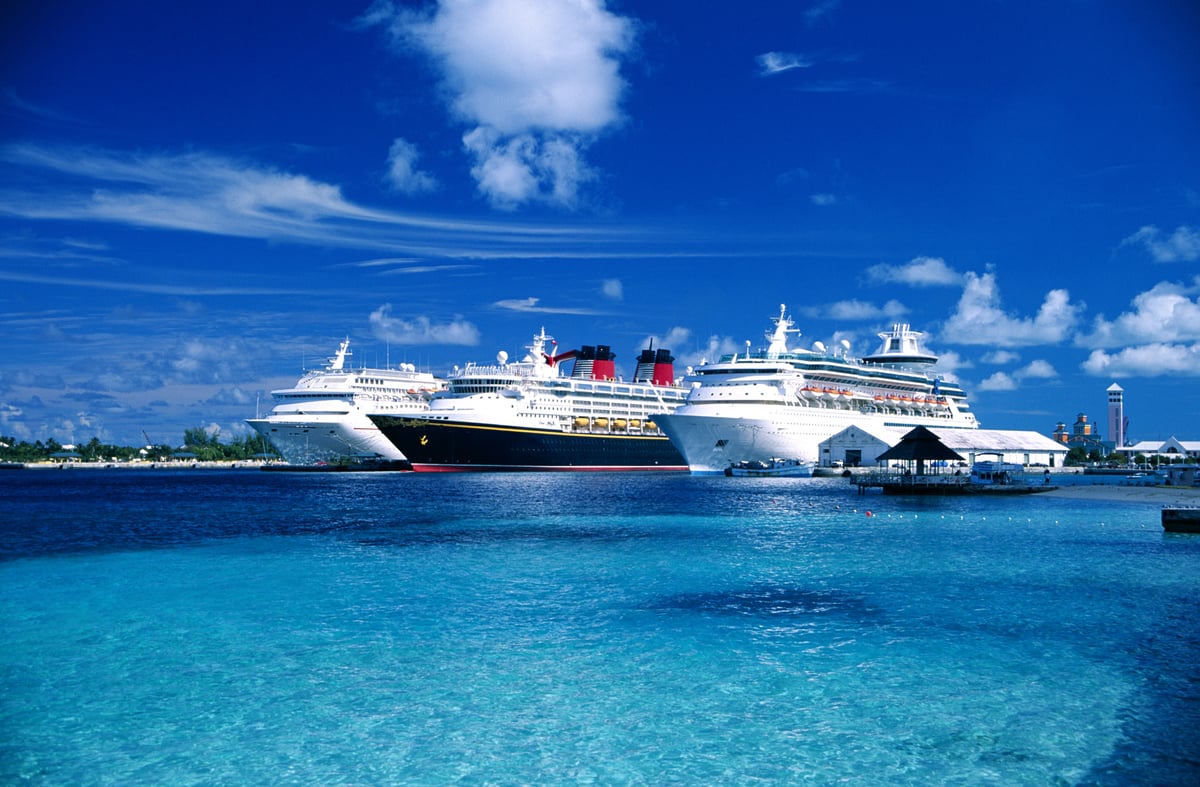
Royal Caribbean vs. Carnival: Performance Comparison
- Profitability Comparison: Royal Caribbean achieved an adjusted net income of $4.3 billion on $17.9 billion in revenue last year, boasting a profit margin of 24%, while Carnival's margin stands at only 11%, providing Royal Caribbean with a stronger capacity for reinvestment and risk management in the competitive landscape.
- Future Growth Expectations: Royal Caribbean anticipates an annualized earnings growth of 20% through 2027, compared to Carnival's plan for a cumulative 50% adjusted earnings growth from 2025 to 2029, highlighting Royal Caribbean's superior profitability and market positioning.
- Stock Performance Discrepancy: Although both companies have shown similar stock performance over the past year, Royal Caribbean's shares surged 309% over the last three years, while Carnival's increased by only 142%, indicating Royal Caribbean's attractiveness for long-term investment returns.
- Market Positioning Strategy: Royal Caribbean focuses on the premium market, investing in new ships and unique destinations, which is expected to expand its customer base, while Carnival competes aggressively on price to attract a broader audience, a strategy that may drive volume but could compromise long-term profitability compared to Royal Caribbean.
See More

Norwegian Cruise Line's Poor Performance Leads to Stock Decline

- Disappointing Earnings Report: Norwegian Cruise Line's fourth-quarter revenue rose 6% to $2.2 billion, driven by higher capacity days, yet fell short of the $2.34 billion estimate, indicating management execution gaps that led to decreased market confidence.
- Significant Stock Decline: The stock plummeted 24% last month due to disappointing earnings and geopolitical instability from the Iran war, reflecting investor concerns about the company's future prospects amidst rising oil prices.
- Improved Profitability: Despite missing revenue expectations, adjusted EBITDA increased by 11% to $2.73 billion, and adjusted earnings per share surged 46% to $0.28, demonstrating effective cost control, yet failing to reverse the overall negative trend.
- Board Changes: Following pressure from activist investor Elliott Investment Management, Norwegian has appointed five new board members, which, while not immediately boosting stock prices, may lay the groundwork for future strategic adjustments and improvements.
See More

Norwegian Cruise Line Misses Q4 Revenue Estimates
- Revenue Miss: Norwegian Cruise Line's Q4 revenue rose 6% to $2.2 billion, falling short of the $2.34 billion estimate, as higher capacity days contributed to growth but execution gaps significantly impacted performance.
- Profitability Improvement: Adjusted EBITDA increased by 11% to $2.73 billion, while adjusted earnings per share surged 46% to $0.28, exceeding expectations of $0.27, indicating effective cost management despite revenue challenges.
- Bleak Outlook: The company forecasts flat net yields for 2026, with cruise costs expected to rise by 0.9%, which will pressure profitability; adjusted EPS guidance of $2.38 is below the consensus of $2.60, reflecting ongoing challenges.
- Board Changes: Following pressure from activist investor Elliott Management, Norwegian appointed five new board members, which, while not boosting stock prices immediately, may set the stage for future improvements in governance and performance.
See More
Holland America Line Launches Anniversary Sale with Major Discounts
- Anniversary Sale Launch: Holland America Line is celebrating its 153rd anniversary with a month-long sale from April 2 to 30, 2026, offering up to 30% off cruise fares and onboard credits up to $400 per stateroom, aimed at enticing both loyal and new travelers to experience their thoughtfully crafted itineraries.
- Family Travel Incentives: The promotion allows third and fourth guests aged 18 and under to cruise for free on select sailings, significantly reducing costs for family vacations and enhancing Holland America's appeal in the family travel segment.
- Combination Offer Policy: The Anniversary Sale can be combined with the
See More
Middle East Conflict Disrupts Tourism Industry
- Flight Cancellations Surge: Over 46,000 flights to and from the Middle East have been canceled since the U.S.-Israel conflict began, posing significant operational challenges for airlines and destabilizing the global aviation market.
- High Airfare Affects Travel Plans: Vietnamese traveler Michelle Bui canceled her trip to the Middle East due to soaring ticket prices ranging from $1,500 to $2,000, highlighting the direct impact of the conflict on travel demand.
- Corporate Travel Strategy Adjustments: Voluntary flight cancellations on Europe-Asia routes more than doubled in the first week of March due to safety concerns, indicating that companies are reassessing employee travel safety, which affects the frequency of business trips.
- Regional Travel Gains Popularity: Ferry travel from Singapore to Batam, Indonesia, remains popular despite a $4.66 fuel surcharge, reflecting the appeal of regional travel options as Asian travelers prefer short getaways over long-haul flights.
See More
Royal Caribbean vs. Carnival: Profitability Comparison
- Profitability Analysis: Royal Caribbean achieved $4.3 billion in adjusted net income on $17.9 billion in revenue last year, resulting in a profit margin of 24%, showcasing its strong pricing power and profitability in the market.
- Future Growth Expectations: Royal Caribbean anticipates an annualized earnings growth of 20% through 2027, compared to Carnival's 12%, indicating that Royal Caribbean has a stronger potential for long-term investment returns.
- Market Performance Discrepancy: While both companies' stocks performed similarly over the past year, Royal Caribbean's stock surged 309% over the past three years, compared to Carnival's 142% increase, highlighting Royal Caribbean's advantage in long-term investments.
- Strategic Investment Direction: Royal Caribbean is investing in new ships and unique destinations to expand its customer base and enhance profitability, while Carnival's strategy focuses on price competition to attract a broader customer base, which may impact its long-term profitability.
See More
Royal Caribbean vs. Carnival: Performance Comparison
- Profitability Comparison: Royal Caribbean achieved an adjusted net income of $4.3 billion on $17.9 billion in revenue last year, boasting a profit margin of 24%, while Carnival's margin stands at only 11%, providing Royal Caribbean with a stronger capacity for reinvestment and risk management in the competitive landscape.
- Future Growth Expectations: Royal Caribbean anticipates an annualized earnings growth of 20% through 2027, compared to Carnival's plan for a cumulative 50% adjusted earnings growth from 2025 to 2029, highlighting Royal Caribbean's superior profitability and market positioning.
- Stock Performance Discrepancy: Although both companies have shown similar stock performance over the past year, Royal Caribbean's shares surged 309% over the last three years, while Carnival's increased by only 142%, indicating Royal Caribbean's attractiveness for long-term investment returns.
- Market Positioning Strategy: Royal Caribbean focuses on the premium market, investing in new ships and unique destinations, which is expected to expand its customer base, while Carnival competes aggressively on price to attract a broader audience, a strategy that may drive volume but could compromise long-term profitability compared to Royal Caribbean.
See More
Norwegian Cruise Line's Poor Performance Leads to Stock Decline
- Disappointing Earnings Report: Norwegian Cruise Line's fourth-quarter revenue rose 6% to $2.2 billion, driven by higher capacity days, yet fell short of the $2.34 billion estimate, indicating management execution gaps that led to decreased market confidence.
- Significant Stock Decline: The stock plummeted 24% last month due to disappointing earnings and geopolitical instability from the Iran war, reflecting investor concerns about the company's future prospects amidst rising oil prices.
- Improved Profitability: Despite missing revenue expectations, adjusted EBITDA increased by 11% to $2.73 billion, and adjusted earnings per share surged 46% to $0.28, demonstrating effective cost control, yet failing to reverse the overall negative trend.
- Board Changes: Following pressure from activist investor Elliott Investment Management, Norwegian has appointed five new board members, which, while not immediately boosting stock prices, may lay the groundwork for future strategic adjustments and improvements.
See More
Norwegian Cruise Line Misses Q4 Revenue Estimates
- Revenue Miss: Norwegian Cruise Line's Q4 revenue rose 6% to $2.2 billion, falling short of the $2.34 billion estimate, as higher capacity days contributed to growth but execution gaps significantly impacted performance.
- Profitability Improvement: Adjusted EBITDA increased by 11% to $2.73 billion, while adjusted earnings per share surged 46% to $0.28, exceeding expectations of $0.27, indicating effective cost management despite revenue challenges.
- Bleak Outlook: The company forecasts flat net yields for 2026, with cruise costs expected to rise by 0.9%, which will pressure profitability; adjusted EPS guidance of $2.38 is below the consensus of $2.60, reflecting ongoing challenges.
- Board Changes: Following pressure from activist investor Elliott Management, Norwegian appointed five new board members, which, while not boosting stock prices immediately, may set the stage for future improvements in governance and performance.
See More