Analysis of Market Impact from Geopolitical Turmoil
Written by Emily J. Thompson, Senior Investment Analyst
Updated: 3 days ago
0mins
Source: CNBC
- Muted Market Reaction: Despite the military actions by the U.S. and Israel against Iran escalating geopolitical tensions, the S&P 500 showed minimal movement on the first trading day, indicating that investors are relatively unfazed by the conflict, which suggests a market resilience to short-term disruptions.
- Surging Oil Prices: U.S. oil prices surged above $90 per barrel last week, marking a 35% weekly increase, the largest since 1983, with analysts warning that a rise above $100 could trigger a global recession, necessitating close monitoring of oil price trends and their potential market impacts.
- Cautious Investor Sentiment: Although the market's response to geopolitical events has been tepid, analysts caution that investors may become complacent due to frequent geopolitical occurrences, potentially overlooking larger risks in the future, particularly regarding tensions between China and Taiwan.
- Defense Stocks Rally: As the conflict continues, defense stocks such as RTX, Lockheed Martin, and Northrop Grumman have risen between 2.1% and 4.4% over the past week, reflecting market expectations for increased defense spending, prompting investors to keep an eye on the performance of related equities.
Trade with 70% Backtested Accuracy
Stop guessing "Should I Buy RTX?" and start using high-conviction signals backed by rigorous historical data.
Sign up today to access powerful investing tools and make smarter, data-driven decisions.
Analyst Views on RTX
Wall Street analysts forecast RTX stock price to fall
14 Analyst Rating
9 Buy
5 Hold
0 Sell
Moderate Buy
Current: 207.000

Low
168.00
Averages
195.77
High
215.00
Current: 207.000
Low
168.00
Averages
195.77
High
215.00
About RTX
RTX Corporation is an aerospace and defense company, which provides advanced systems and services for commercial, military, and government customers worldwide. The Company operates through three segments: Collins Aerospace, Pratt & Whitney, and Raytheon. Collins Aerospace segment provides technologically advanced aerospace and defense products and aftermarket service solutions for civil and military aircraft manufacturers, commercial airlines, and regional, business and general aviation, as well as for defense and commercial space operations. The Pratt & Whitney segment supplies aircraft engines for commercial, military, business jet, and general aviation customers. The Raytheon segment provides defensive and offensive threat detection, tracking and mitigation capabilities for the United States and foreign government and commercial customers. The Raytheon designs, develops, and provides advanced capabilities in integrated air and missile defense, smart weapons, missiles and others.
About the author

Emily J. Thompson
Emily J. Thompson, a Chartered Financial Analyst (CFA) with 12 years in investment research, graduated with honors from the Wharton School. Specializing in industrial and technology stocks, she provides in-depth analysis for Intellectia’s earnings and market brief reports.

Trump Discusses Iran War and Domestic Security Concerns


- War Progress: Trump stated that Iran has lost its Navy and Air Force and lacks anti-aircraft capabilities in the ongoing conflict with the U.S. and Israel, indicating significant military progress for the U.S. that could further diminish Iran's combat effectiveness.
- Strait Security: Trump expressed optimism regarding the security of the Strait of Hormuz, asserting that the U.S. does not believe Iran has mined the strait, despite intelligence reports suggesting that Iran has recently laid a few mines, which could impact global oil transportation safety.
- Insurance Arrangement: Insurance giant Chubb announced it will serve as the lead underwriter for a U.S.-government-led insurance program to cover ships passing through the Strait, a move aimed at enhancing shipping safety and mitigating the war's impact on international trade.
- Trade Threats: Trump criticized Spain for not supporting the U.S. war effort and threatened to cut off trade with Spain, reflecting his strategy of using strong measures in international relations, which could affect U.S.-European trade dynamics.
See More

Chubb to Lead $20 Billion DFC Insurance Program


- Insurance Program Launch: Chubb will serve as the lead underwriter for a $20 billion insurance program initiated by the U.S. Development Finance Corporation (DFC) aimed at resuming shipping through the Strait of Hormuz, which has been disrupted by the Iran war, ensuring the safe passage of oil tankers and commercial traffic.
- Significant Market Impact: Since the onset of the war, Brent crude prices have surged above $91, despite the International Energy Agency's announcement to coordinate the release of 400 million barrels from strategic reserves, indicating ongoing market concerns regarding shipping safety in the Strait of Hormuz.
- Comprehensive Coverage: The DFC program will provide insurance for eligible vessels covering hulls, machinery, and cargo, with Chubb responsible for the end insurance, which will also include coverage for environmental cleanup costs, ensuring a holistic approach to risk management.
- Ongoing Security Risks: Despite the initiation of insurance measures, crew members remain fearful of navigating war zones, as evidenced by three ships being attacked near Iran's coast, highlighting the persistent security challenges facing shipping operations in the Strait of Hormuz.
See More
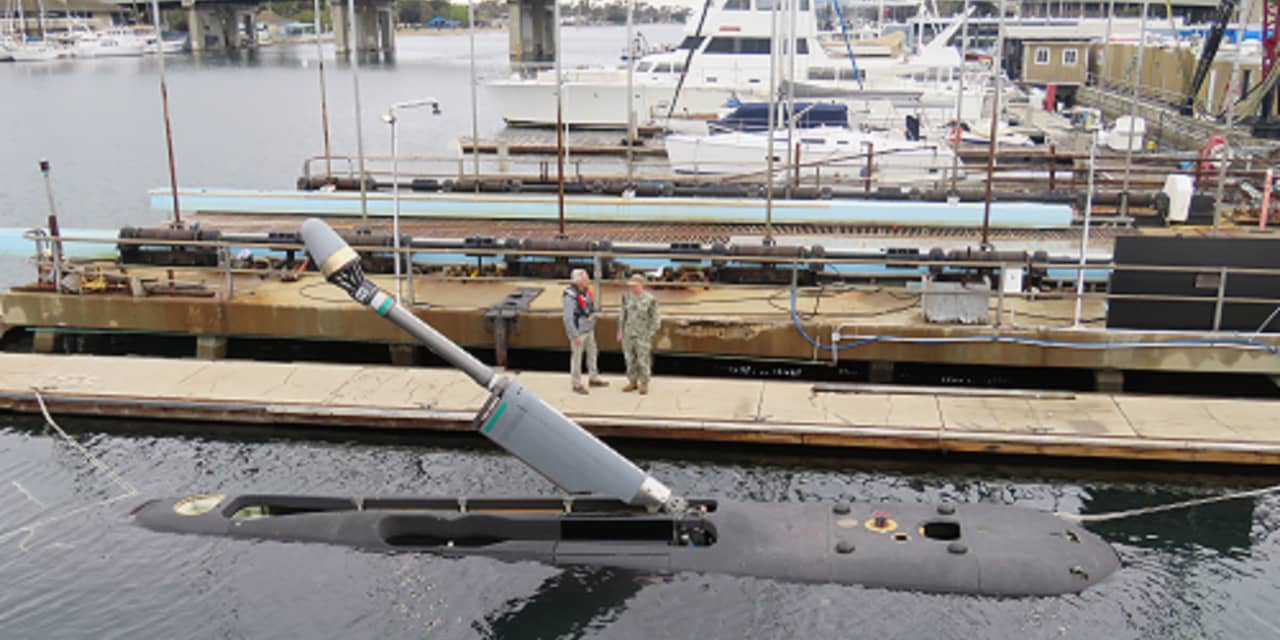
Potential Benefits for These Defense Stocks from Iran's Mine Threat in the Strait of Hormuz


- Strait of Hormuz Closure: The Strait of Hormuz is effectively closed due to heightened risk aversion among shipping companies.
- Iranian Threats: Ongoing threats from Iran contribute to the closure and increased tensions in the region.
- Dangerous Sea Mines: The presence of sea mines in the area poses additional dangers for maritime navigation.
- Impact on Shipping: The combination of these factors has led to significant disruptions in shipping routes through this critical waterway.
See More

FTA Aviation's Engine Business Outlook Remains Strong


- Strong Market Demand: The surging demand for power from data centers is bolstering FTA Aviation's new business, FTA Power, which is converting aircraft engines into power turbines, expected to significantly enhance revenue and market share.
- Outstanding Stock Performance: According to S&P Global Market Intelligence, FTA Aviation's shares rose by 12.3% in February, with a remarkable 178% increase over the past year, reflecting strong market confidence in its growth prospects.
- Maintenance Spending Growth: Industry maintenance spending is projected to grow from $22 billion to $25 billion by 2026, indicating airlines' preference for extending the life of existing fleets, thus providing ongoing service opportunities for FTA.
- Strategic Partnership Agreement: FTA Aviation signed a multi-year agreement with CFM International to provide component and service support for CFM56 engines, which not only extends engine life but also ensures a stable supply of parts, enhancing competitive positioning in the market.
See More

FTAI Aviation Shares Surge 12.3% Amid Strong Market Performance
- Stock Performance: FTAI Aviation shares rose by 12.3% in February, continuing a remarkable 178% increase over the past year and a 38% rise in 2026, reflecting strong market performance and heightened investor confidence.
- Strong Market Demand: FTAI's core aviation market is thriving, particularly with its new FTAI Power business aimed at converting CFM56 engines into power turbines for data centers, with management confirming preparations for the first product delivery in Q4 2026.
- Growing Maintenance Spending: CEO Joseph Adams indicated that total industry maintenance spending is expected to rise from $22 billion to $25 billion by 2026, as airlines increasingly opt to extend the life of existing fleets rather than retire older aircraft, solidifying FTAI's market position.
- Strategic Partnership Agreement: FTAI signed a multi-year agreement with CFM International to provide component and service support for CFM56 engines, which, while seemingly counterintuitive, helps extend engine life and ensures FTAI has access to necessary parts, enhancing its competitive edge in the market.
See More

Three Industrial Stocks to Buy: Stability and Growth Potential

- Generac Strong Demand: Generac's backup power solutions are experiencing surging demand from data centers, with a backlog for large diesel generators reaching $400 million, most of which is expected to ship this year, indicating the company's strong position in the rapidly growing energy market.
- Quanta Services Growth Outlook: Quanta Services' backlog has grown 27% year-over-year to $44 billion, with projected revenue guidance of $33.5 billion at the midpoint for this year, showcasing strong demand and market share expansion in the power infrastructure sector.
- RTX Stable Growth: RTX's backlog has reached $268 billion, with adjusted EPS guidance of $6.70 representing a 6.5% year-over-year growth, reflecting sustained demand and profitability in the aerospace and defense markets.
- Industry Trends: As artificial intelligence and electricity demand surge, industrial companies like Generac and Quanta Services benefit from market transformations, which are expected to drive stable growth in the coming years, attracting investor interest.
See More
Trump Discusses Iran War and Domestic Security Concerns
- War Progress: Trump stated that Iran has lost its Navy and Air Force and lacks anti-aircraft capabilities in the ongoing conflict with the U.S. and Israel, indicating significant military progress for the U.S. that could further diminish Iran's combat effectiveness.
- Strait Security: Trump expressed optimism regarding the security of the Strait of Hormuz, asserting that the U.S. does not believe Iran has mined the strait, despite intelligence reports suggesting that Iran has recently laid a few mines, which could impact global oil transportation safety.
- Insurance Arrangement: Insurance giant Chubb announced it will serve as the lead underwriter for a U.S.-government-led insurance program to cover ships passing through the Strait, a move aimed at enhancing shipping safety and mitigating the war's impact on international trade.
- Trade Threats: Trump criticized Spain for not supporting the U.S. war effort and threatened to cut off trade with Spain, reflecting his strategy of using strong measures in international relations, which could affect U.S.-European trade dynamics.
See More
Chubb to Lead $20 Billion DFC Insurance Program
- Insurance Program Launch: Chubb will serve as the lead underwriter for a $20 billion insurance program initiated by the U.S. Development Finance Corporation (DFC) aimed at resuming shipping through the Strait of Hormuz, which has been disrupted by the Iran war, ensuring the safe passage of oil tankers and commercial traffic.
- Significant Market Impact: Since the onset of the war, Brent crude prices have surged above $91, despite the International Energy Agency's announcement to coordinate the release of 400 million barrels from strategic reserves, indicating ongoing market concerns regarding shipping safety in the Strait of Hormuz.
- Comprehensive Coverage: The DFC program will provide insurance for eligible vessels covering hulls, machinery, and cargo, with Chubb responsible for the end insurance, which will also include coverage for environmental cleanup costs, ensuring a holistic approach to risk management.
- Ongoing Security Risks: Despite the initiation of insurance measures, crew members remain fearful of navigating war zones, as evidenced by three ships being attacked near Iran's coast, highlighting the persistent security challenges facing shipping operations in the Strait of Hormuz.
See More
Potential Benefits for These Defense Stocks from Iran's Mine Threat in the Strait of Hormuz
- Strait of Hormuz Closure: The Strait of Hormuz is effectively closed due to heightened risk aversion among shipping companies.
- Iranian Threats: Ongoing threats from Iran contribute to the closure and increased tensions in the region.
- Dangerous Sea Mines: The presence of sea mines in the area poses additional dangers for maritime navigation.
- Impact on Shipping: The combination of these factors has led to significant disruptions in shipping routes through this critical waterway.
See More
FTA Aviation's Engine Business Outlook Remains Strong
- Strong Market Demand: The surging demand for power from data centers is bolstering FTA Aviation's new business, FTA Power, which is converting aircraft engines into power turbines, expected to significantly enhance revenue and market share.
- Outstanding Stock Performance: According to S&P Global Market Intelligence, FTA Aviation's shares rose by 12.3% in February, with a remarkable 178% increase over the past year, reflecting strong market confidence in its growth prospects.
- Maintenance Spending Growth: Industry maintenance spending is projected to grow from $22 billion to $25 billion by 2026, indicating airlines' preference for extending the life of existing fleets, thus providing ongoing service opportunities for FTA.
- Strategic Partnership Agreement: FTA Aviation signed a multi-year agreement with CFM International to provide component and service support for CFM56 engines, which not only extends engine life but also ensures a stable supply of parts, enhancing competitive positioning in the market.
See More
FTAI Aviation Shares Surge 12.3% Amid Strong Market Performance
- Stock Performance: FTAI Aviation shares rose by 12.3% in February, continuing a remarkable 178% increase over the past year and a 38% rise in 2026, reflecting strong market performance and heightened investor confidence.
- Strong Market Demand: FTAI's core aviation market is thriving, particularly with its new FTAI Power business aimed at converting CFM56 engines into power turbines for data centers, with management confirming preparations for the first product delivery in Q4 2026.
- Growing Maintenance Spending: CEO Joseph Adams indicated that total industry maintenance spending is expected to rise from $22 billion to $25 billion by 2026, as airlines increasingly opt to extend the life of existing fleets rather than retire older aircraft, solidifying FTAI's market position.
- Strategic Partnership Agreement: FTAI signed a multi-year agreement with CFM International to provide component and service support for CFM56 engines, which, while seemingly counterintuitive, helps extend engine life and ensures FTAI has access to necessary parts, enhancing its competitive edge in the market.
See More
Three Industrial Stocks to Buy: Stability and Growth Potential
- Generac Strong Demand: Generac's backup power solutions are experiencing surging demand from data centers, with a backlog for large diesel generators reaching $400 million, most of which is expected to ship this year, indicating the company's strong position in the rapidly growing energy market.
- Quanta Services Growth Outlook: Quanta Services' backlog has grown 27% year-over-year to $44 billion, with projected revenue guidance of $33.5 billion at the midpoint for this year, showcasing strong demand and market share expansion in the power infrastructure sector.
- RTX Stable Growth: RTX's backlog has reached $268 billion, with adjusted EPS guidance of $6.70 representing a 6.5% year-over-year growth, reflecting sustained demand and profitability in the aerospace and defense markets.
- Industry Trends: As artificial intelligence and electricity demand surge, industrial companies like Generac and Quanta Services benefit from market transformations, which are expected to drive stable growth in the coming years, attracting investor interest.
See More