Analysis of AI Growth Potential in the Energy Sector
Written by Emily J. Thompson, Senior Investment Analyst
Updated: 1 hour ago
0mins

Should l Buy CEG?
Source: Fool
- Market Performance Comparison: Constellation Energy (CEG) has a market cap of approximately $109 billion with a P/E ratio of 41, despite a 38% year-over-year decline in net income to $2.3 billion in 2025, indicating an overly optimistic market outlook, while Devon Energy (DVN) shows a more robust fundamental profile with a market cap of $28.7 billion and a P/E ratio of 11.
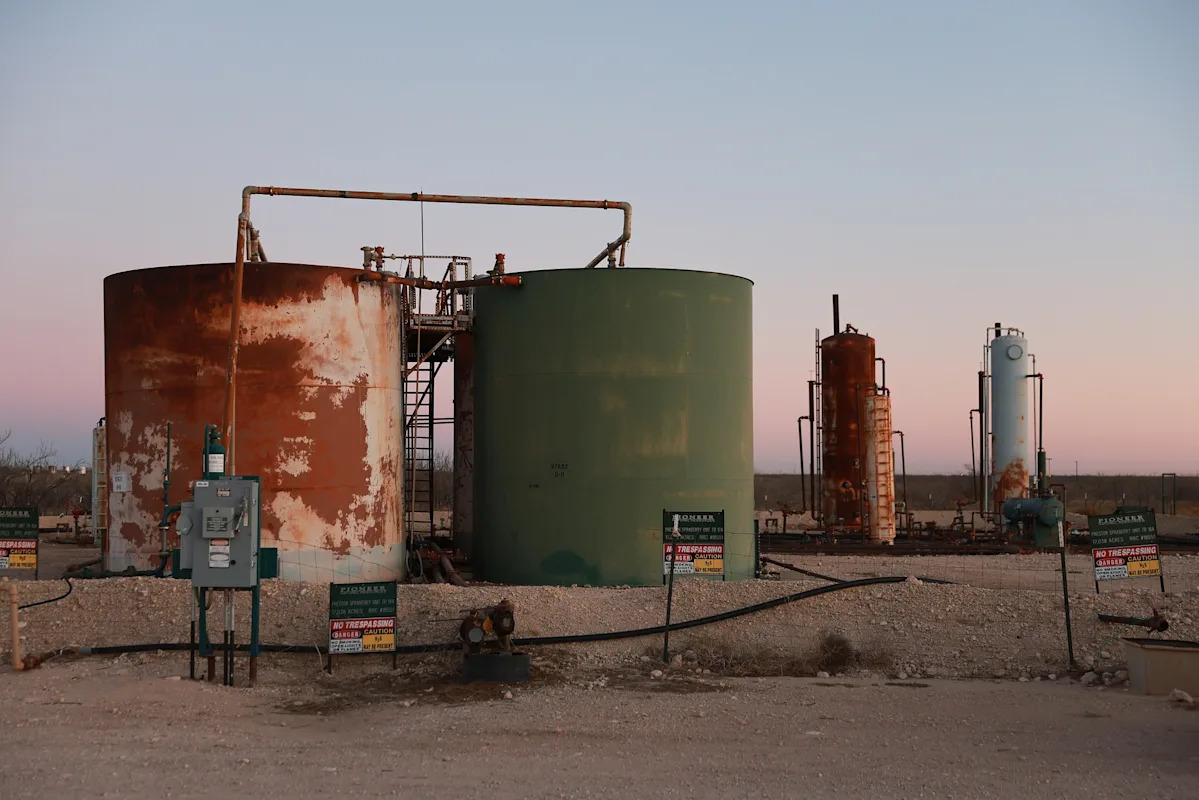
- Contracted Cash Flow Advantage: Devon has signed a 7-year gas supply agreement to deliver 65 MMcf per day to a 1,350 MW power plant tied to AI-driven electricity demand, along with a 10-year LNG export contract, ensuring stable cash flows for the future.
- Merger Synergies: The all-stock merger between Devon and Coterra Energy is expected to close in Q2 2026, with Devon shareholders retaining about 54% of the combined entity and projected annual pre-tax synergies of $1 billion, alongside a 31% increase in quarterly dividends to $0.315 per share.
- Free Cash Flow Performance: Devon generated $3.1 billion in free cash flow in 2025, showing significant year-over-year growth, contrasting with CEG's declining net income, highlighting Devon's stronger competitive position in the growing AI energy demand landscape.
Trade with 70% Backtested Accuracy
Stop guessing "Should I Buy CEG?" and start using high-conviction signals backed by rigorous historical data.
Sign up today to access powerful investing tools and make smarter, data-driven decisions.
Analyst Views on CEG
Wall Street analysts forecast CEG stock price to rise
7 Analyst Rating
6 Buy
1 Hold
0 Sell
Strong Buy
Current: 305.580

Low
350.00
Averages
414.86
High
460.00
Current: 305.580
Low
350.00
Averages
414.86
High
460.00
About CEG
Constellation Energy Corporation is a producer of emissions-free energy and an energy supplier to businesses, homes and public sector customers nationwide. The Company’s nuclear, hydro, wind, and solar generation facilities have the generating capacity to power the equivalent of 27 million homes, providing about 10% of the nation’s clean energy. Its segments include Mid-Atlantic, Midwest, New York, ERCOT, and Other Power Regions. Through its integrated business operations, it sells electricity, natural gas, and other energy-related products and sustainable solutions to various types of customers, including distribution utilities, municipalities, cooperatives, commercial, industrial, public sector, and residential customers in markets across multiple geographic regions. It operates approximately 55 gigawatts of capacity from nuclear, natural gas, geothermal, hydro, wind and solar facilities.
About the author

Emily J. Thompson
Emily J. Thompson, a Chartered Financial Analyst (CFA) with 12 years in investment research, graduated with honors from the Wharton School. Specializing in industrial and technology stocks, she provides in-depth analysis for Intellectia’s earnings and market brief reports.

Analysis of AI-Driven Growth Prospects for Energy Companies


- Valuation vs Performance: Constellation Energy (CEG) has a market cap of approximately $109 billion, yet its net income fell 38% year-over-year to $2.3 billion, trading at a 41x P/E ratio, indicating potential stock price pressure due to overly optimistic future growth expectations.
- Natural Gas Supply Opportunity: Devon Energy (DVN) has signed a 7-year gas supply agreement to deliver 65 MMcf per day to a 1,350 MW power plant starting in 2028, directly addressing the electricity demand from AI-driven data centers, showcasing strong market adaptability.
- Merger and Shareholder Returns: Devon's all-stock merger with Coterra Energy is expected to close in Q2 2026, with a 31% increase in quarterly dividends to $0.315 and a new share repurchase authorization exceeding $5 billion, reflecting a strong commitment to shareholder returns.
- Cash Flow and Capital Expenditure: Devon generated $3.1 billion in free cash flow in 2025, a significant year-over-year increase, while keeping capital expenditures at $3.6 billion and achieving oil production of 390,000 barrels per day, demonstrating its competitive advantage and sustainable growth potential.
See More

Analysis of AI Growth Potential in the Energy Sector
- Market Performance Comparison: Constellation Energy (CEG) has a market cap of approximately $109 billion with a P/E ratio of 41, despite a 38% year-over-year decline in net income to $2.3 billion in 2025, indicating an overly optimistic market outlook, while Devon Energy (DVN) shows a more robust fundamental profile with a market cap of $28.7 billion and a P/E ratio of 11.
- Contracted Cash Flow Advantage: Devon has signed a 7-year gas supply agreement to deliver 65 MMcf per day to a 1,350 MW power plant tied to AI-driven electricity demand, along with a 10-year LNG export contract, ensuring stable cash flows for the future.
- Merger Synergies: The all-stock merger between Devon and Coterra Energy is expected to close in Q2 2026, with Devon shareholders retaining about 54% of the combined entity and projected annual pre-tax synergies of $1 billion, alongside a 31% increase in quarterly dividends to $0.315 per share.
- Free Cash Flow Performance: Devon generated $3.1 billion in free cash flow in 2025, showing significant year-over-year growth, contrasting with CEG's declining net income, highlighting Devon's stronger competitive position in the growing AI energy demand landscape.
See More
Nvidia Projects $1 Trillion in AI Chip Orders by 2027


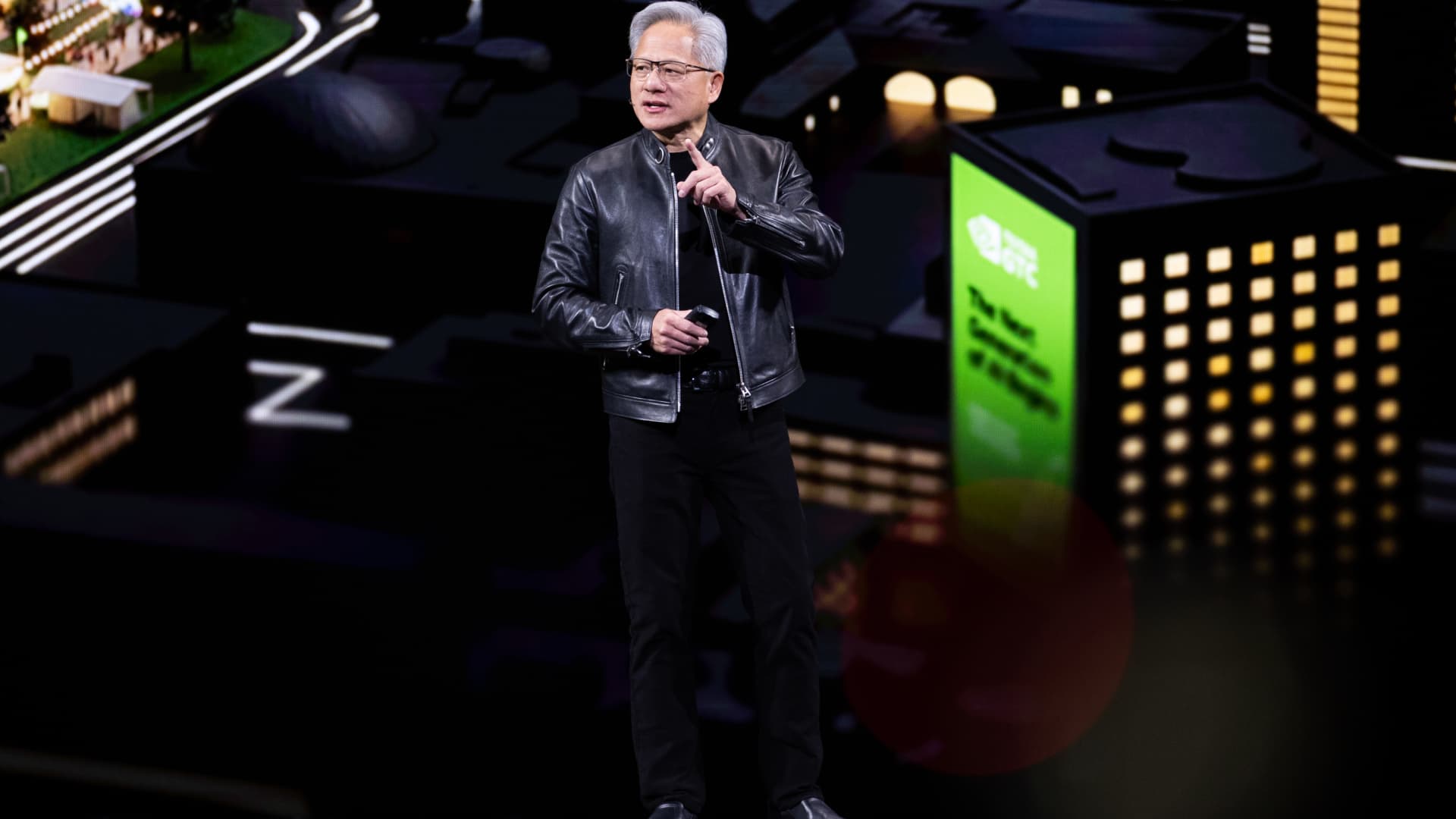
- Surging Order Expectations: CEO Jensen Huang announced at the developer conference that Nvidia anticipates orders between Blackwell and Vera Rubin to reach $1 trillion by 2027, significantly up from last year's $500 billion forecast, indicating robust market demand for AI chips.
- Sustained Revenue Growth: Nvidia expects a year-over-year revenue surge of 77% this quarter, reaching approximately $78 billion, and has reported 11 consecutive quarters of revenue growth exceeding 55%, underscoring its leadership position and the ongoing rise in market demand for AI technologies.
- New Product Launch: Huang unveiled the Groq 3 Language Processing Unit (LPU), the first chip from the startup Nvidia acquired for $20 billion, expected to ship in Q3, aimed at enhancing GPU performance and strengthening competitive positioning in the market.
- Future Architecture Plans: Nvidia showcased the Kyber prototype, the next major rack architecture following Vera Rubin, set to launch in 2027, integrating 144 GPUs to boost density and reduce latency, further solidifying its technological edge in AI computing.
See More

Impact of U.S.-Iran War on Middle East Security


- Geoeconomic Escalation: Iran has pivoted to geographic and economic horizontal escalation in response to military pressure from the U.S. and Israel, despite being outmatched in direct military engagement, which could lead to long-term instability in the Middle East and impact investors' risk assessments.
- Closure of Strait of Hormuz: Iran has effectively closed the Strait of Hormuz, making it untraversable despite the U.S. Navy sinking part of the Iranian fleet, leading to a lack of commercial insurance and potentially profound implications for global oil prices and supply chains.
- Expansion of Proxy Wars: Israel's territorial threats in southern Lebanon allow Iran to engage in proxy wars across two theaters, draining Western resources without needing to win conventional battles, thereby exacerbating regional tensions and affecting global markets.
- Nuclear Investment Outlook: The ongoing conflict may accelerate nations' demand for nuclear energy, prompting investors to focus on uranium mining companies like Cameco (CCJ) to capitalize on potential future supply shortages and price increases.
See More
Nuclear Power and AI: A Strategic Intersection
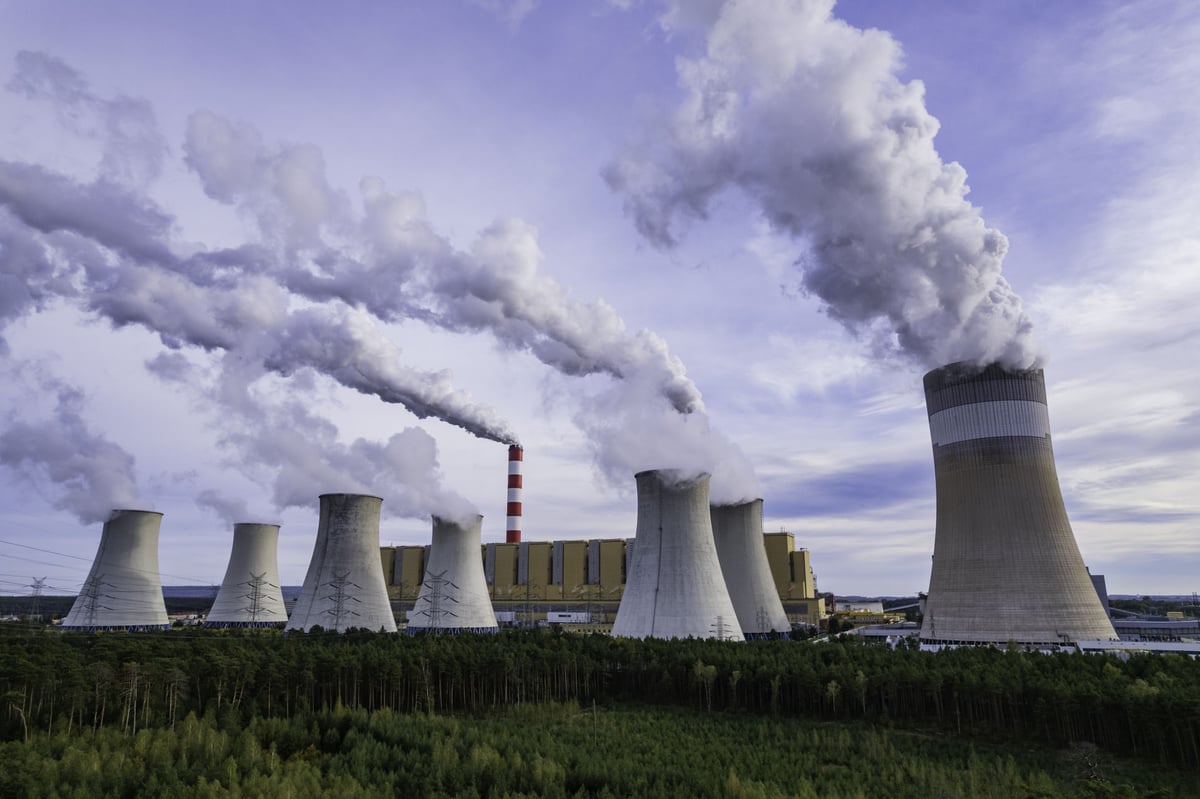
- Surging Nuclear Demand: The International Energy Agency forecasts that global nuclear power output will double by 2050, highlighting the urgent need for clean energy, particularly as electricity demand from AI data centers skyrockets, making nuclear a rapidly scalable solution.
- Constellation Energy's Edge: As the largest nuclear power producer in the U.S., Constellation Energy operates 21 reactors generating over 80% of its electricity, positioning it to benefit from the nuclear renaissance, especially with AI data center electricity demand projected to triple by 2050.
- Centrus Energy's Market Opportunity: Centruss Energy not only supplies uranium but also provides nuclear material handling equipment, with demand for enriched uranium expected to double by 2040, underscoring its critical role in the nuclear industry's revival, particularly as renewables can't meet demand quickly enough.
- GE Vernova's Strategic Positioning: Although GE Vernova's nuclear revenue is less than 5%, its partnership with Hitachi keeps it relevant in the nuclear reactor business, while its natural gas turbines can quickly meet the surging electricity demand driven by AI, likely yielding short-term gains for the company.
See More

Nuclear Power and AI Growth Potential
- Nuclear Production Capacity: Constellation Energy operates 21 nuclear reactors generating over 80% of its power, showcasing its core strength in the nuclear renaissance, with nuclear production expected to double in the next 25 years, driving sustained growth for the company.
- Surge in Uranium Demand: Centrus Energy, as a uranium supplier, is positioned to benefit from a projected doubling of uranium demand by 2040, having reported consistent profits since 2020, indicating its crucial role in the nuclear market recovery.
- Potential of GE Vernova: Although GE Vernova's nuclear-related revenue is currently less than 5%, its partnership with Hitachi keeps it active in the nuclear reactor business, and it is expected to benefit from the nuclear market revival, serving as a stopgap solution for electricity demand.
- Explosion in Electricity Demand: AI data centers are projected to double their electricity usage by 2030, with Constellation Energy and Centrus Energy playing key roles in meeting this demand, thereby driving long-term growth opportunities.
See More
Analysis of AI-Driven Growth Prospects for Energy Companies
- Valuation vs Performance: Constellation Energy (CEG) has a market cap of approximately $109 billion, yet its net income fell 38% year-over-year to $2.3 billion, trading at a 41x P/E ratio, indicating potential stock price pressure due to overly optimistic future growth expectations.
- Natural Gas Supply Opportunity: Devon Energy (DVN) has signed a 7-year gas supply agreement to deliver 65 MMcf per day to a 1,350 MW power plant starting in 2028, directly addressing the electricity demand from AI-driven data centers, showcasing strong market adaptability.
- Merger and Shareholder Returns: Devon's all-stock merger with Coterra Energy is expected to close in Q2 2026, with a 31% increase in quarterly dividends to $0.315 and a new share repurchase authorization exceeding $5 billion, reflecting a strong commitment to shareholder returns.
- Cash Flow and Capital Expenditure: Devon generated $3.1 billion in free cash flow in 2025, a significant year-over-year increase, while keeping capital expenditures at $3.6 billion and achieving oil production of 390,000 barrels per day, demonstrating its competitive advantage and sustainable growth potential.
See More
Analysis of AI Growth Potential in the Energy Sector
- Market Performance Comparison: Constellation Energy (CEG) has a market cap of approximately $109 billion with a P/E ratio of 41, despite a 38% year-over-year decline in net income to $2.3 billion in 2025, indicating an overly optimistic market outlook, while Devon Energy (DVN) shows a more robust fundamental profile with a market cap of $28.7 billion and a P/E ratio of 11.
- Contracted Cash Flow Advantage: Devon has signed a 7-year gas supply agreement to deliver 65 MMcf per day to a 1,350 MW power plant tied to AI-driven electricity demand, along with a 10-year LNG export contract, ensuring stable cash flows for the future.
- Merger Synergies: The all-stock merger between Devon and Coterra Energy is expected to close in Q2 2026, with Devon shareholders retaining about 54% of the combined entity and projected annual pre-tax synergies of $1 billion, alongside a 31% increase in quarterly dividends to $0.315 per share.
- Free Cash Flow Performance: Devon generated $3.1 billion in free cash flow in 2025, showing significant year-over-year growth, contrasting with CEG's declining net income, highlighting Devon's stronger competitive position in the growing AI energy demand landscape.
See More
Nvidia Projects $1 Trillion in AI Chip Orders by 2027
- Surging Order Expectations: CEO Jensen Huang announced at the developer conference that Nvidia anticipates orders between Blackwell and Vera Rubin to reach $1 trillion by 2027, significantly up from last year's $500 billion forecast, indicating robust market demand for AI chips.
- Sustained Revenue Growth: Nvidia expects a year-over-year revenue surge of 77% this quarter, reaching approximately $78 billion, and has reported 11 consecutive quarters of revenue growth exceeding 55%, underscoring its leadership position and the ongoing rise in market demand for AI technologies.
- New Product Launch: Huang unveiled the Groq 3 Language Processing Unit (LPU), the first chip from the startup Nvidia acquired for $20 billion, expected to ship in Q3, aimed at enhancing GPU performance and strengthening competitive positioning in the market.
- Future Architecture Plans: Nvidia showcased the Kyber prototype, the next major rack architecture following Vera Rubin, set to launch in 2027, integrating 144 GPUs to boost density and reduce latency, further solidifying its technological edge in AI computing.
See More
Impact of U.S.-Iran War on Middle East Security
- Geoeconomic Escalation: Iran has pivoted to geographic and economic horizontal escalation in response to military pressure from the U.S. and Israel, despite being outmatched in direct military engagement, which could lead to long-term instability in the Middle East and impact investors' risk assessments.
- Closure of Strait of Hormuz: Iran has effectively closed the Strait of Hormuz, making it untraversable despite the U.S. Navy sinking part of the Iranian fleet, leading to a lack of commercial insurance and potentially profound implications for global oil prices and supply chains.
- Expansion of Proxy Wars: Israel's territorial threats in southern Lebanon allow Iran to engage in proxy wars across two theaters, draining Western resources without needing to win conventional battles, thereby exacerbating regional tensions and affecting global markets.
- Nuclear Investment Outlook: The ongoing conflict may accelerate nations' demand for nuclear energy, prompting investors to focus on uranium mining companies like Cameco (CCJ) to capitalize on potential future supply shortages and price increases.
See More
Nuclear Power and AI: A Strategic Intersection
- Surging Nuclear Demand: The International Energy Agency forecasts that global nuclear power output will double by 2050, highlighting the urgent need for clean energy, particularly as electricity demand from AI data centers skyrockets, making nuclear a rapidly scalable solution.
- Constellation Energy's Edge: As the largest nuclear power producer in the U.S., Constellation Energy operates 21 reactors generating over 80% of its electricity, positioning it to benefit from the nuclear renaissance, especially with AI data center electricity demand projected to triple by 2050.
- Centrus Energy's Market Opportunity: Centruss Energy not only supplies uranium but also provides nuclear material handling equipment, with demand for enriched uranium expected to double by 2040, underscoring its critical role in the nuclear industry's revival, particularly as renewables can't meet demand quickly enough.
- GE Vernova's Strategic Positioning: Although GE Vernova's nuclear revenue is less than 5%, its partnership with Hitachi keeps it relevant in the nuclear reactor business, while its natural gas turbines can quickly meet the surging electricity demand driven by AI, likely yielding short-term gains for the company.
See More
Nuclear Power and AI Growth Potential
- Nuclear Production Capacity: Constellation Energy operates 21 nuclear reactors generating over 80% of its power, showcasing its core strength in the nuclear renaissance, with nuclear production expected to double in the next 25 years, driving sustained growth for the company.
- Surge in Uranium Demand: Centrus Energy, as a uranium supplier, is positioned to benefit from a projected doubling of uranium demand by 2040, having reported consistent profits since 2020, indicating its crucial role in the nuclear market recovery.
- Potential of GE Vernova: Although GE Vernova's nuclear-related revenue is currently less than 5%, its partnership with Hitachi keeps it active in the nuclear reactor business, and it is expected to benefit from the nuclear market revival, serving as a stopgap solution for electricity demand.
- Explosion in Electricity Demand: AI data centers are projected to double their electricity usage by 2030, with Constellation Energy and Centrus Energy playing key roles in meeting this demand, thereby driving long-term growth opportunities.
See More