American Airlines Invests $1 Billion to Expand Miami Airport
Written by Emily J. Thompson, Senior Investment Analyst
Updated: Feb 26 2026
0mins
Should l Buy AAL?
Source: Benzinga
- Investment Expansion Plan: American Airlines Group has announced a $1 billion investment in Miami International Airport to build a new three-level Concourse D extension, aimed at accommodating larger aircraft and eliminating outside boarding, with groundbreaking set for 2027.
- Enhanced Terminal Functionality: The new Concourse D will feature 17 additional gates and will eventually provide direct access to the airport's customs hall, enhancing the convenience of international travel and improving customer experience while strengthening the airline's competitive position.
- CEO Outlook: American Airlines CEO Robert Isom stated that the brand-new D60 project will provide a significantly improved experience for customers and the team, reflecting the company's commitment to enhancing service quality.
- Market Reaction: Despite pressures from rising oil prices, American Airlines' stock price surged 1.29% to $13.32 at market close on Wednesday, with a further increase of 0.08% in after-hours trading, indicating positive market expectations for the company's long-term growth.
Trade with 70% Backtested Accuracy
Stop guessing "Should I Buy AAL?" and start using high-conviction signals backed by rigorous historical data.
Sign up today to access powerful investing tools and make smarter, data-driven decisions.
Analyst Views on AAL
Wall Street analysts forecast AAL stock price to rise
15 Analyst Rating
7 Buy
7 Hold
1 Sell
Moderate Buy
Current: 11.130

Low
11.00
Averages
17.93
High
22.00
Current: 11.130
Low
11.00
Averages
17.93
High
22.00
About AAL
American Airlines Group Inc. is a holding company. Its primary business activity is the operation of a major network air carrier, providing scheduled air transportation for passengers and cargo through its hubs in Charlotte, Chicago, Dallas/Fort Worth, Los Angeles, Miami, New York, Philadelphia, Phoenix and Washington, D.C. and partner gateways, including in London, Doha, Madrid, Seattle/Tacoma, Sydney and Tokyo, among others. Together with its regional airline subsidiaries and third-party regional carriers operating as American Eagle. Its cargo division provides a wide range of freight and mail services, with facilities and interline connections available across the globe. It operates approximately 977 mainline aircraft supported by its regional airline subsidiaries and third-party regional carriers, which together operate an additional 585 regional aircraft. Its subsidiaries include American Airlines, Inc., Envoy Aviation Group Inc., PSA Airlines, Inc. and Piedmont Airlines, Inc.
About the author

Emily J. Thompson
Emily J. Thompson, a Chartered Financial Analyst (CFA) with 12 years in investment research, graduated with honors from the Wharton School. Specializing in industrial and technology stocks, she provides in-depth analysis for Intellectia’s earnings and market brief reports.
US Stocks Close Mixed Amid Oil Surge and Economic Data


- Market Fluctuations: The S&P 500 Index closed up 0.11%, while the Dow Jones Industrial Average fell 0.13%, and the Nasdaq 100 Index rose 0.11%, reflecting volatility influenced by surging oil prices and economic data.
- Positive Economic Data: Weekly initial unemployment claims unexpectedly fell by 9,000 to 202,000, indicating a stronger labor market than the anticipated increase to 212,000, which could impact the Fed's interest rate policy.
- Impact of Oil Surge: Crude oil prices soared over 11% due to President Trump's tougher stance on Iran, leading to sharp declines in airline and cruise line stocks, with United Airlines and Carnival both down more than 3%.
- Corporate Developments: SBA Communications surged over 18% as it explores potential acquisition options, while Globalstar rose over 13% amid reports of Amazon's interest in acquiring the company, highlighting market focus on M&A activity.
See More

Stock Markets Pressured by Soaring Oil Prices

- Oil Price Surge Pressures Markets: Stock indexes are under pressure as crude oil prices soar over 8% following President Trump's aggressive stance on Iran, leading to a 0.06% drop in the S&P 500, a 0.23% decline in the Dow, and a 0.20% fall in the Nasdaq 100, indicating heightened inflation concerns among investors.
- Unexpected Jobless Claims Drop: Despite market pressures, initial jobless claims fell by 9,000 to 202,000, indicating a stronger labor market than anticipated, which may provide some support for stocks and alleviate investor fears of an economic slowdown.
- Divergent Energy Sector Performance: Energy producers like Diamondback Energy rose over 2% due to soaring WTI prices, while airline stocks such as American Airlines and Carnival fell more than 4% as rising fuel costs cut into profits, highlighting a clear divergence across sectors.
- Tech Stocks Decline: Chipmakers and AI infrastructure stocks retreated, with ARM Holdings leading the Nasdaq 100 down over 5%, reflecting waning confidence in tech stocks and potentially impacting future investment decisions.
See More

US Stocks Plummet as Oil Prices Surge
- Oil Price Surge: Crude oil prices soared over 13% as President Trump took a tougher stance on Iran, reaching a 3.5-week high, which not only heightened inflation fears but also pushed bond yields higher, with the 10-year T-note yield rising by 2 basis points to 4.34%.
- Unemployment Claims Drop: Weekly initial unemployment claims unexpectedly fell by 9,000 to 202,000, indicating a stronger labor market than the anticipated increase to 212,000, which could provide support for the stock market amid rising inflation concerns.
- Global Market Decline: Overseas stock markets are lower, with the Euro Stoxx 50 down 2.25%, China's Shanghai Composite down 0.74%, and Japan's Nikkei 225 sharply falling 2.38% from a two-week high, reflecting global economic uncertainty and investor caution.
- Airline Stocks Plummet: Airline stocks are sharply lower as crude oil prices surged over 10%, raising fuel costs; United Airlines and American Airlines Group both fell more than 6%, highlighting the direct impact of rising oil prices on airline profitability.
See More
Senate Advances Funding Bill for Homeland Security


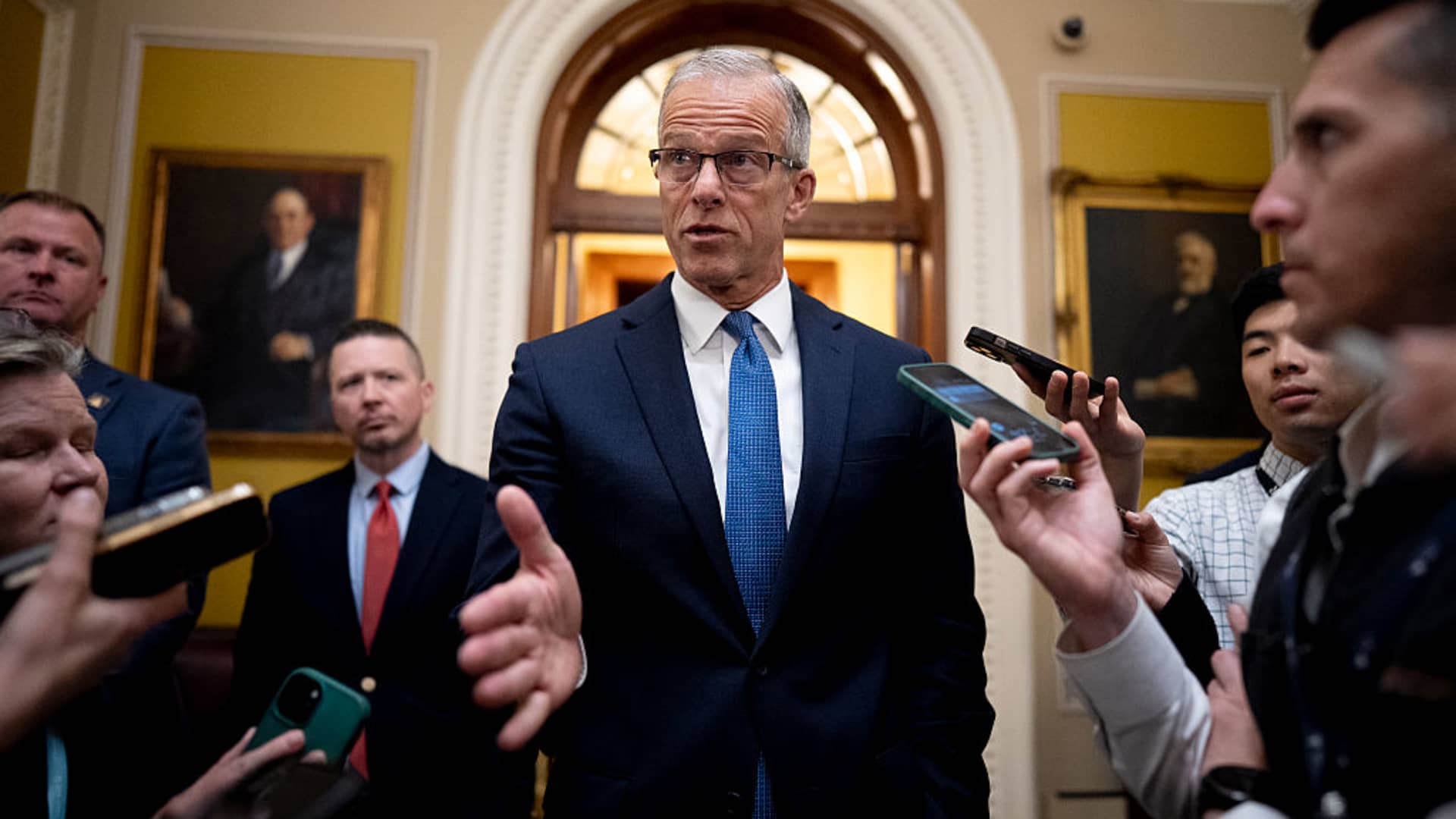
- Funding Bill Advancement: The Senate advanced a funding bill for the Department of Homeland Security on April 2, aiming to end a month-long government shutdown that disrupted air travel significantly.
- House Inaction: Despite the Senate's progress, the House failed to take action on the bill during its own session, likely extending the partial government shutdown through the weekend and affecting federal workers' pay.
- Two-Track Funding Agreement: Senate Majority Leader John Thune and House Speaker Mike Johnson announced a two-track agreement to fund immigration enforcement and border security for the next three years, ensuring federal workers are paid.
- Trump's Support for Funding Replenishment: Trump expressed on social media his commitment to quickly replenish funding for border and ICE agents through budget priorities that do not require Democratic votes, although far-right House members oppose any legislation that excludes ICE and CBP funding.
See More
Market Watch: Oil Price Surge and Stock Market Turmoil


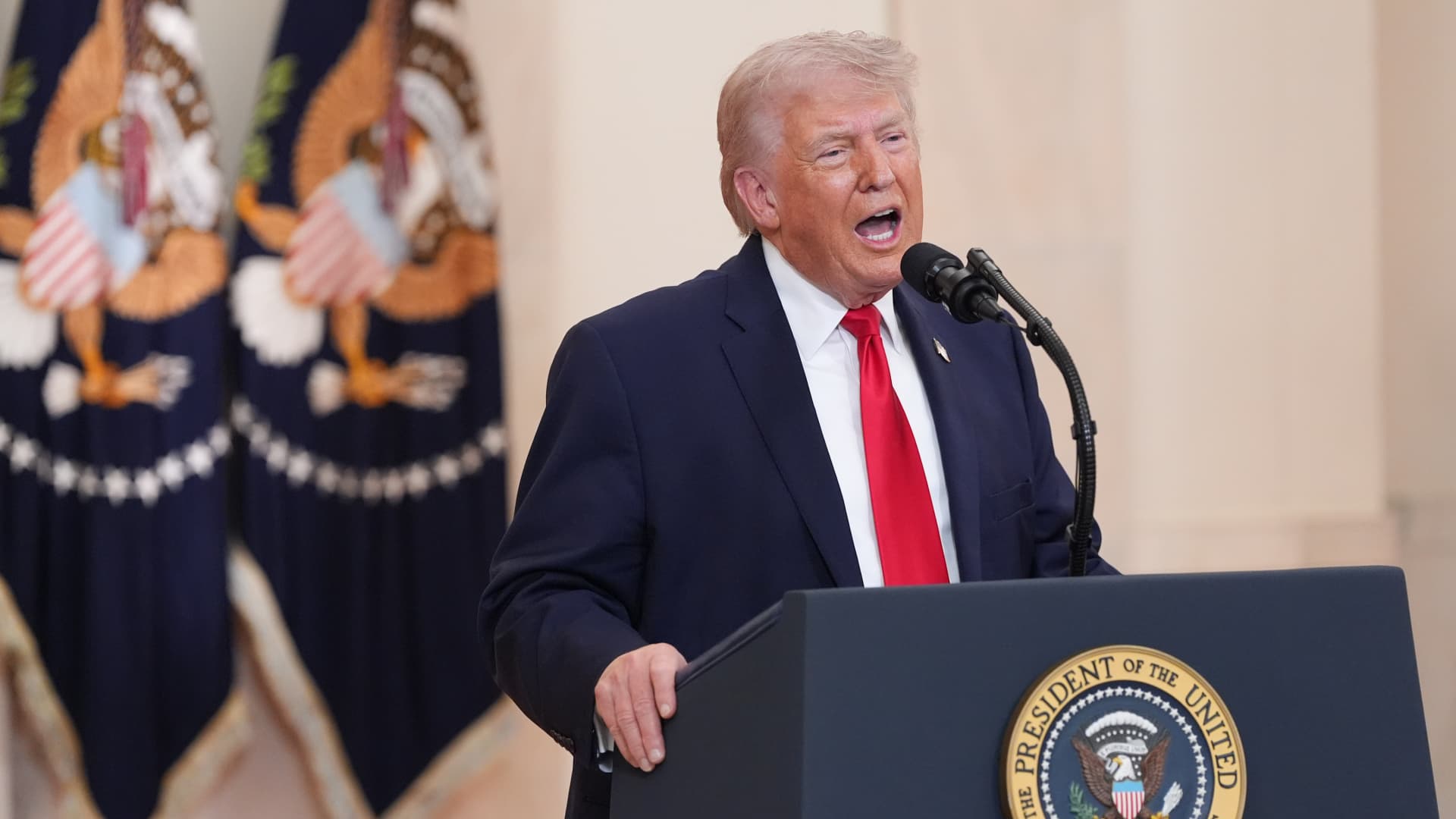
- Oil Price Surge Impact: Following President Trump's address on the Iran war, which raised escalation concerns, U.S. crude benchmark WTI surged 9% to $109 a barrel, putting downward pressure on the stock market and negatively affecting investor sentiment.
- Bank of America Upgrades Vale: Bank of America upgraded Vale from hold to buy, suggesting that now is an attractive entry point for investors in the iron ore producer, despite Vale's stock dropping nearly 7% since the Iran conflict began, while iron ore prices have risen about 8%.
- Wix's Outlook Downgraded: UBS downgraded Wix from buy to hold, with analysts believing its 2026 outlook indicates a slowdown in core business growth from 12% last year to 8% this year, and despite efforts to integrate AI capabilities, the company remains vulnerable to disruption by AI.
- Cheniere Energy Price Target Increased: Citigroup raised Cheniere Energy's price target from $280 to $330 while reiterating its buy rating, as supply disruptions in the Middle East could benefit U.S. LNG exports long-term, with shares up about 17% since the war began.
See More
Oil Price Surge Drives Energy Stocks Higher Amid Iran War Concerns


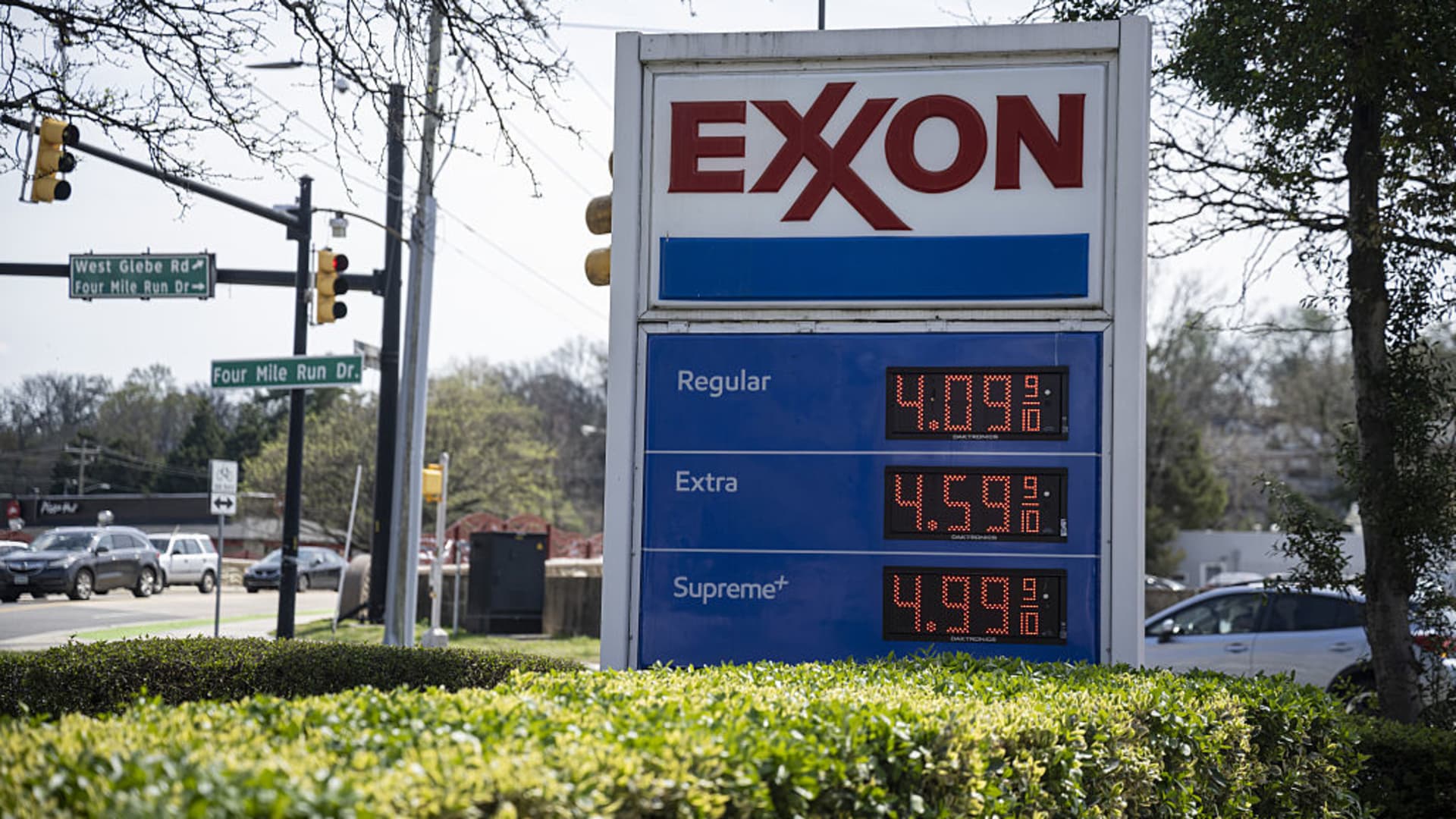
- Energy Stocks Surge: Following President Trump's speech, oil prices surged over 7%, leading to a 4.3% increase in APA shares, while Diamondback Energy, ConocoPhillips, Devon Energy, Exxon Mobil, and Chevron saw about 3% gains, indicating market optimism regarding energy demand.
- Cruise Stocks Decline: Major cruise operators like Carnival, Royal Caribbean, and Norwegian Cruise Line fell about 4% as Trump's speech failed to provide a clear path to end the Iran war, heightening concerns over demand.
- Airlines Under Pressure: Rising oil prices caused airline stocks to tumble, with Delta Air Lines, United Airlines, Southwest Airlines, and Alaska Air all dropping about 4%, reflecting the negative impact of high oil prices on airline profitability.
- Gold Miners Slide: After Trump's speech, gold prices fell 1%, leading to declines of about 5% for Newmont and Kinross Gold, and nearly 6% for Iamgold, indicating a weakening demand for safe-haven assets.
See More
US Stocks Close Mixed Amid Oil Surge and Economic Data
- Market Fluctuations: The S&P 500 Index closed up 0.11%, while the Dow Jones Industrial Average fell 0.13%, and the Nasdaq 100 Index rose 0.11%, reflecting volatility influenced by surging oil prices and economic data.
- Positive Economic Data: Weekly initial unemployment claims unexpectedly fell by 9,000 to 202,000, indicating a stronger labor market than the anticipated increase to 212,000, which could impact the Fed's interest rate policy.
- Impact of Oil Surge: Crude oil prices soared over 11% due to President Trump's tougher stance on Iran, leading to sharp declines in airline and cruise line stocks, with United Airlines and Carnival both down more than 3%.
- Corporate Developments: SBA Communications surged over 18% as it explores potential acquisition options, while Globalstar rose over 13% amid reports of Amazon's interest in acquiring the company, highlighting market focus on M&A activity.
See More
Stock Markets Pressured by Soaring Oil Prices
- Oil Price Surge Pressures Markets: Stock indexes are under pressure as crude oil prices soar over 8% following President Trump's aggressive stance on Iran, leading to a 0.06% drop in the S&P 500, a 0.23% decline in the Dow, and a 0.20% fall in the Nasdaq 100, indicating heightened inflation concerns among investors.
- Unexpected Jobless Claims Drop: Despite market pressures, initial jobless claims fell by 9,000 to 202,000, indicating a stronger labor market than anticipated, which may provide some support for stocks and alleviate investor fears of an economic slowdown.
- Divergent Energy Sector Performance: Energy producers like Diamondback Energy rose over 2% due to soaring WTI prices, while airline stocks such as American Airlines and Carnival fell more than 4% as rising fuel costs cut into profits, highlighting a clear divergence across sectors.
- Tech Stocks Decline: Chipmakers and AI infrastructure stocks retreated, with ARM Holdings leading the Nasdaq 100 down over 5%, reflecting waning confidence in tech stocks and potentially impacting future investment decisions.
See More
US Stocks Plummet as Oil Prices Surge
- Oil Price Surge: Crude oil prices soared over 13% as President Trump took a tougher stance on Iran, reaching a 3.5-week high, which not only heightened inflation fears but also pushed bond yields higher, with the 10-year T-note yield rising by 2 basis points to 4.34%.
- Unemployment Claims Drop: Weekly initial unemployment claims unexpectedly fell by 9,000 to 202,000, indicating a stronger labor market than the anticipated increase to 212,000, which could provide support for the stock market amid rising inflation concerns.
- Global Market Decline: Overseas stock markets are lower, with the Euro Stoxx 50 down 2.25%, China's Shanghai Composite down 0.74%, and Japan's Nikkei 225 sharply falling 2.38% from a two-week high, reflecting global economic uncertainty and investor caution.
- Airline Stocks Plummet: Airline stocks are sharply lower as crude oil prices surged over 10%, raising fuel costs; United Airlines and American Airlines Group both fell more than 6%, highlighting the direct impact of rising oil prices on airline profitability.
See More
Senate Advances Funding Bill for Homeland Security
- Funding Bill Advancement: The Senate advanced a funding bill for the Department of Homeland Security on April 2, aiming to end a month-long government shutdown that disrupted air travel significantly.
- House Inaction: Despite the Senate's progress, the House failed to take action on the bill during its own session, likely extending the partial government shutdown through the weekend and affecting federal workers' pay.
- Two-Track Funding Agreement: Senate Majority Leader John Thune and House Speaker Mike Johnson announced a two-track agreement to fund immigration enforcement and border security for the next three years, ensuring federal workers are paid.
- Trump's Support for Funding Replenishment: Trump expressed on social media his commitment to quickly replenish funding for border and ICE agents through budget priorities that do not require Democratic votes, although far-right House members oppose any legislation that excludes ICE and CBP funding.
See More
Market Watch: Oil Price Surge and Stock Market Turmoil
- Oil Price Surge Impact: Following President Trump's address on the Iran war, which raised escalation concerns, U.S. crude benchmark WTI surged 9% to $109 a barrel, putting downward pressure on the stock market and negatively affecting investor sentiment.
- Bank of America Upgrades Vale: Bank of America upgraded Vale from hold to buy, suggesting that now is an attractive entry point for investors in the iron ore producer, despite Vale's stock dropping nearly 7% since the Iran conflict began, while iron ore prices have risen about 8%.
- Wix's Outlook Downgraded: UBS downgraded Wix from buy to hold, with analysts believing its 2026 outlook indicates a slowdown in core business growth from 12% last year to 8% this year, and despite efforts to integrate AI capabilities, the company remains vulnerable to disruption by AI.
- Cheniere Energy Price Target Increased: Citigroup raised Cheniere Energy's price target from $280 to $330 while reiterating its buy rating, as supply disruptions in the Middle East could benefit U.S. LNG exports long-term, with shares up about 17% since the war began.
See More
Oil Price Surge Drives Energy Stocks Higher Amid Iran War Concerns
- Energy Stocks Surge: Following President Trump's speech, oil prices surged over 7%, leading to a 4.3% increase in APA shares, while Diamondback Energy, ConocoPhillips, Devon Energy, Exxon Mobil, and Chevron saw about 3% gains, indicating market optimism regarding energy demand.
- Cruise Stocks Decline: Major cruise operators like Carnival, Royal Caribbean, and Norwegian Cruise Line fell about 4% as Trump's speech failed to provide a clear path to end the Iran war, heightening concerns over demand.
- Airlines Under Pressure: Rising oil prices caused airline stocks to tumble, with Delta Air Lines, United Airlines, Southwest Airlines, and Alaska Air all dropping about 4%, reflecting the negative impact of high oil prices on airline profitability.
- Gold Miners Slide: After Trump's speech, gold prices fell 1%, leading to declines of about 5% for Newmont and Kinross Gold, and nearly 6% for Iamgold, indicating a weakening demand for safe-haven assets.
See More