American Airlines Expects Domestic Revenue to Grow Over 10% in Q2
Speaking on the company's Q1 earnings call, executives from American stated: "Looking ahead to the second quarter, demand across all cabins and entities remains robust. We expect domestic unit revenue to grow more than 10% in the second quarter. Internationally, we expect all entities to deliver positive unit revenue performance led by continued strength in the Atlantic region, which we expect to be up high single digits. Second quarter capacity is about a point below our initial plans, as we have suspended flying to Tel Aviv and Doha, have reduced planned capacity in Chicago and have further decreased some other marginal flying in the face of higher fuel. Further reductions in the very near term do not make economic sense given the current demand environment as we enter our summer peak, but as we move beyond the summer peak, we will be sharp with capacity in light of the current fuel environment."
Trade with 70% Backtested Accuracy
Analyst Views on AAL

About AAL
About the author

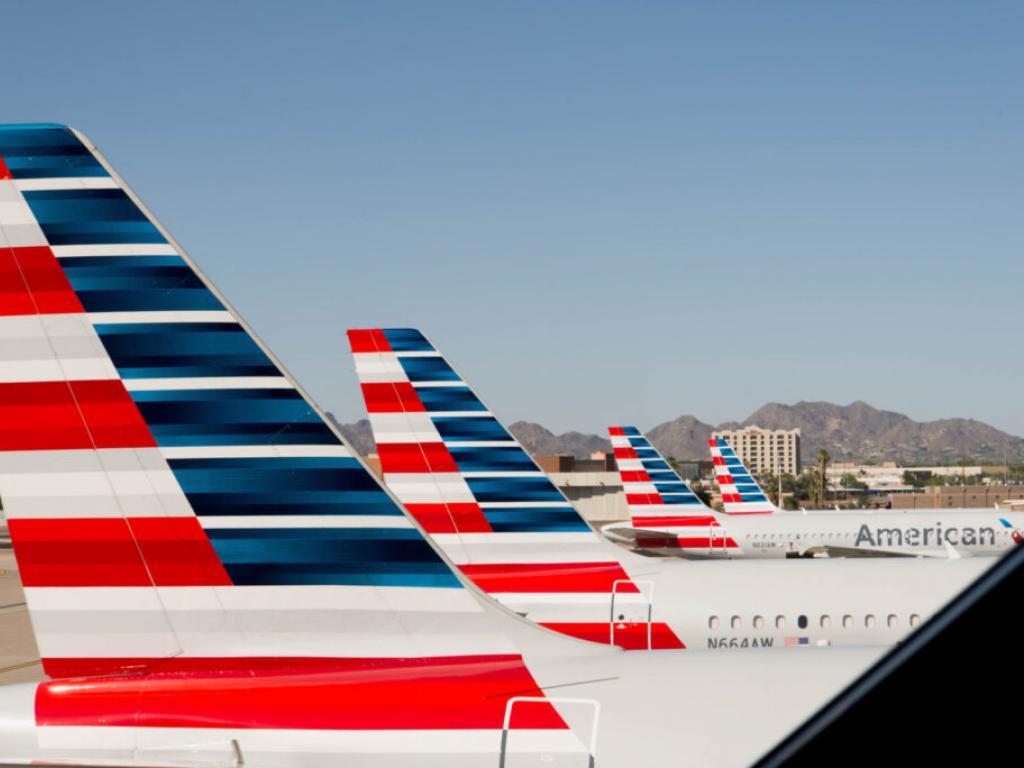
American Airlines Raises $1.14 Billion Through Aircraft-Backed Securities
- Funding Amount: American Airlines is raising a total of $1.14 billion through the sale of aircraft-backed securities, which will be used to fund the acquisition of new planes, refinance existing aircraft loans, and support general corporate needs, indicating proactive liquidity management by the company.
- Market Context: Amid U.S. airlines cutting capacity and slashing profit forecasts, the rapid increase in fuel prices poses significant cost pressures, with the airline expecting its jet fuel expenses to exceed $4 billion this year, further impacting profitability.
- Debt Security Details: The financing consists of two debt securities, with the longer-term security raising $905 million rated 'A' by S&P Global Ratings, while the shorter security worth $235.8 million is rated 'BBB', reflecting market confidence in American Airlines.
- Credit Rating: Although American Airlines holds an overall credit rating of B+, the issuance of enhanced equipment trust certificates allows the company to borrow from investment-grade markets, showcasing flexibility and adaptability in its financing strategy.

US Stocks Fluctuate Slightly, Tech Stocks Reach New All-Time Highs


- Tech Stock Surge: The S&P 500 and Nasdaq 100 indices rose by 0.12% and 0.01% respectively on Monday, reaching all-time highs, reflecting strong market optimism regarding AI infrastructure demand, which is expected to boost technology earnings.
- Oil Price Impact: WTI crude oil prices surged over 2%, exerting downward pressure on the market as President Trump canceled negotiations with Iran, raising inflation expectations that could affect the broader economic landscape.
- Rising Treasury Yields: The 10-year Treasury yield increased to 4.337% due to rising inflation expectations from higher oil prices, with markets anticipating the Fed will keep rates unchanged this week while awaiting further developments in oil prices and inflation.
- Health Insurance Stocks Rally: Health insurance stocks such as Centene, Elevance Health, and Humana all rose over 3% on Monday, providing support to the overall market and demonstrating resilience in the sector amid the current economic environment.

US Stocks Dip as Rising Oil Prices Pressure Markets
- Oil Price Impact: WTI crude oil prices surged over 2%, contributing to a 0.12% drop in the S&P 500, a 0.14% decline in the Dow Jones, and a 0.30% fall in the Nasdaq 100, indicating the direct influence of oil price fluctuations on the stock market.
- US-Iran Tensions: President Trump canceled negotiations with Iran, escalating market concerns over Middle Eastern tensions, as Iranian President stated they would not negotiate under threats, potentially exacerbating the global energy crisis.
- Tech Stock Divergence: Despite the overall market decline, news of Qualcomm collaborating with OpenAI and MediaTek to develop smartphone processors buoyed chip and AI infrastructure stocks, with Micron and SanDisk receiving buy ratings, showcasing resilience in the tech sector.
- Economic Data Influence: The German consumer confidence index fell to a 3.25-year low, indicating signs of economic weakness, while markets expect the Fed to keep rates unchanged this week, reflecting a cautious outlook on future economic developments.
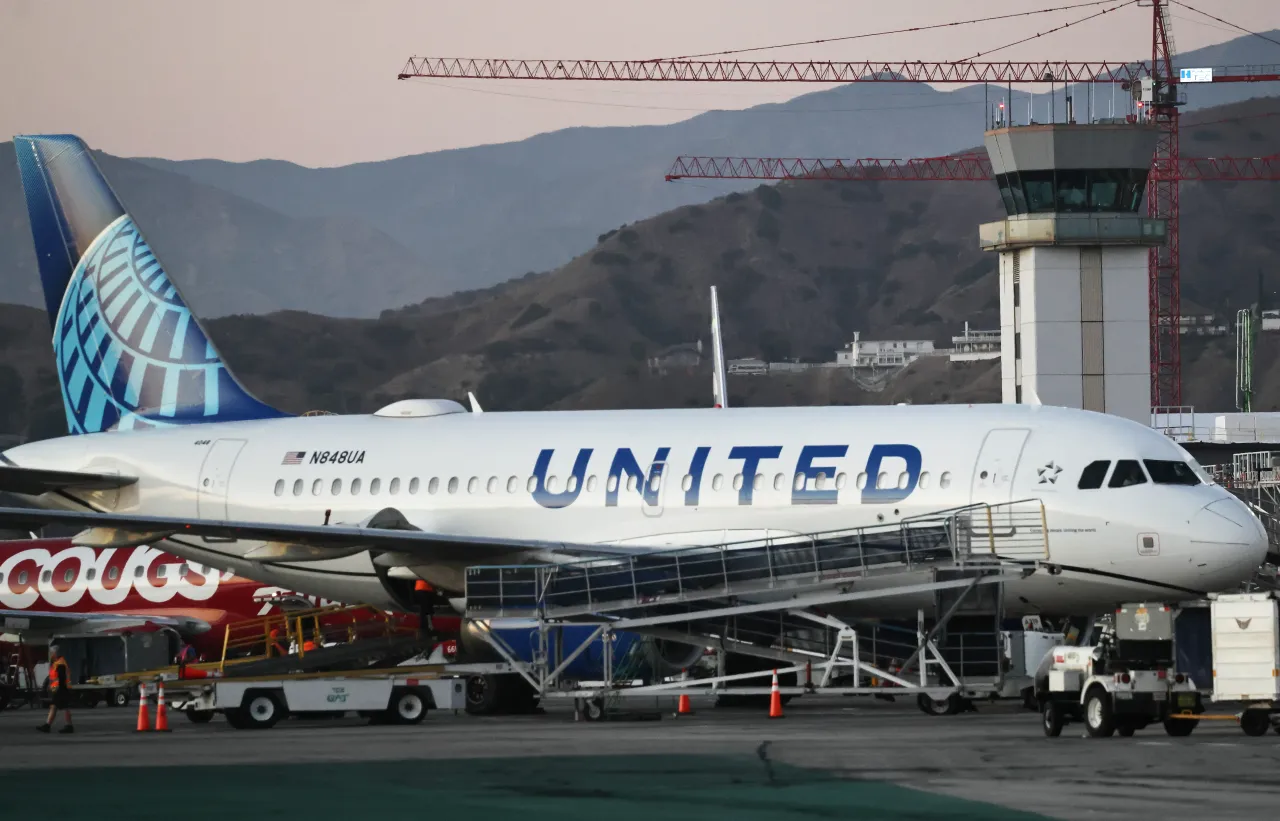
United Airlines CEO Confirms End of Merger Talks with American Airlines
- Merger Talks Ended: United Airlines CEO Scott Kirby confirmed that discussions with American Airlines regarding a merger have concluded, despite his belief that such a combination would significantly benefit customers and communities; American Airlines declined to engage further, highlighting strategic differences between the two companies.
- Market Competition Insight: Kirby noted that foreign-flagged airlines account for 65% of long-haul flights into the U.S., with only 40% of those passengers being foreign citizens, suggesting that a merger would enhance market competitiveness by increasing economy seat availability rather than restricting capacity.
- Analyst Rating Upgrades: UBS analyst raised United Airlines' price target from $135 to $139 while maintaining a 'Buy' rating, indicating optimistic market expectations for United's future performance, even as its shares have fallen over 17% year-to-date.
- Retail Trader Sentiment: On Stocktwits, sentiment surrounding United Airlines remains 'extremely bullish', while American Airlines also enjoys 'extremely bullish' sentiment, reflecting investor confidence in the airline industry's recovery prospects, despite both companies experiencing stock price declines.
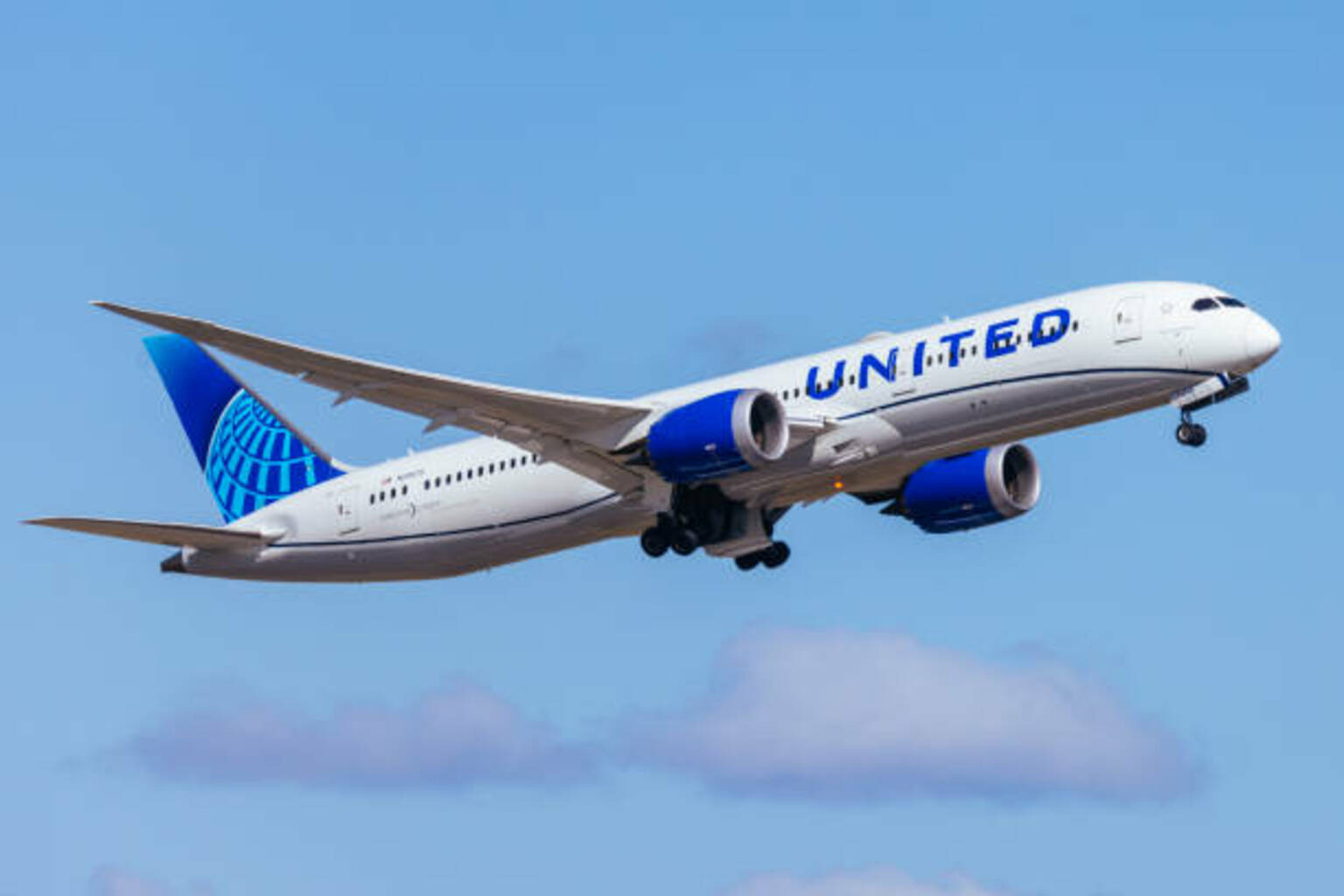
United Airlines CEO Confirms Merger Talks with American Airlines Ended
- Merger Talks Confirmed: United Airlines CEO Scott Kirby confirmed that he approached American Airlines about a merger in the past two weeks, and although American declined to engage further, Kirby believes that a merger would greatly benefit customers, reflecting his positive outlook on industry consolidation.
- Market Potential Outlook: Kirby emphasized that a merger between United and American would create a new, globally leading U.S. airline with enhanced competitive strength, capable of unlocking unprecedented opportunities for customers, employees, and the communities served, showcasing his confidence in the future of the aviation industry.
- Strong Stock Performance: United Airlines' shares have risen 34.7% over the past 52 weeks, while American Airlines has increased by 25.9%, with the Dow Jones U.S. Airlines Index up 40.0%, indicating a robust recovery in the airline sector and investor optimism.
- Clear Strategic Goals: Despite the end of talks with American Airlines, Kirby reiterated United's commitment to building the greatest airline in aviation history, demonstrating the company's firm resolve in pursuing growth and market leadership.
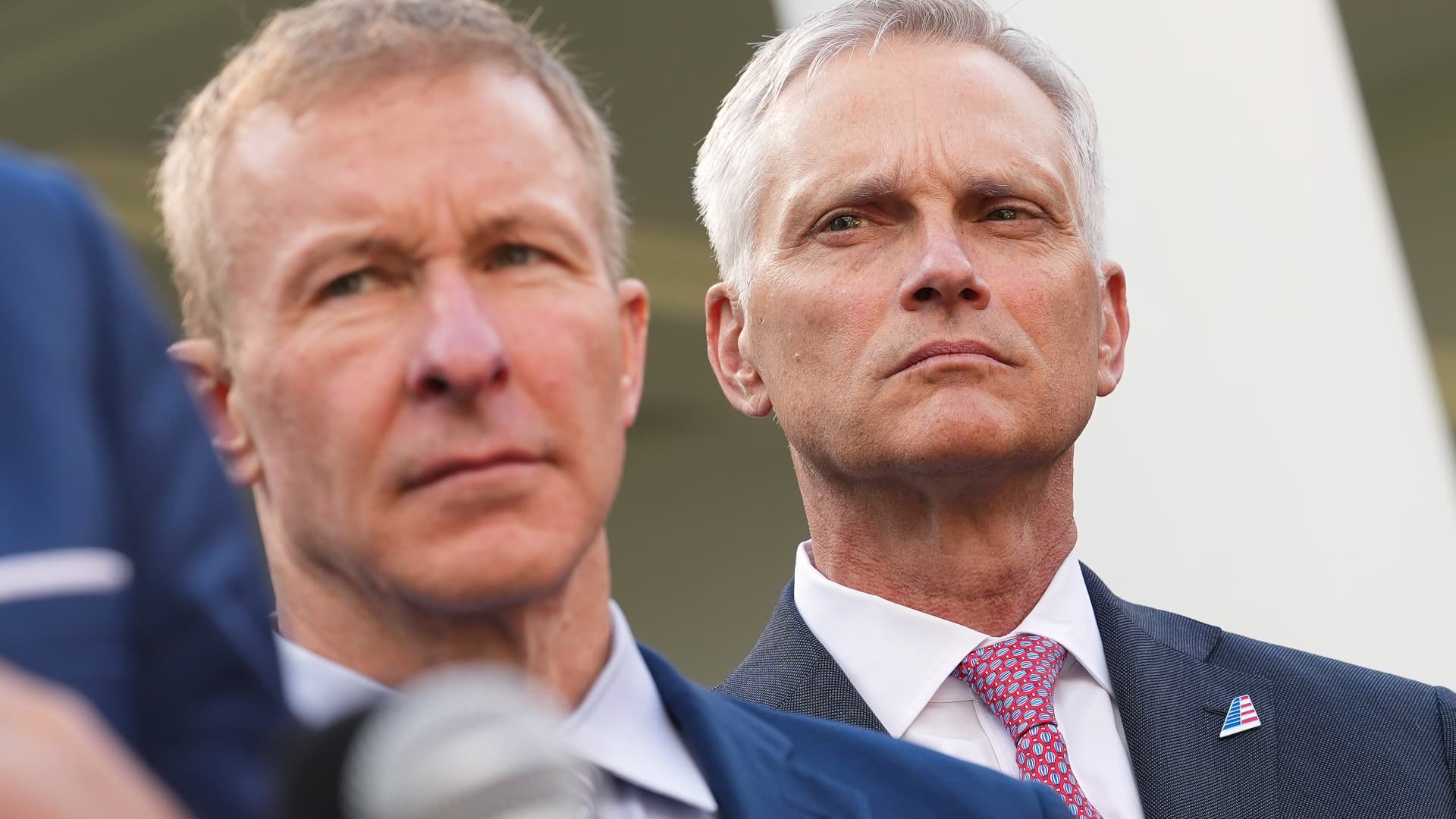
United Airlines Merger Proposal with American Airlines Rejected
- Merger Proposal Rejected: United Airlines CEO Scott Kirby confirmed he approached American Airlines about a merger, which was rejected; Kirby aimed to enhance customer service, while American Airlines CEO Robert Isom deemed it detrimental to customers and anti-competitive.
- Regulatory Approval Confidence: Kirby had pitched the merger idea to the Trump administration, believing it would create a stronger global airline to compete with foreign rivals, yet American Airlines' rejection did not deter his confidence in regulatory approval.
- Market Competition Pressure: Kirby highlighted that a merger between United and American would better position them against foreign airlines, which currently dominate over half of the long-haul seat market in the U.S., indicating significant competitive pressures in the domestic airline industry.
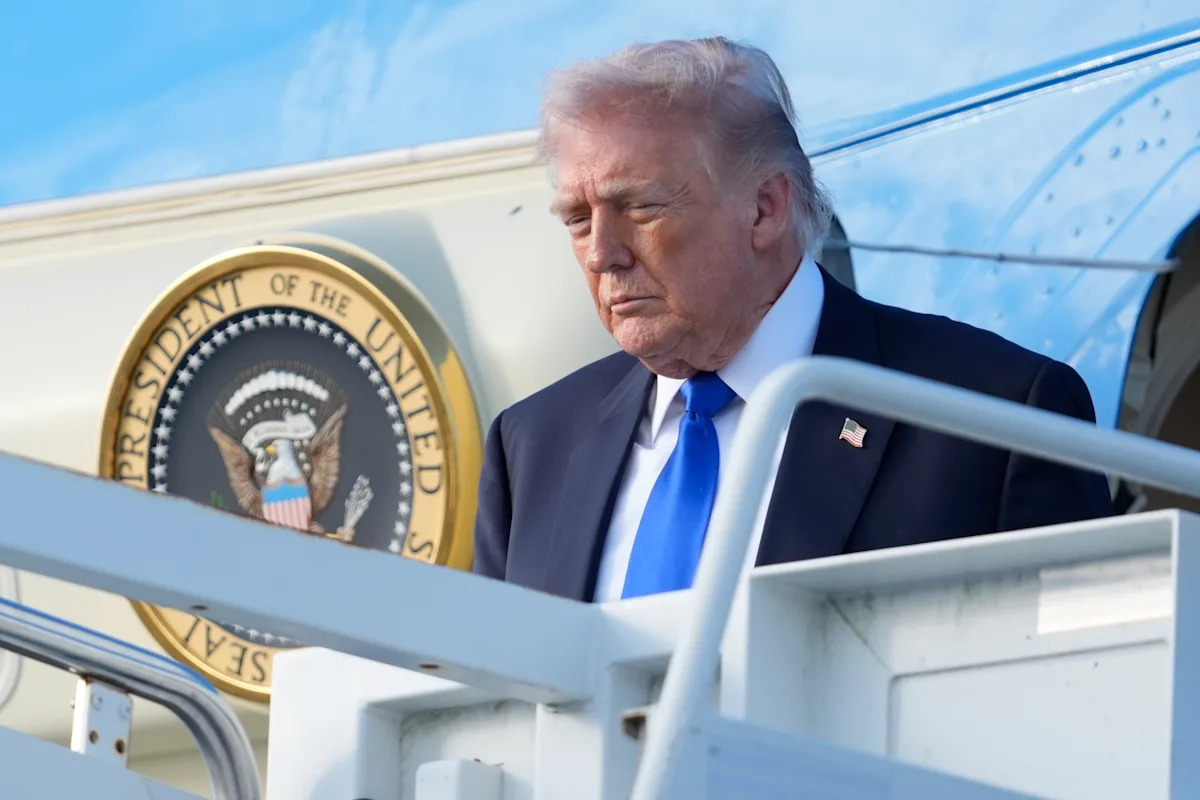
- Trump Opposes Merger: President Trump expressed his opposition to the merger last week, although he showed interest in a potential acquisition of struggling discount carrier Spirit, reflecting the government's complex stance on airline industry consolidation.
American Airlines Raises $1.14 Billion Through Aircraft-Backed Securities
- Funding Amount: American Airlines is raising a total of $1.14 billion through the sale of aircraft-backed securities, which will be used to fund the acquisition of new planes, refinance existing aircraft loans, and support general corporate needs, indicating proactive liquidity management by the company.
- Market Context: Amid U.S. airlines cutting capacity and slashing profit forecasts, the rapid increase in fuel prices poses significant cost pressures, with the airline expecting its jet fuel expenses to exceed $4 billion this year, further impacting profitability.
- Debt Security Details: The financing consists of two debt securities, with the longer-term security raising $905 million rated 'A' by S&P Global Ratings, while the shorter security worth $235.8 million is rated 'BBB', reflecting market confidence in American Airlines.
- Credit Rating: Although American Airlines holds an overall credit rating of B+, the issuance of enhanced equipment trust certificates allows the company to borrow from investment-grade markets, showcasing flexibility and adaptability in its financing strategy.
US Stocks Fluctuate Slightly, Tech Stocks Reach New All-Time Highs
- Tech Stock Surge: The S&P 500 and Nasdaq 100 indices rose by 0.12% and 0.01% respectively on Monday, reaching all-time highs, reflecting strong market optimism regarding AI infrastructure demand, which is expected to boost technology earnings.
- Oil Price Impact: WTI crude oil prices surged over 2%, exerting downward pressure on the market as President Trump canceled negotiations with Iran, raising inflation expectations that could affect the broader economic landscape.
- Rising Treasury Yields: The 10-year Treasury yield increased to 4.337% due to rising inflation expectations from higher oil prices, with markets anticipating the Fed will keep rates unchanged this week while awaiting further developments in oil prices and inflation.
- Health Insurance Stocks Rally: Health insurance stocks such as Centene, Elevance Health, and Humana all rose over 3% on Monday, providing support to the overall market and demonstrating resilience in the sector amid the current economic environment.
US Stocks Dip as Rising Oil Prices Pressure Markets
- Oil Price Impact: WTI crude oil prices surged over 2%, contributing to a 0.12% drop in the S&P 500, a 0.14% decline in the Dow Jones, and a 0.30% fall in the Nasdaq 100, indicating the direct influence of oil price fluctuations on the stock market.
- US-Iran Tensions: President Trump canceled negotiations with Iran, escalating market concerns over Middle Eastern tensions, as Iranian President stated they would not negotiate under threats, potentially exacerbating the global energy crisis.
- Tech Stock Divergence: Despite the overall market decline, news of Qualcomm collaborating with OpenAI and MediaTek to develop smartphone processors buoyed chip and AI infrastructure stocks, with Micron and SanDisk receiving buy ratings, showcasing resilience in the tech sector.
- Economic Data Influence: The German consumer confidence index fell to a 3.25-year low, indicating signs of economic weakness, while markets expect the Fed to keep rates unchanged this week, reflecting a cautious outlook on future economic developments.
United Airlines CEO Confirms End of Merger Talks with American Airlines
- Merger Talks Ended: United Airlines CEO Scott Kirby confirmed that discussions with American Airlines regarding a merger have concluded, despite his belief that such a combination would significantly benefit customers and communities; American Airlines declined to engage further, highlighting strategic differences between the two companies.
- Market Competition Insight: Kirby noted that foreign-flagged airlines account for 65% of long-haul flights into the U.S., with only 40% of those passengers being foreign citizens, suggesting that a merger would enhance market competitiveness by increasing economy seat availability rather than restricting capacity.
- Analyst Rating Upgrades: UBS analyst raised United Airlines' price target from $135 to $139 while maintaining a 'Buy' rating, indicating optimistic market expectations for United's future performance, even as its shares have fallen over 17% year-to-date.
- Retail Trader Sentiment: On Stocktwits, sentiment surrounding United Airlines remains 'extremely bullish', while American Airlines also enjoys 'extremely bullish' sentiment, reflecting investor confidence in the airline industry's recovery prospects, despite both companies experiencing stock price declines.
United Airlines CEO Confirms Merger Talks with American Airlines Ended
- Merger Talks Confirmed: United Airlines CEO Scott Kirby confirmed that he approached American Airlines about a merger in the past two weeks, and although American declined to engage further, Kirby believes that a merger would greatly benefit customers, reflecting his positive outlook on industry consolidation.
- Market Potential Outlook: Kirby emphasized that a merger between United and American would create a new, globally leading U.S. airline with enhanced competitive strength, capable of unlocking unprecedented opportunities for customers, employees, and the communities served, showcasing his confidence in the future of the aviation industry.
- Strong Stock Performance: United Airlines' shares have risen 34.7% over the past 52 weeks, while American Airlines has increased by 25.9%, with the Dow Jones U.S. Airlines Index up 40.0%, indicating a robust recovery in the airline sector and investor optimism.
- Clear Strategic Goals: Despite the end of talks with American Airlines, Kirby reiterated United's commitment to building the greatest airline in aviation history, demonstrating the company's firm resolve in pursuing growth and market leadership.
United Airlines Merger Proposal with American Airlines Rejected
- Merger Proposal Rejected: United Airlines CEO Scott Kirby confirmed he approached American Airlines about a merger, which was rejected; Kirby aimed to enhance customer service, while American Airlines CEO Robert Isom deemed it detrimental to customers and anti-competitive.
- Regulatory Approval Confidence: Kirby had pitched the merger idea to the Trump administration, believing it would create a stronger global airline to compete with foreign rivals, yet American Airlines' rejection did not deter his confidence in regulatory approval.
- Market Competition Pressure: Kirby highlighted that a merger between United and American would better position them against foreign airlines, which currently dominate over half of the long-haul seat market in the U.S., indicating significant competitive pressures in the domestic airline industry.
- Trump Opposes Merger: President Trump expressed his opposition to the merger last week, although he showed interest in a potential acquisition of struggling discount carrier Spirit, reflecting the government's complex stance on airline industry consolidation.