AMD Shares Surge as Stifel Raises Price Target by 17%
Written by Emily J. Thompson, Senior Investment Analyst
Updated: 4 days ago
0mins
Should l Buy AMD?
Source: stocktwits
- Price Target Increase: Stifel raised AMD's price target from $280 to $320, implying a 17% upside over the next 12 months, reflecting strong analyst confidence in the company's future performance.
- AI Market Potential: Bank of America analysts estimate that each gigawatt of installed AI capacity could add $15 to $20 billion in net revenue for AMD, highlighting the company's significant growth potential in the AI chip market and further solidifying its market position.
- Data Center Revenue Growth: AMD's data center revenue reached $16.6 billion in 2025, a 32% year-over-year increase, and while still far behind Nvidia's $130.5 billion revenue, analysts remain optimistic about AMD's future growth prospects.
- Optimistic Market Sentiment: AMD shares hit record highs on Tuesday and extended gains in after-hours trading amid broader market optimism about AI chip demand, bolstered by the extension of the ceasefire agreement between the U.S. and Iran.
Trade with 70% Backtested Accuracy
Stop guessing "Should I Buy AMD?" and start using high-conviction signals backed by rigorous historical data.
Sign up today to access powerful investing tools and make smarter, data-driven decisions.
Analyst Views on AMD
Wall Street analysts forecast AMD stock price to fall
33 Analyst Rating
25 Buy
8 Hold
0 Sell
Strong Buy
Current: 305.330

Low
210.00
Averages
289.13
High
377.00
Current: 305.330
Low
210.00
Averages
289.13
High
377.00
About AMD
Advanced Micro Devices, Inc. is a global semiconductor company. The Company is focused on high-performance computing and artificial intelligence (AI). Its segments include Data Center, Client and Gaming, and Embedded. Data Center segment includes AI accelerators, microprocessors (CPUs) for servers, graphics processing units (GPUs), accelerated processing units (APUs), data processing units (DPUs), Field Programmable Gate Arrays (FPGAs), and Adaptive system-on-Chip (SoC) products for data centers. Client and Gaming segment includes CPUs, APUs, chipsets for desktops and notebooks, discrete GPUs, and semi-custom SoC products and development services. Embedded segment includes embedded CPUs, APUs, FPGAs, system on modules (SOMs), and Adaptive SoC products. It markets and sells its products under the AMD trademark. Its products include AMD EPYC, AMD Ryzen, AMD Ryzen PRO, Virtex UltraScale+, among others.
About the author

Emily J. Thompson
Emily J. Thompson, a Chartered Financial Analyst (CFA) with 12 years in investment research, graduated with honors from the Wharton School. Specializing in industrial and technology stocks, she provides in-depth analysis for Intellectia’s earnings and market brief reports.
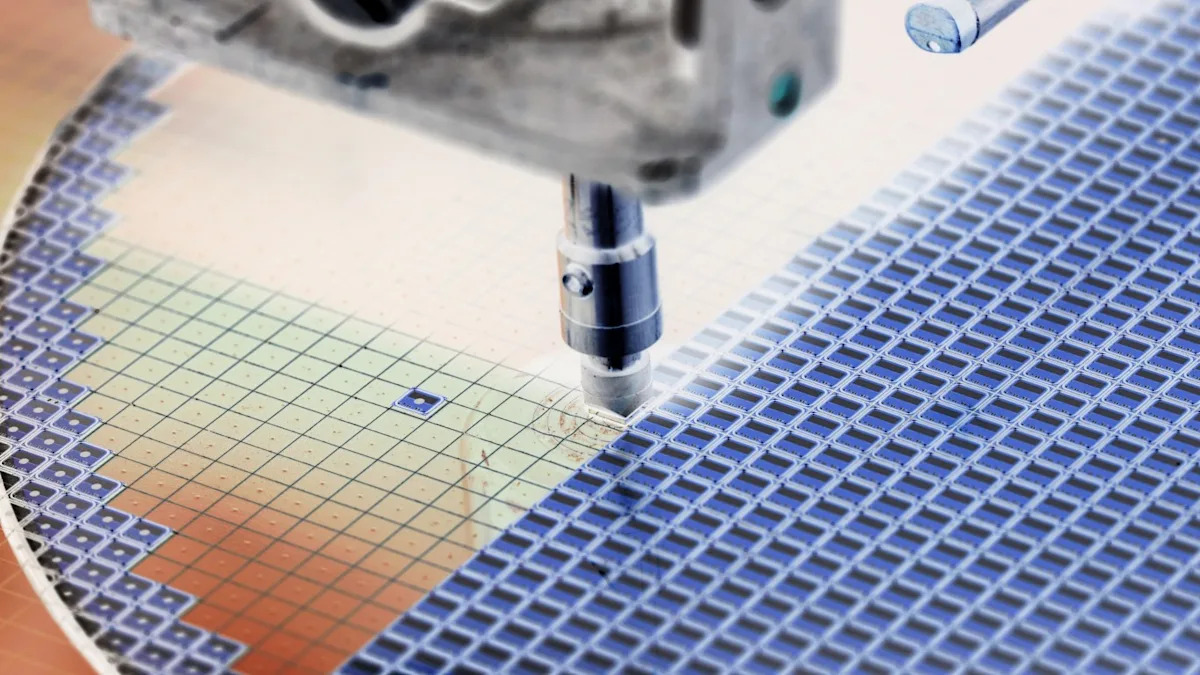
Valuation Discrepancy Analysis Between Nvidia and AMD


- Valuation Comparison: Nvidia trades at a forward P/E of 22-25x with expected growth of 25-35%, while AMD commands 35-45x earnings with projected growth of 30-40%, making Nvidia appear more attractive on a growth-adjusted basis.
- Market Performance: Since the AI boom began in late 2022, Nvidia's stock has surged over 1,100%, compared to AMD's approximately 350% increase, reflecting Nvidia's lead in optimizing GPUs for AI workloads.
- Growth Expectations: While Nvidia's growth is seen as sustainable, market concerns about its future growth rate have pressured its valuation, whereas AMD benefits from a premium due to the potential expansion of its AI business.
- Investor Decision-Making: Investors must choose between Nvidia's stable growth and AMD's higher-risk, higher-reward profile, with the former offering better risk-adjusted opportunities and the latter potentially yielding greater returns.
See More
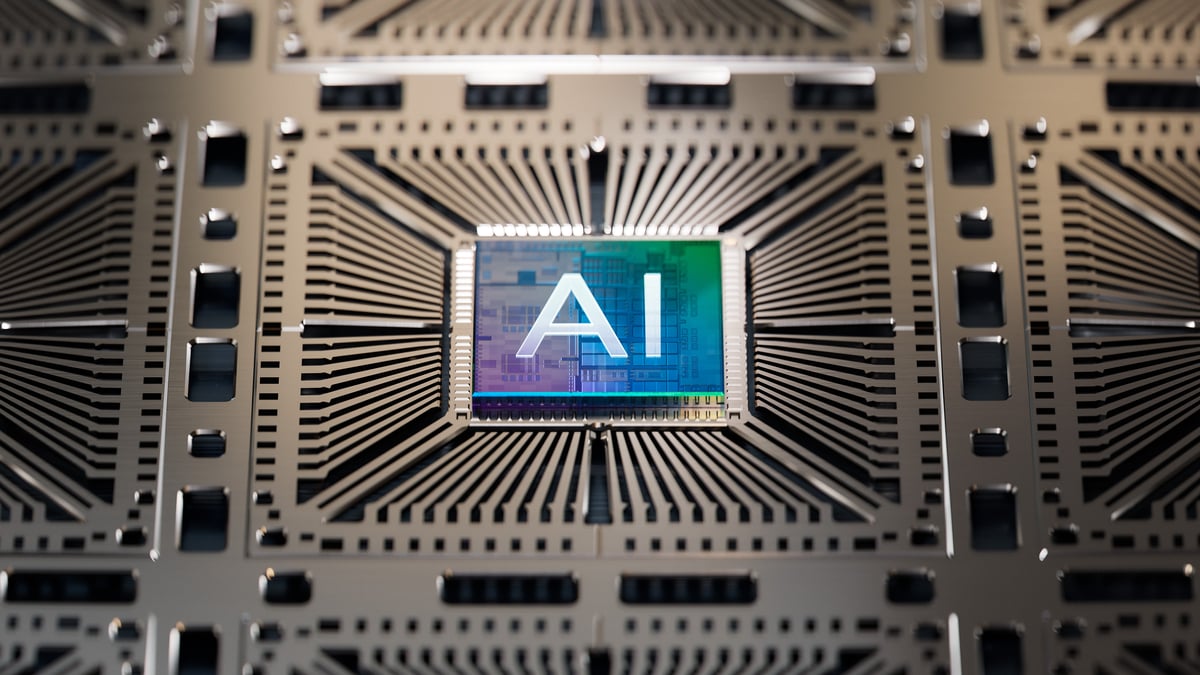
Taiwan Semiconductor Leads AI Chip Market Growth


- Market Leadership: Taiwan Semiconductor has become the world's most valuable company due to its critical role in AI chip manufacturing, with a 26% stock price increase in 2023, reflecting its strong performance in the rapidly growing AI market.
- Expanding Customer Base: Taiwan Semiconductor manufactures chips not only for Nvidia but also for AMD and Broadcom, ensuring its central position in the AI boom and driving sustained revenue growth.
- Financial Robustness: The company's balance sheet shows strong financial health with total current assets of $133 billion, including $94.7 billion in cash, and liabilities of $53.5 billion, resulting in a current ratio of 2.49, supporting future growth opportunities.
- Revenue Growth Outlook: Taiwan Semiconductor anticipates a 10.3% revenue growth in Q2, reflecting its ongoing profitability and strong market demand amid surging AI chip requirements, further solidifying its market position.
See More

Taiwan Semiconductor Fuels AI Chip Market Growth
- Significant Revenue Growth: Taiwan Semiconductor has achieved an 18.6% compound annual growth rate since its 1994 listing, with a remarkable 35.1% year-over-year revenue growth in Q1 2023, underscoring its strong performance amid surging AI chip demand and solidifying its market leadership.
- Rising Profit Margins: The company reported a 58.3% year-over-year net income growth in Q1, indicating its successful enhancement of profit margins while meeting the demands of clients like Nvidia, AMD, and Broadcom, thereby strengthening its financial robustness.
- Strong Balance Sheet: Taiwan Semiconductor boasts total current assets of $133 billion, with $94.7 billion in cash and cash equivalents against $53.5 billion in liabilities, resulting in a 2.49 current ratio that allows it to pursue growth opportunities without financial constraints.
- Outstanding Market Performance: As of April 23, 2023, Taiwan Semiconductor's stock has risen 26% year-to-date, outperforming the S&P 500, reflecting its critical role in the AI chip market and the confidence of investors in its growth trajectory.
See More

AMD, Broadcom, and Micron's AI Opportunities

- AMD's Growth Potential: AMD is uniquely positioned to benefit from the shift towards inference and agentic AI, leveraging its ROCm software and MI450 GPU chip design to enter the data center GPU market, with growth expected from partnerships with OpenAI and Meta.
- Broadcom's Market Leadership: As a leader in ASIC technology, Broadcom projects $100 billion in AI chip sales by 2027, driven by its collaboration with Alphabet on TPUs and a $21 billion order from Anthropic.
- Micron's DRAM Shortage: As one of the top three DRAM manufacturers, Micron is experiencing strong revenue growth due to an AI-driven DRAM shortage, with increasing HBM demand expected to tighten the market further and enhance overall gross margins.
- Impact of AI Infrastructure: With the rapid expansion of AI infrastructure, Micron and its competitors are securing long-term HBM contracts, which is anticipated to reduce business cyclicality and raise the overall market floor.
See More

Investment Opportunities in AI Stocks
- AMD's Growth Potential: AMD's stock rose by 13.85% to $42.28, with a market cap of $567 billion, benefiting from its leadership in inference and agentic AI, which is expected to drive further growth in the data center CPU market.
- Broadcom's Market Leadership: Broadcom's stock increased by 0.62% to $422.53, with a market cap of $2 trillion, projecting $100 billion in AI chip sales by 2027, showcasing strong growth potential in ASIC technology and the TPU market.
- Micron's Memory Market Advantage: Micron's stock rose by 3.03% to $14.60, with a market cap of $560 billion, capitalizing on the AI-driven DRAM shortage, which is expected to boost revenue growth and improve gross margins.
- Demand for AI Infrastructure: As AI computing power increases, demand for HBM surges, with Micron and its competitors locking in long-term HBM deals, expected to reduce business cyclicality and raise the overall market floor.
See More

AI Chip Market Growth Opportunities Ahead

- Nvidia's Market Position: Nvidia, with a market cap of approximately $4.9 trillion, dominates the tech sector with its popular AI chips, although analysts project a slowdown in growth with a CAGR of 26.2% through 2028.
- Broadcom's Strong Growth: Broadcom is expected to achieve a revenue CAGR of 35.6% over the next few years, significantly outpacing Nvidia, with the CEO stating that chip revenue could exceed $100 billion by 2027, highlighting the immense potential in the custom chip market.
- AMD's Competitive Edge: AMD is projected to have a revenue CAGR of 35.2% by 2028, bolstered by key partnerships with OpenAI and Meta, with the CEO indicating that the launch of the MI450 GPU could be a pivotal moment for the company.
- Marvell's Promising Outlook: Marvell, with a market cap of around $130 billion, is the smallest company on this list but plays a crucial role in custom chip development, with analysts forecasting a revenue CAGR of 30.3%, and its stock has tripled in value over the past year.
See More
Valuation Discrepancy Analysis Between Nvidia and AMD
- Valuation Comparison: Nvidia trades at a forward P/E of 22-25x with expected growth of 25-35%, while AMD commands 35-45x earnings with projected growth of 30-40%, making Nvidia appear more attractive on a growth-adjusted basis.
- Market Performance: Since the AI boom began in late 2022, Nvidia's stock has surged over 1,100%, compared to AMD's approximately 350% increase, reflecting Nvidia's lead in optimizing GPUs for AI workloads.
- Growth Expectations: While Nvidia's growth is seen as sustainable, market concerns about its future growth rate have pressured its valuation, whereas AMD benefits from a premium due to the potential expansion of its AI business.
- Investor Decision-Making: Investors must choose between Nvidia's stable growth and AMD's higher-risk, higher-reward profile, with the former offering better risk-adjusted opportunities and the latter potentially yielding greater returns.
See More
Taiwan Semiconductor Leads AI Chip Market Growth
- Market Leadership: Taiwan Semiconductor has become the world's most valuable company due to its critical role in AI chip manufacturing, with a 26% stock price increase in 2023, reflecting its strong performance in the rapidly growing AI market.
- Expanding Customer Base: Taiwan Semiconductor manufactures chips not only for Nvidia but also for AMD and Broadcom, ensuring its central position in the AI boom and driving sustained revenue growth.
- Financial Robustness: The company's balance sheet shows strong financial health with total current assets of $133 billion, including $94.7 billion in cash, and liabilities of $53.5 billion, resulting in a current ratio of 2.49, supporting future growth opportunities.
- Revenue Growth Outlook: Taiwan Semiconductor anticipates a 10.3% revenue growth in Q2, reflecting its ongoing profitability and strong market demand amid surging AI chip requirements, further solidifying its market position.
See More
Taiwan Semiconductor Fuels AI Chip Market Growth
- Significant Revenue Growth: Taiwan Semiconductor has achieved an 18.6% compound annual growth rate since its 1994 listing, with a remarkable 35.1% year-over-year revenue growth in Q1 2023, underscoring its strong performance amid surging AI chip demand and solidifying its market leadership.
- Rising Profit Margins: The company reported a 58.3% year-over-year net income growth in Q1, indicating its successful enhancement of profit margins while meeting the demands of clients like Nvidia, AMD, and Broadcom, thereby strengthening its financial robustness.
- Strong Balance Sheet: Taiwan Semiconductor boasts total current assets of $133 billion, with $94.7 billion in cash and cash equivalents against $53.5 billion in liabilities, resulting in a 2.49 current ratio that allows it to pursue growth opportunities without financial constraints.
- Outstanding Market Performance: As of April 23, 2023, Taiwan Semiconductor's stock has risen 26% year-to-date, outperforming the S&P 500, reflecting its critical role in the AI chip market and the confidence of investors in its growth trajectory.
See More
AMD, Broadcom, and Micron's AI Opportunities
- AMD's Growth Potential: AMD is uniquely positioned to benefit from the shift towards inference and agentic AI, leveraging its ROCm software and MI450 GPU chip design to enter the data center GPU market, with growth expected from partnerships with OpenAI and Meta.
- Broadcom's Market Leadership: As a leader in ASIC technology, Broadcom projects $100 billion in AI chip sales by 2027, driven by its collaboration with Alphabet on TPUs and a $21 billion order from Anthropic.
- Micron's DRAM Shortage: As one of the top three DRAM manufacturers, Micron is experiencing strong revenue growth due to an AI-driven DRAM shortage, with increasing HBM demand expected to tighten the market further and enhance overall gross margins.
- Impact of AI Infrastructure: With the rapid expansion of AI infrastructure, Micron and its competitors are securing long-term HBM contracts, which is anticipated to reduce business cyclicality and raise the overall market floor.
See More
Investment Opportunities in AI Stocks
- AMD's Growth Potential: AMD's stock rose by 13.85% to $42.28, with a market cap of $567 billion, benefiting from its leadership in inference and agentic AI, which is expected to drive further growth in the data center CPU market.
- Broadcom's Market Leadership: Broadcom's stock increased by 0.62% to $422.53, with a market cap of $2 trillion, projecting $100 billion in AI chip sales by 2027, showcasing strong growth potential in ASIC technology and the TPU market.
- Micron's Memory Market Advantage: Micron's stock rose by 3.03% to $14.60, with a market cap of $560 billion, capitalizing on the AI-driven DRAM shortage, which is expected to boost revenue growth and improve gross margins.
- Demand for AI Infrastructure: As AI computing power increases, demand for HBM surges, with Micron and its competitors locking in long-term HBM deals, expected to reduce business cyclicality and raise the overall market floor.
See More
AI Chip Market Growth Opportunities Ahead
- Nvidia's Market Position: Nvidia, with a market cap of approximately $4.9 trillion, dominates the tech sector with its popular AI chips, although analysts project a slowdown in growth with a CAGR of 26.2% through 2028.
- Broadcom's Strong Growth: Broadcom is expected to achieve a revenue CAGR of 35.6% over the next few years, significantly outpacing Nvidia, with the CEO stating that chip revenue could exceed $100 billion by 2027, highlighting the immense potential in the custom chip market.
- AMD's Competitive Edge: AMD is projected to have a revenue CAGR of 35.2% by 2028, bolstered by key partnerships with OpenAI and Meta, with the CEO indicating that the launch of the MI450 GPU could be a pivotal moment for the company.
- Marvell's Promising Outlook: Marvell, with a market cap of around $130 billion, is the smallest company on this list but plays a crucial role in custom chip development, with analysts forecasting a revenue CAGR of 30.3%, and its stock has tripled in value over the past year.
See More