AMD Launches MI450 GPU to Compete with Nvidia
Written by Emily J. Thompson, Senior Investment Analyst
Updated: Apr 15 2026
0mins
Source: Fool
- Chip Innovation Launch: AMD is set to release its MI450 graphics processing unit (GPU) in the second half of the year, featuring 432GB of HBM4 high-bandwidth memory and 19.6TB/s memory bandwidth, approximately 1.5 times that of Nvidia's Rubin GPUs, marking a significant advancement for AMD in the GPU sector.
- AI Workload Design: The MI450 will be a key component of AMD's new Helios AI rack design, integrating EPYC CPUs and Pensando DPUs, providing a first-ever rack-scale design for AI workloads, thereby enhancing the company's competitiveness in the AI infrastructure market.
- Customer Partnerships: AMD has signed agreements with OpenAI and Meta to deliver up to 6 gigawatts of MI450 GPUs, facilitating the integration of its ROCm software platform, which signifies a notable improvement in AMD's software capabilities and positions it for a resurgence in the AI infrastructure space.
- Market Potential Surge: Oracle is set to deploy 50,000 MI450 GPUs later this year, and AMD's acquisition of ZT Systems strengthens its ability to design large-scale rack systems, enhancing its competitiveness against Nvidia; if the MI450 performs well in real-world applications, AMD's stock could see significant upside.
Trade with 70% Backtested Accuracy
Stop guessing "Should I Buy AMD?" and start using high-conviction signals backed by rigorous historical data.
Sign up today to access powerful investing tools and make smarter, data-driven decisions.
Analyst Views on AMD
Wall Street analysts forecast AMD stock price to fall
33 Analyst Rating
25 Buy
8 Hold
0 Sell
Strong Buy
Current: 510.130

Low
210.00
Averages
289.13
High
377.00
Current: 510.130
Low
210.00
Averages
289.13
High
377.00
About AMD
Advanced Micro Devices, Inc. is a global semiconductor company. The Company is focused on high-performance computing and artificial intelligence (AI). Its segments include Data Center, Client and Gaming, and Embedded. Data Center segment includes AI accelerators, microprocessors (CPUs) for servers, graphics processing units (GPUs), accelerated processing units (APUs), data processing units (DPUs), Field Programmable Gate Arrays (FPGAs), and Adaptive system-on-Chip (SoC) products for data centers. Client and Gaming segment includes CPUs, APUs, chipsets for desktops and notebooks, discrete GPUs, and semi-custom SoC products and development services. Embedded segment includes embedded CPUs, APUs, FPGAs, system on modules (SOMs), and Adaptive SoC products. It markets and sells its products under the AMD trademark. Its products include AMD EPYC, AMD Ryzen, AMD Ryzen PRO, Virtex UltraScale+, among others.
About the author

Emily J. Thompson
Emily J. Thompson, a Chartered Financial Analyst (CFA) with 12 years in investment research, graduated with honors from the Wharton School. Specializing in industrial and technology stocks, she provides in-depth analysis for Intellectia’s earnings and market brief reports.
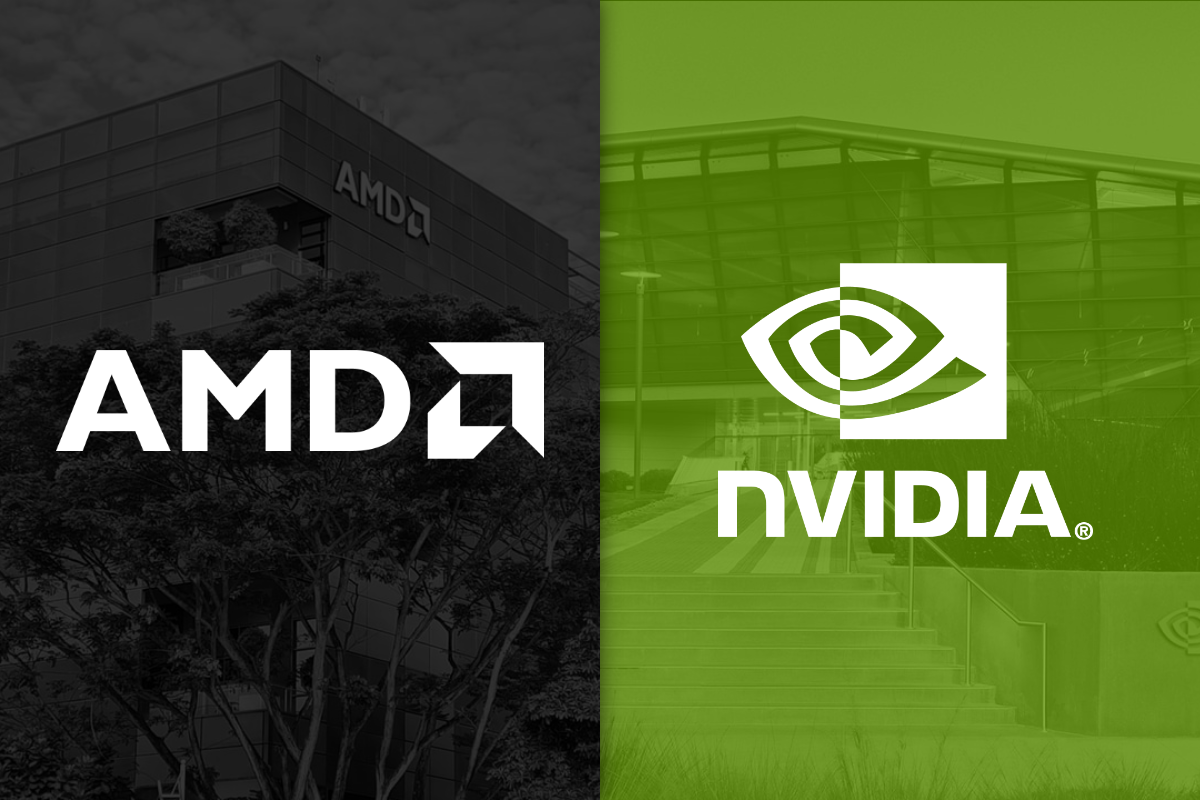
Investment Comparison Between AMD and Nvidia


- Stock Performance Comparison: AMD's stock has surged over 350% in the past year, while Nvidia's has only risen nearly 60%, indicating that despite Nvidia being the largest company by market cap, AMD has delivered significantly higher investment returns.
- Valuation Discrepancy Analysis: AMD's forward price-to-earnings ratio stands at 70, compared to Nvidia's 24, meaning AMD's stock is essentially three times more expensive than Nvidia's, which poses a significant risk for investors due to the high valuation premium.
- Growth Potential Assessment: Although AMD's stock has risen sharply, its growth has not matched its high valuation, while Nvidia continues to show stronger growth prospects, making it a potentially better investment choice moving forward.
- Future Investment Recommendation: Based on current valuations and growth outlooks, the analysis suggests that Nvidia is the more attractive stock to buy, as AMD's impressive performance may be constrained by its high valuation, limiting future investment returns.
See More

ARM Gains Traction in AI Data Centers with Key Clients


- Client Expansion: ARM CEO Rene Haas announced that ByteDance and Oracle are utilizing the company's AGI central processing units, which not only enhances ARM's credibility in the data center market but also indicates the potential application of its technology in AI.
- Market Competition: At Computex in Taipei, Haas emphasized the growing importance of CPUs in managing and processing vast amounts of information as AI workloads expand, positioning ARM favorably against Intel and AMD in this competitive landscape.
- Energy-Efficient Design: ARM's power-efficient chip designs are increasingly favored by cloud providers, as energy use and performance become critical factors with the scaling of AI data centers, driving demand for ARM's offerings in the market.
- Investment Outlook: For investors, ARM's evolution is no longer just a smartphone chip architecture narrative; the key will be whether it can convert early data center adoption into a larger share of AI infrastructure spending, which will be crucial for its market performance.
See More

Amazon's Cloud and AI Drive Growth Potential


- Strong Earnings Performance: Amazon's first-quarter results were robust, with accelerating demand for cloud services and a rapidly growing advertising segment, leading to a 19% stock price increase that significantly outpaced the S&P 500's 10% gain, highlighting the company's competitive edge and attractiveness in the market.
- AI Technology Advantage: Amazon has excelled in the AI boom, with AWS providing AI services that position it as an industry leader, particularly with its Graviton CPUs designed for AI workloads, enhancing its monopolistic position in the cloud computing market.
- Strategic Partnership Agreement: Amazon signed a five-year, $6 billion deal with Snowflake focused on AI and agentic AI workloads, indicating the company's investment potential in emerging technologies, while its collaboration with Meta Platforms further solidifies its market position.
- Diverse Growth Opportunities: Amazon excels not only in cloud computing and advertising but also expands its logistics network through the launch of Amazon Supply Chain Services (ASCS), attracting other businesses and showcasing its growth potential across multiple high-margin sectors.
See More
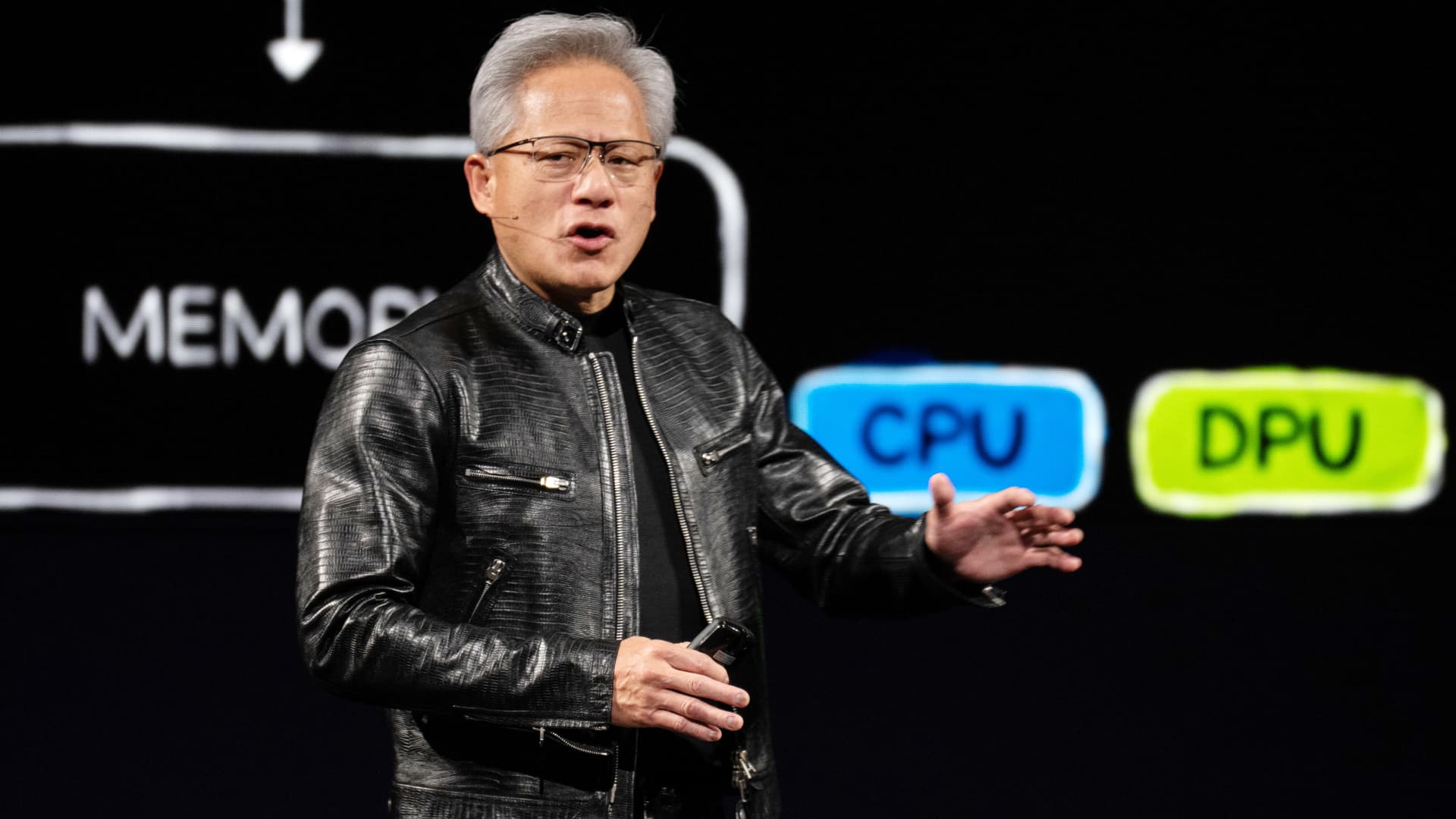
Nvidia Enters PC Market with RTX Spark Chip Launch


- Market Threat Emerges: Nvidia CEO Jensen Huang announced the launch of the RTX Spark chip in collaboration with Microsoft at the Computex conference in Taipei, causing stock declines for AMD, Intel, and Qualcomm, indicating Nvidia's formidable threat to the PC market and potential to reshape the industry landscape.
- Technological Innovation: The RTX Spark chip integrates Nvidia's Blackwell GPU with a MediaTek CPU, utilizing unified memory technology that eliminates bottlenecks in AI model execution, which is expected to enhance performance and efficiency of AI applications, driving technological advancement in the PC market.
- Market Potential Assessment: Although Nvidia's PC business is projected to be only 20 times smaller than its networking segment in the near term, analysts believe its entry into the PC market is a crucial step in capturing edge computing market share, potentially leading to significant growth in the future.
- Competitive Landscape Shift: The RTX Spark chip will debut in new Windows PCs from brands like Microsoft, Dell, and HP, potentially posing direct competition to Apple's MacBook Pro, marking a significant transformation in the PC market.
See More

Nvidia's Entry into PC Chip Market Shakes Industry

- Market Shock: Nvidia's announcement of entering the PC chip market led to declines in shares of AMD, Intel, and Qualcomm, indicating the market's sensitivity to Nvidia's perceived threat and its intent to expand beyond data centers.
- New Product Launch: Nvidia's RTX Spark chip, developed in collaboration with MediaTek, is set to debut in new Windows PCs from Microsoft, Dell, HP, and others, marking its official entry into the PC market and potentially reshaping the existing landscape.
- Market Potential: Although Nvidia's PC business is not expected to generate significant revenue in the near term, analysts believe its AI capabilities could attract more attention, especially given the low penetration rate in the PC market.
- Changing Competitive Landscape: With Nvidia's entry, the traditional x86 architecture faces challenges, and the rising interest in Arm architecture may spark a new technological revolution, altering the competitive dynamics of the CPU market.
See More
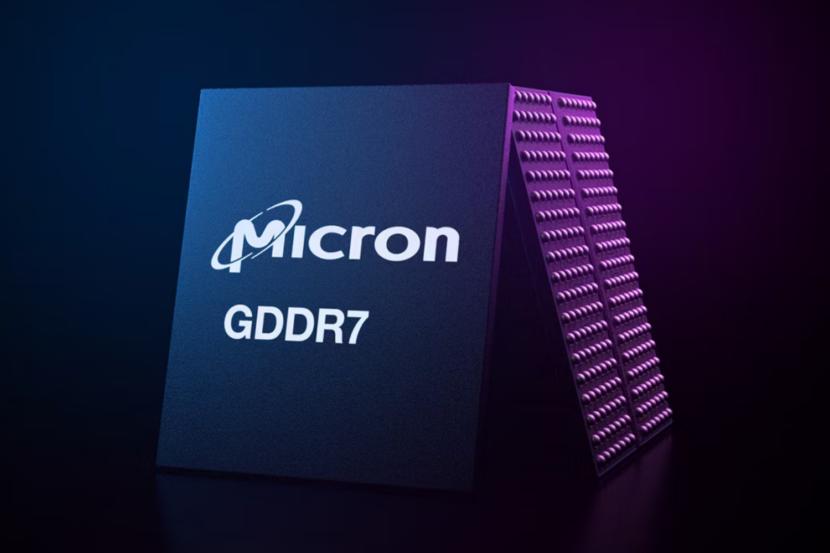
Micron Technology Surpasses $1 Trillion Valuation

- Valuation Surge: Micron Technology's market capitalization skyrocketed from $100 billion to $1 trillion over the past year, underscoring its pivotal role in the AI boom, particularly through its collaboration with Nvidia, which has facilitated long-term, high-margin contracts.
- Profit Reversal: The company posted a remarkable $14 billion profit in the latest quarter, a significant turnaround from a $5.8 billion loss in 2023, indicating that its strategic pivot towards high-bandwidth memory is yielding positive results and boosting investor confidence.
- Market Outlook: Micron anticipates that the high-bandwidth memory market it serves will grow to approximately $100 billion by 2028, reflecting the sustained demand for memory driven by AI technologies, thereby solidifying Micron's position in the global memory supply chain.
- Agility in Market: Micron maintains agility in a rapidly changing market by focusing on shortening development cycles and quickly addressing production issues, a critical capability in the AI sector that ensures its competitive edge in future endeavors.
See More
Investment Comparison Between AMD and Nvidia
- Stock Performance Comparison: AMD's stock has surged over 350% in the past year, while Nvidia's has only risen nearly 60%, indicating that despite Nvidia being the largest company by market cap, AMD has delivered significantly higher investment returns.
- Valuation Discrepancy Analysis: AMD's forward price-to-earnings ratio stands at 70, compared to Nvidia's 24, meaning AMD's stock is essentially three times more expensive than Nvidia's, which poses a significant risk for investors due to the high valuation premium.
- Growth Potential Assessment: Although AMD's stock has risen sharply, its growth has not matched its high valuation, while Nvidia continues to show stronger growth prospects, making it a potentially better investment choice moving forward.
- Future Investment Recommendation: Based on current valuations and growth outlooks, the analysis suggests that Nvidia is the more attractive stock to buy, as AMD's impressive performance may be constrained by its high valuation, limiting future investment returns.
See More
ARM Gains Traction in AI Data Centers with Key Clients
- Client Expansion: ARM CEO Rene Haas announced that ByteDance and Oracle are utilizing the company's AGI central processing units, which not only enhances ARM's credibility in the data center market but also indicates the potential application of its technology in AI.
- Market Competition: At Computex in Taipei, Haas emphasized the growing importance of CPUs in managing and processing vast amounts of information as AI workloads expand, positioning ARM favorably against Intel and AMD in this competitive landscape.
- Energy-Efficient Design: ARM's power-efficient chip designs are increasingly favored by cloud providers, as energy use and performance become critical factors with the scaling of AI data centers, driving demand for ARM's offerings in the market.
- Investment Outlook: For investors, ARM's evolution is no longer just a smartphone chip architecture narrative; the key will be whether it can convert early data center adoption into a larger share of AI infrastructure spending, which will be crucial for its market performance.
See More
Amazon's Cloud and AI Drive Growth Potential
- Strong Earnings Performance: Amazon's first-quarter results were robust, with accelerating demand for cloud services and a rapidly growing advertising segment, leading to a 19% stock price increase that significantly outpaced the S&P 500's 10% gain, highlighting the company's competitive edge and attractiveness in the market.
- AI Technology Advantage: Amazon has excelled in the AI boom, with AWS providing AI services that position it as an industry leader, particularly with its Graviton CPUs designed for AI workloads, enhancing its monopolistic position in the cloud computing market.
- Strategic Partnership Agreement: Amazon signed a five-year, $6 billion deal with Snowflake focused on AI and agentic AI workloads, indicating the company's investment potential in emerging technologies, while its collaboration with Meta Platforms further solidifies its market position.
- Diverse Growth Opportunities: Amazon excels not only in cloud computing and advertising but also expands its logistics network through the launch of Amazon Supply Chain Services (ASCS), attracting other businesses and showcasing its growth potential across multiple high-margin sectors.
See More
Nvidia Enters PC Market with RTX Spark Chip Launch
- Market Threat Emerges: Nvidia CEO Jensen Huang announced the launch of the RTX Spark chip in collaboration with Microsoft at the Computex conference in Taipei, causing stock declines for AMD, Intel, and Qualcomm, indicating Nvidia's formidable threat to the PC market and potential to reshape the industry landscape.
- Technological Innovation: The RTX Spark chip integrates Nvidia's Blackwell GPU with a MediaTek CPU, utilizing unified memory technology that eliminates bottlenecks in AI model execution, which is expected to enhance performance and efficiency of AI applications, driving technological advancement in the PC market.
- Market Potential Assessment: Although Nvidia's PC business is projected to be only 20 times smaller than its networking segment in the near term, analysts believe its entry into the PC market is a crucial step in capturing edge computing market share, potentially leading to significant growth in the future.
- Competitive Landscape Shift: The RTX Spark chip will debut in new Windows PCs from brands like Microsoft, Dell, and HP, potentially posing direct competition to Apple's MacBook Pro, marking a significant transformation in the PC market.
See More
Nvidia's Entry into PC Chip Market Shakes Industry
- Market Shock: Nvidia's announcement of entering the PC chip market led to declines in shares of AMD, Intel, and Qualcomm, indicating the market's sensitivity to Nvidia's perceived threat and its intent to expand beyond data centers.
- New Product Launch: Nvidia's RTX Spark chip, developed in collaboration with MediaTek, is set to debut in new Windows PCs from Microsoft, Dell, HP, and others, marking its official entry into the PC market and potentially reshaping the existing landscape.
- Market Potential: Although Nvidia's PC business is not expected to generate significant revenue in the near term, analysts believe its AI capabilities could attract more attention, especially given the low penetration rate in the PC market.
- Changing Competitive Landscape: With Nvidia's entry, the traditional x86 architecture faces challenges, and the rising interest in Arm architecture may spark a new technological revolution, altering the competitive dynamics of the CPU market.
See More
Micron Technology Surpasses $1 Trillion Valuation
- Valuation Surge: Micron Technology's market capitalization skyrocketed from $100 billion to $1 trillion over the past year, underscoring its pivotal role in the AI boom, particularly through its collaboration with Nvidia, which has facilitated long-term, high-margin contracts.
- Profit Reversal: The company posted a remarkable $14 billion profit in the latest quarter, a significant turnaround from a $5.8 billion loss in 2023, indicating that its strategic pivot towards high-bandwidth memory is yielding positive results and boosting investor confidence.
- Market Outlook: Micron anticipates that the high-bandwidth memory market it serves will grow to approximately $100 billion by 2028, reflecting the sustained demand for memory driven by AI technologies, thereby solidifying Micron's position in the global memory supply chain.
- Agility in Market: Micron maintains agility in a rapidly changing market by focusing on shortening development cycles and quickly addressing production issues, a critical capability in the AI sector that ensures its competitive edge in future endeavors.
See More