

Amazon's Rumored Acquisition of Globalstar Sparks Market Interest
Written by Emily J. Thompson, Senior Investment Analyst
Updated: Apr 12 2026
0mins


Source: NASDAQ.COM
- Amazon Acquisition Rumors: Amazon is reportedly considering acquiring satellite company Globalstar for approximately $8 billion, which holds valuable spectrum licenses in over 120 countries, potentially accelerating Amazon's entry into the satellite internet market, although the deal is not finalized yet, leading to positive market reactions.
- Globalstar's Market Position: In 2025, a single customer, likely Apple, accounted for 63% of Globalstar's revenue, indicating a high dependency on major clients, which raises concerns about future revenue stability, especially after Amazon's acquisition could affect its relationship with Apple.
- Strategic Importance of Space Investments: Amazon plans to launch 3,200 satellites to compete with Starlink, which currently operates over 10,000 satellites, and acquiring Globalstar would help Amazon shorten its market entry timeline, although its investments in space remain in the very early stages.
- RH Stock Performance Decline: Shares of RH (formerly Restoration Hardware) plummeted 19% following its latest earnings report, primarily due to management's pessimistic guidance on future sales, reflecting ongoing challenges the company faces in a difficult market environment.
Trade with 70% Backtested Accuracy
Stop guessing "Should I Buy NKE?" and start using high-conviction signals backed by rigorous historical data.
Sign up today to access powerful investing tools and make smarter, data-driven decisions.
Analyst Views on NKE
Wall Street analysts forecast NKE stock price to rise
21 Analyst Rating
14 Buy
7 Hold
0 Sell
Moderate Buy
Current: 43.060

Low
62.00
Averages
76.11
High
110.00
Current: 43.060
Low
62.00
Averages
76.11
High
110.00
About NKE
NIKE, Inc. is engaged in the designing, marketing and distributing of athletic footwear, apparel, equipment and accessories and services for sports and fitness activities. The Company's operating segments include North America; Europe, Middle East & Africa (EMEA); Greater China; and Asia Pacific & Latin America (APLA). It sells a line of equipment and accessories under the NIKE Brand name, including bags, socks, sport balls, eyewear, timepieces, digital devices, bats, gloves, protective equipment and other equipment designed for sports activities. It also designs products specifically for the Jordan Brand and Converse. The Jordan Brand designs, distributes and licenses athletic and casual footwear, apparel and accessories predominantly focused on basketball performance and culture using the Jumpman trademark. The Company also designs, distributes and licenses casual sneakers, apparel and accessories under the Chuck Taylor, All Star, One Star, Star Chevron and Jack Purcell trademarks.
About the author

Emily J. Thompson
Emily J. Thompson, a Chartered Financial Analyst (CFA) with 12 years in investment research, graduated with honors from the Wharton School. Specializing in industrial and technology stocks, she provides in-depth analysis for Intellectia’s earnings and market brief reports.

Nike's Mixed Earnings Report Sparks Stock Rebound

- Earnings Highlights: In its fiscal 2026 Q4 report, Nike reported a 1% year-over-year revenue decline, with wholesale up 4% and direct-to-consumer sales down 7%, indicating some resilience amid challenges.
- Gross Margin Improvement: Nike's gross margin expanded by 8.9 percentage points to 49.2%, reflecting successful cost control and pricing strategies that may enhance future profitability.
- Challenges in China: While North America shows signs of recovery, Nike's sales in China fell by 17%, prompting the CEO to announce a comprehensive reset and collaboration with local partners, highlighting the company's focus on this critical market.
- Investor Confidence Rebounds: With a P/E ratio dipping below 20 and a dividend yield of 3.8%, Nike has attracted value investors, and despite short-term sluggish sales, long-term investors remain optimistic about a potential recovery.
See More
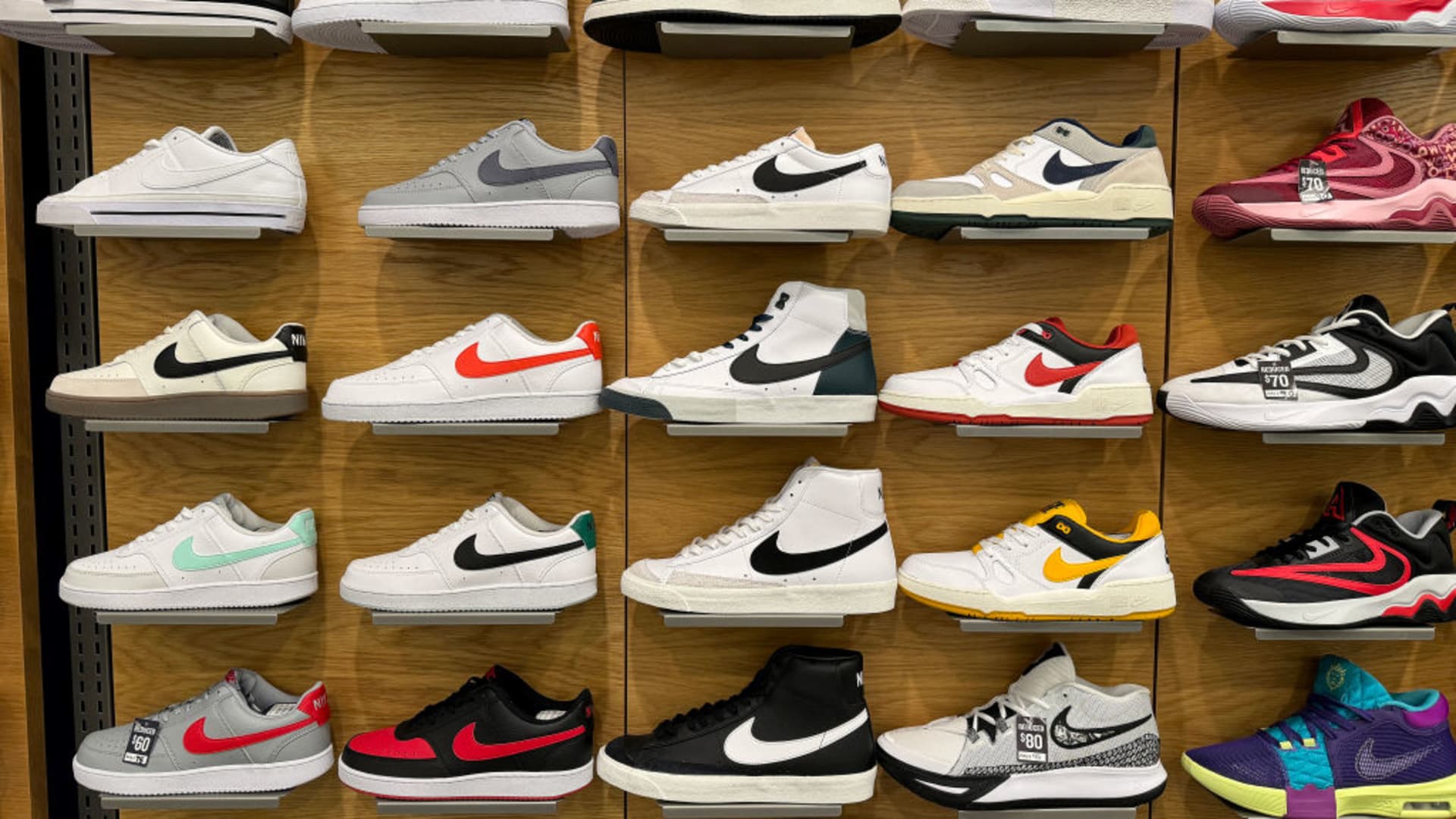
Nike Faces Declining Stock and Dividend Risks Amid Turnaround Efforts
- Rising Dividend Yield: Nike's dividend yield has increased to 3.7%, more than three times that of the S&P 500, despite a 32% decline in stock price since its pandemic peak, prompting investor interest in its dividend sustainability.
- Cash Flow Pressure: The company's free cash flow has plummeted 65% year-over-year to just over $1 billion, while it paid nearly $2.4 billion in dividends over the past year, raising concerns about its ability to maintain dividend payments.
- Improved Inventory Management: Management is actively working to reduce discounting to enhance margins and is adjusting its product mix to drive sales growth, with over 150 stores refreshing their inventory to meet demand for performance-based products.
- Slow Turnaround Progress: Although Nike has achieved five consecutive quarters of double-digit growth in running products, the overall turnaround may not meet Wall Street's expectations, necessitating close monitoring of quarterly earnings to ensure profitability recovery.
See More

Nike Faces Challenges in Sales Growth Amid Economic Headwinds
- Sales Decline: Nike's revenue fell 1% year-over-year last quarter, indicating ongoing challenges in sales growth due to macroeconomic pressures like inflation and high energy prices, which are negatively impacting consumer spending.
- Cash Flow and Dividend Pressure: Over the past year, Nike paid nearly $2.4 billion in dividends while its free cash flow plummeted 65% to just over $1 billion, raising concerns about the sustainability of its dividend unless profitability improves significantly.
- Inventory Management and Margin Improvement: Management is focusing on optimizing inventory to reduce costs, with gross margins expected to improve starting this quarter; however, sales of sportswear and Jordan streetwear remain weak, while running products have shown five consecutive quarters of double-digit growth.
- Market Reaction and Investor Confidence: Despite management's confidence in margin improvement strategies, the high dividend payout ratio to free cash flow makes Nike's stock less appealing for income investors, necessitating close monitoring of quarterly earnings to assess the company's recovery trajectory.
See More

Nike Faces Significant Challenges in China Market
- Financial Decline: Nike's stock has dropped nearly 31% this year and over 72% in the past five years, indicating a persistent decline in competitiveness in the global market, particularly in China.
- Challenges in China: Sales in China fell 13% in fiscal year 2026, with a staggering 17% drop in the fourth quarter, highlighting a significant threat to the brand's market share that necessitates a more effective strategy to combat competition.
- Growth Highlights: Despite challenges in China, Nike's running business has achieved double-digit growth for five consecutive quarters, and wholesale revenue grew 4% year-over-year in the fourth quarter, indicating recovery potential in other regions.
- Need for Strategic Adjustment: While Nike's
See More

Nike's Financial Turnaround Hindered by China Market Challenges
- China Market Challenges: Nike's revenue in Greater China fell 13% in fiscal year 2026 and plummeted 17% in the fourth quarter, indicating significant challenges from fierce competition and shifting consumer preferences that hinder the overall financial recovery process.
- Overall Performance Exceeds Expectations: Despite exceeding Wall Street's expectations in the fourth quarter, the overall recovery remains fragile due to weakness in the Chinese market, necessitating patience from investors for any potential rebound.
- Wholesale Business Growth: Nike's wholesale revenue grew by 4% year over year in the fourth quarter, indicating some progress in rebuilding wholesale relationships, although the overall market environment remains challenging.
- Running Business Sustained Growth: Nike's running segment has achieved double-digit growth for five consecutive quarters, suggesting that market share is expanding in specific areas, which may support the brand's long-term recovery efforts.
See More

Nike's 4% Dividend Yield Attracts Attention

- Nike's Dividend Appeal: With a current dividend yield of 4%, Nike surpasses Coca-Cola's 2.6%, attracting attention from income investors, particularly as rising living costs make dividend payments a crucial cushion for retirement.
- Coca-Cola's Stability: Coca-Cola has increased its dividends for 64 consecutive years, demonstrating strong stability, with Berkshire Hathaway owning a 9.3% stake, generating hundreds of millions in quarterly dividends, highlighting its reliability as a long-term investment.
- Nike's Challenges and Opportunities: Despite exceeding revenue and earnings expectations in Q4 2026, particularly with $1.3 billion in sales in China, Nike's stock has plummeted over 70% in the past five years, indicating the difficulties of its turnaround plan.
- Investment Risk Assessment: While Nike's higher dividend yield is attractive, its stock price volatility suggests that relying solely on yield for investment decisions is unwise, necessitating investor focus on whether the company can successfully reverse past missteps to realize potential stock price appreciation.
See More
Nike's Mixed Earnings Report Sparks Stock Rebound
- Earnings Highlights: In its fiscal 2026 Q4 report, Nike reported a 1% year-over-year revenue decline, with wholesale up 4% and direct-to-consumer sales down 7%, indicating some resilience amid challenges.
- Gross Margin Improvement: Nike's gross margin expanded by 8.9 percentage points to 49.2%, reflecting successful cost control and pricing strategies that may enhance future profitability.
- Challenges in China: While North America shows signs of recovery, Nike's sales in China fell by 17%, prompting the CEO to announce a comprehensive reset and collaboration with local partners, highlighting the company's focus on this critical market.
- Investor Confidence Rebounds: With a P/E ratio dipping below 20 and a dividend yield of 3.8%, Nike has attracted value investors, and despite short-term sluggish sales, long-term investors remain optimistic about a potential recovery.
See More
Nike Faces Declining Stock and Dividend Risks Amid Turnaround Efforts
- Rising Dividend Yield: Nike's dividend yield has increased to 3.7%, more than three times that of the S&P 500, despite a 32% decline in stock price since its pandemic peak, prompting investor interest in its dividend sustainability.
- Cash Flow Pressure: The company's free cash flow has plummeted 65% year-over-year to just over $1 billion, while it paid nearly $2.4 billion in dividends over the past year, raising concerns about its ability to maintain dividend payments.
- Improved Inventory Management: Management is actively working to reduce discounting to enhance margins and is adjusting its product mix to drive sales growth, with over 150 stores refreshing their inventory to meet demand for performance-based products.
- Slow Turnaround Progress: Although Nike has achieved five consecutive quarters of double-digit growth in running products, the overall turnaround may not meet Wall Street's expectations, necessitating close monitoring of quarterly earnings to ensure profitability recovery.
See More
Nike Faces Challenges in Sales Growth Amid Economic Headwinds
- Sales Decline: Nike's revenue fell 1% year-over-year last quarter, indicating ongoing challenges in sales growth due to macroeconomic pressures like inflation and high energy prices, which are negatively impacting consumer spending.
- Cash Flow and Dividend Pressure: Over the past year, Nike paid nearly $2.4 billion in dividends while its free cash flow plummeted 65% to just over $1 billion, raising concerns about the sustainability of its dividend unless profitability improves significantly.
- Inventory Management and Margin Improvement: Management is focusing on optimizing inventory to reduce costs, with gross margins expected to improve starting this quarter; however, sales of sportswear and Jordan streetwear remain weak, while running products have shown five consecutive quarters of double-digit growth.
- Market Reaction and Investor Confidence: Despite management's confidence in margin improvement strategies, the high dividend payout ratio to free cash flow makes Nike's stock less appealing for income investors, necessitating close monitoring of quarterly earnings to assess the company's recovery trajectory.
See More
Nike Faces Significant Challenges in China Market
- Financial Decline: Nike's stock has dropped nearly 31% this year and over 72% in the past five years, indicating a persistent decline in competitiveness in the global market, particularly in China.
- Challenges in China: Sales in China fell 13% in fiscal year 2026, with a staggering 17% drop in the fourth quarter, highlighting a significant threat to the brand's market share that necessitates a more effective strategy to combat competition.
- Growth Highlights: Despite challenges in China, Nike's running business has achieved double-digit growth for five consecutive quarters, and wholesale revenue grew 4% year-over-year in the fourth quarter, indicating recovery potential in other regions.
- Need for Strategic Adjustment: While Nike's
See More
Nike's Financial Turnaround Hindered by China Market Challenges
- China Market Challenges: Nike's revenue in Greater China fell 13% in fiscal year 2026 and plummeted 17% in the fourth quarter, indicating significant challenges from fierce competition and shifting consumer preferences that hinder the overall financial recovery process.
- Overall Performance Exceeds Expectations: Despite exceeding Wall Street's expectations in the fourth quarter, the overall recovery remains fragile due to weakness in the Chinese market, necessitating patience from investors for any potential rebound.
- Wholesale Business Growth: Nike's wholesale revenue grew by 4% year over year in the fourth quarter, indicating some progress in rebuilding wholesale relationships, although the overall market environment remains challenging.
- Running Business Sustained Growth: Nike's running segment has achieved double-digit growth for five consecutive quarters, suggesting that market share is expanding in specific areas, which may support the brand's long-term recovery efforts.
See More
Nike's 4% Dividend Yield Attracts Attention
- Nike's Dividend Appeal: With a current dividend yield of 4%, Nike surpasses Coca-Cola's 2.6%, attracting attention from income investors, particularly as rising living costs make dividend payments a crucial cushion for retirement.
- Coca-Cola's Stability: Coca-Cola has increased its dividends for 64 consecutive years, demonstrating strong stability, with Berkshire Hathaway owning a 9.3% stake, generating hundreds of millions in quarterly dividends, highlighting its reliability as a long-term investment.
- Nike's Challenges and Opportunities: Despite exceeding revenue and earnings expectations in Q4 2026, particularly with $1.3 billion in sales in China, Nike's stock has plummeted over 70% in the past five years, indicating the difficulties of its turnaround plan.
- Investment Risk Assessment: While Nike's higher dividend yield is attractive, its stock price volatility suggests that relying solely on yield for investment decisions is unwise, necessitating investor focus on whether the company can successfully reverse past missteps to realize potential stock price appreciation.
See More





