Amazon Stock Breaks Out as AI Chip Deal with Meta Boosts Confidence
Written by Emily J. Thompson, Senior Investment Analyst
Updated: 4 days ago
0mins


Should l Buy ARM?
Source: CNBC
- Stock Surge: Amazon's shares rose nearly 3% to over $263, on track for a second record-high close this week, reflecting increased investor confidence in the company's growth prospects.
- Key Partnership: Meta Platforms has agreed to utilize Amazon's Graviton chips for at least three years, making Meta a top-five customer of Graviton, which solidifies Amazon's position in the AI infrastructure market.
- Market Competitiveness: Amazon's strategic positioning in the AI chip sector allows it to compete with rivals like Nvidia, particularly in terms of cost efficiency and scalability, attracting more companies seeking alternatives.
- Revenue Growth: Amazon's chip business now boasts an annual revenue run rate exceeding $20 billion, growing at triple-digit percentages, showcasing its strong performance in cloud computing and AI, which further boosts investor confidence.
Trade with 70% Backtested Accuracy
Stop guessing "Should I Buy ARM?" and start using high-conviction signals backed by rigorous historical data.
Sign up today to access powerful investing tools and make smarter, data-driven decisions.
Analyst Views on ARM
Wall Street analysts forecast ARM stock price to fall
24 Analyst Rating
19 Buy
4 Hold
1 Sell
Strong Buy
Current: 198.650

Low
120.00
Averages
160.58
High
201.00
Current: 198.650
Low
120.00
Averages
160.58
High
201.00
About ARM
Arm Holdings plc is a United Kingdom-based company. The Company is engaged in the design of central processing units (CPUs) and compute platforms for semiconductor chips. It develops and licenses CPU products and related technology. Its cloud and data center solutions include Arm AGI CPU and Arm Neoverse Compute Subsystems. The Arm Agentic Generalized Infrastructure (AGI) CPU is a production-ready system on a chip (SoC) for artificial intelligence (AI) data centers, delivering compute at scale. The Arm Neoverse Compute Subsystems (CSS) are pre-validated, performance-optimized compute platforms designed to accelerate infrastructure silicon development. The Company's primary markets include smartphone applications, processors and other chips used in mobile phones, consumer electronics, networking equipment, cloud and data center servers, automotive applications, Internet of Things (loT) and other embedded computing devices.
About the author

Emily J. Thompson
Emily J. Thompson, a Chartered Financial Analyst (CFA) with 12 years in investment research, graduated with honors from the Wharton School. Specializing in industrial and technology stocks, she provides in-depth analysis for Intellectia’s earnings and market brief reports.

Wingstop Reports 8.7% Decline in Same-Store Sales


- Same-Store Sales Decline: Wingstop reported an 8.7% decline in same-store sales, causing shares to drop over 10% in pre-market trading, indicating significant challenges in maintaining sales growth that could impact future market share and investor confidence.
- Unfavorable Guidance: The company's guidance for domestic same-store sales indicates a “low-single digit decline,” failing to instill confidence in investors and reflecting concerns about its growth potential, which may lead to further stock price volatility.
- Store Expansion Continues: Despite sales challenges, Wingstop is still increasing its store count and generating income and cash flow, suggesting a long-term optimistic outlook that could lay the groundwork for future recovery.
- Cautious Market Reaction: Investors are eagerly awaiting the upcoming earnings call, hoping management will provide more insights into the reasons behind the sales decline and the measures being taken to address it, in order to restore market confidence and stabilize the stock price.
See More

TSMC Unit Sells 1.11 Million Arm Holdings Shares


- Share Sale Details: TSMC Partners, a unit of Taiwan Semiconductor Manufacturing, sold 1.11 million shares of Arm Holdings, indicating a potential need for liquidity, although the specific reasons for the sale remain undisclosed.
- Market Reaction: This share sale may have a short-term impact on Arm Holdings' stock price, prompting investors to monitor subsequent market dynamics to assess its potential effects on the company's valuation.
- Strategic Considerations: The sale by TSMC Partners could be aimed at optimizing asset allocation and enhancing liquidity, thereby preparing for future investment opportunities, especially in the context of increasing competition in the semiconductor industry.
- Industry Context: Arm Holdings holds a significant position in the global semiconductor market, and TSMC's action may trigger further market scrutiny regarding its future strategic direction, particularly in light of technological innovations and shifts in market demand.
See More
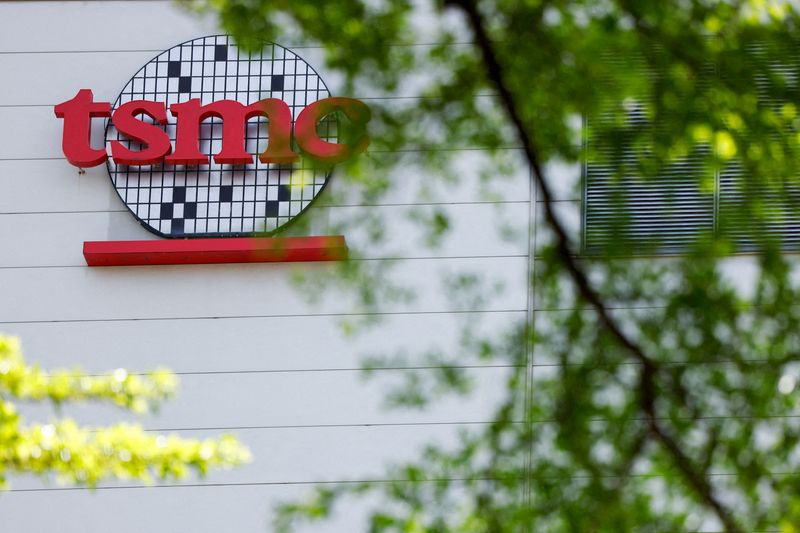
TSMC Sells Remaining Stake in Arm Holdings
- Share Sale Details: TSMC, through its subsidiary TSMC Partners, sold 1.11 million shares of Arm from April 28 to 29 at $207.65 each, totaling approximately $231 million, indicating a complete exit from its investment in Arm.
- Financial Impact: The transaction resulted in a $174 million reduction in TSMC's retained earnings, reflecting significant financial adjustments in asset disposal that could influence future investment strategies.
- Investment History Review: TSMC initially invested about $100 million in Arm during its 2023 IPO at $51 per share, demonstrating early confidence in the chip design sector, but has gradually reduced its stake in response to market changes.
- Market Reaction: Arm shares fell 7.98% the day before the sale, indicating market concerns about its future performance, and TSMC's exit may further undermine investor confidence in the company.
See More

U.S. Stocks Close Lower, Weighed Down by Tech Sector


- Tech Sector Decline: Technology stocks fell broadly as concerns about the return on massive AI investments grew, with OpenAI missing its new user and sales targets, putting pressure on shares of partners like Nvidia and Oracle, which negatively impacted market sentiment.
- Positive Economic Data: Despite the market downturn, the U.S. consumer confidence index unexpectedly rose to 92.8, surpassing expectations, indicating economic resilience that could provide support for the market.
- Surging Oil Prices: WTI crude oil prices jumped over 3% to a two-week high amid escalating tensions between the U.S. and Iran in the Strait of Hormuz, potentially exacerbating the global energy crisis and pushing inflation expectations higher.
- Fed Policy Expectations: The market anticipates that the Federal Reserve will keep interest rates unchanged at the upcoming meeting, focusing on oil prices and inflation dynamics, reflecting a cautious outlook on the economic landscape.
See More

Jim Cramer: AI Stock Sell-Off is Necessary

- Necessity of Market Correction: Jim Cramer asserts that the recent sell-off in AI stocks is essential for market health, likening it to how rain benefits gardening, suggesting that such adjustments, while unsettling, are ultimately beneficial.
- Missed Growth Targets: A Wall Street Journal report revealed that OpenAI failed to meet internal growth targets, raising concerns about spending across various AI-linked companies, which contributed to declines in stocks like Arm and AMD.
- Historical Comparison: Cramer draws parallels to the late 1990s when stocks rose without significant declines, leading to a wave of selling; he believes the current correction is inevitable and necessary for a sustainable market.
- Long-Term Optimism: Despite the short-term downturn in AI stocks, Cramer remains optimistic about their long-term prospects and advises investors to lock in profits during rapid price increases to facilitate re-entry during market corrections.
See More

Market Pullbacks Offer Opportunities for Investors

- Necessity of Market Pullbacks: CNBC's Jim Cramer stated that Tuesday's sell-off in AI stocks is a necessary market adjustment, akin to how “rain benefits gardening,” providing investors with opportunities to buy quality stocks at discounted prices.
- Internal Growth Targets for AI Stocks: Following a Wall Street Journal report indicating OpenAI missed internal growth targets, AI-linked stocks like Arm, AMD, Dell, and Corning experienced declines, which Cramer believes are inevitable after rapid gains.
- Long-Term Optimism: Despite the short-term pressures faced by current AI leaders, Cramer remains optimistic about their long-term prospects, emphasizing that even strong stocks can overheat, hence he welcomed the negative report.
- Investment Strategy Adjustment: Cramer advises investors to gradually lock in profits during rapid stock price increases, making it easier to re-enter the market during pullbacks, thus allowing them to “take advantage of the rain” when opportunities arise.
See More
Wingstop Reports 8.7% Decline in Same-Store Sales
- Same-Store Sales Decline: Wingstop reported an 8.7% decline in same-store sales, causing shares to drop over 10% in pre-market trading, indicating significant challenges in maintaining sales growth that could impact future market share and investor confidence.
- Unfavorable Guidance: The company's guidance for domestic same-store sales indicates a “low-single digit decline,” failing to instill confidence in investors and reflecting concerns about its growth potential, which may lead to further stock price volatility.
- Store Expansion Continues: Despite sales challenges, Wingstop is still increasing its store count and generating income and cash flow, suggesting a long-term optimistic outlook that could lay the groundwork for future recovery.
- Cautious Market Reaction: Investors are eagerly awaiting the upcoming earnings call, hoping management will provide more insights into the reasons behind the sales decline and the measures being taken to address it, in order to restore market confidence and stabilize the stock price.
See More
TSMC Unit Sells 1.11 Million Arm Holdings Shares
- Share Sale Details: TSMC Partners, a unit of Taiwan Semiconductor Manufacturing, sold 1.11 million shares of Arm Holdings, indicating a potential need for liquidity, although the specific reasons for the sale remain undisclosed.
- Market Reaction: This share sale may have a short-term impact on Arm Holdings' stock price, prompting investors to monitor subsequent market dynamics to assess its potential effects on the company's valuation.
- Strategic Considerations: The sale by TSMC Partners could be aimed at optimizing asset allocation and enhancing liquidity, thereby preparing for future investment opportunities, especially in the context of increasing competition in the semiconductor industry.
- Industry Context: Arm Holdings holds a significant position in the global semiconductor market, and TSMC's action may trigger further market scrutiny regarding its future strategic direction, particularly in light of technological innovations and shifts in market demand.
See More
TSMC Sells Remaining Stake in Arm Holdings
- Share Sale Details: TSMC, through its subsidiary TSMC Partners, sold 1.11 million shares of Arm from April 28 to 29 at $207.65 each, totaling approximately $231 million, indicating a complete exit from its investment in Arm.
- Financial Impact: The transaction resulted in a $174 million reduction in TSMC's retained earnings, reflecting significant financial adjustments in asset disposal that could influence future investment strategies.
- Investment History Review: TSMC initially invested about $100 million in Arm during its 2023 IPO at $51 per share, demonstrating early confidence in the chip design sector, but has gradually reduced its stake in response to market changes.
- Market Reaction: Arm shares fell 7.98% the day before the sale, indicating market concerns about its future performance, and TSMC's exit may further undermine investor confidence in the company.
See More
U.S. Stocks Close Lower, Weighed Down by Tech Sector
- Tech Sector Decline: Technology stocks fell broadly as concerns about the return on massive AI investments grew, with OpenAI missing its new user and sales targets, putting pressure on shares of partners like Nvidia and Oracle, which negatively impacted market sentiment.
- Positive Economic Data: Despite the market downturn, the U.S. consumer confidence index unexpectedly rose to 92.8, surpassing expectations, indicating economic resilience that could provide support for the market.
- Surging Oil Prices: WTI crude oil prices jumped over 3% to a two-week high amid escalating tensions between the U.S. and Iran in the Strait of Hormuz, potentially exacerbating the global energy crisis and pushing inflation expectations higher.
- Fed Policy Expectations: The market anticipates that the Federal Reserve will keep interest rates unchanged at the upcoming meeting, focusing on oil prices and inflation dynamics, reflecting a cautious outlook on the economic landscape.
See More
Jim Cramer: AI Stock Sell-Off is Necessary
- Necessity of Market Correction: Jim Cramer asserts that the recent sell-off in AI stocks is essential for market health, likening it to how rain benefits gardening, suggesting that such adjustments, while unsettling, are ultimately beneficial.
- Missed Growth Targets: A Wall Street Journal report revealed that OpenAI failed to meet internal growth targets, raising concerns about spending across various AI-linked companies, which contributed to declines in stocks like Arm and AMD.
- Historical Comparison: Cramer draws parallels to the late 1990s when stocks rose without significant declines, leading to a wave of selling; he believes the current correction is inevitable and necessary for a sustainable market.
- Long-Term Optimism: Despite the short-term downturn in AI stocks, Cramer remains optimistic about their long-term prospects and advises investors to lock in profits during rapid price increases to facilitate re-entry during market corrections.
See More
Market Pullbacks Offer Opportunities for Investors
- Necessity of Market Pullbacks: CNBC's Jim Cramer stated that Tuesday's sell-off in AI stocks is a necessary market adjustment, akin to how “rain benefits gardening,” providing investors with opportunities to buy quality stocks at discounted prices.
- Internal Growth Targets for AI Stocks: Following a Wall Street Journal report indicating OpenAI missed internal growth targets, AI-linked stocks like Arm, AMD, Dell, and Corning experienced declines, which Cramer believes are inevitable after rapid gains.
- Long-Term Optimism: Despite the short-term pressures faced by current AI leaders, Cramer remains optimistic about their long-term prospects, emphasizing that even strong stocks can overheat, hence he welcomed the negative report.
- Investment Strategy Adjustment: Cramer advises investors to gradually lock in profits during rapid stock price increases, making it easier to re-enter the market during pullbacks, thus allowing them to “take advantage of the rain” when opportunities arise.
See More