Amazon Explores Selling Custom AI Chips to Third-Party Data Centers
Written by Emily J. Thompson, Senior Investment Analyst
Updated: 23 hours ago
0mins
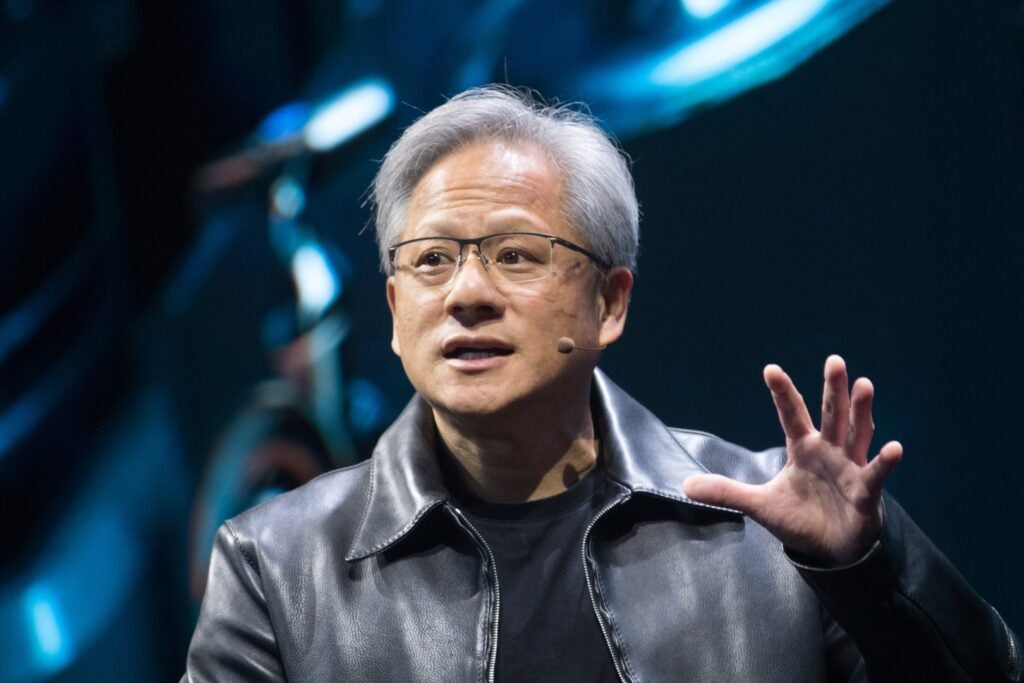
Amazon (AMZN) exploring selling its custom AI chips for deployment in third-party data centers, marking a broader push to expand beyond internal cloud use and compete more directly with Nvidia (NVDA) in the AI infrastructure market, Bloomberg's Mark Bergen reports. Peter DeSantis, Amazon's AI chief, said in an interview in Paris that "We view AI infrastructure as rapidly evolving... And we're constantly looking at ways to get to more customers." Shares of Amazon are up 1.4% to $240.89 in morning trading.
Trade with 70% Backtested Accuracy
Stop guessing "Should I Buy AMZN?" and start using high-conviction signals backed by rigorous historical data.
Sign up today to access powerful investing tools and make smarter, data-driven decisions.
Analyst Views on AMZN
Wall Street analysts forecast AMZN stock price to rise
44 Analyst Rating
41 Buy
3 Hold
0 Sell
Strong Buy
Current: 237.500

Low
175.00
Averages
280.01
High
325.00
Current: 237.500
Low
175.00
Averages
280.01
High
325.00
About AMZN
Amazon.com, Inc. provides a range of products and services to customers. The products offered through its stores include merchandise and content it has purchased for resale and products offered by third-party sellers. The Company’s segments include North America, International and Amazon Web Services (AWS). It serves consumers through its online and physical stores and focuses on selection, price, and convenience. Customers access its offerings through its websites, mobile apps, Alexa, devices, streaming, and physically visiting its stores. It also manufactures and sells electronic devices, including Kindle, Fire tablet, Fire TV, Echo, Ring, Blink, and eero, and develops and produces media content. It serves developers and enterprises of all sizes, including start-ups, government agencies, and academic institutions, through AWS, which offers a set of on-demand technology services, including compute, storage, database, analytics, and machine learning, and other services.
About the author

Emily J. Thompson
Emily J. Thompson, a Chartered Financial Analyst (CFA) with 12 years in investment research, graduated with honors from the Wharton School. Specializing in industrial and technology stocks, she provides in-depth analysis for Intellectia’s earnings and market brief reports.

SpaceX Becomes World's Fifth Most Valuable Company Post-IPO


- Strong IPO Performance: SpaceX's market cap surged nearly 35% from its June 12 IPO to June 16, reaching $2.73 trillion and surpassing Amazon and TSMC, indicating robust market demand and investor confidence.
- Market Competition Analysis: Despite nearing a $3 trillion valuation, SpaceX still lags behind Nvidia ($5.05 trillion), Alphabet ($4.54 trillion), Apple ($4.38 trillion), and Microsoft ($2.92 trillion), highlighting significant challenges for future growth amid high valuations.
- Investor Sentiment Volatility: While SpaceX's IPO was impressive, analysts caution that historically, most large IPOs experience pullbacks in the months following their debut, urging investors to be cautious and avoid FOMO-driven decisions.
- Cautious Long-Term Outlook: Although SpaceX shows notable advancements in aerospace and AI, analysts recommend a dollar-cost averaging strategy to mitigate potential market volatility, emphasizing the importance of reassessing investment value after the current hype subsides.
See More

SpaceX Approaches $3 Trillion Market Cap, But Concerns Loom

- Weak Revenue Growth: SpaceX generated under $19 billion in revenue last year, with only a 15% increase in the first quarter, starkly contrasting its nearly $3 trillion market cap and raising doubts about its business model sustainability.
- Unrealistic Optimism: Elon Musk's prediction of reaching $1 trillion in revenue by 2030 seems highly unlikely given the technical hurdles and heavy capital expenditures involved, reflecting market concerns about the company's future.
- Strong Competitors: In contrast to SpaceX, Nvidia dominates the AI infrastructure sector, reporting $81.6 billion in revenue with an 85% growth in the first quarter, showcasing a mature and stable business model.
- Amazon's Market Leadership: Amazon generated $717 billion in revenue last year and is projected to reach $1 trillion by 2028, demonstrating its strong competitive position in e-commerce and cloud computing, far exceeding SpaceX's projections.
See More

Nvidia Outshines SpaceX in Financial Metrics

- Financial Performance Comparison: Nvidia's adjusted quarterly profits of $45.5 billion are nearly 2.5 times SpaceX's projected revenue for 2025, highlighting its strong profitability in the AI infrastructure sector and reinforcing its market leadership.
- Revenue Growth Potential: Nvidia achieved an impressive 85% revenue growth in the first quarter, reaching $81.6 billion, indicating sustained demand and market expansion capabilities in AI, which is expected to yield substantial returns for future investors.
- Business Model Differences: In contrast, SpaceX generated less than $19 billion in revenue last year and only grew 15% in the first quarter, with its ambitious $1 trillion revenue goal facing significant technical hurdles, reflecting the uncertainty and high risk of its business model.
- Market Competitive Landscape: While Elon Musk has set ambitious targets, analysts predict SpaceX will only reach $226 billion in revenue by 2030, whereas Amazon is projected to hit $1 trillion by 2028, indicating a more robust market outlook.
See More

Nano Nuclear Energy Stock Set to Benefit from Micro-Modular Reactor Commercialization

- Rapid Commercialization: Nano Nuclear Energy is making swift progress in commercializing its 15 MWe KRONOS micro-modular reactor, with analyst Craig Irwin noting significant advancements in diversifying operations across the uranium lifecycle, which could lead to substantial market opportunities.
- Upgraded Investment Rating: Roth Capital Partners initiated research coverage on Nano Nuclear with a buy rating and a $45 price target, implying a 60% upside from Thursday's close, reflecting strong market confidence in the company's growth potential.
- Surge in Global Electricity Demand: According to a report from the International Energy Agency, global electricity demand is projected to increase by 849 Terawatt-hours by 2025, with the growing need for AI applications enhancing Nano Nuclear's market outlook, particularly from potential orders from hyperscale data centers.
- Clear Competitive Advantage: Nano's KRONOS MMR design utilizes a high-temperature gas-cooled reactor and meltdown-resistant enriched uranium fuel, offering a differentiated power solution that analysts believe will provide Nano with a competitive edge, driving long-term stock price appreciation.
See More
Concerns Behind SpaceX's Historic IPO

- Record IPO Size: SpaceX raised $75 billion in its IPO, surpassing Saudi Aramco's previous record of $29.4 billion, reflecting strong investor enthusiasm and market demand.
- Market Valuation Surge: Within just three trading days post-IPO, SpaceX's market cap skyrocketed to $2.66 trillion, eclipsing Tesla, Meta, and Amazon, underscoring its significant position within the Nasdaq Composite.
- Controversial Fund Allocation: However, $20 billion of the $75 billion raised is earmarked for repaying loans related to Elon Musk's other ventures, raising concerns about the transparency of fund usage and potentially undermining investor confidence.
- Dilution Risks Ahead: With SpaceX not yet achieving recurring profitability and 27% of its capital already committed, the prospect of share dilution looms large, posing a significant risk to retail investors in the future.
See More

SpaceX Sets Record with $75 Billion IPO Fundraising

- Record Fundraising: SpaceX raised $75 billion in its IPO, surpassing Saudi Aramco's previous record of $29.4 billion set in December 2019, reflecting strong market confidence in its future potential.
- Use of Funds Concerns: However, the prospectus reveals that $20 billion of the raised capital is earmarked for repaying existing debts related to social media platform X and its AI subsidiary xAI, indicating that much of the funds will not be allocated to its space initiatives.
- Shareholder Dilution Risk: With SpaceX not yet achieving recurring profitability and $20 billion of its capital already committed to debt repayment, future equity financing could lead to shareholder dilution, raising uncertainties for retail investors.
- Market Influence: Within just three trading days post-IPO, SpaceX's market capitalization soared past Tesla, Meta, and Amazon, reaching $2.66 trillion, highlighting its significant influence within the Nasdaq Composite, yet also raising concerns about its financial health.
See More
SpaceX Becomes World's Fifth Most Valuable Company Post-IPO
- Strong IPO Performance: SpaceX's market cap surged nearly 35% from its June 12 IPO to June 16, reaching $2.73 trillion and surpassing Amazon and TSMC, indicating robust market demand and investor confidence.
- Market Competition Analysis: Despite nearing a $3 trillion valuation, SpaceX still lags behind Nvidia ($5.05 trillion), Alphabet ($4.54 trillion), Apple ($4.38 trillion), and Microsoft ($2.92 trillion), highlighting significant challenges for future growth amid high valuations.
- Investor Sentiment Volatility: While SpaceX's IPO was impressive, analysts caution that historically, most large IPOs experience pullbacks in the months following their debut, urging investors to be cautious and avoid FOMO-driven decisions.
- Cautious Long-Term Outlook: Although SpaceX shows notable advancements in aerospace and AI, analysts recommend a dollar-cost averaging strategy to mitigate potential market volatility, emphasizing the importance of reassessing investment value after the current hype subsides.
See More
SpaceX Approaches $3 Trillion Market Cap, But Concerns Loom
- Weak Revenue Growth: SpaceX generated under $19 billion in revenue last year, with only a 15% increase in the first quarter, starkly contrasting its nearly $3 trillion market cap and raising doubts about its business model sustainability.
- Unrealistic Optimism: Elon Musk's prediction of reaching $1 trillion in revenue by 2030 seems highly unlikely given the technical hurdles and heavy capital expenditures involved, reflecting market concerns about the company's future.
- Strong Competitors: In contrast to SpaceX, Nvidia dominates the AI infrastructure sector, reporting $81.6 billion in revenue with an 85% growth in the first quarter, showcasing a mature and stable business model.
- Amazon's Market Leadership: Amazon generated $717 billion in revenue last year and is projected to reach $1 trillion by 2028, demonstrating its strong competitive position in e-commerce and cloud computing, far exceeding SpaceX's projections.
See More
Nvidia Outshines SpaceX in Financial Metrics
- Financial Performance Comparison: Nvidia's adjusted quarterly profits of $45.5 billion are nearly 2.5 times SpaceX's projected revenue for 2025, highlighting its strong profitability in the AI infrastructure sector and reinforcing its market leadership.
- Revenue Growth Potential: Nvidia achieved an impressive 85% revenue growth in the first quarter, reaching $81.6 billion, indicating sustained demand and market expansion capabilities in AI, which is expected to yield substantial returns for future investors.
- Business Model Differences: In contrast, SpaceX generated less than $19 billion in revenue last year and only grew 15% in the first quarter, with its ambitious $1 trillion revenue goal facing significant technical hurdles, reflecting the uncertainty and high risk of its business model.
- Market Competitive Landscape: While Elon Musk has set ambitious targets, analysts predict SpaceX will only reach $226 billion in revenue by 2030, whereas Amazon is projected to hit $1 trillion by 2028, indicating a more robust market outlook.
See More
Nano Nuclear Energy Stock Set to Benefit from Micro-Modular Reactor Commercialization
- Rapid Commercialization: Nano Nuclear Energy is making swift progress in commercializing its 15 MWe KRONOS micro-modular reactor, with analyst Craig Irwin noting significant advancements in diversifying operations across the uranium lifecycle, which could lead to substantial market opportunities.
- Upgraded Investment Rating: Roth Capital Partners initiated research coverage on Nano Nuclear with a buy rating and a $45 price target, implying a 60% upside from Thursday's close, reflecting strong market confidence in the company's growth potential.
- Surge in Global Electricity Demand: According to a report from the International Energy Agency, global electricity demand is projected to increase by 849 Terawatt-hours by 2025, with the growing need for AI applications enhancing Nano Nuclear's market outlook, particularly from potential orders from hyperscale data centers.
- Clear Competitive Advantage: Nano's KRONOS MMR design utilizes a high-temperature gas-cooled reactor and meltdown-resistant enriched uranium fuel, offering a differentiated power solution that analysts believe will provide Nano with a competitive edge, driving long-term stock price appreciation.
See More
Concerns Behind SpaceX's Historic IPO
- Record IPO Size: SpaceX raised $75 billion in its IPO, surpassing Saudi Aramco's previous record of $29.4 billion, reflecting strong investor enthusiasm and market demand.
- Market Valuation Surge: Within just three trading days post-IPO, SpaceX's market cap skyrocketed to $2.66 trillion, eclipsing Tesla, Meta, and Amazon, underscoring its significant position within the Nasdaq Composite.
- Controversial Fund Allocation: However, $20 billion of the $75 billion raised is earmarked for repaying loans related to Elon Musk's other ventures, raising concerns about the transparency of fund usage and potentially undermining investor confidence.
- Dilution Risks Ahead: With SpaceX not yet achieving recurring profitability and 27% of its capital already committed, the prospect of share dilution looms large, posing a significant risk to retail investors in the future.
See More
SpaceX Sets Record with $75 Billion IPO Fundraising
- Record Fundraising: SpaceX raised $75 billion in its IPO, surpassing Saudi Aramco's previous record of $29.4 billion set in December 2019, reflecting strong market confidence in its future potential.
- Use of Funds Concerns: However, the prospectus reveals that $20 billion of the raised capital is earmarked for repaying existing debts related to social media platform X and its AI subsidiary xAI, indicating that much of the funds will not be allocated to its space initiatives.
- Shareholder Dilution Risk: With SpaceX not yet achieving recurring profitability and $20 billion of its capital already committed to debt repayment, future equity financing could lead to shareholder dilution, raising uncertainties for retail investors.
- Market Influence: Within just three trading days post-IPO, SpaceX's market capitalization soared past Tesla, Meta, and Amazon, reaching $2.66 trillion, highlighting its significant influence within the Nasdaq Composite, yet also raising concerns about its financial health.
See More