Amarin's Bleak Prospects vs. Novartis' Strong Investment Appeal
Written by Emily J. Thompson, Senior Investment Analyst
Updated: Mar 03 2026
0mins

Source: Fool
- Amarin's Declining Performance: Amarin's total revenue fell by 6.5% year-over-year to $213.6 million in fiscal 2025, despite a 22% stock price increase over the past year, indicating a weakening competitive position in the market.
- Cost-Cutting Initiatives: Amarin successfully reduced its net loss per share from $0.20 in 2024 to $0.09 in 2025 through workforce reductions, demonstrating the company's efforts to improve its financial health despite declining sales.
- Legal Dispute Risks: Amarin is engaged in a legal battle with Hikma Pharmaceuticals at the U.S. Supreme Court, and a favorable outcome could boost its stock price; however, the ongoing legal risks pose significant threats to its future.
- Novartis' Steady Growth: Novartis reported sales of $54.5 billion in 2025, an 8% increase, with earnings per share rising 15% to $8.98, showcasing its ability to sustain growth despite patent expirations, supported by a diverse product portfolio and a robust pipeline.
Trade with 70% Backtested Accuracy
Stop guessing "Should I Buy NVS?" and start using high-conviction signals backed by rigorous historical data.
Sign up today to access powerful investing tools and make smarter, data-driven decisions.
Analyst Views on NVS
Wall Street analysts forecast NVS stock price to fall
6 Analyst Rating
1 Buy
4 Hold
1 Sell
Hold
Current: 151.400

Low
112.00
Averages
127.75
High
143.00
Current: 151.400
Low
112.00
Averages
127.75
High
143.00
About NVS
Novartis AG is a Switzerland-based pharmaceutical company. The Company develops, manufactures, and markets branded and generic prescription drugs, active pharmaceutical ingredients (APIs), biosimilars and ophthalmic products. The Company uses science and digital technologies for treatments in the disease areas of immunology, dermatology, cancer, ophthalmology, neuroscience, respiratory, cardiovascular, renal and metabolism. The business activities of the Company are divided into two segments: Innovative Medicines, which includes innovative patent-protected prescription medicines for blood pressure, cancer and other ailments, and Sandoz, which includes generic pharmaceuticals and biosimilars.
About the author

Emily J. Thompson
Emily J. Thompson, a Chartered Financial Analyst (CFA) with 12 years in investment research, graduated with honors from the Wharton School. Specializing in industrial and technology stocks, she provides in-depth analysis for Intellectia’s earnings and market brief reports.

Novartis Reports New Data on PSMA-Positive Prostate Cancer

- Clinical Trial Results: Novartis presented data at the 2026 ASCO Annual Meeting showing that Pluvicto combined with standard care significantly improves rPFS in PSMA-positive metastatic hormone-sensitive prostate cancer patients, with a 28% reduction in risk of progression or death.
- Subgroup Analysis: The study evaluated outcomes based on disease volume (high or low) and presentation, revealing consistent rPFS improvements across key subgroups, thereby validating its potential for early diagnosis applications.
- Consistency in Secondary Endpoints: Secondary endpoints for disease progression were consistent with primary endpoints, indicating that Pluvicto effectively delays disease progression, reinforcing its rationale as an early treatment option.
- Market Impact: These findings support the early use of Pluvicto following PSMA-positive metastatic prostate cancer diagnosis, potentially driving Novartis's market share growth in this sector and enhancing overall company performance.
See More

BioArctic AB Reports Strong Earnings, Positive Outlook for Leqembi Sales

- Strong Financial Performance: BioArctic AB (BRCTF) reported over EUR 500 million in sales through its partner ACI for the fiscal year, indicating significant market potential in Alzheimer's treatment, with Leqembi sales expected to exceed USD 900 million in 2026, further solidifying its market position.
- Increased R&D Investment: The company anticipates a 40% to 60% rise in R&D spending compared to last year, primarily directed towards programs nearing IND-enabling stages, particularly the Ixidabumab project related to Parkinson's disease, which will enhance future product development and market competitiveness.
- Market Access Challenges: Despite facing challenges in market access for Leqembi in Sweden due to conservative health economic modeling assumptions, the company is actively exploring alternative pathways to ensure patient access, demonstrating its strong commitment to the market.
- Robust Financial Position: BioArctic AB currently holds over 2 billion Swedish crowns in cash reserves, which not only secures ongoing investments in projects but also lays the groundwork for potential dividend payments in the future, thereby boosting investor confidence.
See More

Analysis of Trends in International Stock ETF Investments

- U.S. Stock Underperformance: Over the past year, the S&P 500 has underperformed compared to international markets like Japan's Nikkei 225 and Canada's S&P/TSX, indicating a potential shift in investor confidence away from U.S. equities, which could lead to capital outflows.
- International ETF Returns: The iShares Core MSCI Total International Stock ETF has delivered an annualized return of 17.7% over the past three years, holding 4,160 stocks with a low expense ratio of 0.07%, providing investors with a cost-effective way to gain exposure to international markets.
- High Dividend ETF Performance: The Vanguard International High Dividend Yield ETF has outperformed the other two funds with a 21% annualized return over three years and a trailing dividend yield of 3.47%, showcasing its competitiveness in high-yield investments.
- Strategy for Choosing International ETFs: While the S&P 500 has outperformed these international ETFs over the past five years, the Vanguard International High Dividend Yield ETF has excelled in the past year, suggesting that investors should select international ETFs based on their specific goals and investment styles.
See More
Novo Nordisk Goes All In on Wegovy Global Launch

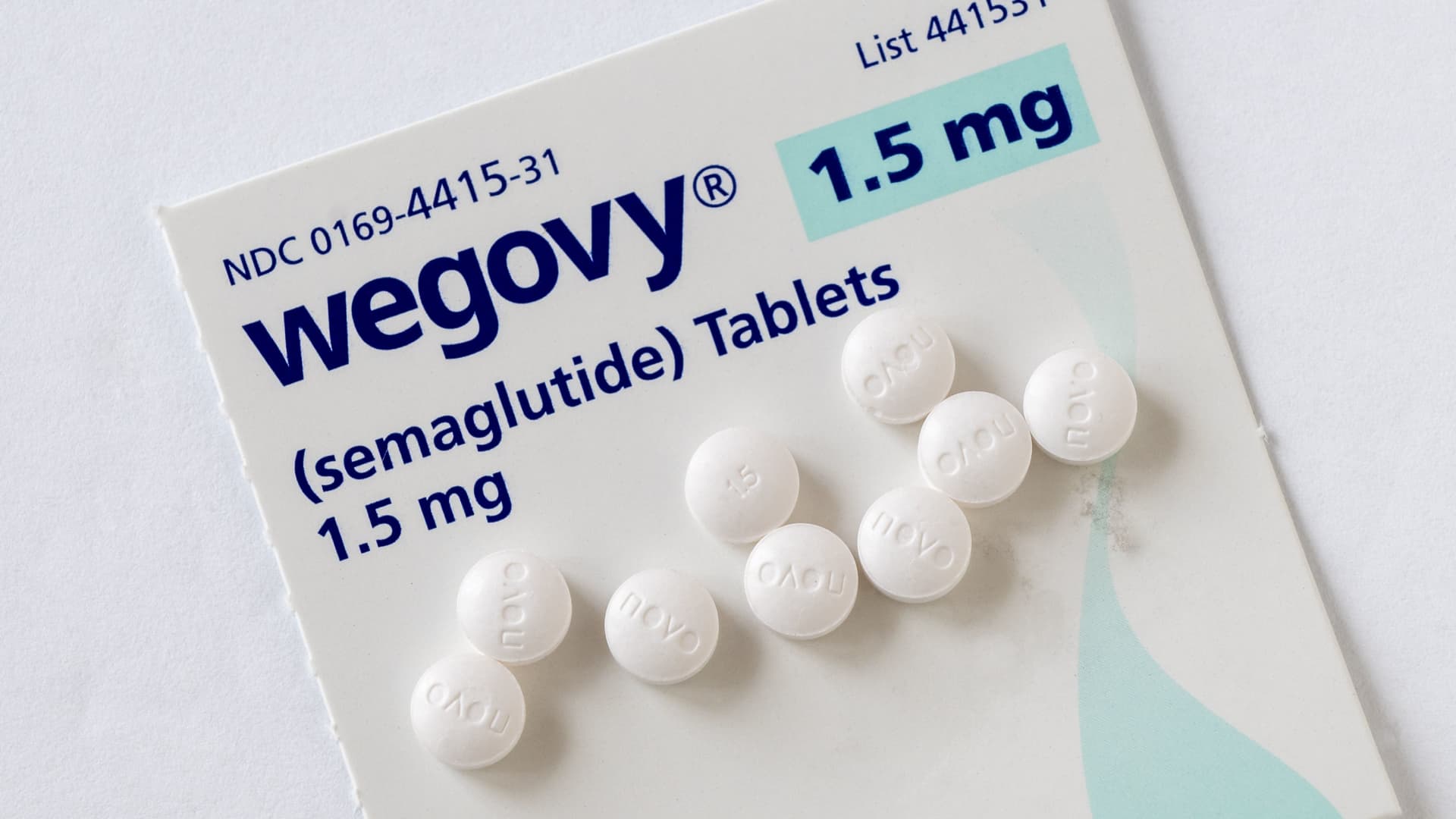
- Global Market Expansion: Novo Nordisk is preparing to launch the Wegovy pill outside the U.S., with expectations to start later this year, although specific countries remain unspecified; the decision will be based on patient interest and physician training, thus seizing growth opportunities in the global weight-loss drug market.
- Sales Forecast Adjustment: Despite over 2 million prescriptions for Wegovy in the U.S. exceeding expectations in its first quarter, Novo forecasts a decline in sales and profits between 4% and 12% by 2026, primarily due to lower prices in the U.S. and generic competition in markets like India and Canada.
- Changing Competitive Landscape: The rivalry between Novo and Eli Lilly intensifies, with Lilly expecting a 28% sales growth this year while Novo faces downward pressure on sales, highlighting the fierce competition for market share in the weight-loss sector.
- Patient Access Channels: Novo emphasizes broadening patient access to Wegovy through telehealth, particularly in Germany, where the convenience of telehealth has made it easier for patients to receive treatment, reflecting the company's sensitivity and adaptability to patient needs in the global market.
See More

Novartis to Close Wehr Facility by End of 2028
- Production Strategy Shift: Novartis plans to close its Wehr manufacturing site by the end of 2028, which primarily produces solid oral dosage forms, due to its lack of competitiveness, resulting in an expected reduction of around 220 jobs, marking a significant shift in the company's production strategy.
- Commitment to Transparency: Novartis emphasizes a responsible and transparent approach in communicating with employee representatives through Germany's legally required information and consultation procedures, acknowledging the uncertainty this decision creates for employees and the local community.
- Ongoing Investment Commitment: Despite the closure of the Wehr facility, Novartis reaffirms its commitment to the German market by continuing investments in research, development, and clinical studies, ensuring that the supply of medicines to patients remains unaffected.
- Investment in Innovative Manufacturing: Novartis has announced a €35 million investment in a new radioligand therapy production facility in Halle, expected to begin operations in 2027, aimed at providing personalized cancer therapies for patients in Germany, reflecting the company's strategic push towards innovative manufacturing technologies.
See More

German Stock Market Hit Hard by New COVID Variant Concerns

- Market Reaction: The German stock market has faced a significant blow due to concerns over a new COVID variant emerging in South Africa, leading to a sharp decline in major indices and reflecting investor anxiety about a potential resurgence of the pandemic.
- Holiday Impact: With most global stock markets closed for Labor Day, trading volumes have plummeted, particularly in Asia where markets in Hong Kong and the mainland remained shut, exacerbating market uncertainty.
- Economic Outlook: Despite the European Central Bank and Bank of England holding rates steady, expectations for future rate hikes have risen, with traders pricing in a 75% chance of an ECB hike in June, which could impact investor confidence moving forward.
- Industry Dynamics: In the U.S., Apple has issued a better-than-expected revenue forecast, showcasing strong sales and earnings, which may positively influence global markets, particularly in the tech sector.
See More
Novartis Reports New Data on PSMA-Positive Prostate Cancer
- Clinical Trial Results: Novartis presented data at the 2026 ASCO Annual Meeting showing that Pluvicto combined with standard care significantly improves rPFS in PSMA-positive metastatic hormone-sensitive prostate cancer patients, with a 28% reduction in risk of progression or death.
- Subgroup Analysis: The study evaluated outcomes based on disease volume (high or low) and presentation, revealing consistent rPFS improvements across key subgroups, thereby validating its potential for early diagnosis applications.
- Consistency in Secondary Endpoints: Secondary endpoints for disease progression were consistent with primary endpoints, indicating that Pluvicto effectively delays disease progression, reinforcing its rationale as an early treatment option.
- Market Impact: These findings support the early use of Pluvicto following PSMA-positive metastatic prostate cancer diagnosis, potentially driving Novartis's market share growth in this sector and enhancing overall company performance.
See More
BioArctic AB Reports Strong Earnings, Positive Outlook for Leqembi Sales
- Strong Financial Performance: BioArctic AB (BRCTF) reported over EUR 500 million in sales through its partner ACI for the fiscal year, indicating significant market potential in Alzheimer's treatment, with Leqembi sales expected to exceed USD 900 million in 2026, further solidifying its market position.
- Increased R&D Investment: The company anticipates a 40% to 60% rise in R&D spending compared to last year, primarily directed towards programs nearing IND-enabling stages, particularly the Ixidabumab project related to Parkinson's disease, which will enhance future product development and market competitiveness.
- Market Access Challenges: Despite facing challenges in market access for Leqembi in Sweden due to conservative health economic modeling assumptions, the company is actively exploring alternative pathways to ensure patient access, demonstrating its strong commitment to the market.
- Robust Financial Position: BioArctic AB currently holds over 2 billion Swedish crowns in cash reserves, which not only secures ongoing investments in projects but also lays the groundwork for potential dividend payments in the future, thereby boosting investor confidence.
See More
Analysis of Trends in International Stock ETF Investments
- U.S. Stock Underperformance: Over the past year, the S&P 500 has underperformed compared to international markets like Japan's Nikkei 225 and Canada's S&P/TSX, indicating a potential shift in investor confidence away from U.S. equities, which could lead to capital outflows.
- International ETF Returns: The iShares Core MSCI Total International Stock ETF has delivered an annualized return of 17.7% over the past three years, holding 4,160 stocks with a low expense ratio of 0.07%, providing investors with a cost-effective way to gain exposure to international markets.
- High Dividend ETF Performance: The Vanguard International High Dividend Yield ETF has outperformed the other two funds with a 21% annualized return over three years and a trailing dividend yield of 3.47%, showcasing its competitiveness in high-yield investments.
- Strategy for Choosing International ETFs: While the S&P 500 has outperformed these international ETFs over the past five years, the Vanguard International High Dividend Yield ETF has excelled in the past year, suggesting that investors should select international ETFs based on their specific goals and investment styles.
See More
Novo Nordisk Goes All In on Wegovy Global Launch
- Global Market Expansion: Novo Nordisk is preparing to launch the Wegovy pill outside the U.S., with expectations to start later this year, although specific countries remain unspecified; the decision will be based on patient interest and physician training, thus seizing growth opportunities in the global weight-loss drug market.
- Sales Forecast Adjustment: Despite over 2 million prescriptions for Wegovy in the U.S. exceeding expectations in its first quarter, Novo forecasts a decline in sales and profits between 4% and 12% by 2026, primarily due to lower prices in the U.S. and generic competition in markets like India and Canada.
- Changing Competitive Landscape: The rivalry between Novo and Eli Lilly intensifies, with Lilly expecting a 28% sales growth this year while Novo faces downward pressure on sales, highlighting the fierce competition for market share in the weight-loss sector.
- Patient Access Channels: Novo emphasizes broadening patient access to Wegovy through telehealth, particularly in Germany, where the convenience of telehealth has made it easier for patients to receive treatment, reflecting the company's sensitivity and adaptability to patient needs in the global market.
See More
Novartis to Close Wehr Facility by End of 2028
- Production Strategy Shift: Novartis plans to close its Wehr manufacturing site by the end of 2028, which primarily produces solid oral dosage forms, due to its lack of competitiveness, resulting in an expected reduction of around 220 jobs, marking a significant shift in the company's production strategy.
- Commitment to Transparency: Novartis emphasizes a responsible and transparent approach in communicating with employee representatives through Germany's legally required information and consultation procedures, acknowledging the uncertainty this decision creates for employees and the local community.
- Ongoing Investment Commitment: Despite the closure of the Wehr facility, Novartis reaffirms its commitment to the German market by continuing investments in research, development, and clinical studies, ensuring that the supply of medicines to patients remains unaffected.
- Investment in Innovative Manufacturing: Novartis has announced a €35 million investment in a new radioligand therapy production facility in Halle, expected to begin operations in 2027, aimed at providing personalized cancer therapies for patients in Germany, reflecting the company's strategic push towards innovative manufacturing technologies.
See More
German Stock Market Hit Hard by New COVID Variant Concerns
- Market Reaction: The German stock market has faced a significant blow due to concerns over a new COVID variant emerging in South Africa, leading to a sharp decline in major indices and reflecting investor anxiety about a potential resurgence of the pandemic.
- Holiday Impact: With most global stock markets closed for Labor Day, trading volumes have plummeted, particularly in Asia where markets in Hong Kong and the mainland remained shut, exacerbating market uncertainty.
- Economic Outlook: Despite the European Central Bank and Bank of England holding rates steady, expectations for future rate hikes have risen, with traders pricing in a 75% chance of an ECB hike in June, which could impact investor confidence moving forward.
- Industry Dynamics: In the U.S., Apple has issued a better-than-expected revenue forecast, showcasing strong sales and earnings, which may positively influence global markets, particularly in the tech sector.
See More