Aluminium Bahrain Faces Iranian Attack, Production Cut
- Production Capacity Reduction: Aluminium Bahrain has cut its production capacity by 19% of its 1.6 million tons annual output due to ongoing supply and transit disruptions in the Strait of Hormuz, aiming to maintain business continuity, although this raises fears of a global aluminum shortage.
- Price Volatility: Aluminum prices surged to four-year highs earlier this month before retreating slightly, yet they remain 4.3% above February 27 levels, indicating heightened market anxiety regarding aluminum supply.
- Geopolitical Impact: Iran's retaliatory strikes against U.S. and Israeli attacks have escalated, with Houthi fighters participating for the first time, potentially disrupting global trade, particularly maritime traffic through the Bab el-Mandeb Strait.
- U.S. Military Involvement: The increased U.S. troop presence in the Gulf raises concerns about a ground invasion, which could prolong the conflict and create uncertainty for the global economy, especially in energy markets.
Trade with 70% Backtested Accuracy
Analyst Views on CENX

About CENX
About the author

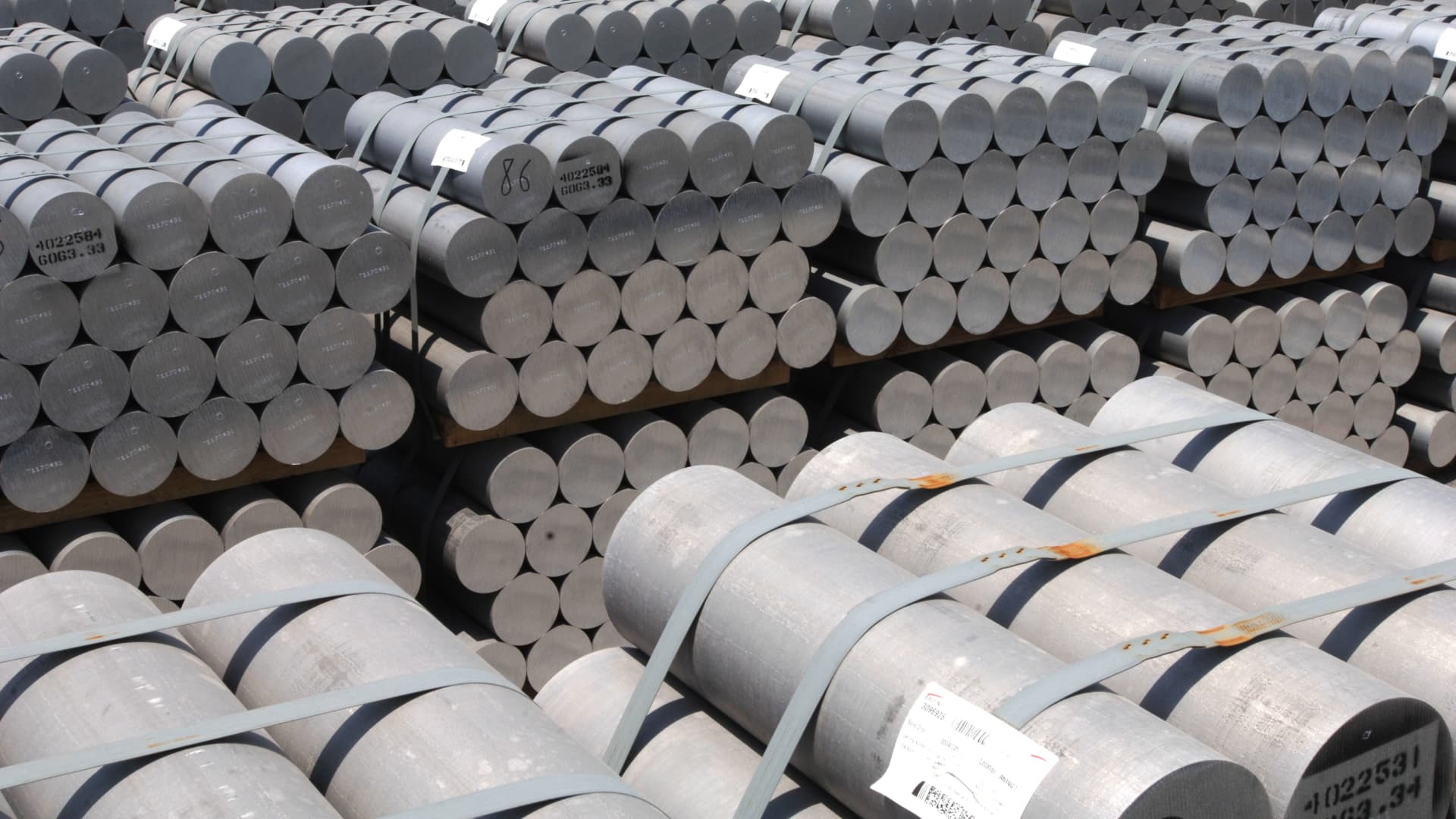
Aluminium Bahrain Faces Iranian Attack, Production Cut
- Production Capacity Reduction: Aluminium Bahrain has cut its production capacity by 19% of its 1.6 million tons annual output due to ongoing supply and transit disruptions in the Strait of Hormuz, aiming to maintain business continuity, although this raises fears of a global aluminum shortage.
- Price Volatility: Aluminum prices surged to four-year highs earlier this month before retreating slightly, yet they remain 4.3% above February 27 levels, indicating heightened market anxiety regarding aluminum supply.
- Geopolitical Impact: Iran's retaliatory strikes against U.S. and Israeli attacks have escalated, with Houthi fighters participating for the first time, potentially disrupting global trade, particularly maritime traffic through the Bab el-Mandeb Strait.
- U.S. Military Involvement: The increased U.S. troop presence in the Gulf raises concerns about a ground invasion, which could prolong the conflict and create uncertainty for the global economy, especially in energy markets.
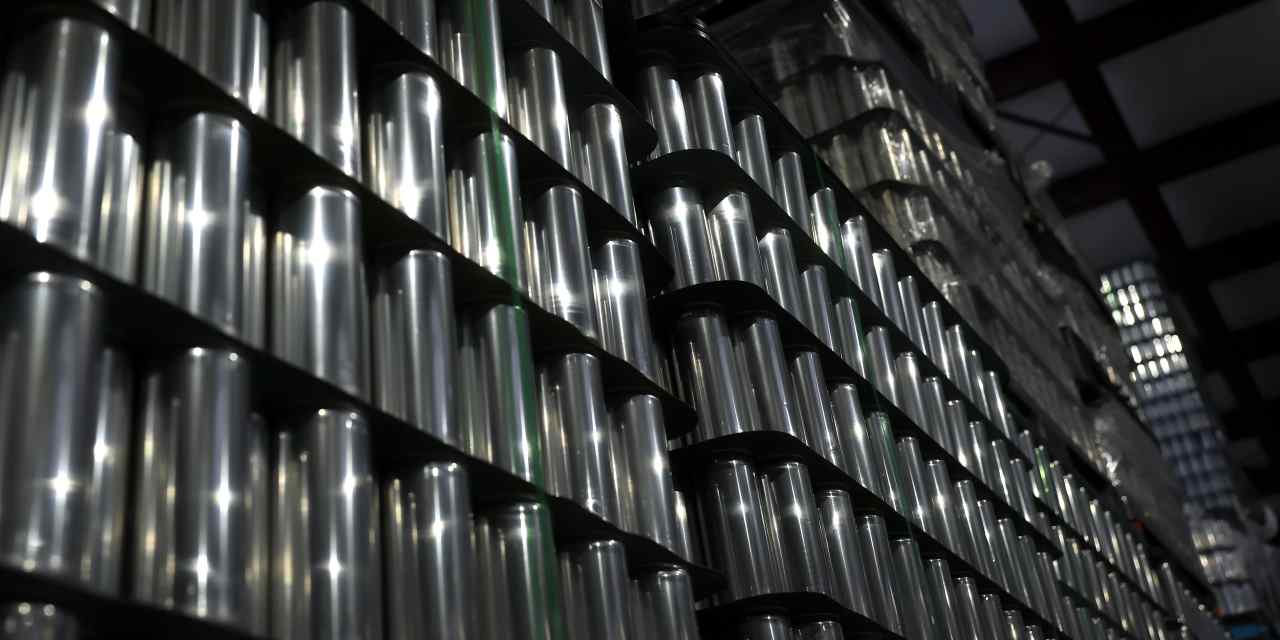
The Impact of the Iran War on the Prices of Your Next Car or Appliance

Impact of War on Aluminum Supplies: The ongoing war in Iran significantly threatens aluminum supplies, which are crucial for various industries.
Pre-existing Supply Issues: Prior to the conflict, the aluminum market was already facing a structural deficit, indicating that the situation could worsen.
Consequences of Shortages: A further shortage of aluminum could lead to substantial knock-on effects across multiple sectors, including automotive and household goods.
Broader Economic Implications: The aluminum supply crisis may have wider economic repercussions, affecting production and pricing in numerous industries reliant on this metal.
Century Aluminum CEO Sells 150,000 Shares for $8.32 Million
- Executive Stock Sale: Century Aluminum CEO Jesse Gary sold 150,000 shares on March 16, 2026, for approximately $8.32 million, marking the largest individual sale in the past three years, indicating strong confidence in the company's future prospects.
- Shareholding Changes: Post-transaction, Gary holds 277,227 shares directly and 142,580 shares indirectly, with a direct ownership value of $15.4 million, reflecting his continued positive outlook on the company's long-term growth.
- Rising Aluminum Prices: Aluminum prices surged to $3,440 per metric ton on March 16, 2026, due to ongoing geopolitical tensions, highlighting strong market demand for aluminum and further enhancing Century Aluminum's growth potential.
- Strategic Partnership Outlook: The partnership with Emirates Global Aluminum to build the first U.S. aluminum smelting plant in 47 years is expected to create 1,000 jobs, underscoring the company's pivotal role in domestic aluminum production and its strategic significance for future growth.

Century Aluminum CEO Sells 150,000 Shares for $8.32 Million
- Executive Sell-off: Jesse Gary, CEO of Century Aluminum, sold 150,000 indirect shares on March 16, 2026, generating approximately $8.32 million at $55.47 per share, representing 51.27% of indirect holdings and 26.32% of total holdings, indicating a cautious outlook from the executive regarding the company's future.
- Rising Aluminum Prices: Amid ongoing geopolitical tensions, aluminum futures surged to $3,440 per metric ton on March 16, 2026, nearing a four-year high, which could positively impact Century Aluminum's profitability, especially given the strong demand for its aluminum products.
- Strategic Partnership: Century Aluminum has formed a landmark partnership with Emirates Global Aluminum to build the first aluminum smelting plant in the U.S. in 47 years, expected to add 1,000 jobs to the market, with Century holding a 40% stake in the project, significantly enhancing its market position.
- Stock Performance: Century Aluminum's stock soared approximately 150% in 2025 and rose about 22% as of March 21, 2026, reflecting the company's strong growth potential in the aluminum market, although analysts remain cautious about its future performance.
Century Aluminum CEO Sells 150,000 Shares Amid Soaring Aluminum Prices
- Transaction Overview: Jesse Gary, CEO of Century Aluminum, sold 150,000 shares on March 16, 2026, for approximately $8.32 million, marking the largest individual sale in the past three years, indicating a focus on liquidity by the executive.
- Indirect Sale Implications: The shares sold were held in a revocable trust controlled by Gary, and the transaction was executed under a completed Rule 10b5-1 plan, suggesting pre-arranged liquidity rather than discretionary selling, which may affect market confidence in the company's management.
- Rising Aluminum Prices Context: As of March 16, 2026, aluminum futures rose to $3,440 per metric ton, nearing a four-year high, reflecting sustained demand amid geopolitical tensions, which could lead to increased revenue and profits for Century Aluminum.
- Strategic Partnership Outlook: Century Aluminum's partnership with Emirates Global Aluminum to build the first aluminum smelting plant in the U.S. in 47 years is expected to create 1,000 jobs, with Century holding a 40% stake in the project, highlighting its significant strategic position in domestic aluminum production.
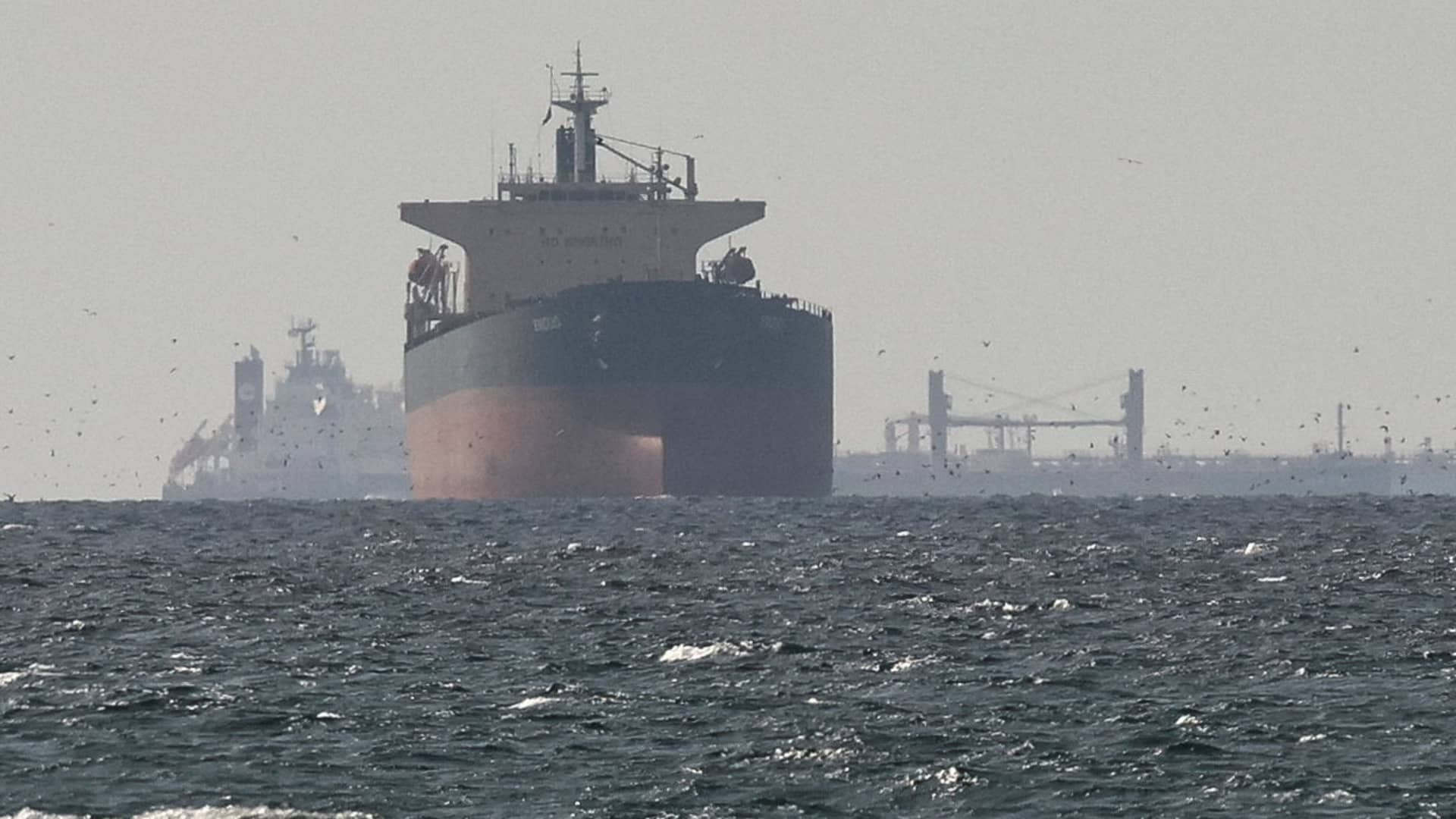
Strait of Hormuz Situation Disrupts Global Supply Chains
- Oil Price Volatility: The International Energy Agency's unprecedented release of 400 million barrels from reserves comes as oil shipments through the Strait of Hormuz halt, creating upward pressure on oil prices that could slow economic growth in the U.S. and globally.
- Aluminum Supply Tightening: With the Middle East accounting for 21% of U.S. unwrought aluminum imports in 2025, escalating conflict could drive aluminum prices higher, impacting production costs in automotive, aerospace, and construction sectors, thereby increasing manufacturing pressures.
- Fertilizer Price Surge: Urea prices at the New Orleans fertilizer hub have risen from $475 to $680 per metric ton, and potential disruptions during the spring planting season could exacerbate food inflation, affecting soybean and corn cultivation.
- Retail Cost Increases: Rerouting shipping lanes may extend consumer delivery times by 1 to 10 days while raising logistics costs by 5% to 20%, leading retailers to face higher inbound logistics costs and inventory delays, ultimately pushing up product prices.
Aluminium Bahrain Faces Iranian Attack, Production Cut
- Production Capacity Reduction: Aluminium Bahrain has cut its production capacity by 19% of its 1.6 million tons annual output due to ongoing supply and transit disruptions in the Strait of Hormuz, aiming to maintain business continuity, although this raises fears of a global aluminum shortage.
- Price Volatility: Aluminum prices surged to four-year highs earlier this month before retreating slightly, yet they remain 4.3% above February 27 levels, indicating heightened market anxiety regarding aluminum supply.
- Geopolitical Impact: Iran's retaliatory strikes against U.S. and Israeli attacks have escalated, with Houthi fighters participating for the first time, potentially disrupting global trade, particularly maritime traffic through the Bab el-Mandeb Strait.
- U.S. Military Involvement: The increased U.S. troop presence in the Gulf raises concerns about a ground invasion, which could prolong the conflict and create uncertainty for the global economy, especially in energy markets.
The Impact of the Iran War on the Prices of Your Next Car or Appliance
Impact of War on Aluminum Supplies: The ongoing war in Iran significantly threatens aluminum supplies, which are crucial for various industries.
Pre-existing Supply Issues: Prior to the conflict, the aluminum market was already facing a structural deficit, indicating that the situation could worsen.
Consequences of Shortages: A further shortage of aluminum could lead to substantial knock-on effects across multiple sectors, including automotive and household goods.
Broader Economic Implications: The aluminum supply crisis may have wider economic repercussions, affecting production and pricing in numerous industries reliant on this metal.
Century Aluminum CEO Sells 150,000 Shares for $8.32 Million
- Executive Stock Sale: Century Aluminum CEO Jesse Gary sold 150,000 shares on March 16, 2026, for approximately $8.32 million, marking the largest individual sale in the past three years, indicating strong confidence in the company's future prospects.
- Shareholding Changes: Post-transaction, Gary holds 277,227 shares directly and 142,580 shares indirectly, with a direct ownership value of $15.4 million, reflecting his continued positive outlook on the company's long-term growth.
- Rising Aluminum Prices: Aluminum prices surged to $3,440 per metric ton on March 16, 2026, due to ongoing geopolitical tensions, highlighting strong market demand for aluminum and further enhancing Century Aluminum's growth potential.
- Strategic Partnership Outlook: The partnership with Emirates Global Aluminum to build the first U.S. aluminum smelting plant in 47 years is expected to create 1,000 jobs, underscoring the company's pivotal role in domestic aluminum production and its strategic significance for future growth.
Century Aluminum CEO Sells 150,000 Shares for $8.32 Million
- Executive Sell-off: Jesse Gary, CEO of Century Aluminum, sold 150,000 indirect shares on March 16, 2026, generating approximately $8.32 million at $55.47 per share, representing 51.27% of indirect holdings and 26.32% of total holdings, indicating a cautious outlook from the executive regarding the company's future.
- Rising Aluminum Prices: Amid ongoing geopolitical tensions, aluminum futures surged to $3,440 per metric ton on March 16, 2026, nearing a four-year high, which could positively impact Century Aluminum's profitability, especially given the strong demand for its aluminum products.
- Strategic Partnership: Century Aluminum has formed a landmark partnership with Emirates Global Aluminum to build the first aluminum smelting plant in the U.S. in 47 years, expected to add 1,000 jobs to the market, with Century holding a 40% stake in the project, significantly enhancing its market position.
- Stock Performance: Century Aluminum's stock soared approximately 150% in 2025 and rose about 22% as of March 21, 2026, reflecting the company's strong growth potential in the aluminum market, although analysts remain cautious about its future performance.
Century Aluminum CEO Sells 150,000 Shares Amid Soaring Aluminum Prices
- Transaction Overview: Jesse Gary, CEO of Century Aluminum, sold 150,000 shares on March 16, 2026, for approximately $8.32 million, marking the largest individual sale in the past three years, indicating a focus on liquidity by the executive.
- Indirect Sale Implications: The shares sold were held in a revocable trust controlled by Gary, and the transaction was executed under a completed Rule 10b5-1 plan, suggesting pre-arranged liquidity rather than discretionary selling, which may affect market confidence in the company's management.
- Rising Aluminum Prices Context: As of March 16, 2026, aluminum futures rose to $3,440 per metric ton, nearing a four-year high, reflecting sustained demand amid geopolitical tensions, which could lead to increased revenue and profits for Century Aluminum.
- Strategic Partnership Outlook: Century Aluminum's partnership with Emirates Global Aluminum to build the first aluminum smelting plant in the U.S. in 47 years is expected to create 1,000 jobs, with Century holding a 40% stake in the project, highlighting its significant strategic position in domestic aluminum production.
Strait of Hormuz Situation Disrupts Global Supply Chains
- Oil Price Volatility: The International Energy Agency's unprecedented release of 400 million barrels from reserves comes as oil shipments through the Strait of Hormuz halt, creating upward pressure on oil prices that could slow economic growth in the U.S. and globally.
- Aluminum Supply Tightening: With the Middle East accounting for 21% of U.S. unwrought aluminum imports in 2025, escalating conflict could drive aluminum prices higher, impacting production costs in automotive, aerospace, and construction sectors, thereby increasing manufacturing pressures.
- Fertilizer Price Surge: Urea prices at the New Orleans fertilizer hub have risen from $475 to $680 per metric ton, and potential disruptions during the spring planting season could exacerbate food inflation, affecting soybean and corn cultivation.
- Retail Cost Increases: Rerouting shipping lanes may extend consumer delivery times by 1 to 10 days while raising logistics costs by 5% to 20%, leading retailers to face higher inbound logistics costs and inventory delays, ultimately pushing up product prices.