Alphabet's Leading Edge in AI Innovations
Written by Emily J. Thompson, Senior Investment Analyst
Updated: 1 hour ago
0mins
Should l Buy GOOGL?
Source: Fool
- AI Model Innovation: Alphabet's Gemini AI model leads in video and image generation, with OpenAI's competing product Sora shutting down, showcasing Alphabet's dominance in the market.
- Custom Chip Advantage: The TPU developed in collaboration with Broadcom allows Alphabet to achieve significant cost advantages in AI training and inference, enabling operations at lower costs than competitors relying on Nvidia GPUs, thereby enhancing its market competitiveness.
- Memory Compression Algorithm: The newly announced TurboQuant algorithm reduces working memory needs by at least 6x while increasing processing speeds by 8x, further solidifying Alphabet's cost advantages in AI and enhancing product performance.
- Positive Market Outlook: As AI technology progresses, Alphabet's leadership in cost reduction will likely allow it to maintain a dominant market position in the coming years, making it a prime AI stock for investors.
Trade with 70% Backtested Accuracy
Stop guessing "Should I Buy GOOGL?" and start using high-conviction signals backed by rigorous historical data.
Sign up today to access powerful investing tools and make smarter, data-driven decisions.
Analyst Views on GOOGL
Wall Street analysts forecast GOOGL stock price to rise
33 Analyst Rating
26 Buy
7 Hold
0 Sell
Strong Buy
Current: 280.920

Low
305.00
Averages
374.25
High
400.00
Current: 280.920
Low
305.00
Averages
374.25
High
400.00
About GOOGL
Alphabet Inc. is a holding company. The Company's segments include Google Services, Google Cloud, and Other Bets. The Google Services segment includes products and services such as ads, Android, Chrome, devices, Google Maps, Google Play, Search, and YouTube. The Google Cloud segment includes infrastructure and platform services, collaboration tools, and other services for enterprise customers. Its Other Bets segment is engaged in the sale of healthcare-related services and Internet services. Its Google Cloud provides enterprise-ready cloud services, including Google Cloud Platform and Google Workspace. Google Cloud Platform provides access to solutions such as artificial intelligence (AI) offerings, including its AI infrastructure, Vertex AI platform, and Gemini for Google Cloud; cybersecurity, and data and analytics. Google Workspace includes cloud-based communication and collaboration tools for enterprises, such as Calendar, Gmail, Docs, Drive, and Meet.
About the author

Emily J. Thompson
Emily J. Thompson, a Chartered Financial Analyst (CFA) with 12 years in investment research, graduated with honors from the Wharton School. Specializing in industrial and technology stocks, she provides in-depth analysis for Intellectia’s earnings and market brief reports.

Alphabet's New Algorithm Enhances Cost Advantage


- Cost Advantage Enhancement: Alphabet's new AI memory compression algorithm, TurboQuant, is expected to reduce working memory needs by at least 6x while increasing processing speeds by 8x, significantly enhancing its cost competitiveness in the AI sector and further solidifying its market leadership.
- Hardware Ecosystem: The company has built a comprehensive hardware and software ecosystem around its tensor processing units (TPUs), developed in collaboration with Broadcom, allowing it to train the Gemini model at a much lower cost than competitors relying on Nvidia's graphics processing units, creating a long-term structural cost advantage.
- Market Competition Dynamics: OpenAI's shutdown of its competing product Sora signifies Alphabet's dominance in the AI video generation market, highlighting its ongoing advantages in innovation and technology leadership, which may attract more investor interest in its stock.
- Future Outlook: As AI technology continues to advance, Alphabet is poised to further expand its market share by driving down costs, positioning itself as a key player in the future of AI, thereby attracting sustained investor attention and confidence.
See More
Alphabet's Leading Edge in AI Innovations
- AI Model Innovation: Alphabet's Gemini AI model leads in video and image generation, with OpenAI's competing product Sora shutting down, showcasing Alphabet's dominance in the market.
- Custom Chip Advantage: The TPU developed in collaboration with Broadcom allows Alphabet to achieve significant cost advantages in AI training and inference, enabling operations at lower costs than competitors relying on Nvidia GPUs, thereby enhancing its market competitiveness.
- Memory Compression Algorithm: The newly announced TurboQuant algorithm reduces working memory needs by at least 6x while increasing processing speeds by 8x, further solidifying Alphabet's cost advantages in AI and enhancing product performance.
- Positive Market Outlook: As AI technology progresses, Alphabet's leadership in cost reduction will likely allow it to maintain a dominant market position in the coming years, making it a prime AI stock for investors.
See More
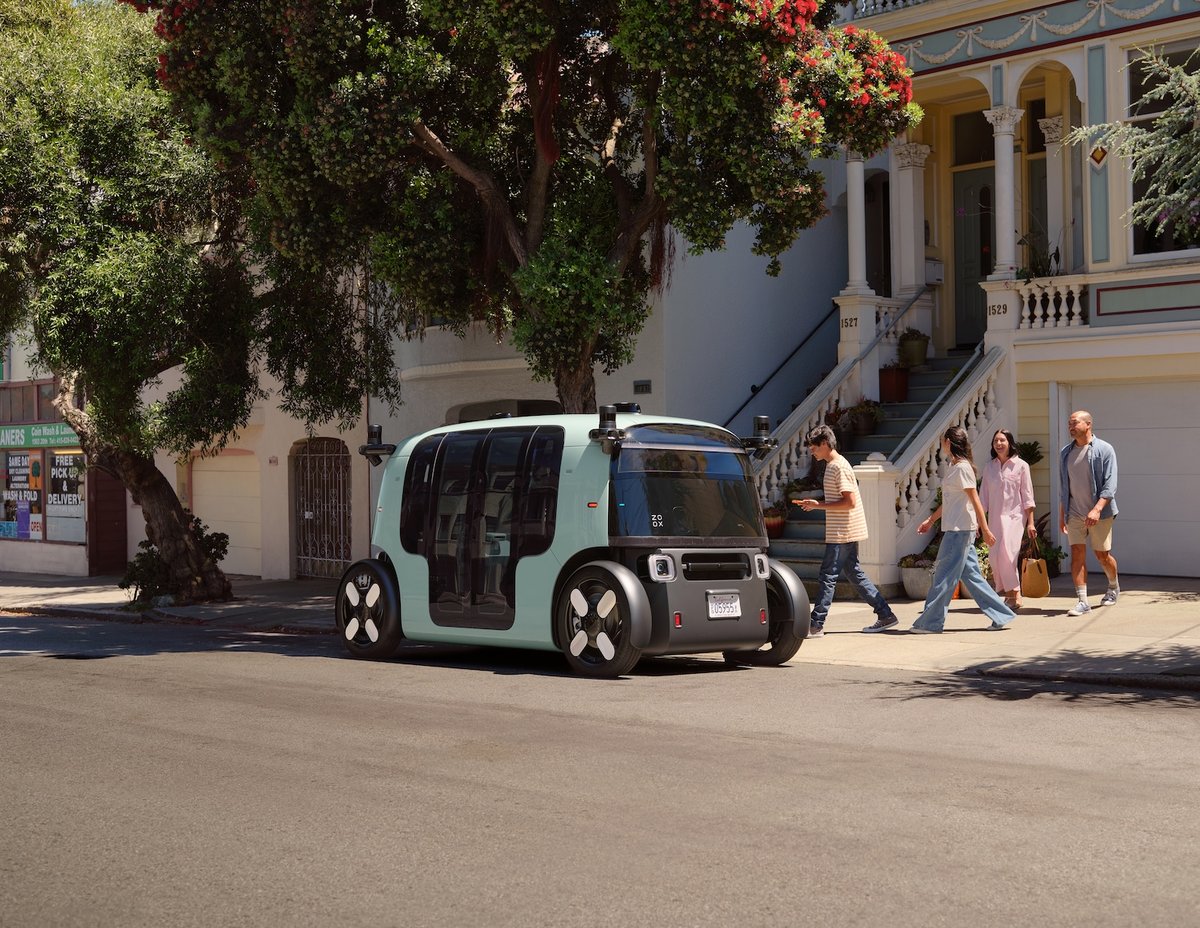
Zoox Expands Robotaxi Service to Austin and Miami

- Market Expansion Plans: Zoox plans to launch its robotaxi service in Austin and Miami later this year while quadrupling its service area in San Francisco and further expanding into Las Vegas, demonstrating its proactive approach in the autonomous driving market.
- Significant User Growth: Since launching in Las Vegas, Zoox has logged nearly 2 million autonomous miles and transported over 350,000 riders, with more than 500,000 people already on its waitlist, indicating strong demand for its services.
- Revenue Potential Unresolved: Despite Zoox's strong expansion momentum, all rides are currently free due to the lack of federal approval to charge, with a decision from the NHTSA expected in April that will directly impact Zoox's commercialization efforts.
- Competitive Industry Pressure: Compared to Waymo, Zoox still faces significant gaps in commercialization and revenue, as Waymo has achieved $350 million in annual recurring revenue and plans to launch commercial services in 10 new cities, necessitating Zoox to accelerate its pace to address fierce competition.
See More

Zoox Expands Self-Driving Car Service to Austin and Miami
- Service Expansion Plans: Zoox is set to launch its robotaxi service in Austin and Miami later this year while also expanding its service area in San Francisco and Las Vegas, indicating a proactive approach in the autonomous driving market.
- Milestone Achievements: Since its launch in Las Vegas less than a year ago, Zoox has logged nearly 2 million miles, transported over 350,000 riders, and has more than 500,000 people on its waitlist, showcasing strong user demand and market potential.
- Revenue Challenges: Despite the exciting expansion plans, Zoox currently lacks federal approval to charge for rides, meaning all services are free and the company has yet to generate any revenue, facing fierce competition from rivals like Waymo.
- Market Outlook: According to Goldman Sachs, autonomous vehicle services are projected to generate $7 billion in annual sales by 2030, capturing about 8% of the U.S. rideshare market, and Zoox must quickly demonstrate its profitability to establish a foothold in this competitive landscape.
See More
2026 Economic Outlook and Uber Developments


- GDP Growth Slowdown: The GDP growth rate for Q1 2026 is only 0.7%, significantly lower than the previous estimate of 1.4%, indicating a sluggish economic recovery that may dampen investor confidence and negatively impact stock market performance.
- Rising Inflation Pressure: With inflation exceeding 3% in January, combined with slowing GDP growth, concerns about stagflation may arise, leading to reduced consumer spending and threatening corporate profitability.
- Surge in Oil Prices: West Texas Intermediate crude oil prices have surged from $57 on January 2 to $93, even exceeding $100 at times, increasing consumer energy expenditure pressure and potentially suppressing spending in other areas.
- Uber's Autonomous Driving Partnerships: Uber has recently formed partnerships with several companies, including Waymo and Lucid, indicating its proactive positioning in the autonomous driving sector, which may lay the groundwork for future market share growth.
See More

2026 Economic Outlook and Oil Price Fluctuations
- GDP Growth Slowdown: The GDP growth rate for Q1 2026 is only 0.7%, significantly lower than the previous estimate of 1.4%, indicating economic stagnation that may heighten investor concerns about future economic prospects.
- High Inflation Pressure: With inflation exceeding 3% in January, combined with low growth, market fears of stagflation are rising, which could negatively impact consumer spending and business investment decisions, further dragging down economic recovery.
- Surging Oil Prices Impact: As of the recording date, West Texas Intermediate crude oil prices have reached $93 per barrel, a significant increase from $57 on January 2, which may force consumers to cut back on other expenditures due to rising energy costs, affecting overall economic activity.
- Geopolitical Risks: The rise in oil prices is primarily driven by geopolitical conflicts rather than demand growth, particularly due to uncertainties surrounding Iran, which could lead to a more pessimistic economic outlook, necessitating close monitoring of related developments.
See More
Alphabet's New Algorithm Enhances Cost Advantage
- Cost Advantage Enhancement: Alphabet's new AI memory compression algorithm, TurboQuant, is expected to reduce working memory needs by at least 6x while increasing processing speeds by 8x, significantly enhancing its cost competitiveness in the AI sector and further solidifying its market leadership.
- Hardware Ecosystem: The company has built a comprehensive hardware and software ecosystem around its tensor processing units (TPUs), developed in collaboration with Broadcom, allowing it to train the Gemini model at a much lower cost than competitors relying on Nvidia's graphics processing units, creating a long-term structural cost advantage.
- Market Competition Dynamics: OpenAI's shutdown of its competing product Sora signifies Alphabet's dominance in the AI video generation market, highlighting its ongoing advantages in innovation and technology leadership, which may attract more investor interest in its stock.
- Future Outlook: As AI technology continues to advance, Alphabet is poised to further expand its market share by driving down costs, positioning itself as a key player in the future of AI, thereby attracting sustained investor attention and confidence.
See More
Alphabet's Leading Edge in AI Innovations
- AI Model Innovation: Alphabet's Gemini AI model leads in video and image generation, with OpenAI's competing product Sora shutting down, showcasing Alphabet's dominance in the market.
- Custom Chip Advantage: The TPU developed in collaboration with Broadcom allows Alphabet to achieve significant cost advantages in AI training and inference, enabling operations at lower costs than competitors relying on Nvidia GPUs, thereby enhancing its market competitiveness.
- Memory Compression Algorithm: The newly announced TurboQuant algorithm reduces working memory needs by at least 6x while increasing processing speeds by 8x, further solidifying Alphabet's cost advantages in AI and enhancing product performance.
- Positive Market Outlook: As AI technology progresses, Alphabet's leadership in cost reduction will likely allow it to maintain a dominant market position in the coming years, making it a prime AI stock for investors.
See More
Zoox Expands Robotaxi Service to Austin and Miami
- Market Expansion Plans: Zoox plans to launch its robotaxi service in Austin and Miami later this year while quadrupling its service area in San Francisco and further expanding into Las Vegas, demonstrating its proactive approach in the autonomous driving market.
- Significant User Growth: Since launching in Las Vegas, Zoox has logged nearly 2 million autonomous miles and transported over 350,000 riders, with more than 500,000 people already on its waitlist, indicating strong demand for its services.
- Revenue Potential Unresolved: Despite Zoox's strong expansion momentum, all rides are currently free due to the lack of federal approval to charge, with a decision from the NHTSA expected in April that will directly impact Zoox's commercialization efforts.
- Competitive Industry Pressure: Compared to Waymo, Zoox still faces significant gaps in commercialization and revenue, as Waymo has achieved $350 million in annual recurring revenue and plans to launch commercial services in 10 new cities, necessitating Zoox to accelerate its pace to address fierce competition.
See More
Zoox Expands Self-Driving Car Service to Austin and Miami
- Service Expansion Plans: Zoox is set to launch its robotaxi service in Austin and Miami later this year while also expanding its service area in San Francisco and Las Vegas, indicating a proactive approach in the autonomous driving market.
- Milestone Achievements: Since its launch in Las Vegas less than a year ago, Zoox has logged nearly 2 million miles, transported over 350,000 riders, and has more than 500,000 people on its waitlist, showcasing strong user demand and market potential.
- Revenue Challenges: Despite the exciting expansion plans, Zoox currently lacks federal approval to charge for rides, meaning all services are free and the company has yet to generate any revenue, facing fierce competition from rivals like Waymo.
- Market Outlook: According to Goldman Sachs, autonomous vehicle services are projected to generate $7 billion in annual sales by 2030, capturing about 8% of the U.S. rideshare market, and Zoox must quickly demonstrate its profitability to establish a foothold in this competitive landscape.
See More
2026 Economic Outlook and Uber Developments
- GDP Growth Slowdown: The GDP growth rate for Q1 2026 is only 0.7%, significantly lower than the previous estimate of 1.4%, indicating a sluggish economic recovery that may dampen investor confidence and negatively impact stock market performance.
- Rising Inflation Pressure: With inflation exceeding 3% in January, combined with slowing GDP growth, concerns about stagflation may arise, leading to reduced consumer spending and threatening corporate profitability.
- Surge in Oil Prices: West Texas Intermediate crude oil prices have surged from $57 on January 2 to $93, even exceeding $100 at times, increasing consumer energy expenditure pressure and potentially suppressing spending in other areas.
- Uber's Autonomous Driving Partnerships: Uber has recently formed partnerships with several companies, including Waymo and Lucid, indicating its proactive positioning in the autonomous driving sector, which may lay the groundwork for future market share growth.
See More
2026 Economic Outlook and Oil Price Fluctuations
- GDP Growth Slowdown: The GDP growth rate for Q1 2026 is only 0.7%, significantly lower than the previous estimate of 1.4%, indicating economic stagnation that may heighten investor concerns about future economic prospects.
- High Inflation Pressure: With inflation exceeding 3% in January, combined with low growth, market fears of stagflation are rising, which could negatively impact consumer spending and business investment decisions, further dragging down economic recovery.
- Surging Oil Prices Impact: As of the recording date, West Texas Intermediate crude oil prices have reached $93 per barrel, a significant increase from $57 on January 2, which may force consumers to cut back on other expenditures due to rising energy costs, affecting overall economic activity.
- Geopolitical Risks: The rise in oil prices is primarily driven by geopolitical conflicts rather than demand growth, particularly due to uncertainties surrounding Iran, which could lead to a more pessimistic economic outlook, necessitating close monitoring of related developments.
See More