Alphabet Upgraded to Bullish, ZIM Maintains Hold Rating
Written by Emily J. Thompson, Senior Investment Analyst
Updated: May 21 2026
0mins
Source: seekingalpha
- Alphabet Upgrade: Analyst Steven Fiorillo upgraded Alphabet (GOOG) to Bullish, citing the tech giant's dominance in the AI sector and accelerating cloud growth as key factors, asserting that despite its current valuation, the company's future potential remains lucrative for investors.
- ZIM Rating Maintained: ZIM Integrated Shipping Services (ZIM) received a Hold rating from James Foord, who noted that despite a weak first quarter, the stock has held up well, suggesting limited downside risk and potential upside if the Hapag-Lloyd merger proceeds.
- Target Downgrade: Bay Area Ideas downgraded Target (TGT) from Buy to Hold, indicating that despite a strong turnaround with 6.7% net sales growth and raised full-year guidance, the significant stock rally has made valuations less attractive, prompting a recommendation for profit-taking.
- Nebius Downgrade: Nebius Group (NBIS) was downgraded to Hold by Denis Buivolov, who acknowledged the company's impressive AI cloud revenue and aggressive data center expansion, but noted that the stock's substantial rally has brought it close to his calculated fair value, necessitating the downgrade.
Trade with 70% Backtested Accuracy
Stop guessing "Should I Buy TGT?" and start using high-conviction signals backed by rigorous historical data.
Sign up today to access powerful investing tools and make smarter, data-driven decisions.
Analyst Views on TGT
Wall Street analysts forecast TGT stock price to fall
26 Analyst Rating
8 Buy
14 Hold
4 Sell
Hold
Current: 126.610

Low
80.00
Averages
98.83
High
126.00
Current: 126.610
Low
80.00
Averages
98.83
High
126.00
About TGT
Target Corporation is a general merchandise retailer selling products to its guests through its stores and digital channels. The Company offers customers, referred to as guests, differentiated merchandise and everyday essentials at discounted prices. The majority of its stores offer a wide assortment of general merchandise and groceries. Its merchandise categories include apparel and accessories, beauty, food and beverage, hardlines, home furnishings and decor, household essentials, and other merchandise sales. Most of its stores are larger than over 170,000 square feet, offer a variety of general merchandise and a full line of groceries comparable to traditional supermarkets. Its digital channels include merchandise assortment, including many items found in its stores, along with a complementary assortment sold by the Company and third parties through our Target Plus digital marketplace. Its brands include A New Day, All in Motion, Art Class, Auden, Ava & Viv, among others.
About the author

Emily J. Thompson
Emily J. Thompson, a Chartered Financial Analyst (CFA) with 12 years in investment research, graduated with honors from the Wharton School. Specializing in industrial and technology stocks, she provides in-depth analysis for Intellectia’s earnings and market brief reports.

Target Shareholders Reject Proposal to Separate Chair and CEO Roles

- Shareholder Vote Outcome: Target shareholders rejected a proposal at Wednesday's annual meeting to separate the roles of chair and CEO, allowing former CEO Brian Cornell to remain as executive chair despite increasing investor pressure for a more independent leadership structure.
- Failed Proposals: A proposal to publish reports on pesticide use in private-label products and efforts to reduce microfiber emissions also failed, indicating shareholders' concerns about corporate governance and environmental responsibility were not addressed.
- Market Value Decline: Target has lost approximately half of its market value since 2021, primarily due to inflation-driven consumers gravitating towards lower-priced competitors like Walmart and Costco, which has negatively impacted the company's sales and margins.
- Strategic Investment Plans: New CEO Michael Fiddelke is investing $2 billion this year to ensure well-stocked merchandise and adjust pricing to better compete with Walmart, Amazon, and off-price retailers, although the macroeconomic environment remains challenging.
See More
Chip Stocks Slide as Oracle Prepares for Earnings Report


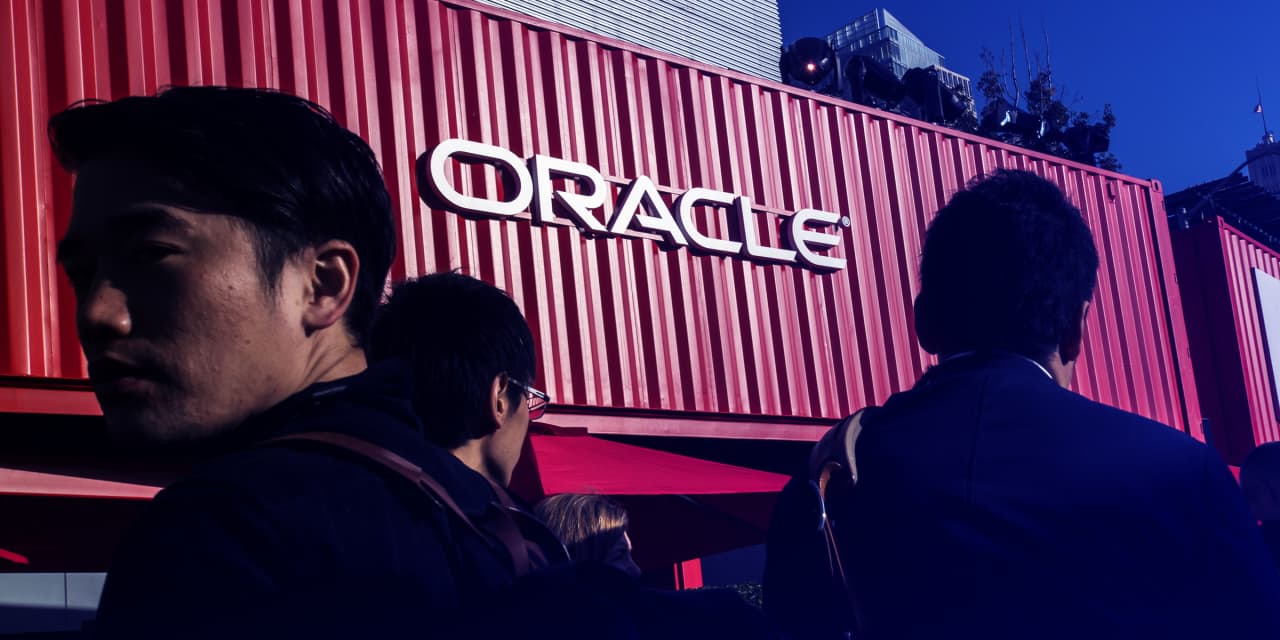
- Oracle Earnings Expectations: Oracle's stock has surged nearly 36% over the past three months, with an anticipated post-earnings move of 12%, indicating cautious optimism among investors that could influence market sentiment.
- Pharmaceutical Sector Dynamics: The S&P Health Care Index rose 1.3% on Tuesday, although it is down 3.5% from February highs, while the Pharma, Biotech, and Life Sciences sector has increased by 8.6% in the last month, reflecting investor confidence in this area.
- Target Stock Fluctuations: Target shares have risen 52% since the November low, gaining 2% on Tuesday, yet are down 5% from the April 21 high, highlighting the volatility and attention on retail stocks in the current market.
- Italy ETF Performance: The iShares MSCI Italy ETF hit a new high on Tuesday, ultimately closing up 1.5%, but has increased by 11% over the past three months, showcasing the recovery potential of the Italian market.
See More

Symbotic Signs Healthcare Contract Amid Stock Pressure


- Customer Contract Expansion: Symbotic signed a contract with Medline, a leader in medical surgical products, in April 2026, marking a successful expansion from retail to healthcare, which is expected to provide new revenue streams and enhance market competitiveness.
- Financial Performance Improvement: In Q2, Symbotic's revenue rose 23% year-over-year to a net income of $9 million, a significant turnaround from a $10 million loss in the previous year, although the earnings of one cent per share fell short of market expectations.
- Significant Backlog: Symbotic's backlog stands at $22.7 billion, ten times its fiscal 2025 revenue, indicating that the company has effectively locked in substantial revenue for the coming years, reflecting its strong position in the rapidly growing warehouse automation market.
- Shareholder Sell-off Impact: Despite SoftBank Group and its affiliates selling 5.59 million shares of Symbotic on May 27, causing a 21.4% drop in stock price, they still hold a 31.3% stake, indicating long-term confidence in the company, which investors should monitor for market sentiment shifts.
See More

Lavazza Launches 100% Coffee Tablì Capsules in U.S. Market
- Market Competition Strategy: Lavazza's launch of Tablì coffee capsules aims to challenge Keurig Dr Pepper's dominance in the single-serve coffee market, potentially attracting consumers who prioritize sustainability, particularly in the U.S. market.
- Product Innovation Background: The Tablì capsules are made from 100% coffee without any gelatin or binders, developed over five years with more than 15 patents, showcasing Lavazza's ongoing commitment to coffee product innovation.
- Financial Goals: Lavazza aims to achieve a €1 billion ($1.15 billion) business target in the U.S., with a reported 26.9% revenue growth in North America for 2025, reflecting its strategic focus and investment in the U.S. market.
- Sustainability Commitment: Lavazza's product design emphasizes environmental friendliness, leveraging Keurig's negative reputation regarding recyclability to attract eco-conscious consumers, thereby strengthening its market position.
See More

Symbotic's Warehouse Automation Market Growth
- Significant Revenue Growth: Symbotic reported a 23% year-over-year revenue increase in Q2, achieving a net income of $9 million compared to a $10 million loss in the previous year, showcasing strong performance in warehouse automation despite market disappointment over only one cent earnings per share.
- Customer Base Expansion: In April, Symbotic signed a partnership with Medline, a leader in medical surgical products, marking a successful expansion from retail to healthcare, which further solidifies its position in the rapidly growing warehouse automation market.
- Impact of Insider Selling: Although insider selling does not necessarily indicate issues within the company, the sale of 5.59 million shares by a SoftBank investment vehicle on May 27 led to further stock price declines, reflecting market concerns about the company's future.
- Strong Backlog: Symbotic's backlog stands at $22.7 billion, ten times its fiscal 2025 revenue, indicating that the company has effectively locked in revenue for several years, enhancing investor confidence in its long-term growth potential.
See More
Mammoth Brands Takes on Traditional CPG Giants

- Significant Revenue Growth: Mammoth Brands anticipates reaching $835 million in revenue for 2024, with nearly $100 million in adjusted EBITDA, reflecting a robust compound annual growth rate exceeding 20%, indicating the success of its business model and increasing market acceptance.
- IPO Plans Emerging: The company is considering an initial public offering in the second half of 2024, aiming to attract a broader investor base and enhance its capital structure to support brand investments and market expansion, showcasing confidence in its future growth.
- Ongoing Acquisition Strategy: In 2025, Mammoth acquired the premium diaper brand Coterie for over $1 billion, with Coterie reporting over $200 million in net revenue over the past year, a nearly 60% increase, highlighting Mammoth's proactive approach to expanding its product lines and market share.
- Intensifying Market Competition: As smaller brands rise, traditional CPG giants face unprecedented challenges, with Mammoth redefining consumer expectations in personal care through its direct-to-consumer model and innovative products, driving industry transformation.
See More
Target Shareholders Reject Proposal to Separate Chair and CEO Roles
- Shareholder Vote Outcome: Target shareholders rejected a proposal at Wednesday's annual meeting to separate the roles of chair and CEO, allowing former CEO Brian Cornell to remain as executive chair despite increasing investor pressure for a more independent leadership structure.
- Failed Proposals: A proposal to publish reports on pesticide use in private-label products and efforts to reduce microfiber emissions also failed, indicating shareholders' concerns about corporate governance and environmental responsibility were not addressed.
- Market Value Decline: Target has lost approximately half of its market value since 2021, primarily due to inflation-driven consumers gravitating towards lower-priced competitors like Walmart and Costco, which has negatively impacted the company's sales and margins.
- Strategic Investment Plans: New CEO Michael Fiddelke is investing $2 billion this year to ensure well-stocked merchandise and adjust pricing to better compete with Walmart, Amazon, and off-price retailers, although the macroeconomic environment remains challenging.
See More
Chip Stocks Slide as Oracle Prepares for Earnings Report
- Oracle Earnings Expectations: Oracle's stock has surged nearly 36% over the past three months, with an anticipated post-earnings move of 12%, indicating cautious optimism among investors that could influence market sentiment.
- Pharmaceutical Sector Dynamics: The S&P Health Care Index rose 1.3% on Tuesday, although it is down 3.5% from February highs, while the Pharma, Biotech, and Life Sciences sector has increased by 8.6% in the last month, reflecting investor confidence in this area.
- Target Stock Fluctuations: Target shares have risen 52% since the November low, gaining 2% on Tuesday, yet are down 5% from the April 21 high, highlighting the volatility and attention on retail stocks in the current market.
- Italy ETF Performance: The iShares MSCI Italy ETF hit a new high on Tuesday, ultimately closing up 1.5%, but has increased by 11% over the past three months, showcasing the recovery potential of the Italian market.
See More
Symbotic Signs Healthcare Contract Amid Stock Pressure
- Customer Contract Expansion: Symbotic signed a contract with Medline, a leader in medical surgical products, in April 2026, marking a successful expansion from retail to healthcare, which is expected to provide new revenue streams and enhance market competitiveness.
- Financial Performance Improvement: In Q2, Symbotic's revenue rose 23% year-over-year to a net income of $9 million, a significant turnaround from a $10 million loss in the previous year, although the earnings of one cent per share fell short of market expectations.
- Significant Backlog: Symbotic's backlog stands at $22.7 billion, ten times its fiscal 2025 revenue, indicating that the company has effectively locked in substantial revenue for the coming years, reflecting its strong position in the rapidly growing warehouse automation market.
- Shareholder Sell-off Impact: Despite SoftBank Group and its affiliates selling 5.59 million shares of Symbotic on May 27, causing a 21.4% drop in stock price, they still hold a 31.3% stake, indicating long-term confidence in the company, which investors should monitor for market sentiment shifts.
See More
Lavazza Launches 100% Coffee Tablì Capsules in U.S. Market
- Market Competition Strategy: Lavazza's launch of Tablì coffee capsules aims to challenge Keurig Dr Pepper's dominance in the single-serve coffee market, potentially attracting consumers who prioritize sustainability, particularly in the U.S. market.
- Product Innovation Background: The Tablì capsules are made from 100% coffee without any gelatin or binders, developed over five years with more than 15 patents, showcasing Lavazza's ongoing commitment to coffee product innovation.
- Financial Goals: Lavazza aims to achieve a €1 billion ($1.15 billion) business target in the U.S., with a reported 26.9% revenue growth in North America for 2025, reflecting its strategic focus and investment in the U.S. market.
- Sustainability Commitment: Lavazza's product design emphasizes environmental friendliness, leveraging Keurig's negative reputation regarding recyclability to attract eco-conscious consumers, thereby strengthening its market position.
See More
Symbotic's Warehouse Automation Market Growth
- Significant Revenue Growth: Symbotic reported a 23% year-over-year revenue increase in Q2, achieving a net income of $9 million compared to a $10 million loss in the previous year, showcasing strong performance in warehouse automation despite market disappointment over only one cent earnings per share.
- Customer Base Expansion: In April, Symbotic signed a partnership with Medline, a leader in medical surgical products, marking a successful expansion from retail to healthcare, which further solidifies its position in the rapidly growing warehouse automation market.
- Impact of Insider Selling: Although insider selling does not necessarily indicate issues within the company, the sale of 5.59 million shares by a SoftBank investment vehicle on May 27 led to further stock price declines, reflecting market concerns about the company's future.
- Strong Backlog: Symbotic's backlog stands at $22.7 billion, ten times its fiscal 2025 revenue, indicating that the company has effectively locked in revenue for several years, enhancing investor confidence in its long-term growth potential.
See More
Mammoth Brands Takes on Traditional CPG Giants
- Significant Revenue Growth: Mammoth Brands anticipates reaching $835 million in revenue for 2024, with nearly $100 million in adjusted EBITDA, reflecting a robust compound annual growth rate exceeding 20%, indicating the success of its business model and increasing market acceptance.
- IPO Plans Emerging: The company is considering an initial public offering in the second half of 2024, aiming to attract a broader investor base and enhance its capital structure to support brand investments and market expansion, showcasing confidence in its future growth.
- Ongoing Acquisition Strategy: In 2025, Mammoth acquired the premium diaper brand Coterie for over $1 billion, with Coterie reporting over $200 million in net revenue over the past year, a nearly 60% increase, highlighting Mammoth's proactive approach to expanding its product lines and market share.
- Intensifying Market Competition: As smaller brands rise, traditional CPG giants face unprecedented challenges, with Mammoth redefining consumer expectations in personal care through its direct-to-consumer model and innovative products, driving industry transformation.
See More