Acceleration of eVTOL Aircraft Commercialization in 2026
Written by Emily J. Thompson, Senior Investment Analyst
Updated: 1 day ago
0mins

Should l Buy JOBY?
Source: Fool
- FAA Certification Progress: Joby Aviation and Archer Aviation are accelerating the commercialization of electric vertical takeoff and landing (eVTOL) aircraft, with Archer completing the third stage of the FAA's four-stage certification process, becoming the first U.S. eVTOL company to do so, while Joby has successfully flown its first FAA-conforming aircraft, marking its entry into the final stage, which lays the groundwork for future commercial operations.
- Operational Plans: Both companies expect to begin U.S. operations in 2026 under a White House program, which will bring them closer to putting paying passengers in the air; although both stocks are risky, this progress indicates growing market confidence in the eVTOL concept.
- Business Model Differences: Joby Aviation adopts a vertically integrated business model, planning to manufacture its own parts and operate its aircraft through an air-taxi service similar to Uber, which, while requiring higher upfront R&D investment, could lead to higher profit margins in the long run.
- Supply Chain Control: In contrast, Archer Aviation outsources many components to reputable suppliers like Molicel and Honeywell, a strategy that may accelerate short-term progress but reduces its control over the supply chain, potentially impacting its long-term competitiveness.
Trade with 70% Backtested Accuracy
Stop guessing "Should I Buy JOBY?" and start using high-conviction signals backed by rigorous historical data.
Sign up today to access powerful investing tools and make smarter, data-driven decisions.
Analyst Views on JOBY
Wall Street analysts forecast JOBY stock price to rise
6 Analyst Rating
1 Buy
3 Hold
2 Sell
Hold
Current: 10.640

Low
8.00
Averages
15.67
High
22.00
Current: 10.640
Low
8.00
Averages
15.67
High
22.00
About JOBY
Joby Aviation, Inc. is a transportation company developing an all-electric, vertical take-off and landing air taxi. The Company is engaged in designing and testing a piloted all-electric, vertical take-off and landing (eVTOL) aircraft. The Joby eVTOL is designed to transport a pilot and up to four passengers or an expected payload of up to 1,000 pounds at speeds of up to 200 miles per hour (mph). The aircraft is optimized for urban routes, with a target range of up to 100 miles on a single charge. The Company plans to manufacture, own and operate its aircraft itself, building a vertically integrated transportation company that delivers transportation services to customers, including government agencies such as the United States Air Force (USAF) through sales or contracted operations, and to individual end-users through a convenient app-based aerial ridesharing service. It also offers a network of terminals and loyal flyers in markets like New York and in Southern Europe.
About the author

Emily J. Thompson
Emily J. Thompson, a Chartered Financial Analyst (CFA) with 12 years in investment research, graduated with honors from the Wharton School. Specializing in industrial and technology stocks, she provides in-depth analysis for Intellectia’s earnings and market brief reports.

Acceleration of eVTOL Aircraft Commercialization in 2026


- FAA Certification Progress: Joby Aviation and Archer Aviation are accelerating the commercialization of electric vertical takeoff and landing (eVTOL) aircraft, with Archer completing the third stage of the FAA's four-stage certification process, becoming the first U.S. eVTOL company to do so, while Joby has successfully flown its first FAA-conforming aircraft, marking its entry into the final stage, which lays the groundwork for future commercial operations.
- Operational Plans: Both companies expect to begin U.S. operations in 2026 under a White House program, which will bring them closer to putting paying passengers in the air; although both stocks are risky, this progress indicates growing market confidence in the eVTOL concept.
- Business Model Differences: Joby Aviation adopts a vertically integrated business model, planning to manufacture its own parts and operate its aircraft through an air-taxi service similar to Uber, which, while requiring higher upfront R&D investment, could lead to higher profit margins in the long run.
- Supply Chain Control: In contrast, Archer Aviation outsources many components to reputable suppliers like Molicel and Honeywell, a strategy that may accelerate short-term progress but reduces its control over the supply chain, potentially impacting its long-term competitiveness.
See More
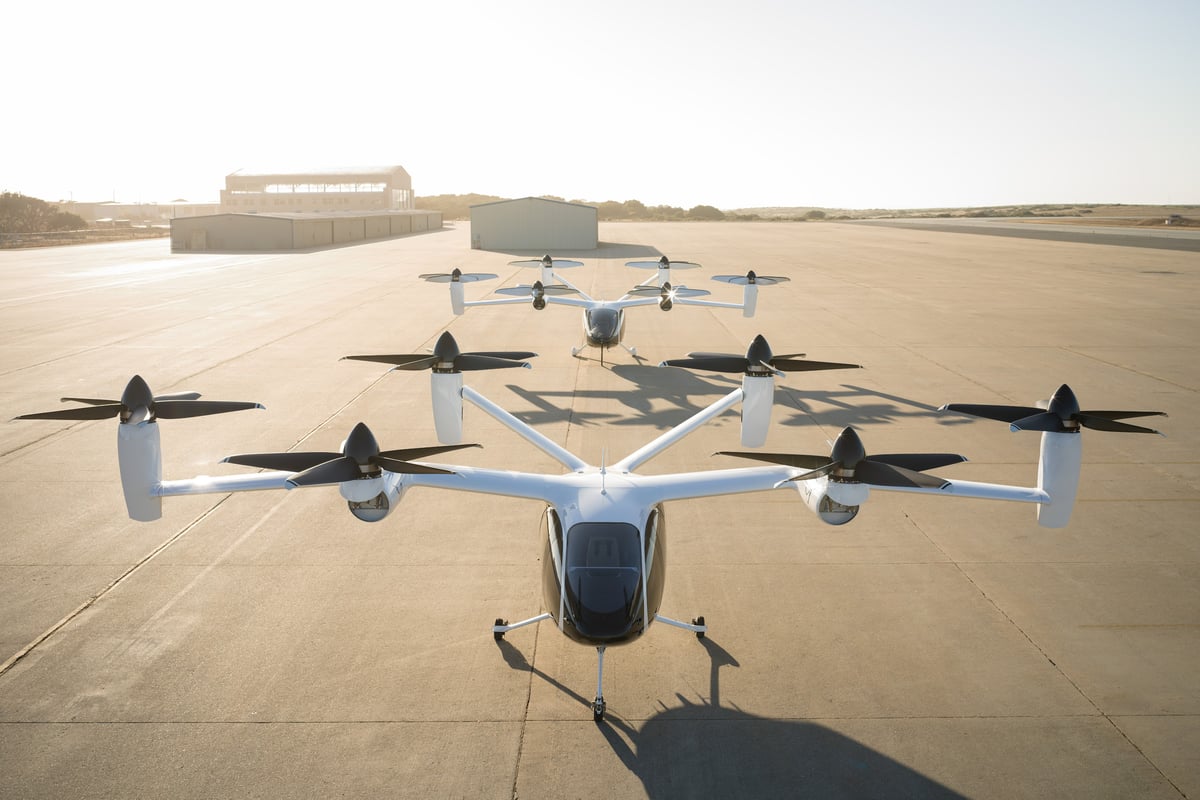
Joby Aviation: The Future of Flying Taxis

- Massive Market Potential: Morgan Stanley estimates that the eVTOL market could reach approximately $9 trillion by the middle of this century, indicating significant growth potential for the flying taxi industry, with Joby Aviation poised to play a crucial role as a pioneer.
- Clear Competitive Advantage: Joby Aviation's partnership with Uber provides a regulatory edge, and its strategy to manufacture all aircraft components in-house enhances economic control and long-term margins, positioning it favorably against rival Archer Aviation.
- Valuation and Growth Potential: With a current market cap of around $10.5 billion, if Joby reaches Uber's valuation of $155 billion, its stock could increase by approximately 15 times, presenting substantial return potential for investors despite the lack of meaningful revenue.
- Investment Risk Advisory: While Joby Aviation's positioning in a nascent industry attracts aggressive investors, its unproven business model necessitates caution, as it remains a speculative investment not suitable for placing all funds into.
See More

Archer Aviation Faces Market Challenges Amidst Certification Progress

- Strong Financial Position: Archer Aviation ended 2025 with approximately $2 billion in cash and short-term investments, providing a multi-year runway at current burn rates, which highlights its financial management strengths despite high operational costs.
- Market Expansion Progress: The UAE has identified 10 initial 'vertiport' sites, with Abu Dhabi Aviation signing on as Archer's first regional operator, indicating that the company's commercial operations are on the verge of launching, thereby enhancing its competitiveness in the Middle Eastern market.
- Significant Certification Progress: Archer has just cleared Stage 3 of 5 in its FAA Type Certification, bringing U.S. operations closer to reality, which may boost investor confidence and drive future growth.
- Increased Competitive Pressure: Despite Archer's market cap nearing $5 billion, it appears overvalued compared to its competitor Joby Aviation, which is already deep into Stage 4 of the certification process, creating pressure on Archer as the market anticipates the first company to complete certification.
See More

Archer Aviation Faces Challenges and Opportunities Ahead

- Production Targets Missed: Archer Aviation set a goal to produce 10 eVTOLs by 2024 but has only manufactured 2 to date, causing its stock price to drop from an opening of $9.90 to around $6, indicating a significant production capability gap.
- Severe Financial Condition: In 2025, Archer generated less than $1 million in revenue while posting a net loss of $618 million, and despite a market cap of $4.85 billion, ongoing losses may undermine investor confidence.
- Significant Market Potential: The global eVTOL market is projected to expand at a 23.5% CAGR from 2025 to 2034, highlighting future growth opportunities, particularly in air taxi and cargo transport sectors.
- Strong Investor Support: With Stellantis as its largest investor, Archer is poised to ramp up production; if it successfully launches commercial flights and secures FAA approval, analysts expect revenue to surge to $482 million by 2028, potentially increasing its market cap to $42 billion over the next decade.
See More

Joby Aviation Outshines Archer Aviation in Investment Analysis
- Business Model Comparison: Joby Aviation's vertically integrated Transportation-as-a-Service (TaaS) model is projected to generate $11 billion in revenue by 2034, compared to Archer Aviation's OEM model at $4.89 billion, highlighting Joby's superior long-term profit potential.
- Risk vs. Reward: While Joby's TaaS model carries higher development risks, it is slightly ahead of Archer in the FAA certification race, suggesting that its business model may be more viable than previously thought.
- Investor Confidence: Delta Airlines' ongoing investment in Joby, although not a formal commitment, indicates management's belief in Joby’s potential to integrate its services into premium offerings, enhancing its market position.
- Market Dynamics Shift: Archer faces negative commentary from United Airlines that could jeopardize its $1 billion eVTOL order, while Joby gains a relative advantage in market confidence, suggesting a shift in investor sentiment towards Joby over Archer.
See More

Emerging Investment Opportunities in Aerospace Industry
- Rocket Lab's Growth Potential: Rocket Lab has successfully launched its Electron rocket 87 times and plans to increase revenue from $602 million to $1.53 billion between 2025 and 2028, showcasing strong growth potential in the small payload market; despite a high P/E ratio of 40, it still holds considerable upside over the next 20 years.
- Diverse Customer Base: Rocket Lab's clientele includes prominent organizations such as NASA and the U.S. Space Force, and its reusable rocket technology has carved out a niche in the small payload market, enhancing its strategic position in the competitive aerospace industry.
- Joby Aviation's Innovative Design: Joby Aviation's S4 eVTOL aircraft features a single propeller design, achieving a maximum speed of 200 mph and a range of 150 miles on a single charge, with revenue expected to rise from $53 million to $458 million between 2025 and 2028, indicating significant potential in the electric vertical takeoff and landing market.
- Optimistic Market Outlook: The global eVTOL market is projected to grow at a CAGR of 36.8% from 2026 to 2034; although Joby's P/E ratio stands at 23, partnerships with major companies like Toyota and Delta Air Lines will drive its future commercial success, further solidifying its market position.
See More
Acceleration of eVTOL Aircraft Commercialization in 2026
- FAA Certification Progress: Joby Aviation and Archer Aviation are accelerating the commercialization of electric vertical takeoff and landing (eVTOL) aircraft, with Archer completing the third stage of the FAA's four-stage certification process, becoming the first U.S. eVTOL company to do so, while Joby has successfully flown its first FAA-conforming aircraft, marking its entry into the final stage, which lays the groundwork for future commercial operations.
- Operational Plans: Both companies expect to begin U.S. operations in 2026 under a White House program, which will bring them closer to putting paying passengers in the air; although both stocks are risky, this progress indicates growing market confidence in the eVTOL concept.
- Business Model Differences: Joby Aviation adopts a vertically integrated business model, planning to manufacture its own parts and operate its aircraft through an air-taxi service similar to Uber, which, while requiring higher upfront R&D investment, could lead to higher profit margins in the long run.
- Supply Chain Control: In contrast, Archer Aviation outsources many components to reputable suppliers like Molicel and Honeywell, a strategy that may accelerate short-term progress but reduces its control over the supply chain, potentially impacting its long-term competitiveness.
See More
Joby Aviation: The Future of Flying Taxis
- Massive Market Potential: Morgan Stanley estimates that the eVTOL market could reach approximately $9 trillion by the middle of this century, indicating significant growth potential for the flying taxi industry, with Joby Aviation poised to play a crucial role as a pioneer.
- Clear Competitive Advantage: Joby Aviation's partnership with Uber provides a regulatory edge, and its strategy to manufacture all aircraft components in-house enhances economic control and long-term margins, positioning it favorably against rival Archer Aviation.
- Valuation and Growth Potential: With a current market cap of around $10.5 billion, if Joby reaches Uber's valuation of $155 billion, its stock could increase by approximately 15 times, presenting substantial return potential for investors despite the lack of meaningful revenue.
- Investment Risk Advisory: While Joby Aviation's positioning in a nascent industry attracts aggressive investors, its unproven business model necessitates caution, as it remains a speculative investment not suitable for placing all funds into.
See More
Archer Aviation Faces Market Challenges Amidst Certification Progress
- Strong Financial Position: Archer Aviation ended 2025 with approximately $2 billion in cash and short-term investments, providing a multi-year runway at current burn rates, which highlights its financial management strengths despite high operational costs.
- Market Expansion Progress: The UAE has identified 10 initial 'vertiport' sites, with Abu Dhabi Aviation signing on as Archer's first regional operator, indicating that the company's commercial operations are on the verge of launching, thereby enhancing its competitiveness in the Middle Eastern market.
- Significant Certification Progress: Archer has just cleared Stage 3 of 5 in its FAA Type Certification, bringing U.S. operations closer to reality, which may boost investor confidence and drive future growth.
- Increased Competitive Pressure: Despite Archer's market cap nearing $5 billion, it appears overvalued compared to its competitor Joby Aviation, which is already deep into Stage 4 of the certification process, creating pressure on Archer as the market anticipates the first company to complete certification.
See More
Archer Aviation Faces Challenges and Opportunities Ahead
- Production Targets Missed: Archer Aviation set a goal to produce 10 eVTOLs by 2024 but has only manufactured 2 to date, causing its stock price to drop from an opening of $9.90 to around $6, indicating a significant production capability gap.
- Severe Financial Condition: In 2025, Archer generated less than $1 million in revenue while posting a net loss of $618 million, and despite a market cap of $4.85 billion, ongoing losses may undermine investor confidence.
- Significant Market Potential: The global eVTOL market is projected to expand at a 23.5% CAGR from 2025 to 2034, highlighting future growth opportunities, particularly in air taxi and cargo transport sectors.
- Strong Investor Support: With Stellantis as its largest investor, Archer is poised to ramp up production; if it successfully launches commercial flights and secures FAA approval, analysts expect revenue to surge to $482 million by 2028, potentially increasing its market cap to $42 billion over the next decade.
See More
Joby Aviation Outshines Archer Aviation in Investment Analysis
- Business Model Comparison: Joby Aviation's vertically integrated Transportation-as-a-Service (TaaS) model is projected to generate $11 billion in revenue by 2034, compared to Archer Aviation's OEM model at $4.89 billion, highlighting Joby's superior long-term profit potential.
- Risk vs. Reward: While Joby's TaaS model carries higher development risks, it is slightly ahead of Archer in the FAA certification race, suggesting that its business model may be more viable than previously thought.
- Investor Confidence: Delta Airlines' ongoing investment in Joby, although not a formal commitment, indicates management's belief in Joby’s potential to integrate its services into premium offerings, enhancing its market position.
- Market Dynamics Shift: Archer faces negative commentary from United Airlines that could jeopardize its $1 billion eVTOL order, while Joby gains a relative advantage in market confidence, suggesting a shift in investor sentiment towards Joby over Archer.
See More
Emerging Investment Opportunities in Aerospace Industry
- Rocket Lab's Growth Potential: Rocket Lab has successfully launched its Electron rocket 87 times and plans to increase revenue from $602 million to $1.53 billion between 2025 and 2028, showcasing strong growth potential in the small payload market; despite a high P/E ratio of 40, it still holds considerable upside over the next 20 years.
- Diverse Customer Base: Rocket Lab's clientele includes prominent organizations such as NASA and the U.S. Space Force, and its reusable rocket technology has carved out a niche in the small payload market, enhancing its strategic position in the competitive aerospace industry.
- Joby Aviation's Innovative Design: Joby Aviation's S4 eVTOL aircraft features a single propeller design, achieving a maximum speed of 200 mph and a range of 150 miles on a single charge, with revenue expected to rise from $53 million to $458 million between 2025 and 2028, indicating significant potential in the electric vertical takeoff and landing market.
- Optimistic Market Outlook: The global eVTOL market is projected to grow at a CAGR of 36.8% from 2026 to 2034; although Joby's P/E ratio stands at 23, partnerships with major companies like Toyota and Delta Air Lines will drive its future commercial success, further solidifying its market position.
See More