Abivax Plans Fundraising Following Key Trial Data Release
Written by Emily J. Thompson, Senior Investment Analyst
Updated: Mar 24 2026
0mins
Should l Buy TAK?
Source: CNBC
- Fundraising Plans: Abivax's CEO indicated that the company plans to raise funds after releasing key trial data in late Q2, expecting to secure several million euros through a combination of equity and debt financing to support future profitability.
- Clinical Trial Progress: The second late-stage trial for Abivax's lead asset, obefazimod, is set to read out in late Q2, and if results are positive, the company plans to apply for FDA approval in Q4, potentially tapping into a multi-billion-dollar market.
- Financial Position: As of the end of 2025, Abivax reported a cash reserve of €530 million, sufficient to sustain operations until late 2027, and successfully raised nearly $750 million last July, demonstrating strong liquidity.
- Market Outlook: Analysts view Abivax as a prime acquisition target, with potential buyers closely monitoring the positive clinical data, and a deal is expected to materialize ahead of the maintenance data readout.
Trade with 70% Backtested Accuracy
Stop guessing "Should I Buy TAK?" and start using high-conviction signals backed by rigorous historical data.
Sign up today to access powerful investing tools and make smarter, data-driven decisions.
Analyst Views on TAK
Wall Street analysts forecast TAK stock price to fall
1 Analyst Rating
1 Buy
0 Hold
0 Sell
Moderate Buy
Current: 18.270

Low
18.00
Averages
18.00
High
18.00
Current: 18.270
Low
18.00
Averages
18.00
High
18.00
About TAK
Takeda Pharmaceutical Co Ltd is a Japan-based company mainly engaged in the research, development, manufacturing and global sales of a wide range of pharmaceuticals. Its main business areas are divided into six, including gastroenterology, rare diseases, plasma-derived therapies, oncology (cancer), vaccines, and neuroscience (neuropsychiatric disorders). In research and development, the Company focuses on three priority disease areas, including gastroenterology and inflammatory diseases, neuroscience, and oncology, and also focuses on plasma-derived therapies.
About the author

Emily J. Thompson
Emily J. Thompson, a Chartered Financial Analyst (CFA) with 12 years in investment research, graduated with honors from the Wharton School. Specializing in industrial and technology stocks, she provides in-depth analysis for Intellectia’s earnings and market brief reports.

Axsome Acquires Global Rights to TAK-063 from Takeda
- Asset Purchase Agreement: Axsome Therapeutics has signed an asset purchase agreement with Takeda Pharmaceutical to acquire exclusive global rights to TAK-063 (balipodect), further expanding its leading CNS portfolio and demonstrating strategic positioning in neuropsychiatric treatment.
- Clinical Trial Plans: Axsome intends to initiate Phase 3 trial-enabling activities for schizophrenia in 2026, indicating strong confidence in the development of balipodect and aiming to improve treatment outcomes for patients through this novel mechanism.
- Clinical Trial Results: Balipodect has shown positive results in a 164-patient proof-of-concept Phase 2 trial for schizophrenia and has demonstrated a favorable safety and tolerability profile in clinical studies involving over 360 individuals, enhancing its market potential.
- Financial Arrangement: Under the agreement, Axsome obtains worldwide commercial, development, and manufacturing rights to balipodect, while Takeda receives an upfront payment and is eligible for additional payments related to development, regulatory, and commercial milestones, as well as royalties on potential global net sales, ensuring mutual benefit.
See More

Eli Lilly to Acquire Centessa Pharmaceuticals for Up to $7.8 Billion

- Acquisition Scale: Eli Lilly has agreed to acquire Centessa Pharmaceuticals for up to $7.8 billion, with an upfront payment of $38 per share representing a 38% premium over Monday's closing price, which will further solidify Lilly's leadership in the neuroscience sector.
- Drug Development Potential: The orexin agonists being developed by Centessa are expected to treat narcolepsy and other neurological conditions associated with drowsiness, with a market potential estimated between $15 billion and $20 billion, significantly enhancing Lilly's product portfolio if successfully launched.
- Market Competition Landscape: Although Centessa's drug is not expected to receive FDA approval until 2028, its competitor Taked's similar drug is under review, indicating the intense competition in the market, prompting Lilly to accelerate its development efforts to maintain its lead.
- Strategic Investment Direction: Lilly plans to leverage cash flows from its best-selling drugs Zepbound and Mounjaro for further investments, having recently announced acquisitions of cell therapy company Orna Therapeutics and inflammation-focused Ventyx Biosciences, demonstrating its commitment to expanding its product line.
See More
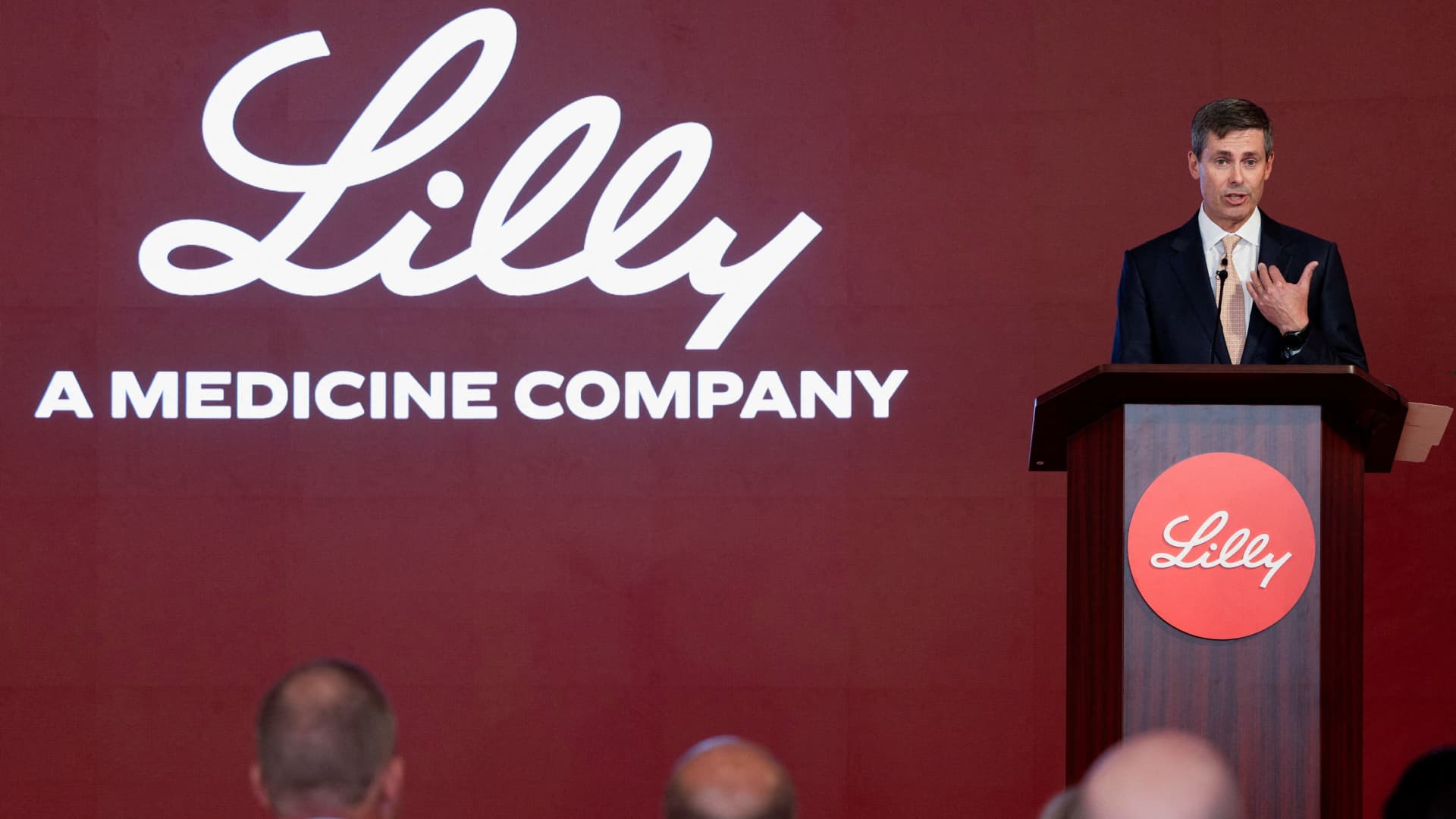
Eli Lilly to Acquire Centessa Pharmaceuticals for Up to $7.8 Billion
- Acquisition Scale: Eli Lilly has agreed to acquire Centessa Pharmaceuticals for up to $7.8 billion, with an upfront payment of $38 per share, totaling $6.3 billion, representing a 38% premium over Monday's closing price, reflecting strong confidence in the new drug development.
- Market Potential: Oppenheimer analysts estimate that the market for orexin agonists targeting excessive daytime sleepiness could reach $15 billion to $20 billion, positioning Lilly to capture significant market share if Centessa's drugs gain FDA approval.
- Optimistic R&D Outlook: Although Centessa's drug is not expected to be approved until 2028, mid-stage trial data suggests it could become the best-in-class treatment, further solidifying Lilly's leadership in neuroscience.
- Strategic Investment Direction: Lilly plans to leverage cash flow from its best-selling drugs Zepbound and Mounjaro to continue expanding its product line, having recently announced acquisitions of cell therapy company Orna Therapeutics and inflammation-focused Ventyx Biosciences, indicating a proactive approach in the biopharmaceutical sector.
See More

Takeda Reports Promising Phase 3 Data for Zasocitinib in Psoriasis
- Clinical Trial Results: Takeda's next-generation oral TYK2 inhibitor, zasocitinib (TAK-279), demonstrated that approximately 70% of patients with moderate-to-severe plaque psoriasis achieved clear or almost clear skin by week 16 in two pivotal Phase 3 studies, indicating rapid and durable efficacy.
- Significant Efficacy: The trials revealed a significantly higher PASI 75 response rate for zasocitinib compared to placebo as early as week 4, underscoring the drug's potential for fast-acting treatment options for patients.
- Regulatory Submission Plans: Takeda confirmed its intention to submit a New Drug Application (NDA) to the U.S. FDA and other regulatory authorities beginning in fiscal year 2026, marking a crucial step in the drug's development and potential market entry.
- Financial Impact: Despite the promising Phase 3 results, Takeda noted that these findings will not significantly affect its consolidated forecast for the fiscal year ending March 31, 2026, reflecting the company's focus on maintaining financial stability.
See More

Zasocitinib Shows Significant Efficacy in Psoriasis Studies
- Clinical Trial Results: In Phase 3 studies, 70% of psoriasis patients achieved clear or almost clear skin (sPGA 0/1) at week 16, demonstrating significant efficacy of zasocitinib, positioning it as a leading oral treatment option.
- Rapid Response: Zasocitinib showed a significant PASI 75 response rate as early as week 4 (16.8% vs. 4.3% for placebo) in Phase 3 studies, indicating its potential for quick efficacy, addressing patients' urgent need for rapid improvement.
- Safety Profile: The safety profile of zasocitinib was consistent with Phase 2b studies, with treatment-emergent adverse events (TEAEs) at 62.1%, compared to 46.9% for placebo and 50.5% for apremilast, revealing no new safety signals and demonstrating good tolerability.
- Market Outlook: Takeda plans to submit a New Drug Application to the FDA in fiscal year 2026, and the positive data from the studies may provide patients with a safe, effective, and convenient oral treatment option, further solidifying its position in the psoriasis treatment market.
See More
Zasocitinib Shows Significant Efficacy in Psoriasis Studies
- Significant Efficacy: Over 70% of psoriasis patients achieved clear or almost clear skin (sPGA 0/1) at week 16 in pivotal Phase 3 studies, indicating the potential of zasocitinib to become a leading oral treatment option.
- Rapid Response: At week 4, zasocitinib demonstrated a PASI 75 response rate of 16.8%, significantly higher than the placebo's 4.3% (p<0.001), suggesting its rapid effectiveness in early treatment, which could enhance patients' quality of life.
- Good Safety Profile: The safety profile of zasocitinib was consistent with Phase 2b studies, with treatment-emergent adverse events (TEAEs) at 62.1%, compared to 46.9% for placebo and 50.5% for apremilast, with no new safety signals identified, enhancing its market acceptance.
- Sustained Effects: Among patients treated with zasocitinib, over 90% maintained their PASI 75, PASI 90, or sPGA 0/1 responses at week 60, indicating its potential for long-term efficacy, which may drive future regulatory submissions.
See More
Axsome Acquires Global Rights to TAK-063 from Takeda
- Asset Purchase Agreement: Axsome Therapeutics has signed an asset purchase agreement with Takeda Pharmaceutical to acquire exclusive global rights to TAK-063 (balipodect), further expanding its leading CNS portfolio and demonstrating strategic positioning in neuropsychiatric treatment.
- Clinical Trial Plans: Axsome intends to initiate Phase 3 trial-enabling activities for schizophrenia in 2026, indicating strong confidence in the development of balipodect and aiming to improve treatment outcomes for patients through this novel mechanism.
- Clinical Trial Results: Balipodect has shown positive results in a 164-patient proof-of-concept Phase 2 trial for schizophrenia and has demonstrated a favorable safety and tolerability profile in clinical studies involving over 360 individuals, enhancing its market potential.
- Financial Arrangement: Under the agreement, Axsome obtains worldwide commercial, development, and manufacturing rights to balipodect, while Takeda receives an upfront payment and is eligible for additional payments related to development, regulatory, and commercial milestones, as well as royalties on potential global net sales, ensuring mutual benefit.
See More
Eli Lilly to Acquire Centessa Pharmaceuticals for Up to $7.8 Billion
- Acquisition Scale: Eli Lilly has agreed to acquire Centessa Pharmaceuticals for up to $7.8 billion, with an upfront payment of $38 per share representing a 38% premium over Monday's closing price, which will further solidify Lilly's leadership in the neuroscience sector.
- Drug Development Potential: The orexin agonists being developed by Centessa are expected to treat narcolepsy and other neurological conditions associated with drowsiness, with a market potential estimated between $15 billion and $20 billion, significantly enhancing Lilly's product portfolio if successfully launched.
- Market Competition Landscape: Although Centessa's drug is not expected to receive FDA approval until 2028, its competitor Taked's similar drug is under review, indicating the intense competition in the market, prompting Lilly to accelerate its development efforts to maintain its lead.
- Strategic Investment Direction: Lilly plans to leverage cash flows from its best-selling drugs Zepbound and Mounjaro for further investments, having recently announced acquisitions of cell therapy company Orna Therapeutics and inflammation-focused Ventyx Biosciences, demonstrating its commitment to expanding its product line.
See More
Eli Lilly to Acquire Centessa Pharmaceuticals for Up to $7.8 Billion
- Acquisition Scale: Eli Lilly has agreed to acquire Centessa Pharmaceuticals for up to $7.8 billion, with an upfront payment of $38 per share, totaling $6.3 billion, representing a 38% premium over Monday's closing price, reflecting strong confidence in the new drug development.
- Market Potential: Oppenheimer analysts estimate that the market for orexin agonists targeting excessive daytime sleepiness could reach $15 billion to $20 billion, positioning Lilly to capture significant market share if Centessa's drugs gain FDA approval.
- Optimistic R&D Outlook: Although Centessa's drug is not expected to be approved until 2028, mid-stage trial data suggests it could become the best-in-class treatment, further solidifying Lilly's leadership in neuroscience.
- Strategic Investment Direction: Lilly plans to leverage cash flow from its best-selling drugs Zepbound and Mounjaro to continue expanding its product line, having recently announced acquisitions of cell therapy company Orna Therapeutics and inflammation-focused Ventyx Biosciences, indicating a proactive approach in the biopharmaceutical sector.
See More
Takeda Reports Promising Phase 3 Data for Zasocitinib in Psoriasis
- Clinical Trial Results: Takeda's next-generation oral TYK2 inhibitor, zasocitinib (TAK-279), demonstrated that approximately 70% of patients with moderate-to-severe plaque psoriasis achieved clear or almost clear skin by week 16 in two pivotal Phase 3 studies, indicating rapid and durable efficacy.
- Significant Efficacy: The trials revealed a significantly higher PASI 75 response rate for zasocitinib compared to placebo as early as week 4, underscoring the drug's potential for fast-acting treatment options for patients.
- Regulatory Submission Plans: Takeda confirmed its intention to submit a New Drug Application (NDA) to the U.S. FDA and other regulatory authorities beginning in fiscal year 2026, marking a crucial step in the drug's development and potential market entry.
- Financial Impact: Despite the promising Phase 3 results, Takeda noted that these findings will not significantly affect its consolidated forecast for the fiscal year ending March 31, 2026, reflecting the company's focus on maintaining financial stability.
See More
Zasocitinib Shows Significant Efficacy in Psoriasis Studies
- Clinical Trial Results: In Phase 3 studies, 70% of psoriasis patients achieved clear or almost clear skin (sPGA 0/1) at week 16, demonstrating significant efficacy of zasocitinib, positioning it as a leading oral treatment option.
- Rapid Response: Zasocitinib showed a significant PASI 75 response rate as early as week 4 (16.8% vs. 4.3% for placebo) in Phase 3 studies, indicating its potential for quick efficacy, addressing patients' urgent need for rapid improvement.
- Safety Profile: The safety profile of zasocitinib was consistent with Phase 2b studies, with treatment-emergent adverse events (TEAEs) at 62.1%, compared to 46.9% for placebo and 50.5% for apremilast, revealing no new safety signals and demonstrating good tolerability.
- Market Outlook: Takeda plans to submit a New Drug Application to the FDA in fiscal year 2026, and the positive data from the studies may provide patients with a safe, effective, and convenient oral treatment option, further solidifying its position in the psoriasis treatment market.
See More
Zasocitinib Shows Significant Efficacy in Psoriasis Studies
- Significant Efficacy: Over 70% of psoriasis patients achieved clear or almost clear skin (sPGA 0/1) at week 16 in pivotal Phase 3 studies, indicating the potential of zasocitinib to become a leading oral treatment option.
- Rapid Response: At week 4, zasocitinib demonstrated a PASI 75 response rate of 16.8%, significantly higher than the placebo's 4.3% (p<0.001), suggesting its rapid effectiveness in early treatment, which could enhance patients' quality of life.
- Good Safety Profile: The safety profile of zasocitinib was consistent with Phase 2b studies, with treatment-emergent adverse events (TEAEs) at 62.1%, compared to 46.9% for placebo and 50.5% for apremilast, with no new safety signals identified, enhancing its market acceptance.
- Sustained Effects: Among patients treated with zasocitinib, over 90% maintained their PASI 75, PASI 90, or sPGA 0/1 responses at week 60, indicating its potential for long-term efficacy, which may drive future regulatory submissions.
See More