

Aalyria Valued at $1.3 Billion Following New Funding Round for High-Speed Communications
Written by Emily J. Thompson, Senior Investment Analyst
Updated: Feb 23 2026
0mins


Source: CNBC
- Successful Funding: Aalyria secured $100 million in its latest funding round, achieving a valuation of $1.3 billion, reflecting strong demand for reliable high-speed communications, particularly in defense and national security sectors.
- Technological Edge: The company's software enhances network service across land, sea, and space, with its Spacetime software enabling rapid coverage of affected areas during natural disasters, significantly improving emergency response capabilities.
- Market Opportunities: With increased U.S. government investment in defense technology, Aalyria has locked in contracts with multiple government agencies, including the U.S. Air Force and NASA, highlighting its potential and strategic significance in the satellite communications market.
- Team Expansion: Aalyria plans to grow its workforce by at least one-third over the next year to support investments in product, engineering, and customer support, further driving the company's development in a competitive landscape.
Trade with 70% Backtested Accuracy
Stop guessing "Should I Buy AMZN?" and start using high-conviction signals backed by rigorous historical data.
Sign up today to access powerful investing tools and make smarter, data-driven decisions.
Analyst Views on AMZN
Wall Street analysts forecast AMZN stock price to rise
44 Analyst Rating
41 Buy
3 Hold
0 Sell
Strong Buy
Current: 241.700

Low
175.00
Averages
280.01
High
325.00
Current: 241.700
Low
175.00
Averages
280.01
High
325.00
About AMZN
Amazon.com, Inc. provides a range of products and services to customers. The products offered through its stores include merchandise and content it has purchased for resale and products offered by third-party sellers. The Company’s segments include North America, International and Amazon Web Services (AWS). It serves consumers through its online and physical stores and focuses on selection, price, and convenience. Customers access its offerings through its websites, mobile apps, Alexa, devices, streaming, and physically visiting its stores. It also manufactures and sells electronic devices, including Kindle, Fire tablet, Fire TV, Echo, Ring, Blink, and eero, and develops and produces media content. It serves developers and enterprises of all sizes, including start-ups, government agencies, and academic institutions, through AWS, which offers a set of on-demand technology services, including compute, storage, database, analytics, and machine learning, and other services.
About the author

Emily J. Thompson
Emily J. Thompson, a Chartered Financial Analyst (CFA) with 12 years in investment research, graduated with honors from the Wharton School. Specializing in industrial and technology stocks, she provides in-depth analysis for Intellectia’s earnings and market brief reports.

Amazon Faces Investor Concerns Amid Market Challenges

- Stock Pullback: Amazon's stock has pulled back by 13%, entering correction territory, which raises investor concerns about the future performance of consumer discretionary stocks, potentially impacting short-term investment decisions.
- Capex Pressure: The $200 billion in capital expenditures pledged by Amazon has raised investor concerns, as even with $143 billion in liquidity, such high spending could affect future profitability, making it the worst performer among the 'Magnificent Seven'.
- Declining Valuation: Amazon's P/E ratio has fallen to 28, below the S&P 500 average of 32, a significant drop from its previous levels above 50, indicating a decrease in market confidence regarding its future growth, which may affect investor buying sentiment.
- Sales Growth Potential: Despite challenges, Amazon reported a 17% year-over-year increase in net sales for Q1, demonstrating its ability to grow even in a 'stretched' consumer environment, while its cloud business's 28% growth further confirms the potential returns from its investments.
See More
Amazon Celebrates 35 Years: Rise of an E-Commerce Giant
- Founding Background: Amazon was founded on July 5, 1994, by Jeff Bezos in Bellevue, Washington, initially named Cadabra before rebranding to Amazon.com, aiming to seize opportunities in the emerging internet economy.
- Business Expansion: Originally focused on selling books online, Amazon quickly diversified into music, videos, and a wide array of consumer goods, successfully transforming into a comprehensive e-commerce platform, significantly enhancing its market share and brand influence.
- Retail Position: According to JPMorgan's update, Amazon surpassed Walmart last year to become the largest retailer in the U.S., marking its dominance in the retail sector and becoming the last retailer to outsell Walmart since Sears.
- AWS Revenue Growth: Amazon Web Services (AWS) generated approximately $129 billion in revenue in 2025, with projections to exceed $140 billion in 2026, showcasing its strong growth potential in the cloud computing sector and further solidifying Amazon's market leadership.
See More

SoFi Technologies Reports 41% Revenue Growth Amid Stock Drop

- Significant Revenue Growth: SoFi Technologies reported a 41% year-over-year increase in adjusted net revenue for Q1 2026, with its core lending business driving a 53% rise in adjusted net revenue, demonstrating strong performance even in a high-interest rate environment.
- Robust Loan Originations: Loan originations surged by 68%, with personal loans, student loans, and home loans increasing by 51%, 119%, and 137% respectively, indicating healthy growth across all loan categories.
- Rapid User Growth: The company added a record 1.1 million new members in Q1, with cross-selling accelerating to 43%, highlighting SoFi's significant expansion in the digital financial app space and its ability to convert customers effectively.
- Impact of Short-Seller Report: Despite strong overall performance, a short-seller report from Muddy Waters alleging misleading accounting practices led to a 32% drop in stock price, reflecting market concerns over its premium valuation and potential vulnerabilities.
See More

SoFi Reports Strong Growth in Q1 2026
- Core Business Growth: SoFi's core lending segment achieved a 53% increase in adjusted net revenue in Q1 2026, driving overall revenue growth of 41% year-over-year, which enhances market confidence in its future prospects despite high interest rates.
- Surge in Loan Originations: Loan originations surged by 68% year-over-year, with personal loans up 51%, student loans up 119%, and home loans up 137%, indicating significant progress across all loan categories and solidifying SoFi's market position.
- Rapid User Growth: SoFi onboarded 1.1 million new members in Q1, with cross-selling strategies accelerating cross-buy rates to 43%, which not only boosts customer loyalty but also lays a strong foundation for future revenue growth.
- Mediocre Tech Platform Performance: Despite strong overall performance, SoFi's Tech Platform segment saw a 27% year-over-year decline in sales in Q1, indicating a need for management to reassess its strategy to enhance competitiveness in this area.
See More
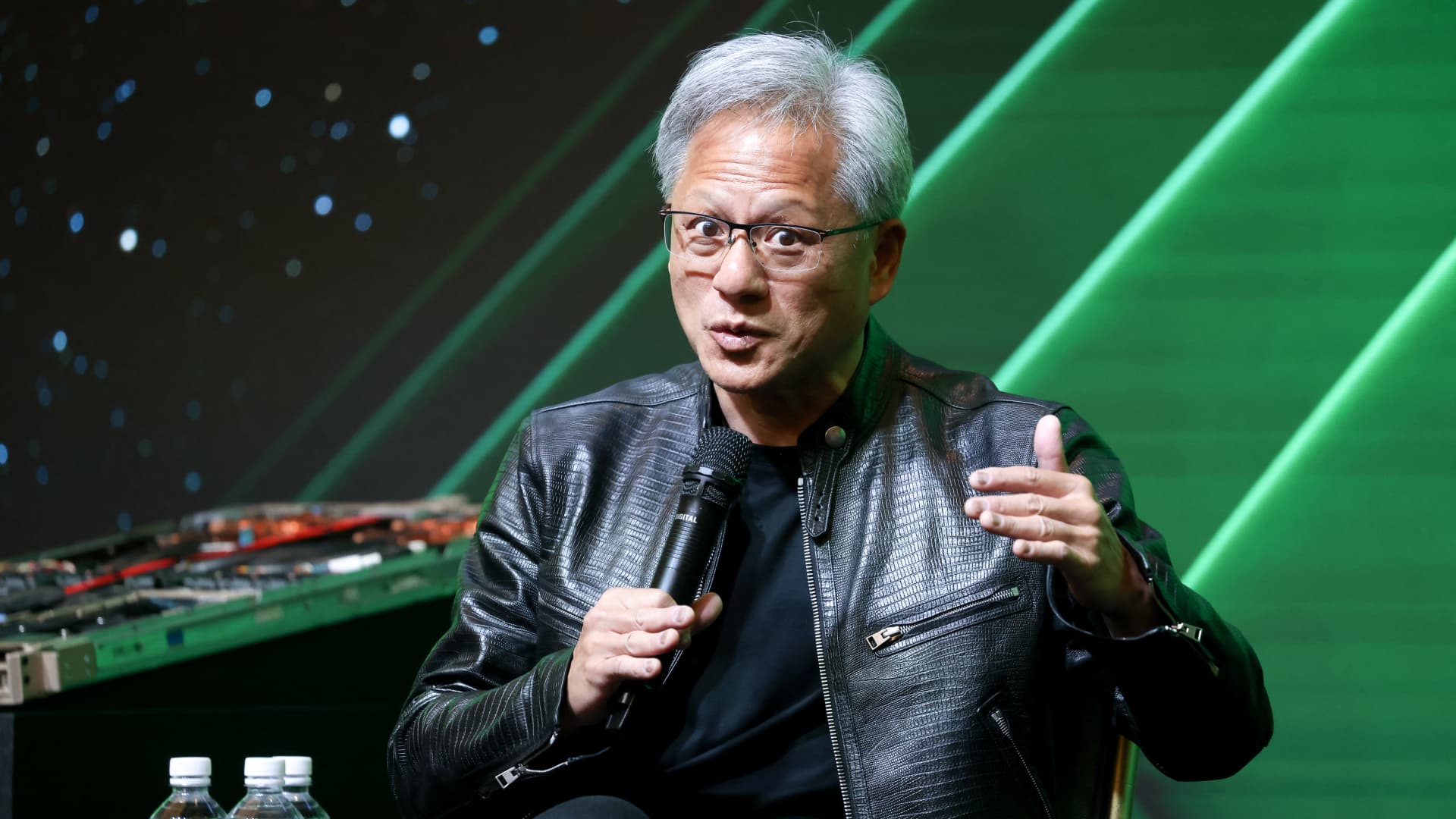
Nvidia's Kyber Architecture Delayed to 2028, Raising Concerns


- Product Launch Delay: Nvidia's Kyber architecture has been postponed to 2028 due to manufacturing difficulties with a key circuit board, raising uncertainties about the AI giant's product roadmap and potentially impacting its market competitiveness.
- Technical Challenges: The design of the Kyber architecture aims to integrate 144 powerful chips into a single giant computer, but the manufacturing difficulties of the PCB midplane have led to this significant delay, reflecting Nvidia's struggles with rapid product releases amid manufacturing constraints.
- Increased Market Competition: With Nvidia unable to provide a viable scaling solution, competitors like AMD and Google may gain a technical edge in the high-end market, further eroding Nvidia's market share.
- Optimistic Revenue Outlook: Despite these challenges, SemiAnalysis projects that Nvidia's data center compute revenue will exceed Wall Street expectations by 20% in the second half of fiscal 2027, indicating strong market demand for its existing products.
See More

Meta and Alibaba Face Regulatory Challenges Amid AI Investments


- Meta Legal Pressure: Meta faces legal scrutiny in the U.S. as a federal judge allows a lawsuit regarding Facebook and Instagram's addictive design to proceed, while the Indian government raises concerns over potential cybercrime risks from introducing usernames on WhatsApp, although Meta's stock rose over 3% during the holiday-shortened week.
- Alibaba AI Policy Shift: Alibaba has decided to stop employees from using Anthropic's Claude Code in favor of its in-house AI coding tool Qoder, reflecting a focus on security concerns, while also settling a $600 million case with the U.S. Department of Justice over illegal pharmaceutical sales through Alibaba.com, resulting in a 0.6% stock gain.
- Tesla Strong Deliveries: Tesla reported second-quarter deliveries of 480,126 vehicles, a 25% increase year-over-year and above Wall Street estimates, primarily driven by Model 3 and Model Y sales, yet the stock fell 4% over the week, indicating market caution regarding future performance.
- Rocket Lab Acquisition Plans: Rocket Lab plans to acquire Iridium Communications in an $8 billion cash-and-stock deal to create a fully integrated space company, combining rocket launches with satellite manufacturing to expand into satellite internet and direct-to-device communications, leading to a stock gain of over 2% in the week.
See More
Amazon Faces Investor Concerns Amid Market Challenges
- Stock Pullback: Amazon's stock has pulled back by 13%, entering correction territory, which raises investor concerns about the future performance of consumer discretionary stocks, potentially impacting short-term investment decisions.
- Capex Pressure: The $200 billion in capital expenditures pledged by Amazon has raised investor concerns, as even with $143 billion in liquidity, such high spending could affect future profitability, making it the worst performer among the 'Magnificent Seven'.
- Declining Valuation: Amazon's P/E ratio has fallen to 28, below the S&P 500 average of 32, a significant drop from its previous levels above 50, indicating a decrease in market confidence regarding its future growth, which may affect investor buying sentiment.
- Sales Growth Potential: Despite challenges, Amazon reported a 17% year-over-year increase in net sales for Q1, demonstrating its ability to grow even in a 'stretched' consumer environment, while its cloud business's 28% growth further confirms the potential returns from its investments.
See More
Amazon Celebrates 35 Years: Rise of an E-Commerce Giant
- Founding Background: Amazon was founded on July 5, 1994, by Jeff Bezos in Bellevue, Washington, initially named Cadabra before rebranding to Amazon.com, aiming to seize opportunities in the emerging internet economy.
- Business Expansion: Originally focused on selling books online, Amazon quickly diversified into music, videos, and a wide array of consumer goods, successfully transforming into a comprehensive e-commerce platform, significantly enhancing its market share and brand influence.
- Retail Position: According to JPMorgan's update, Amazon surpassed Walmart last year to become the largest retailer in the U.S., marking its dominance in the retail sector and becoming the last retailer to outsell Walmart since Sears.
- AWS Revenue Growth: Amazon Web Services (AWS) generated approximately $129 billion in revenue in 2025, with projections to exceed $140 billion in 2026, showcasing its strong growth potential in the cloud computing sector and further solidifying Amazon's market leadership.
See More
SoFi Technologies Reports 41% Revenue Growth Amid Stock Drop
- Significant Revenue Growth: SoFi Technologies reported a 41% year-over-year increase in adjusted net revenue for Q1 2026, with its core lending business driving a 53% rise in adjusted net revenue, demonstrating strong performance even in a high-interest rate environment.
- Robust Loan Originations: Loan originations surged by 68%, with personal loans, student loans, and home loans increasing by 51%, 119%, and 137% respectively, indicating healthy growth across all loan categories.
- Rapid User Growth: The company added a record 1.1 million new members in Q1, with cross-selling accelerating to 43%, highlighting SoFi's significant expansion in the digital financial app space and its ability to convert customers effectively.
- Impact of Short-Seller Report: Despite strong overall performance, a short-seller report from Muddy Waters alleging misleading accounting practices led to a 32% drop in stock price, reflecting market concerns over its premium valuation and potential vulnerabilities.
See More
SoFi Reports Strong Growth in Q1 2026
- Core Business Growth: SoFi's core lending segment achieved a 53% increase in adjusted net revenue in Q1 2026, driving overall revenue growth of 41% year-over-year, which enhances market confidence in its future prospects despite high interest rates.
- Surge in Loan Originations: Loan originations surged by 68% year-over-year, with personal loans up 51%, student loans up 119%, and home loans up 137%, indicating significant progress across all loan categories and solidifying SoFi's market position.
- Rapid User Growth: SoFi onboarded 1.1 million new members in Q1, with cross-selling strategies accelerating cross-buy rates to 43%, which not only boosts customer loyalty but also lays a strong foundation for future revenue growth.
- Mediocre Tech Platform Performance: Despite strong overall performance, SoFi's Tech Platform segment saw a 27% year-over-year decline in sales in Q1, indicating a need for management to reassess its strategy to enhance competitiveness in this area.
See More
Nvidia's Kyber Architecture Delayed to 2028, Raising Concerns
- Product Launch Delay: Nvidia's Kyber architecture has been postponed to 2028 due to manufacturing difficulties with a key circuit board, raising uncertainties about the AI giant's product roadmap and potentially impacting its market competitiveness.
- Technical Challenges: The design of the Kyber architecture aims to integrate 144 powerful chips into a single giant computer, but the manufacturing difficulties of the PCB midplane have led to this significant delay, reflecting Nvidia's struggles with rapid product releases amid manufacturing constraints.
- Increased Market Competition: With Nvidia unable to provide a viable scaling solution, competitors like AMD and Google may gain a technical edge in the high-end market, further eroding Nvidia's market share.
- Optimistic Revenue Outlook: Despite these challenges, SemiAnalysis projects that Nvidia's data center compute revenue will exceed Wall Street expectations by 20% in the second half of fiscal 2027, indicating strong market demand for its existing products.
See More
Meta and Alibaba Face Regulatory Challenges Amid AI Investments
- Meta Legal Pressure: Meta faces legal scrutiny in the U.S. as a federal judge allows a lawsuit regarding Facebook and Instagram's addictive design to proceed, while the Indian government raises concerns over potential cybercrime risks from introducing usernames on WhatsApp, although Meta's stock rose over 3% during the holiday-shortened week.
- Alibaba AI Policy Shift: Alibaba has decided to stop employees from using Anthropic's Claude Code in favor of its in-house AI coding tool Qoder, reflecting a focus on security concerns, while also settling a $600 million case with the U.S. Department of Justice over illegal pharmaceutical sales through Alibaba.com, resulting in a 0.6% stock gain.
- Tesla Strong Deliveries: Tesla reported second-quarter deliveries of 480,126 vehicles, a 25% increase year-over-year and above Wall Street estimates, primarily driven by Model 3 and Model Y sales, yet the stock fell 4% over the week, indicating market caution regarding future performance.
- Rocket Lab Acquisition Plans: Rocket Lab plans to acquire Iridium Communications in an $8 billion cash-and-stock deal to create a fully integrated space company, combining rocket launches with satellite manufacturing to expand into satellite internet and direct-to-device communications, leading to a stock gain of over 2% in the week.
See More




