Virgin Galactic advances spacecraft testing plans and narrows Q1 losses
Virgin Galactic Holdings Inc. saw its stock rise by 19.27% as it reached a 20-day high amid positive market conditions.
The company moved its first Delta spacecraft to a Phoenix testing facility, marking a significant step towards planned flight tests in Q3 and an expected commercial launch in Q4 2026. Additionally, Virgin Galactic narrowed its Q1 net loss to $65 million from $84 million year-over-year, while Jefferies maintained a 'Buy' rating with a price target of $5, indicating strong investor confidence.
These developments not only enhance Virgin Galactic's position in the commercial space tourism market but also reflect effective cost control measures that are likely to attract more investors as the company prepares for future growth.
Trade with 70% Backtested Accuracy
Analyst Views on SPCE

About SPCE
About the author


Prada Unveils Astronaut Inner Layer Garment


- Astronaut Garment Launch: Italian luxury brand Prada has unveiled an inner-layer garment for NASA astronauts in collaboration with Axiom Space, marking its significant entry into the space industry aimed at attracting affluent consumers considering space travel.
- Technological Innovation: The new garment features knitted ventilation tubes, enhancing astronaut comfort and functionality in space, showcasing Prada's capability in merging high fashion with technology.
- Market Strategy: Prada's space suit initiative aligns with NASA's Artemis 3 and Artemis 4 missions, set to launch in 2027 and 2028 respectively, further elevating the brand's avant-garde image and market influence.
- Industry Trend: Amid challenges in the luxury goods sector, Prada's partnership in space exploration not only demonstrates its innovative prowess but may also lead other luxury brands to explore opportunities in the space domain.

Starfighters Space to Join Russell 3000 Index

- Index Inclusion Impact: Starfighters Space, Inc. (NYSE American: FJET) announced its addition to the Russell 3000 Index effective June 29, 2026, which will enhance its visibility among institutional investors and potentially attract more index-related investments.
- Unique Aerospace Asset: The company operates a fleet of seven F-104 supersonic jets at NASA's Kennedy Space Center in Florida, capable of supporting various research and testing missions, showcasing its unique positioning in the aerospace sector.
- Increased Market Awareness: While index inclusion does not alter the company's fundamentals, it may enhance market awareness of Starfighters, particularly among investors in the public space sector, facilitating deeper due diligence.
- Commercial Conversion Challenge: The future key lies in whether Starfighters can translate its unique aerospace platform into sustained commercial activity; although the index event may broaden visibility, the core issue remains its ability to achieve long-term market recognition.
Starfighters Space to Join Russell 3000 Index


- Russell 3000 Inclusion: Starfighters Space, Inc. (NYSE:FJET) announced its addition to the Russell 3000 Index effective June 29, 2026, which will enhance visibility among institutional investors and potentially attract more attention from the investment community.
- Unique Aerospace Asset: The company operates a fleet of seven F-104 supersonic jets at NASA's Kennedy Space Center in Florida, capable of supporting various research and testing missions, highlighting its unique positioning in the aerospace sector.
- Increased Market Awareness: While index inclusion does not alter the company's fundamentals, it may enhance awareness of smaller public companies, particularly in niche aerospace markets, helping them gain broader market recognition.
- Commercialization Challenges: The future focus will be on whether Starfighters can convert its unique aerospace platform into sustained commercial activity and market recognition, with investors closely monitoring its progress in this area.

Markets Await Nonfarm Payrolls Report Amid Economic Uncertainty


- Cautious Market Sentiment: Investors are on edge ahead of the May nonfarm payrolls report, which is expected to indicate a significant hiring slowdown, potentially impacting the Federal Reserve's rate outlook and keeping market sentiment cautious.
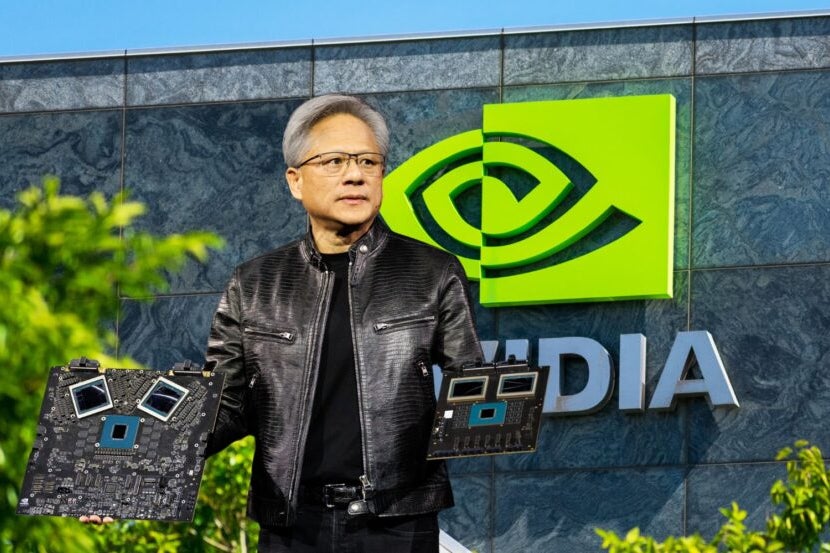
- Tech Companies Under Pressure: Nvidia faces fresh scrutiny over China-related export controls, with CEO Jensen Huang invited to testify on June 11 regarding its operations in China, which could affect its future market performance amid regulatory challenges.
- Lululemon Lowers Guidance: Lululemon's stock fell 11% in early trading after the company slashed its full-year 2026 revenue guidance due to product launch misses and disruptions in the Middle East, raising investor concerns ahead of a CEO transition.
- Merlin Inc. Stock Surge: Merlin Inc.'s stock soared 40% in early trading after successfully completing its critical design review for autonomous planes, highlighting its potential growth prospects in the aviation sector.
SpaceX Plans to Raise $75 Billion at $135 per Share

- Massive Fundraising: SpaceX plans to issue 555.6 million shares at $135 each, aiming to raise $75 billion, which values the company at $1.77 trillion, exceeding $1.8 trillion on a fully diluted basis, highlighting its immense market potential in the space industry.
- Ongoing Capital Needs: While the IPO will provide financial flexibility, analyst AleXandra Merz notes that the company's capital requirements are projected to reach $235 billion by 2030, indicating that this fundraising is merely the first step in its funding journey.
- Market Weakness: Ahead of SpaceX's IPO, space stocks experienced significant declines, with shares of AST SpaceMobile, Rocket Lab, Virgin Galactic, and Redwire dropping by up to 15%, reflecting investor concerns over SpaceX's valuation and shifting market sentiment.
- Short Selling Opportunities: Jefferies' absence from the underwriting syndicate may create opportunities for short selling, as analyst Tim Farrar reiterated the view that 'betting against space' could be a rational approach in the current market environment.
SpaceX Plans to Raise $75 Billion at $135 per Share

- Funding Scale and Valuation: SpaceX plans to issue 555.6 million shares at $135 each, aiming to raise $75 billion and achieve a valuation of $1.77 trillion, exceeding $1.8 trillion on a fully diluted basis, highlighting its immense potential in the aerospace market.
- Funding Needs and Strategy: While this financing will provide financial flexibility, analyst AleXandra Merz noted that SpaceX anticipates needing up to $235 billion by 2030 to support Starlink expansion, Starship development, and AI infrastructure, indicating that this IPO is merely a part of its funding journey.
- Market Reaction and Investor Sentiment: Ahead of SpaceX's IPO, space stocks experienced significant declines, with AST SpaceMobile, Rocket Lab, and Virgin Galactic seeing drops of up to 15%, reflecting market concerns over SpaceX's valuation and a bearish sentiment towards the aerospace sector.
- Shorting Opportunities and Risks: Jefferies' absence from the SpaceX IPO underwriting may create opportunities for short trades, with analyst Tim Farrar reiterating the view that 'betting against space' is rational, as SpaceX faces a challenging year ahead to achieve Starlink's financial viability amidst negative cash flow.
Prada Unveils Astronaut Inner Layer Garment
- Astronaut Garment Launch: Italian luxury brand Prada has unveiled an inner-layer garment for NASA astronauts in collaboration with Axiom Space, marking its significant entry into the space industry aimed at attracting affluent consumers considering space travel.
- Technological Innovation: The new garment features knitted ventilation tubes, enhancing astronaut comfort and functionality in space, showcasing Prada's capability in merging high fashion with technology.
- Market Strategy: Prada's space suit initiative aligns with NASA's Artemis 3 and Artemis 4 missions, set to launch in 2027 and 2028 respectively, further elevating the brand's avant-garde image and market influence.
- Industry Trend: Amid challenges in the luxury goods sector, Prada's partnership in space exploration not only demonstrates its innovative prowess but may also lead other luxury brands to explore opportunities in the space domain.
Starfighters Space to Join Russell 3000 Index
- Index Inclusion Impact: Starfighters Space, Inc. (NYSE American: FJET) announced its addition to the Russell 3000 Index effective June 29, 2026, which will enhance its visibility among institutional investors and potentially attract more index-related investments.
- Unique Aerospace Asset: The company operates a fleet of seven F-104 supersonic jets at NASA's Kennedy Space Center in Florida, capable of supporting various research and testing missions, showcasing its unique positioning in the aerospace sector.
- Increased Market Awareness: While index inclusion does not alter the company's fundamentals, it may enhance market awareness of Starfighters, particularly among investors in the public space sector, facilitating deeper due diligence.
- Commercial Conversion Challenge: The future key lies in whether Starfighters can translate its unique aerospace platform into sustained commercial activity; although the index event may broaden visibility, the core issue remains its ability to achieve long-term market recognition.
Starfighters Space to Join Russell 3000 Index
- Russell 3000 Inclusion: Starfighters Space, Inc. (NYSE:FJET) announced its addition to the Russell 3000 Index effective June 29, 2026, which will enhance visibility among institutional investors and potentially attract more attention from the investment community.
- Unique Aerospace Asset: The company operates a fleet of seven F-104 supersonic jets at NASA's Kennedy Space Center in Florida, capable of supporting various research and testing missions, highlighting its unique positioning in the aerospace sector.
- Increased Market Awareness: While index inclusion does not alter the company's fundamentals, it may enhance awareness of smaller public companies, particularly in niche aerospace markets, helping them gain broader market recognition.
- Commercialization Challenges: The future focus will be on whether Starfighters can convert its unique aerospace platform into sustained commercial activity and market recognition, with investors closely monitoring its progress in this area.
Markets Await Nonfarm Payrolls Report Amid Economic Uncertainty
- Cautious Market Sentiment: Investors are on edge ahead of the May nonfarm payrolls report, which is expected to indicate a significant hiring slowdown, potentially impacting the Federal Reserve's rate outlook and keeping market sentiment cautious.
- Tech Companies Under Pressure: Nvidia faces fresh scrutiny over China-related export controls, with CEO Jensen Huang invited to testify on June 11 regarding its operations in China, which could affect its future market performance amid regulatory challenges.
- Lululemon Lowers Guidance: Lululemon's stock fell 11% in early trading after the company slashed its full-year 2026 revenue guidance due to product launch misses and disruptions in the Middle East, raising investor concerns ahead of a CEO transition.
- Merlin Inc. Stock Surge: Merlin Inc.'s stock soared 40% in early trading after successfully completing its critical design review for autonomous planes, highlighting its potential growth prospects in the aviation sector.
SpaceX Plans to Raise $75 Billion at $135 per Share
- Massive Fundraising: SpaceX plans to issue 555.6 million shares at $135 each, aiming to raise $75 billion, which values the company at $1.77 trillion, exceeding $1.8 trillion on a fully diluted basis, highlighting its immense market potential in the space industry.
- Ongoing Capital Needs: While the IPO will provide financial flexibility, analyst AleXandra Merz notes that the company's capital requirements are projected to reach $235 billion by 2030, indicating that this fundraising is merely the first step in its funding journey.
- Market Weakness: Ahead of SpaceX's IPO, space stocks experienced significant declines, with shares of AST SpaceMobile, Rocket Lab, Virgin Galactic, and Redwire dropping by up to 15%, reflecting investor concerns over SpaceX's valuation and shifting market sentiment.
- Short Selling Opportunities: Jefferies' absence from the underwriting syndicate may create opportunities for short selling, as analyst Tim Farrar reiterated the view that 'betting against space' could be a rational approach in the current market environment.
SpaceX Plans to Raise $75 Billion at $135 per Share
- Funding Scale and Valuation: SpaceX plans to issue 555.6 million shares at $135 each, aiming to raise $75 billion and achieve a valuation of $1.77 trillion, exceeding $1.8 trillion on a fully diluted basis, highlighting its immense potential in the aerospace market.
- Funding Needs and Strategy: While this financing will provide financial flexibility, analyst AleXandra Merz noted that SpaceX anticipates needing up to $235 billion by 2030 to support Starlink expansion, Starship development, and AI infrastructure, indicating that this IPO is merely a part of its funding journey.
- Market Reaction and Investor Sentiment: Ahead of SpaceX's IPO, space stocks experienced significant declines, with AST SpaceMobile, Rocket Lab, and Virgin Galactic seeing drops of up to 15%, reflecting market concerns over SpaceX's valuation and a bearish sentiment towards the aerospace sector.
- Shorting Opportunities and Risks: Jefferies' absence from the SpaceX IPO underwriting may create opportunities for short trades, with analyst Tim Farrar reiterating the view that 'betting against space' is rational, as SpaceX faces a challenging year ahead to achieve Starlink's financial viability amidst negative cash flow.