U.S. Implements Critical Minerals Price Floor to Boost Competitiveness

MP Materials Corp's stock rose by 5.01% as it crossed above the 5-day SMA, reflecting positive investor sentiment.
The recent announcement by the U.S. government regarding a critical minerals price floor system is expected to enhance competitiveness for non-Chinese firms, including MP Materials. This initiative aims to reduce dependence on China and protect Western companies from market flooding, ensuring stable supply and profitability in the critical minerals sector. The strategic importance of this move highlights the U.S. commitment to reshaping the critical minerals market, which is crucial for economic resilience.
This development could lead to increased investment in the critical minerals sector, benefiting companies like MP Materials. As the market adapts to these changes, MP Materials is well-positioned to capitalize on the enhanced pricing mechanisms and reduced competition from Chinese firms.
Trade with 70% Backtested Accuracy
Analyst Views on MP

About MP
About the author


Rare Earth Producer Takes a Step Toward Challenging China's Dominance, But Stock Prices Fall.

- USA Rare Earth's Role: The company is evolving from a mining operation to a significant contributor in the U.S. rare earth elements sector.
- Countering China: USA Rare Earth aims to reduce the United States' reliance on China for rare earth elements.
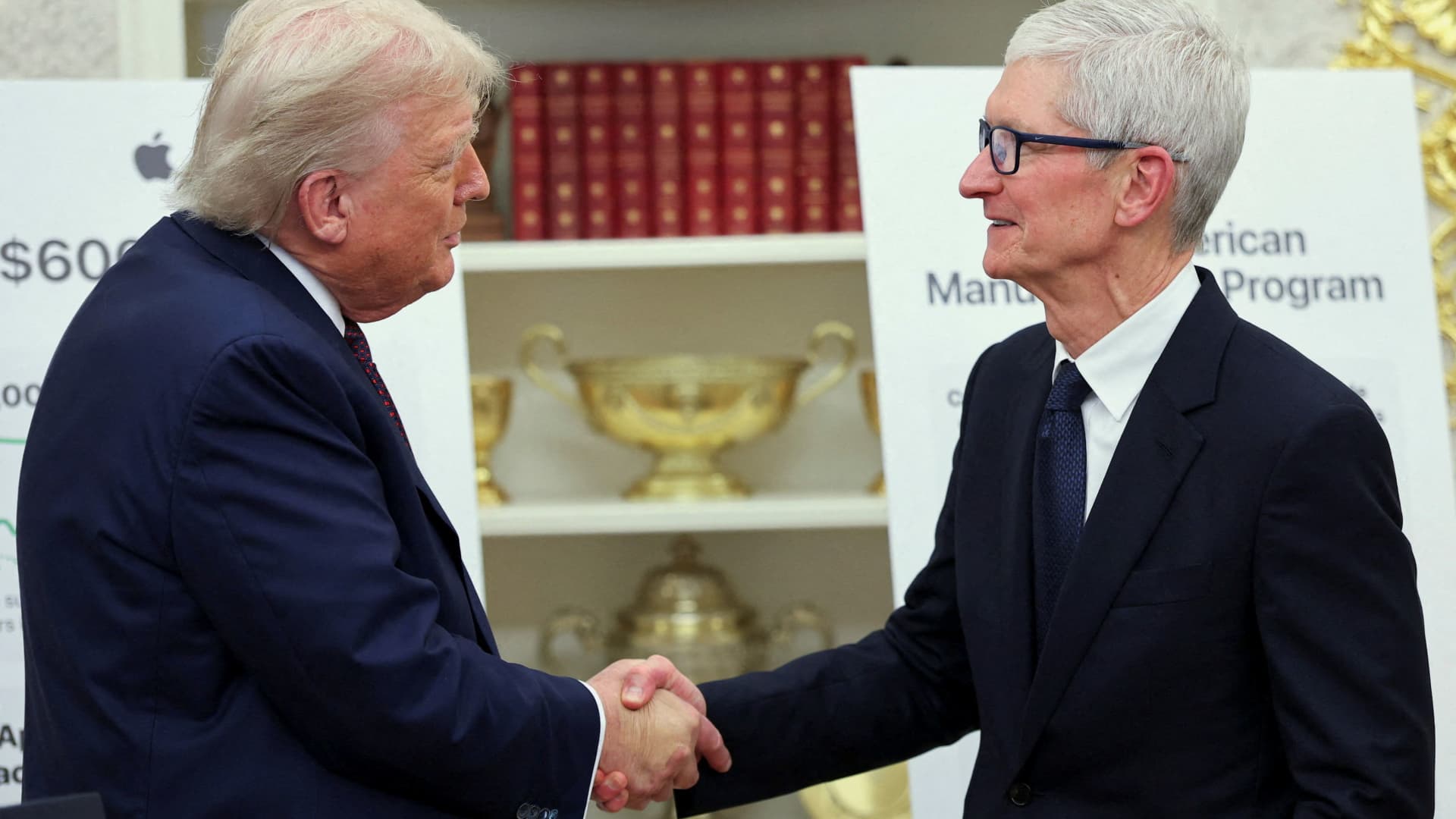
Apple Expands U.S. Manufacturing Investment to $400 Million


- Partnership Expansion: Apple announced partnerships with Bosch, Cirrus Logic, TDK, and Qnity Electronics, planning to invest $400 million in U.S. manufacturing through 2030, thereby enhancing local supply chain capabilities and product availability.
- Job Creation: The expansion is expected to create 20,000 direct jobs in R&D, silicon engineering, AI, and software development, further solidifying Apple's manufacturing presence in the U.S. and responding to national calls for manufacturing revitalization.
- Chip Production Boost: TDK will manufacture sensors in the U.S. for the first time, with Apple projected to source over 100 million advanced chips from U.S. silicon supply chains, significantly enhancing product technology and competitiveness, particularly in iPhone camera stabilization technology.
- Policy Impact: Apple has absorbed approximately $3.3 billion in tariff costs since the implementation of Trump's trade policies, and this expansion not only helps mitigate future cost pressures but may also improve the company's cost outlook following the Supreme Court ruling, further strengthening its competitive position in the domestic market.
Apple Invests $400 Million to Expand American Manufacturing Program
- Significant Investment: Apple plans to invest $400 million through 2030 in collaboration with Bosch, Cirrus Logic, TDK, and Qnity Electronics to enhance domestic manufacturing capabilities for essential materials and components, thereby solidifying its competitive position in the global market.
- Job Creation: This expansion will create more jobs in the U.S. and strengthen the country's manufacturing capabilities, with CEO Tim Cook framing the move as a testament to American ingenuity, reflecting the company's long-term commitment to U.S. manufacturing.
- Diverse Partnerships: The new partners will manufacture critical sensors and semiconductors for Apple products, with TDK producing sensors in the U.S. for the first time, which will increase the volume of chips sourced from U.S. silicon supply chains and enhance product localization.
- Supply Chain Resilience: Since the launch of its American Manufacturing Program, Apple has exceeded its initial targets by sourcing over 20 billion U.S.-made chips from 24 factories across 12 states, demonstrating the company's ongoing efforts in domestic production and supply chain resilience.

Trump Jr. Subpoena Motion Blocked by House Committee

- Subpoena Motion Denied: The House Natural Resources subcommittee blocked a motion to subpoena Donald Trump Jr. with a 5-2 vote, reflecting Republican control and potentially hindering oversight of Trump family business activities.
- Federal Loan Context: Vulcan Elements, backed by Trump Jr.'s 1789 Capital, received a $620 million federal loan from the Department of Defense last year, highlighting the close ties between the Trump family and government contracts.
- Democratic Concerns on Conflicts of Interest: Democrats warned that the Trump family could illegally profit from government contracts awarded to companies they support, increasing scrutiny on Trump Jr. and potentially impacting his future business endeavors.
- Hearing Interrupted and Resumed: Following the motion's tabling, subcommittee chair Paul Gosar called for a nearly hour-long recess, underscoring the contentious nature of the issue and the potential for ongoing political battles in the future.

Wall Street Enthusiastic About Robots: Aptiv and Other Stocks Set to Gain.

- Advancements in AI: Recent developments in artificial intelligence are leading to innovative virtual applications.
- AI Applications: These advancements include AI agents capable of writing software, managing financial records, creating videos, and assisting with college entrance essays.
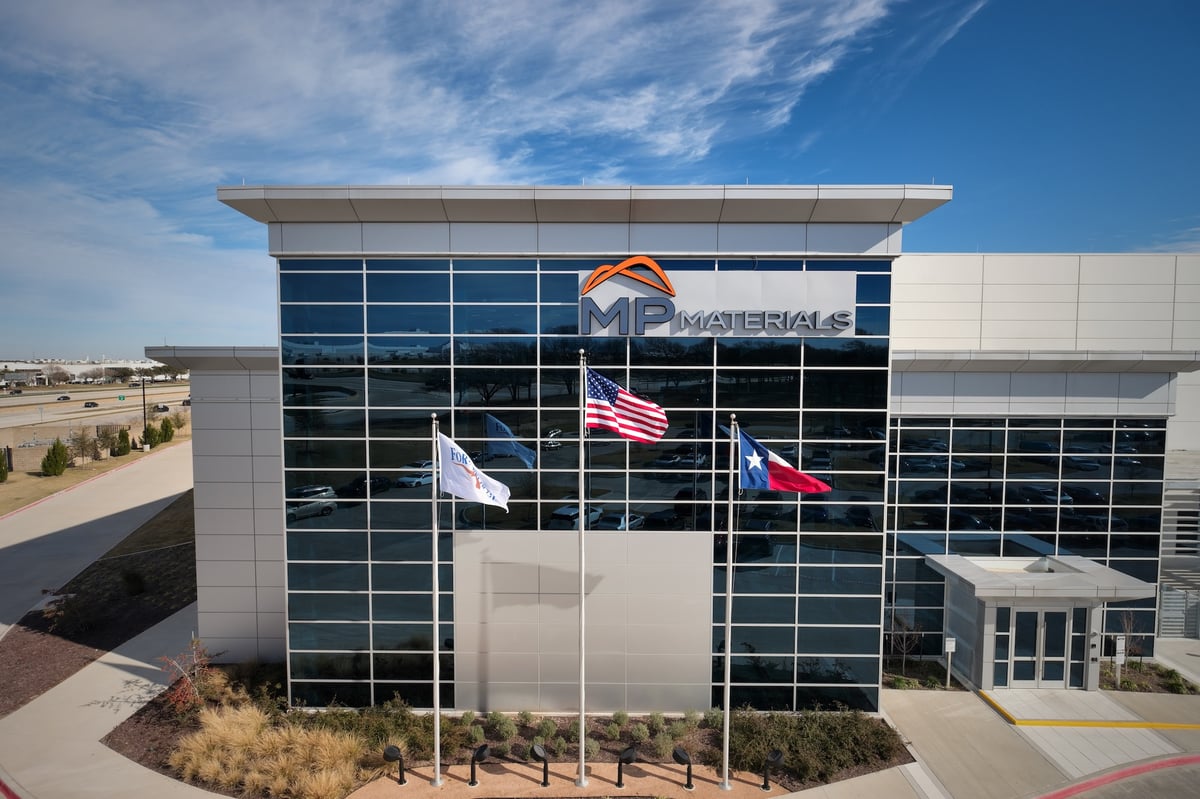
MP Materials Invests $1.25 Billion in Texas Magnet Manufacturing Facility
- Large-Scale Investment: MP Materials has announced a $1.25 billion investment to build a magnet manufacturing campus in Texas, expected to create 1,500 new jobs by 2028, significantly boosting the local economy.
- Capacity Expansion: The new '10X Facility' will increase MP Materials' annual production capacity of NdFeB magnets to approximately 10,000 metric tons, addressing the rising demand in sectors like electric vehicles and drones.
- Government Support Assurance: The project benefits from a long-term agreement with the U.S. Department of Defense, guaranteeing that 100% of the NdFeB magnets produced will be purchased in the first ten years, thereby reducing market risk and enhancing investment appeal.
- Optimistic Market Outlook: With the sharp increase in demand for rare-earth metals and NdFeB magnets, MP Materials' strategic positioning in domestic production is likely to provide a competitive edge in the future market, making it a focal point for investors.
Rare Earth Producer Takes a Step Toward Challenging China's Dominance, But Stock Prices Fall.
- USA Rare Earth's Role: The company is evolving from a mining operation to a significant contributor in the U.S. rare earth elements sector.
- Countering China: USA Rare Earth aims to reduce the United States' reliance on China for rare earth elements.
Apple Expands U.S. Manufacturing Investment to $400 Million
- Partnership Expansion: Apple announced partnerships with Bosch, Cirrus Logic, TDK, and Qnity Electronics, planning to invest $400 million in U.S. manufacturing through 2030, thereby enhancing local supply chain capabilities and product availability.
- Job Creation: The expansion is expected to create 20,000 direct jobs in R&D, silicon engineering, AI, and software development, further solidifying Apple's manufacturing presence in the U.S. and responding to national calls for manufacturing revitalization.
- Chip Production Boost: TDK will manufacture sensors in the U.S. for the first time, with Apple projected to source over 100 million advanced chips from U.S. silicon supply chains, significantly enhancing product technology and competitiveness, particularly in iPhone camera stabilization technology.
- Policy Impact: Apple has absorbed approximately $3.3 billion in tariff costs since the implementation of Trump's trade policies, and this expansion not only helps mitigate future cost pressures but may also improve the company's cost outlook following the Supreme Court ruling, further strengthening its competitive position in the domestic market.
Apple Invests $400 Million to Expand American Manufacturing Program
- Significant Investment: Apple plans to invest $400 million through 2030 in collaboration with Bosch, Cirrus Logic, TDK, and Qnity Electronics to enhance domestic manufacturing capabilities for essential materials and components, thereby solidifying its competitive position in the global market.
- Job Creation: This expansion will create more jobs in the U.S. and strengthen the country's manufacturing capabilities, with CEO Tim Cook framing the move as a testament to American ingenuity, reflecting the company's long-term commitment to U.S. manufacturing.
- Diverse Partnerships: The new partners will manufacture critical sensors and semiconductors for Apple products, with TDK producing sensors in the U.S. for the first time, which will increase the volume of chips sourced from U.S. silicon supply chains and enhance product localization.
- Supply Chain Resilience: Since the launch of its American Manufacturing Program, Apple has exceeded its initial targets by sourcing over 20 billion U.S.-made chips from 24 factories across 12 states, demonstrating the company's ongoing efforts in domestic production and supply chain resilience.
Trump Jr. Subpoena Motion Blocked by House Committee
- Subpoena Motion Denied: The House Natural Resources subcommittee blocked a motion to subpoena Donald Trump Jr. with a 5-2 vote, reflecting Republican control and potentially hindering oversight of Trump family business activities.
- Federal Loan Context: Vulcan Elements, backed by Trump Jr.'s 1789 Capital, received a $620 million federal loan from the Department of Defense last year, highlighting the close ties between the Trump family and government contracts.
- Democratic Concerns on Conflicts of Interest: Democrats warned that the Trump family could illegally profit from government contracts awarded to companies they support, increasing scrutiny on Trump Jr. and potentially impacting his future business endeavors.
- Hearing Interrupted and Resumed: Following the motion's tabling, subcommittee chair Paul Gosar called for a nearly hour-long recess, underscoring the contentious nature of the issue and the potential for ongoing political battles in the future.
Wall Street Enthusiastic About Robots: Aptiv and Other Stocks Set to Gain.
- Advancements in AI: Recent developments in artificial intelligence are leading to innovative virtual applications.
- AI Applications: These advancements include AI agents capable of writing software, managing financial records, creating videos, and assisting with college entrance essays.
MP Materials Invests $1.25 Billion in Texas Magnet Manufacturing Facility
- Large-Scale Investment: MP Materials has announced a $1.25 billion investment to build a magnet manufacturing campus in Texas, expected to create 1,500 new jobs by 2028, significantly boosting the local economy.
- Capacity Expansion: The new '10X Facility' will increase MP Materials' annual production capacity of NdFeB magnets to approximately 10,000 metric tons, addressing the rising demand in sectors like electric vehicles and drones.
- Government Support Assurance: The project benefits from a long-term agreement with the U.S. Department of Defense, guaranteeing that 100% of the NdFeB magnets produced will be purchased in the first ten years, thereby reducing market risk and enhancing investment appeal.
- Optimistic Market Outlook: With the sharp increase in demand for rare-earth metals and NdFeB magnets, MP Materials' strategic positioning in domestic production is likely to provide a competitive edge in the future market, making it a focal point for investors.