UnitedHealth Group Faces Cost Pressures Ahead of Q4 Earnings

UnitedHealth Group's stock has fallen 8.75% in pre-market trading, hitting a 20-day low amid rising medical costs and concerns over profitability.
The company reported that its consolidated medical care ratio has increased to 89.9%, up from 85.2% last year, indicating heightened service utilization that pressures profit margins. Additionally, analysts have expressed concerns about the company's operating margins, which are at their lowest in 25 years, primarily due to easing case denial rates. Despite these challenges, Wall Street maintains a 'Buy' recommendation for UNH, suggesting a potential upside.
The implications of these developments suggest that UnitedHealth Group is facing significant headwinds as it approaches its Q4 earnings report, with investors closely monitoring how the company plans to address rising costs and margin pressures.
Trade with 70% Backtested Accuracy
Analyst Views on UNH

About UNH
About the author


Surge in Options Trading Volume for UnitedHealth Group

- Surge in Options Volume: UnitedHealth Group (UNH) has seen an options trading volume of 128,091 contracts today, equivalent to approximately 12.8 million shares, reflecting a significant 135.9% increase over its average daily trading volume, indicating strong market interest in its future performance.
- High Demand for Call Options: Notably, the $325 strike call option expiring on April 17, 2026, has traded 9,185 contracts today, representing about 918,500 shares of UNH, suggesting a marked increase in investor expectations for its stock price appreciation.
- Jabil Options Activity: Jabil Inc (JBL) recorded an options trading volume of 14,465 contracts today, equivalent to approximately 1.4 million shares, reaching 132.8% of its average daily trading volume, highlighting active market interest in its stock.
- Active Put Options Trading: The $295 strike put option expiring on April 24, 2026, has seen a trading volume of 2,744 contracts today, representing around 274,400 shares of JBL, indicating investor concerns regarding potential downward price movements.
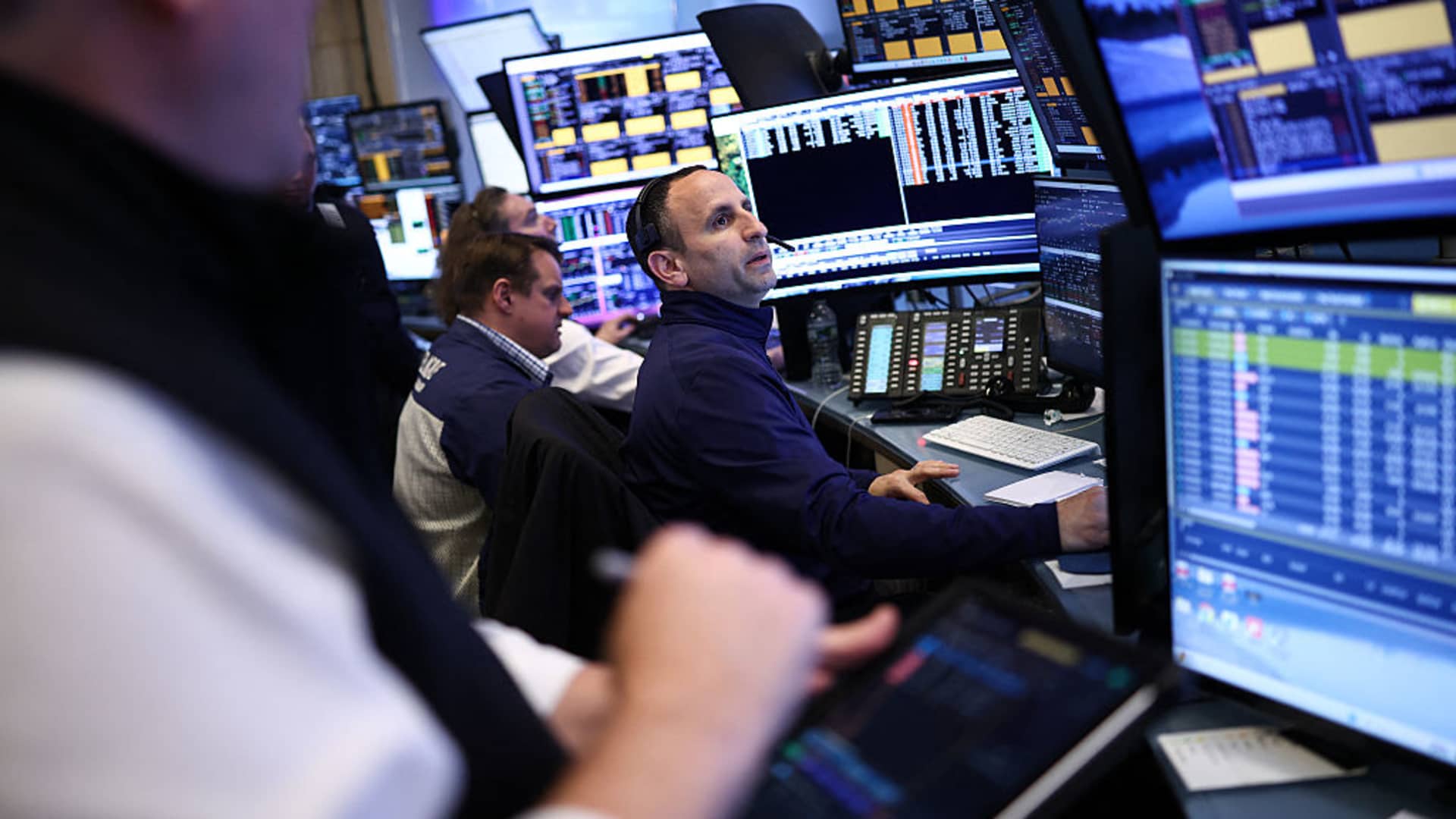
Wall Street Optimism Rises Amid Ceasefire Hopes

- Market Rebound: The S&P 500 and Nasdaq Composite reached all-time highs this week, with the S&P 500 surpassing 7,100 for the first time, reflecting strong investor confidence in economic recovery and suggesting further upward momentum for equities.
- Earnings Expectations: According to FactSet, the S&P 500 is projected to have a blended growth rate of 12.5% in Q1, with 78% of reporting companies exceeding expectations, providing a positive backdrop for the upcoming earnings season that could further bolster market confidence.
- Oil Price Volatility: While oil prices have fallen to around $80 per barrel, significantly below the $110 peak during the conflict, the market must remain vigilant regarding the potential impacts of U.S.-Iran tensions on global supply chains, particularly concerning the safety of transit through the Strait of Hormuz.
- Technical Fragility: Despite the market's strong short-term performance, analyst Craig Johnson warns that the rapid transition from oversold to overbought conditions masks underlying macroeconomic risks, urging investors to remain cautious and focus on high-quality investment opportunities.
S&P 500 Hits Record High as Oil Prices Plunge

- Strong Market Performance: The S&P 500 reached a new record high on Friday after Iran announced the Strait of Hormuz was 'completely open,' indicating a significant improvement in market sentiment, while oil prices fell over 10%, with WTI crude dropping to the low $80s, reflecting investor optimism about future economic recovery.
- Interest Rate Expectations Shift: The market is beginning to price in a 25-basis-point cut in December, indicating a reduction in investor concerns about economic slowdown, and the anticipated decline in rates is expected to further stimulate consumption and investment, driving stock market gains.
- Arm Holdings Strategic Shift: Arm recently unveiled its first in-house data center CPU, the AGI CPU, marking a significant transition from solely licensing to designing and selling its own chips, with projections of generating $25 billion in revenue by FY2031, $15 billion of which will come from these in-house chips, showcasing its ambitions in the semiconductor market.
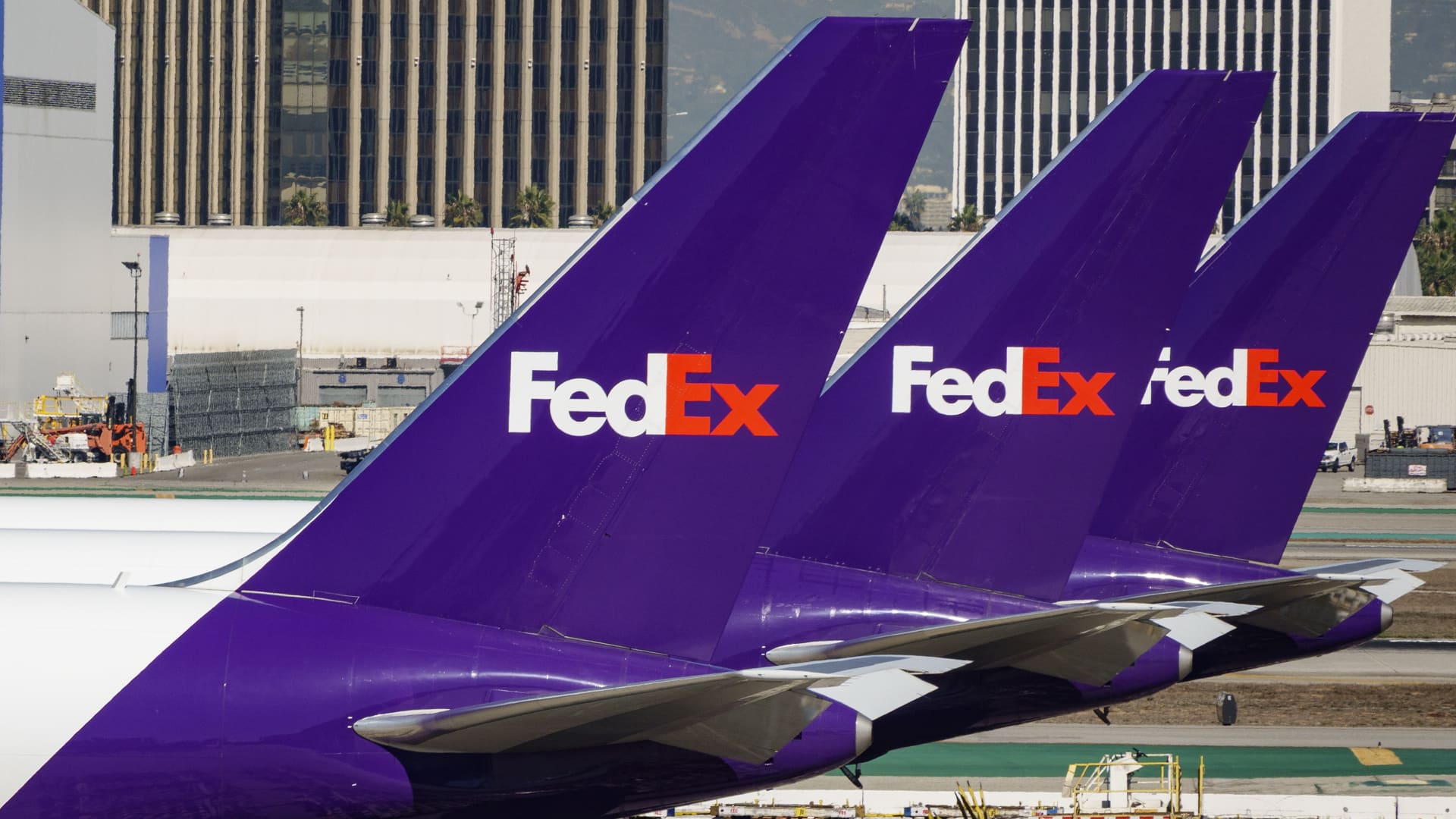
- FedEx Spin-Off Plan: FedEx plans to spin off FedEx Freight on June 1, aiming to enhance the value of both companies through sharper strategic focus, with FedEx Freight being the largest LTL carrier in North America, and a medium-term revenue growth outlook of 4% to 6% expected to further strengthen its market competitiveness.
Market Surges as Strait of Hormuz Opens to Commercial Traffic


- Market Surge: The stock market surged on Friday after Iran announced the Strait of Hormuz is open to all commercial traffic, leading to a 14% drop in oil prices, with WTI trading above $80 per barrel, reflecting optimism about economic recovery.
- Transportation and Industrials Rally: Lower oil prices lifted transportation and industrial stocks, with Boeing shares rising over 3% and both Honeywell and GE Vernova increasing by 2%, indicating a resurgence of confidence in these sectors.
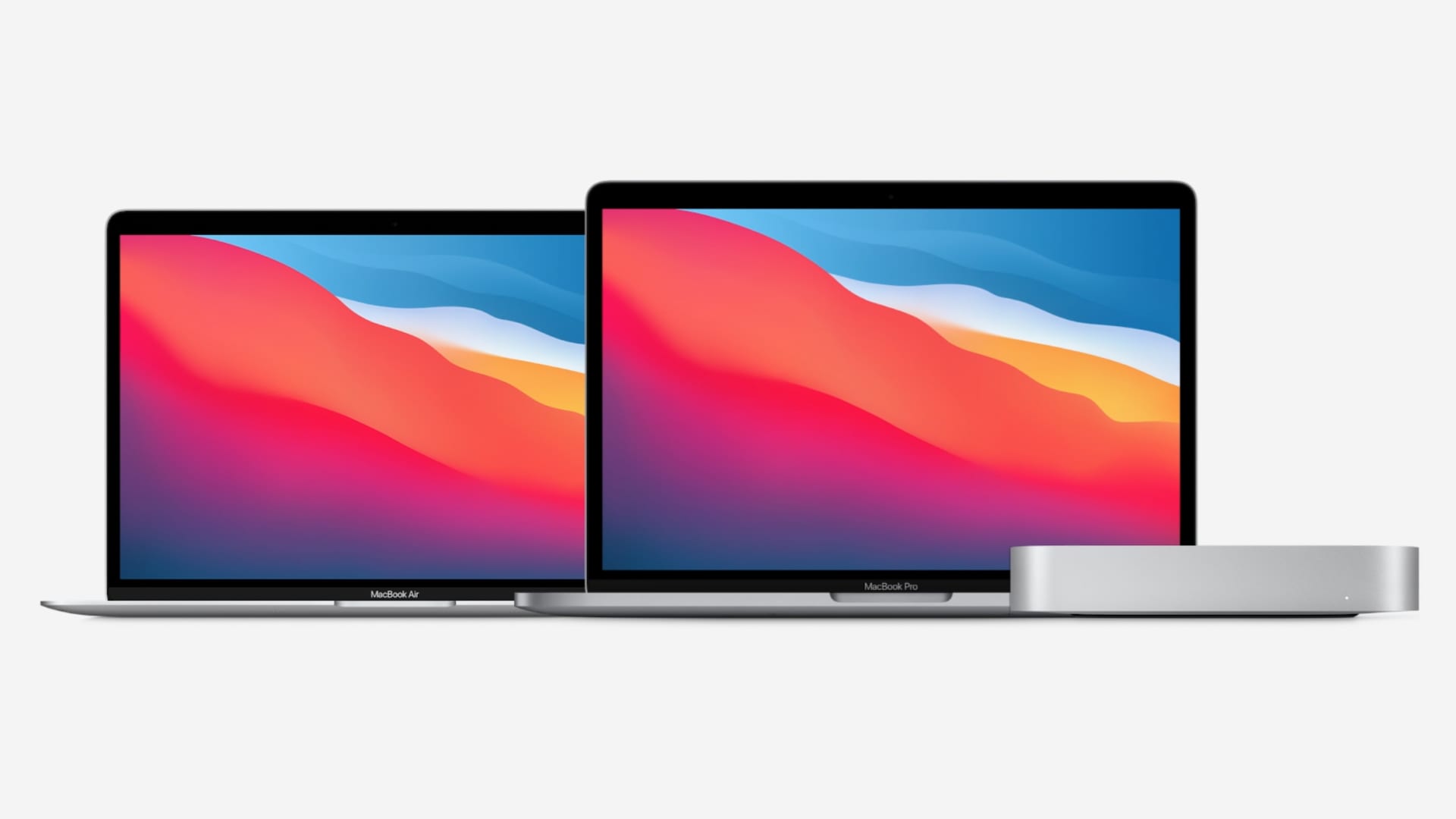
- Apple's Recognition: Bank of America analysts named Apple a 'high-quality' stock, noting its resilience against AI volatility and progress in on-device AI capabilities, suggesting investors will refocus on Apple's strong sales in China.
- Trade Alert Mechanism: Subscribers to the CNBC Investing Club receive trade alerts before Jim executes trades, with a 45-minute wait period post-alert to ensure transparency and strategic execution.

Latest Ratings and Outlook from Wall Street


- Apple Maintained as Buy: Bank of America reiterated its buy rating on Apple (AAPL), labeling it as the “highest quality name,” and despite underperformance year-to-date, it is still viewed as a high-quality compounder supported by resilient services growth and a healthy product cycle.
- Semiconductor Sector Pressure: Mizuho downgraded NXP Semiconductors (NXPI) to sell, citing its significant exposure to the auto sector as a headwind, with the 2026 auto outlook softened by geopolitical and macroeconomic challenges.
- Netflix's Solid Performance: Bank of America reaffirmed its buy rating on Netflix following a solid first quarter that modestly beat forecasts, with management reiterating three core priorities that align with their ongoing strategic focus and competitive positioning in the market.
- Petrobras Rating Upgrade: Bank of America upgraded Petrobras (PBR) from neutral to buy, highlighting its robust cash flow generation and low double-digit dividend yield, which reduces the risk of a potential revision to its dividend policy in a high oil price environment.
Nasdaq Matches 12-Day Winning Streak, Highest Since 2009

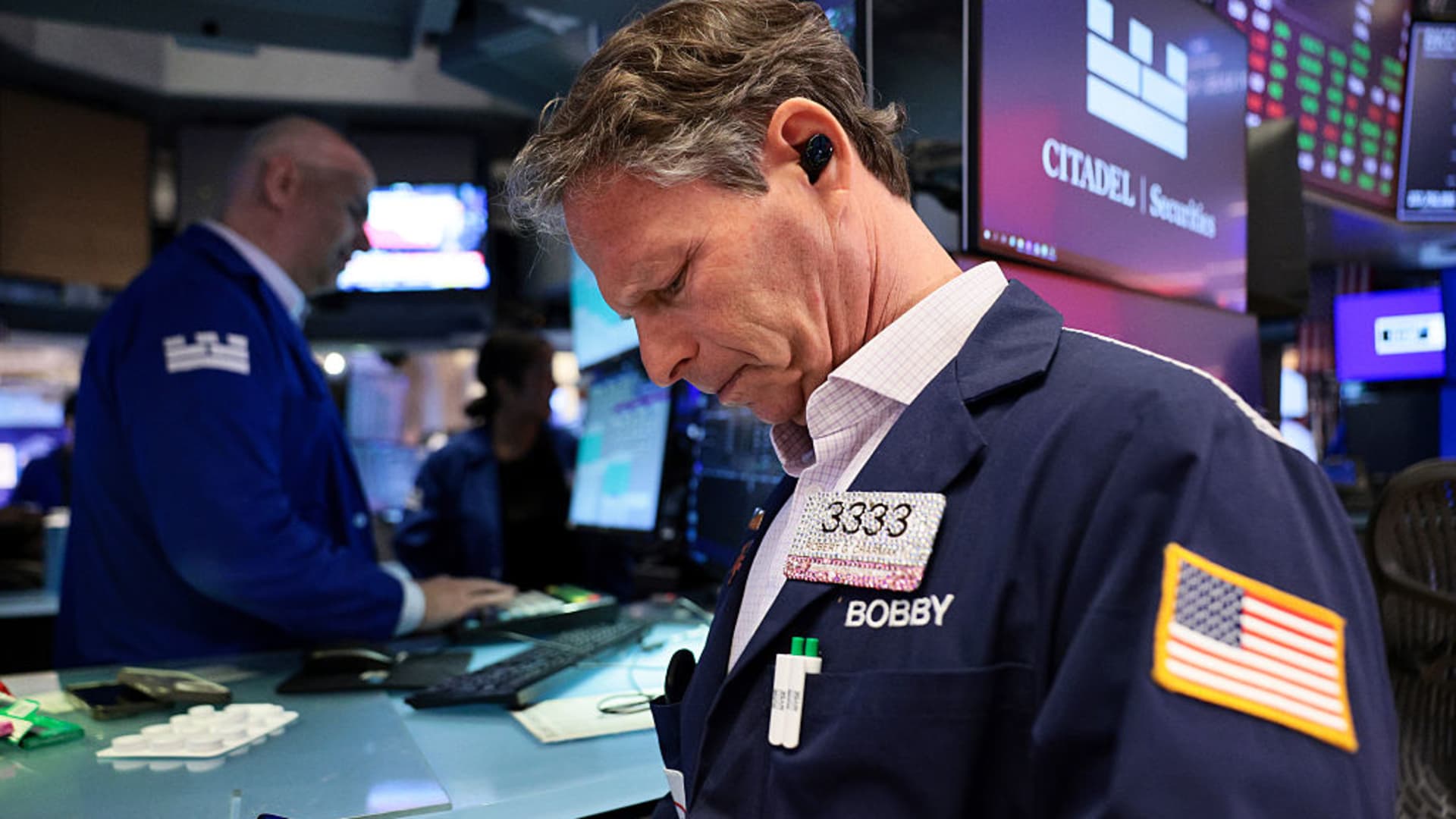
- Nasdaq Performance: The Nasdaq index has surged 15% over the past 12 trading days, marking the longest winning streak since 2009, indicating a strong market recovery and renewed investor confidence.
- Major Index Rebounds: During the same period, the Dow Jones Industrial Average rose 7.5% and the S&P 500 increased by 12.5%, with both tech and communication services sectors up 13%, reflecting a preference for technology stocks in the market.
- Regional Bank Dynamics: Fifth Third Bancorp has risen 0.7% over the last three months but remains 11% below its 52-week high; Regions Financial is up 0.5%, also 11% below its 52-week peak, highlighting pressures faced by regional banks.
- Netflix Earnings Reaction: Despite Netflix exceeding expectations in its quarterly report and seeing a 15% year-to-date increase, its stock fell 9% in after-hours trading due to investor dissatisfaction with future guidance, reflecting caution regarding future growth.
Surge in Options Trading Volume for UnitedHealth Group
- Surge in Options Volume: UnitedHealth Group (UNH) has seen an options trading volume of 128,091 contracts today, equivalent to approximately 12.8 million shares, reflecting a significant 135.9% increase over its average daily trading volume, indicating strong market interest in its future performance.
- High Demand for Call Options: Notably, the $325 strike call option expiring on April 17, 2026, has traded 9,185 contracts today, representing about 918,500 shares of UNH, suggesting a marked increase in investor expectations for its stock price appreciation.
- Jabil Options Activity: Jabil Inc (JBL) recorded an options trading volume of 14,465 contracts today, equivalent to approximately 1.4 million shares, reaching 132.8% of its average daily trading volume, highlighting active market interest in its stock.
- Active Put Options Trading: The $295 strike put option expiring on April 24, 2026, has seen a trading volume of 2,744 contracts today, representing around 274,400 shares of JBL, indicating investor concerns regarding potential downward price movements.
Wall Street Optimism Rises Amid Ceasefire Hopes
- Market Rebound: The S&P 500 and Nasdaq Composite reached all-time highs this week, with the S&P 500 surpassing 7,100 for the first time, reflecting strong investor confidence in economic recovery and suggesting further upward momentum for equities.
- Earnings Expectations: According to FactSet, the S&P 500 is projected to have a blended growth rate of 12.5% in Q1, with 78% of reporting companies exceeding expectations, providing a positive backdrop for the upcoming earnings season that could further bolster market confidence.
- Oil Price Volatility: While oil prices have fallen to around $80 per barrel, significantly below the $110 peak during the conflict, the market must remain vigilant regarding the potential impacts of U.S.-Iran tensions on global supply chains, particularly concerning the safety of transit through the Strait of Hormuz.
- Technical Fragility: Despite the market's strong short-term performance, analyst Craig Johnson warns that the rapid transition from oversold to overbought conditions masks underlying macroeconomic risks, urging investors to remain cautious and focus on high-quality investment opportunities.
S&P 500 Hits Record High as Oil Prices Plunge
- Strong Market Performance: The S&P 500 reached a new record high on Friday after Iran announced the Strait of Hormuz was 'completely open,' indicating a significant improvement in market sentiment, while oil prices fell over 10%, with WTI crude dropping to the low $80s, reflecting investor optimism about future economic recovery.
- Interest Rate Expectations Shift: The market is beginning to price in a 25-basis-point cut in December, indicating a reduction in investor concerns about economic slowdown, and the anticipated decline in rates is expected to further stimulate consumption and investment, driving stock market gains.
- Arm Holdings Strategic Shift: Arm recently unveiled its first in-house data center CPU, the AGI CPU, marking a significant transition from solely licensing to designing and selling its own chips, with projections of generating $25 billion in revenue by FY2031, $15 billion of which will come from these in-house chips, showcasing its ambitions in the semiconductor market.
- FedEx Spin-Off Plan: FedEx plans to spin off FedEx Freight on June 1, aiming to enhance the value of both companies through sharper strategic focus, with FedEx Freight being the largest LTL carrier in North America, and a medium-term revenue growth outlook of 4% to 6% expected to further strengthen its market competitiveness.
Market Surges as Strait of Hormuz Opens to Commercial Traffic
- Market Surge: The stock market surged on Friday after Iran announced the Strait of Hormuz is open to all commercial traffic, leading to a 14% drop in oil prices, with WTI trading above $80 per barrel, reflecting optimism about economic recovery.
- Transportation and Industrials Rally: Lower oil prices lifted transportation and industrial stocks, with Boeing shares rising over 3% and both Honeywell and GE Vernova increasing by 2%, indicating a resurgence of confidence in these sectors.
- Apple's Recognition: Bank of America analysts named Apple a 'high-quality' stock, noting its resilience against AI volatility and progress in on-device AI capabilities, suggesting investors will refocus on Apple's strong sales in China.
- Trade Alert Mechanism: Subscribers to the CNBC Investing Club receive trade alerts before Jim executes trades, with a 45-minute wait period post-alert to ensure transparency and strategic execution.
Latest Ratings and Outlook from Wall Street
- Apple Maintained as Buy: Bank of America reiterated its buy rating on Apple (AAPL), labeling it as the “highest quality name,” and despite underperformance year-to-date, it is still viewed as a high-quality compounder supported by resilient services growth and a healthy product cycle.
- Semiconductor Sector Pressure: Mizuho downgraded NXP Semiconductors (NXPI) to sell, citing its significant exposure to the auto sector as a headwind, with the 2026 auto outlook softened by geopolitical and macroeconomic challenges.
- Netflix's Solid Performance: Bank of America reaffirmed its buy rating on Netflix following a solid first quarter that modestly beat forecasts, with management reiterating three core priorities that align with their ongoing strategic focus and competitive positioning in the market.
- Petrobras Rating Upgrade: Bank of America upgraded Petrobras (PBR) from neutral to buy, highlighting its robust cash flow generation and low double-digit dividend yield, which reduces the risk of a potential revision to its dividend policy in a high oil price environment.
Nasdaq Matches 12-Day Winning Streak, Highest Since 2009
- Nasdaq Performance: The Nasdaq index has surged 15% over the past 12 trading days, marking the longest winning streak since 2009, indicating a strong market recovery and renewed investor confidence.
- Major Index Rebounds: During the same period, the Dow Jones Industrial Average rose 7.5% and the S&P 500 increased by 12.5%, with both tech and communication services sectors up 13%, reflecting a preference for technology stocks in the market.
- Regional Bank Dynamics: Fifth Third Bancorp has risen 0.7% over the last three months but remains 11% below its 52-week high; Regions Financial is up 0.5%, also 11% below its 52-week peak, highlighting pressures faced by regional banks.
- Netflix Earnings Reaction: Despite Netflix exceeding expectations in its quarterly report and seeing a 15% year-to-date increase, its stock fell 9% in after-hours trading due to investor dissatisfaction with future guidance, reflecting caution regarding future growth.