United Airlines Cuts Capacity Amid Rising Fuel Prices
United Airlines shares rose by 5.05% in pre-market trading, crossing above the 5-day SMA, as the company announced a capacity reduction plan in response to soaring fuel prices.
Despite the planned 5% capacity cut across less profitable routes, United Airlines has experienced record demand, achieving its ten highest booked revenue weeks in history over the past ten weeks. CEO Scott Kirby predicts that fuel prices will remain elevated, potentially leading to an additional $11 billion in annual jet fuel expenses. The company is strategically adjusting its operations while maintaining a focus on long-term growth, including the delivery of approximately 120 new jets.
This proactive approach to managing costs while capitalizing on strong demand indicates United's resilience in the face of rising fuel prices, positioning the airline for continued success in a competitive market.
Trade with 70% Backtested Accuracy
Analyst Views on UAL

About UAL
About the author


United Airlines Abandons Major Merger Pursuit

- Merger Intentions Diminished: United Airlines CEO Scott Kirby stated at the IATA annual meeting that the airline is unlikely to pursue major mergers, although it remains open to acquiring airport slots and other assets, indicating a cautious approach in the M&A market.
- Defense of American Airlines Bid: Kirby defended the failed bid for American Airlines, asserting that the deal would have benefited consumers, yet the opposition from American's management rendered the transaction impractical, highlighting the complexities of competition and collaboration within the industry.
- Position on JetBlue Airways: When asked about the potential acquisition of JetBlue if it enters Chapter 11, Kirby expressed that it is unlikely due to JetBlue's cash flow and unencumbered assets, reflecting United's stringent criteria for potential acquisition targets.
- Impact of Fuel Prices: Kirby noted that despite the pressures from soaring fuel prices, United expects to recover losses through fare increases, indicating the company's strategic adjustments in response to rising operational costs.
US Stocks Close: Nasdaq Hits 5-Week Low Amid Market Rotations

- Market Volatility: The S&P 500 index fell by 0.26% and the Nasdaq 100 dropped by 1.12% on Tuesday, indicating a shift to a downward trend after an early advance, reflecting investor concerns over tech stocks.
- Energy Price Impact: WTI crude oil prices plunged by 3% to a seven-week low, leading to widespread declines in energy producers' stocks, which exacerbated the overall market weakness and highlighted the direct impact of oil price fluctuations on related sectors.
- Real Estate Market Recovery: US existing home sales rose to 4.17 million in April, a five-month high, boosting the stocks of builders and suppliers, indicating that a recovery in the real estate market could provide positive signals for the economy.
- International Trade Data Improvement: China's May exports increased by 19.4% year-on-year, surpassing expectations, showcasing potential for global economic growth, which may positively influence the US market, despite ongoing uncertainties.
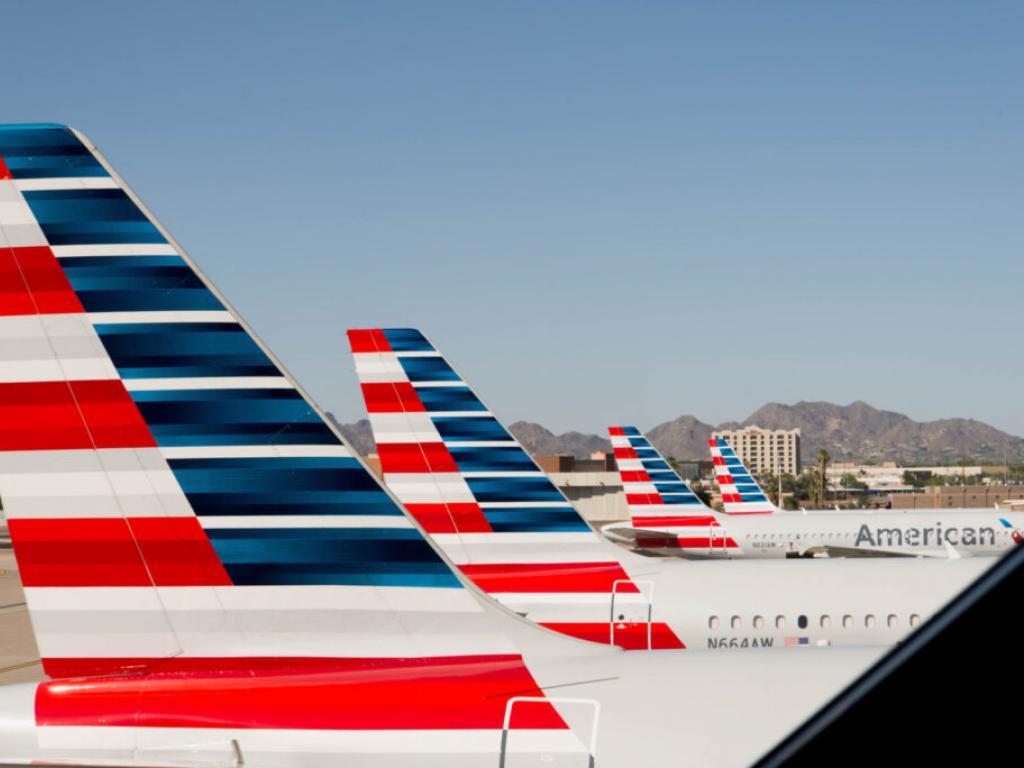
American Airlines Partners with Google on Sustainable Fuel Deal

- Stock Price Increase: American Airlines Group (AAL) closed at $14.09 on Tuesday, up 3.60%, primarily driven by its sustainable aviation fuel deal with Google, although the stock has fallen 33% since its IPO in 2005.
- Surge in Trading Volume: The trading volume reached 149.7 million shares, approximately 127% above the three-month average of 66 million shares, indicating strong market interest in the company's future prospects, particularly amid falling oil prices.
- Sustainable Fuel Goals: The partnership with Google will advance American Airlines towards its goal of using sustainable aviation fuel for 10% of its fuel by 2030, despite its current reliance on expensive jet fuel and the potential profit impact from fluctuating oil prices.
- Industry Trends: Airline stocks generally rose due to falling oil prices, with Delta Air Lines and United Airlines gaining 3.78% and 4.09% respectively, reflecting market resilience in travel demand and responses to fuel cost pressures.
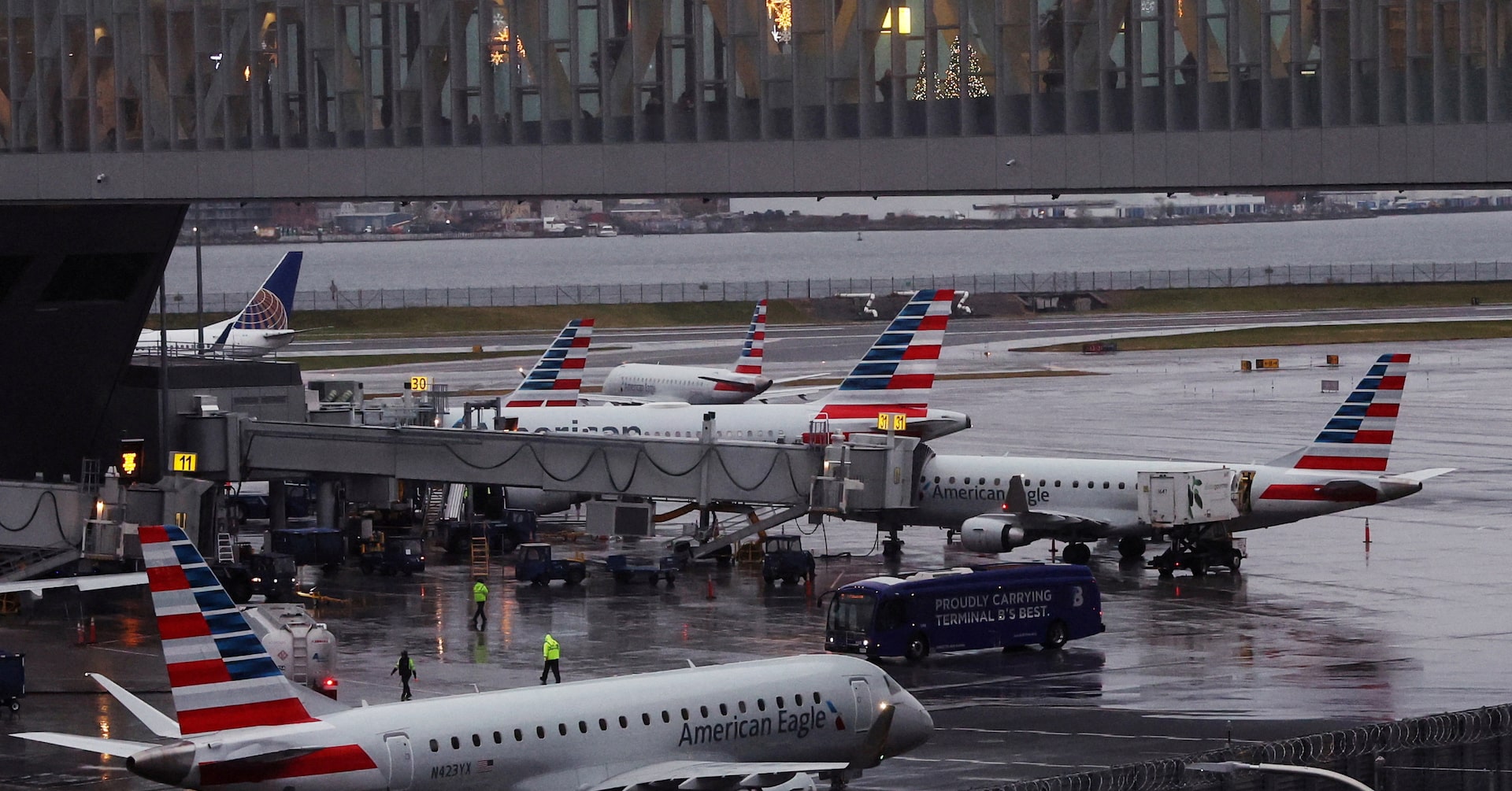
American Airlines Partners with Google on Sustainable Aviation Fuel Deal
- Stock Price Surge: American Airlines Group (AAL) saw a 3.60% increase in stock price, closing at $14.09, primarily driven by a groundbreaking sustainable aviation fuel deal with Google and falling oil prices, indicating strong market confidence in its growth potential.
- Volume Spike: Trading volume reached 149.9 million shares, approximately 127% above the three-month average of 67.4 million shares, reflecting heightened investor interest in the company and potentially signaling a shift in market sentiment.
- Sustainability Goals: The partnership with Google aims to advance American Airlines' goal of using sustainable aviation fuel for 10% of its fuel by 2030, marking a significant step towards environmental responsibility, although the company still relies heavily on expensive jet fuel.
- Market Environment Impact: While falling oil prices provide support for airline stocks, American Airlines faces ongoing pressures from geopolitical tensions in the Middle East, as the lack of a peace agreement with Iran may lead to sustained high oil prices, adversely affecting profitability.
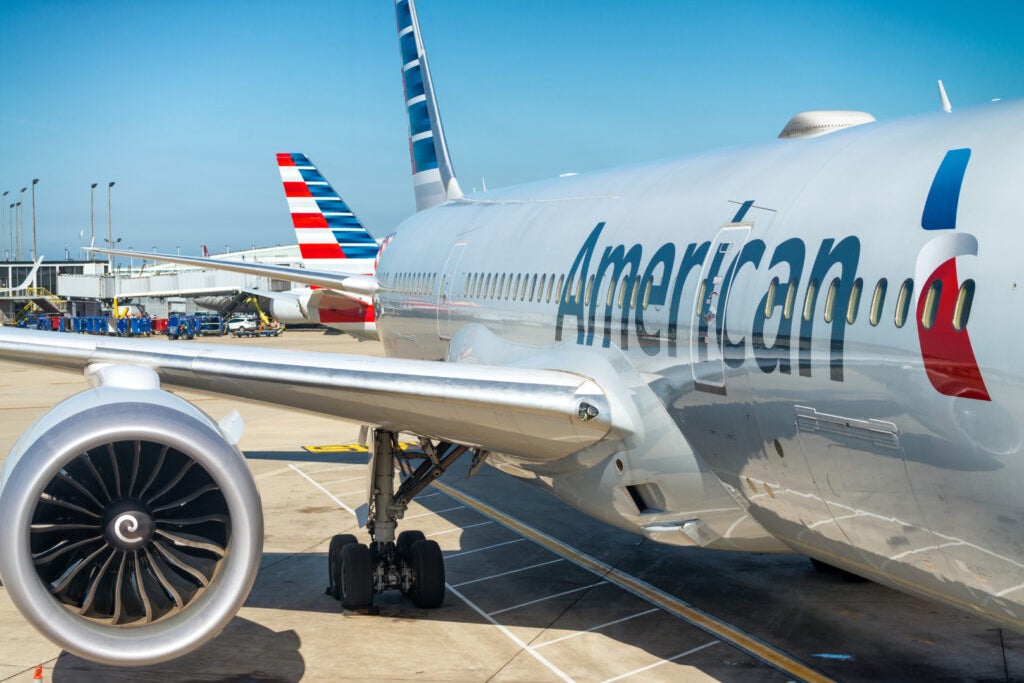
American Airlines Signs Landmark SAF Agreement with Google
- Large-Scale Agreement: American Airlines' three-year deal with Google covers 35 million gallons of sustainable aviation fuel (SAF) produced from renewable sources like used cooking oil, expected to cut nearly 300,000 tons of CO₂ emissions, significantly advancing the airline's decarbonization goals.
- Long-Term Supply Assurance: The agreement not only aids American Airlines in achieving its sustainability targets but also secures a long-term physical fuel supply at Chicago O'Hare International Airport, enhancing the company's resilience against fuel cost fluctuations.
- Environmental Credit Generation: Through the SAFc Registry, Google will receive associated environmental attributes, enabling transparent and traceable offsets for its corporate travel emissions, thereby enhancing its sustainability profile.
- Positive Market Reaction: Following the announcement, American Airlines' shares rose by 5%, reflecting a positive market response to the deal, which is also linked to a significant drop in oil prices, indicating an overall upward trend in airline stocks.
US Stock Market Volatility Amid Falling WTI Crude Prices
- Mixed Market Performance: The S&P 500 index fell by 0.28%, while the Dow Jones Industrial Average rose by 0.19%, and the Nasdaq 100 index dropped by 0.80%, indicating a divergence in market sentiment, particularly with weakness in chipmakers and software stocks weighing on the broader market.
- Crude Oil Price Decline: WTI crude oil prices plunged over 3% to a one-week low, primarily due to the ceasefire agreement between Iran and Israel, leading to expectations of further declines in oil prices that could impact the profitability outlook for energy stocks.
- Positive Economic Data: The US trade deficit narrowed to $55.9 billion in April, better than the expected $56.1 billion, while existing home sales in May rose by 3.2% month-over-month to 4.17 million, indicating resilience in the housing market that may provide support for stocks.
- Company Movements: United Natural Foods saw its stock drop over 12% after reporting Q3 net sales below expectations, while Nuvalent's stock surged over 38% following GSK's agreement to acquire the company for $10.6 billion, reflecting varied market reactions to company fundamentals.
United Airlines Abandons Major Merger Pursuit
- Merger Intentions Diminished: United Airlines CEO Scott Kirby stated at the IATA annual meeting that the airline is unlikely to pursue major mergers, although it remains open to acquiring airport slots and other assets, indicating a cautious approach in the M&A market.
- Defense of American Airlines Bid: Kirby defended the failed bid for American Airlines, asserting that the deal would have benefited consumers, yet the opposition from American's management rendered the transaction impractical, highlighting the complexities of competition and collaboration within the industry.
- Position on JetBlue Airways: When asked about the potential acquisition of JetBlue if it enters Chapter 11, Kirby expressed that it is unlikely due to JetBlue's cash flow and unencumbered assets, reflecting United's stringent criteria for potential acquisition targets.
- Impact of Fuel Prices: Kirby noted that despite the pressures from soaring fuel prices, United expects to recover losses through fare increases, indicating the company's strategic adjustments in response to rising operational costs.
US Stocks Close: Nasdaq Hits 5-Week Low Amid Market Rotations
- Market Volatility: The S&P 500 index fell by 0.26% and the Nasdaq 100 dropped by 1.12% on Tuesday, indicating a shift to a downward trend after an early advance, reflecting investor concerns over tech stocks.
- Energy Price Impact: WTI crude oil prices plunged by 3% to a seven-week low, leading to widespread declines in energy producers' stocks, which exacerbated the overall market weakness and highlighted the direct impact of oil price fluctuations on related sectors.
- Real Estate Market Recovery: US existing home sales rose to 4.17 million in April, a five-month high, boosting the stocks of builders and suppliers, indicating that a recovery in the real estate market could provide positive signals for the economy.
- International Trade Data Improvement: China's May exports increased by 19.4% year-on-year, surpassing expectations, showcasing potential for global economic growth, which may positively influence the US market, despite ongoing uncertainties.
American Airlines Partners with Google on Sustainable Fuel Deal
- Stock Price Increase: American Airlines Group (AAL) closed at $14.09 on Tuesday, up 3.60%, primarily driven by its sustainable aviation fuel deal with Google, although the stock has fallen 33% since its IPO in 2005.
- Surge in Trading Volume: The trading volume reached 149.7 million shares, approximately 127% above the three-month average of 66 million shares, indicating strong market interest in the company's future prospects, particularly amid falling oil prices.
- Sustainable Fuel Goals: The partnership with Google will advance American Airlines towards its goal of using sustainable aviation fuel for 10% of its fuel by 2030, despite its current reliance on expensive jet fuel and the potential profit impact from fluctuating oil prices.
- Industry Trends: Airline stocks generally rose due to falling oil prices, with Delta Air Lines and United Airlines gaining 3.78% and 4.09% respectively, reflecting market resilience in travel demand and responses to fuel cost pressures.
American Airlines Partners with Google on Sustainable Aviation Fuel Deal
- Stock Price Surge: American Airlines Group (AAL) saw a 3.60% increase in stock price, closing at $14.09, primarily driven by a groundbreaking sustainable aviation fuel deal with Google and falling oil prices, indicating strong market confidence in its growth potential.
- Volume Spike: Trading volume reached 149.9 million shares, approximately 127% above the three-month average of 67.4 million shares, reflecting heightened investor interest in the company and potentially signaling a shift in market sentiment.
- Sustainability Goals: The partnership with Google aims to advance American Airlines' goal of using sustainable aviation fuel for 10% of its fuel by 2030, marking a significant step towards environmental responsibility, although the company still relies heavily on expensive jet fuel.
- Market Environment Impact: While falling oil prices provide support for airline stocks, American Airlines faces ongoing pressures from geopolitical tensions in the Middle East, as the lack of a peace agreement with Iran may lead to sustained high oil prices, adversely affecting profitability.
American Airlines Signs Landmark SAF Agreement with Google
- Large-Scale Agreement: American Airlines' three-year deal with Google covers 35 million gallons of sustainable aviation fuel (SAF) produced from renewable sources like used cooking oil, expected to cut nearly 300,000 tons of CO₂ emissions, significantly advancing the airline's decarbonization goals.
- Long-Term Supply Assurance: The agreement not only aids American Airlines in achieving its sustainability targets but also secures a long-term physical fuel supply at Chicago O'Hare International Airport, enhancing the company's resilience against fuel cost fluctuations.
- Environmental Credit Generation: Through the SAFc Registry, Google will receive associated environmental attributes, enabling transparent and traceable offsets for its corporate travel emissions, thereby enhancing its sustainability profile.
- Positive Market Reaction: Following the announcement, American Airlines' shares rose by 5%, reflecting a positive market response to the deal, which is also linked to a significant drop in oil prices, indicating an overall upward trend in airline stocks.
US Stock Market Volatility Amid Falling WTI Crude Prices
- Mixed Market Performance: The S&P 500 index fell by 0.28%, while the Dow Jones Industrial Average rose by 0.19%, and the Nasdaq 100 index dropped by 0.80%, indicating a divergence in market sentiment, particularly with weakness in chipmakers and software stocks weighing on the broader market.
- Crude Oil Price Decline: WTI crude oil prices plunged over 3% to a one-week low, primarily due to the ceasefire agreement between Iran and Israel, leading to expectations of further declines in oil prices that could impact the profitability outlook for energy stocks.
- Positive Economic Data: The US trade deficit narrowed to $55.9 billion in April, better than the expected $56.1 billion, while existing home sales in May rose by 3.2% month-over-month to 4.17 million, indicating resilience in the housing market that may provide support for stocks.
- Company Movements: United Natural Foods saw its stock drop over 12% after reporting Q3 net sales below expectations, while Nuvalent's stock surged over 38% following GSK's agreement to acquire the company for $10.6 billion, reflecting varied market reactions to company fundamentals.